
What Is Therapeutic Plasma Exchange?
Therapeutic Plasma Exchange (TPE), also known as plasmapheresis or apheresis, is an advanced medical procedure that removes harmful substances from blood plasma and replaces it with clean, nutrient-rich fluids –helping restore balance and reduce inflammation at a cellular level. Plasma can carry inflammatory proteins, toxins, and autoantibodies that contribute to chronic disease and accelerate aging. By replacing unhealthy plasma with albumin, a sterile protein solution rich in antioxidants and essential nutrients, TPE helps detoxify the body, promote cellular healing, and support optimal function.
Think of it as changing the water in a fishbowl–removing what’s toxic so your body’s internal environment can thrive again.
Watch the video for a brief overview of TPE ↑

Questions? Give Us A Call!
We’re here to answer your questions.
Call us @ 703-532-4892.
What Conditions Can Therapeutic Plasma Exchange Help Treat?
Therapeutic plasma exchange can treat a variety of diseases/conditions, including:
• Autoimmune or inflammatory disorders
• Chronic infections
• Lyme Disease / Post Treatment Lyme Disease Syndrome (Chronic Lyme)
• Long COVID
• Myalgic Encephalomyelitis / Chronic Fatigue Syndrome (ME/CFS)
• PANS/PANDAS
• Mycotoxin or environmental toxin burden
• Cardiovascular conditions
• Alzheimer’s and cognitive decline
TPE is also emerging as a powerful tool in regenerative and longevity medicine, helping improve energy, cognition, and overall healthspan.
Clinical Research on TPE
Long COVID: Long COVID is a complex, multi-system illness that is difficult to diagnose since its underlying pathology can be difficult to determine. However, TPE has shown promise in reducing key biomarkers such as inflammation, elevated blood lipids and antibodies that may be part of post-infectious syndromes like Long COVID.
PANS/PANDAS (Pediatric Acute-onset Neuropsychiatric Syndrome/ Pediatric Autoimmune Neuropsychiatric Disorder Associated with Streptococcal infections): Therapeutic plasma exchange is an accepted first-line therapy (either alone or coordinated with other treatments) for PANDAS by The American Society for Apheresis. TPE has shown to significantly improve side effects such as obsessive-compulsive disorder (OCD), dysgraphia, urinary urgency, anxiety, tics, and other neurological issues. In another study, PANDAS patients improved by 65% on average, with many children experiencing dramatic recovery within weeks after completing a series of treatments.
Watch Dr.Gary Kaplan and Dr. Dobri Kiprov discuss TPE and PANS/PANDAS →
Alzheimer’s Disease: Clinical studies show that TPE can slow cognitive decline in patients with Alzhiemer’s. In a study performed by Dr. Dobri Kiprov, a pioneer in TPE, the progression of disease was stopped in 67% of participants with moderate to severe Alzheimer’s.
Watch Dr.Gary Kaplan and Dr. Dobri Kiprov discuss TPE and Alzheimer’s →
Longevity: Biological aging is inevitable, but determined on a variety of health and lifestyle factors. A recent clinical study showed a reduction in the advancement of biological aging with the bi-weekly use of TPE, showing benefits for immune health, cognitive function, and overall resilience. Participants who received bi-weekly TPE with immune globulin (IVIG) showed the greatest biological age reversal across 15 molecular aging markers, as measured by advanced epigenetic clocks.
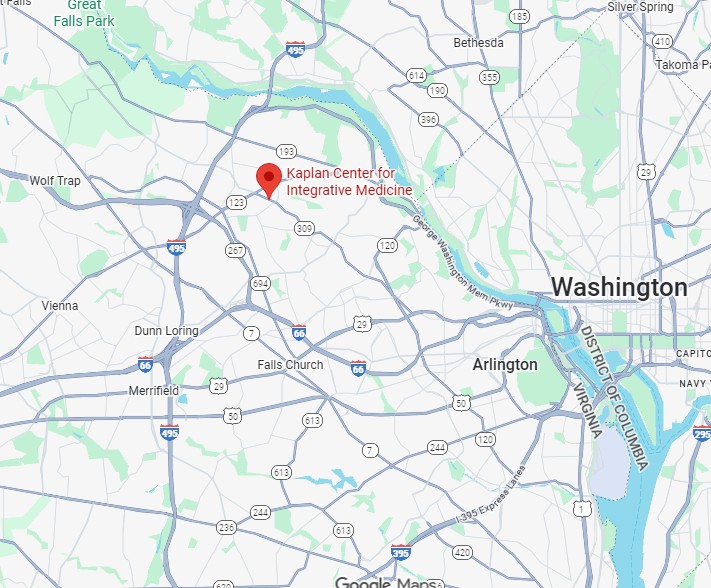
Therapeutic Plasma Exchange in the Northern Virginia / Washington, D.C. Area
The Kaplan Center for Integrative Medicine is proud to partner with Dr. Dobri Kiprov, a pioneering expert in therapeutic plasma exchange, to bring outpatient TPE to the greater Washington, D.C. area at the Kaplan Center. This makes the Kaplan Center the first and only outpatient location for TPE in the area.
Once available only in hospitals, Dr. Kiprov pioneered the use of TPE in outpatient settings through groundbreaking clinical research. As a result, more outpatient facilities are now available across the country today, but are still very limited.
Together with Dr. Gary Kaplan, a leader in integrative medicine and chronic illness care, the Kaplan Center brings this life-changing therapy closer to home for patients seeking recovery, rejuvenation, and hope.
Watch the full interview with Dr. Gary Kaplan and Dr. Dobri Kiprov →
READ THE PRESS RELEASE → https://kaplanclinic.com/for-immediate-release/
Why Choose Therapeutic Plasma Exchange at the Kaplan Center for Integrative Medicine?
At the Kaplan Center, we don’t just manage symptoms—we uncover the root causes of illness and create lasting healing.
For those struggling with complex, chronic illnesses or seeking to optimize long-term health, therapeutic plasma exchange offers a powerful path forward.
Using the Kaplan Method™, we offer TPE tailored to our patients’ precise health needs to ensure the best possibility of full recovery beyond their treatment.
Therapeutic plasma exchange is being used at the Kaplan Center to support patients with conditions such as Alzheimer’s disease, Long COVID, and PANS/PANDAS, and is also showing exciting potential in regenerative and longevity medicine.
This is why patients in the Washington, D.C. area and across the country choose us:
- World-leading expertise: TPE with us means the best expertise possible. Therapeutic plasma exchange at the Kaplan center is established under the guidance of Dr. Dobri Kiprov, the pioneering physician in this area along with Dr. Gary Kaplan, world-renowned integrative medicine expert.
- Over 35 years of experience: The Kaplan Center has helped thousands recover from chronic pain and debilitating illness using a comprehensive, integrative approach.
- Whole-Person Care: Our integrative approach combines cutting-edge technology with personalized, whole-person care. TPE is integrated into a customized treatment plan that supports your body’s healing from every angle—nutrition, detoxification, immune balance, and more.
- Exclusive Access and Competitive Pricing: The Kaplan Center is the only outpatient TPE clinic in the region offering treatment for Alzheimer’s, Long COVID, PANS/PANDAS, and longevity support—all at accessible, competitive rates.
How the TPE Process Works
TPE is performed by trained medical professionals in a controlled clinical environment. Each patient receives an individualized treatment plan based on their diagnosis and medical history. Each session is approximately 2.5 – 3.5 hours, using an FDA-approved medical filtration machine.
- Blood is withdrawn from the patient through a sterile IV line.
- The plasma is separated and removed.
- Plasma is replaced with a sterile replacement fluid (such as albumin or saline).
- Cleansed blood is returned to the body.
A dedicated nurse closely monitors vitals and any side effects all throughout your session.
The process of TPE helps to remove autoantibodies, inflammatory proteins, immune complexes, and circulating toxins. Many patients experience improved clarity, reduced inflammation, and symptom relief after treatment, though individual results vary.
On December 2, 2025, Dr. Kaplan hosted an informative webinar with Q&A on TPE and it’s applications.
Treatment Frequency & Pricing
The appropriate number and frequency of treatments are based on your diagnosis, symptom severity, immune system markers, and treatment response. Common treatment schedules include weekly, bi-weekly, or monthly sessions.
Single session price: $5,500.00*
*A $2,100.00 deposit is required to secure your service, balance is due on the day of your treatment unless other arrangements have been approved. Deposits are non-refundable but may be transferred to a future session with appropriate notice. Financing options for TPE are available through Advance Care. Please visit advancecarecard.com to learn more and apply for financial assistance.
Call us at (703) 532-4892 to learn more or schedule an appointment.
Therapeutic Plasma Exchange – Frequently Asked Questions (FAQ)
What is therapeutic plasma exchange (TPE)?
Therapeutic plasma exchange (TPE), also known as plasmapheresis, is a medical procedure that removes plasma (the liquid portion of your blood) and replaces it with fresh clean plasma. This helps remove harmful inflammatory substances such as antibodies, proteins, or toxins from your blood that can contribute to disease. TPE helps to detox the body, promote cellular healing, and support optimal function.
Why has my provider at the Kaplan Center recommended therapeutic plasma exchange?
Your Kaplan Center provider has recommended therapeutic plasma exchange to help treat your condition by removing substances in your blood that may be causing symptoms or affecting your health.
How does the procedure work?
Each therapeutic plasma exchange session is performed by nurses specially trained in TPE, using an FDA-approved medical filtration machine. A dedicated nurse closely monitors vitals and any side effects all throughout your session. Before treatment, we perform a full patient evaluation with lab testing to ensure safety and personalized care.
- Blood is removed through an IV or catheter
- A machine separates the plasma from your blood cells and removes the plasma
- Your blood cells are combined with clean plasma
- The blood is returned safely to your body
How long does a treatment take?
Each therapeutic plasma exchange treatment at Kaplan Center usually takes 2.5 – 3.5 hours.
How many treatments will I need?
The number of treatments varies. Some patients need only a few sessions, while others may need multiple treatments over several weeks. Your Kaplan Center care team will discuss your schedule with you.
Will the procedure hurt?
You may feel a brief pinch when the IV or catheter is placed. Most patients feel little discomfort during treatment. You may feel cold, tired, or slightly lightheaded.
How should I prepare for my appointment at the Kaplan Center?
- Eat a light meal before your visit
- Drink plenty of fluids (unless instructed otherwise)
- Wear comfortable clothing
- Take your medications as prescribed unless told not to
- Let the Kaplan Center staff know if you are feeling unwell
What are common side effects?
Some patients may experience:
- Fatigue
- Dizziness or lightheadedness
- Chills or feeling cold
- Tingling in the lips or fingers
Kaplan Center staff will monitor you closely during treatment.
Are there risks with therapeutic plasma exchange?
Plasmapheresis is generally safe, but possible risks include:
- Low blood pressure
- Bruising or bleeding at the catheter site
- Infection
- Allergic reaction to replacement fluids
Your Kaplan Center care team takes every precaution to keep you safe.
Can I eat or drink during treatment?
Be sure to eat a light breakfast (or lunch) prior to the procedure.
What can I expect after a treatment?
Common temporary effects include:
- Fatigue
- Mild dizziness
- Feeling chilled
- Temporary blood pressure fluctuations
Most symptoms resolve within hours.
What should I do after my treatment?
- Rest for the remainder of the day
- Drink plenty of fluids
- Avoid heavy lifting
- Monitor the catheter or IV site
Can I drive myself home?
Many patients can drive themselves home after treatment. If you feel weak or dizzy, please arrange for someone to drive you.
When should I contact the clinic?
Call the Kaplan Center if you experience:
- Fever or chills
- Persistent or severe dizziness or fainting
- Bleeding that does not stop
- Signs of infection at the catheter site
- Shortness of breath or chest pain
Who can I contact if I have questions?
If you have any questions or concerns before or after your treatment, please contact our office.
Call our office to schedule your appointment or consultation today.
