Polyendocrine Metabolic Ovarian Syndrome (PMOS)
Polyendocrine Metabolic Ovarian Syndrome (PMOS) is the newly adopted name for what was previously known as polycystic ovary syndrome (PCOS). This rename was announced on May 12, 2026, in The Lancet and better reflects the condition’s multisystem nature, including hormonal imbalances, metabolic issues, and ovarian involvement.
Polyendocrine Metabolic Ovarian Syndrome is a hormonal imbalance that causes a woman’s body to produces an overabundance of androgens, “the male hormone.” PMOS is the most common hormonal disorder in women of reproductive age, affecting about 1 in 8 women (roughly 170 million worldwide).
Symptoms of this disorder vary by individual and common symptoms include:
- Irregular menstrual cycles
- Excess facial or body hair growth
- Severe or persistent acne on the face, chest, or back
- Male-pattern hair thinning on the scalp
- Weight gain, difficulty losing weight and high insulin levels
- Dark, thick, velvety patches of skin on the neck, groin, armpits, and skin tags
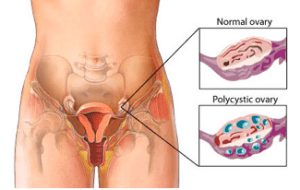 Infertility is also a symptom of PMOS. Normally, during ovulation, one or more eggs are released from a woman’s ovaries. If you have PMOS, however, mature eggs are not released, Instead, these cells form very small follicle cysts (fluid filled sacs with immature eggs), which are visible on your ovaries.
It is not uncommon for individuals with PMOS to experience anxiety and depression driven by heightened inflammation, chronic stress, and low self esteem from physical symptoms.
How We Can Help
Early diagnosis and treatment of polyendocrine metabolic ovarian syndrome is important and can help reduce your risk of long-term complications, such as type-2 diabetes, infertility, high blood pressure, heart disease, and serious mental health issues. At the Kaplan Center, our providers have years of experience treating patients with hormonal imbalances like PMOS.
At your first visit, your Kaplan provider will take time exploring the onset of your condition, the specific nature of your symptoms and the overall status of your health. You’ll also be asked about the medications and therapies you’ve tried in the past, and what has and hasn’t worked for you. To gather additional information about your condition, specialized diagnostic laboratory testing may be necessary.
After reviewing all of the factors contributing to your condition, your physician will spend time talking with you about your diagnosis and working with you to create a customized and multi-dimensional treatment plan that addresses not only your immediate pain but also any possible underlying or co-existing conditions that may be causing or aggravating your symptoms.
We offer a multitude of effective treatment options, including:
- Natural & Synthetic Hormone Replacement Therapy (HRT)
- Acupuncture
- Herbal Remedies & Nutritional Supplements
- Nutritional Counseling
- Prescription Medications
We are here for you, and we want to help.
Our goal is to return you to optimal health as soon as possible. To schedule an appointment please call: 703-532-4892 x2