Epstein-Barr virus (EBV), also known as human herpesvirus 4, is one of the most common human viruses. It is a member of the herpes virus family and spreads most commonly through bodily fluids, primarily saliva. According to the CDC, about 90% of adults have antibodies that show that they have a current or past EBV infection.
Q: Do you see any connection to the Epstein-Barr virus and autoimmune disorders, particularly Hashimoto’s thyroiditis, and if so do you have any suggestions about supplements or diet that might counteract the symptoms of the virus?
Dr. Lisa: Many people have been exposed to Epstein-Barr virus (mononucleosis) at some time in their life, and most don’t even know it until a blood test is performed that shows an old infection. There is some research to show that autoimmune disorders may be related to previous viral or bacterial infections, including EBV. Anyone who has ongoing fatigue should get a full thyroid panel but may also need specific EBV and HHV6 titers (another type of herpes virus that has been associated with chronic fatigue). If these tests are positive, then an antiviral medication may be useful.
We are here for you, and we want to help.
Our goal is to return you to optimal health as soon as possible. To schedule an appointment please call: 703-532-4892 x2
Q: I have a question about low-dose naltrexone for chronic pain, I understand you use this in your clinic. The standard dose appears to be 4.5 mg in almost all of the information I can find. There are a few chronic pain MDs in the U.S. that seem to be using higher doses with success — a couple say to go up as high as 10 mg while another one is using it up to 4.5 mgs 3xday with great success for those who do not respond to one dose of 4.5 mgs. Do you have any thoughts on this? What I’ve read is that one should not give up on this medication if not getting benefits at 4.5 mgs. Thank you.
A: LDN, or low-dose naltrexone has recently become popular as a method to boost the immune system for a number of conditions, such as HIV, cancer, Crohn’s disease, multiple sclerosis, neurodegenerative disorders, chronic neuropathic pain, fibromyalgia, and other autoimmune diseases.
How Low-Dose Naltrexone Works
LDN works by temporarily blocking endorphins in the brain which causes a reciprocal boost in natural endorphins, and by down-regulating the inflammatory effect of immune cells called microglia in the brain that get turned on in certain situations. At a low dose, the side effects are minimal. Higher doses can cause sleep disturbances and may cause elevation of liver enzymes. Although I don’t usually go higher than 4.5 mg, most likely the doses you are talking about – 10-14 mg – are far from the 50 mg or higher dose that is used to block opioid overdose, and are therefore are probably safe. I don’t see any research on the efficacy of using higher doses, however.
Until recently, most people had never heard of the Zika virus; since the 1950’s it had been relatively contained to specific areas in Africa and Asia.
Now, Zika is spreading rapidly throughout the Americas and the Caribbean after a massive outbreak in Brazil, and the World Health Organization has declared it an international public health emergency.
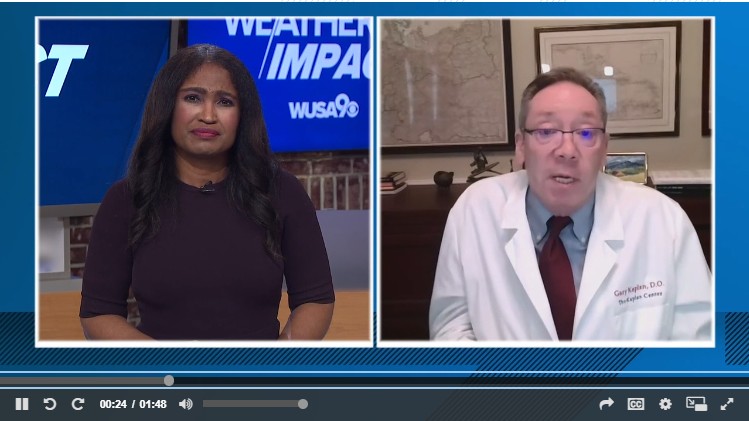
Please take a moment to watch the video below or read this article published in the New York Times earlier this week that answered many questions you may have about Zika virus, including how it is transmitted, how best to protect yourself against it, and what to do if you suspect you may have been exposed.













Epstein-Barr & Autoimmune Disorders
/in Conditions/by Lisa Lilienfield, MDEpstein-Barr virus (EBV), also known as human herpesvirus 4, is one of the most common human viruses. It is a member of the herpes virus family and spreads most commonly through bodily fluids, primarily saliva. According to the CDC, about 90% of adults have antibodies that show that they have a current or past EBV infection.
Q: Do you see any connection to the Epstein-Barr virus and autoimmune disorders, particularly Hashimoto’s thyroiditis, and if so do you have any suggestions about supplements or diet that might counteract the symptoms of the virus?
Dr. Lisa: Many people have been exposed to Epstein-Barr virus (mononucleosis) at some time in their life, and most don’t even know it until a blood test is performed that shows an old infection. There is some research to show that autoimmune disorders may be related to previous viral or bacterial infections, including EBV. Anyone who has ongoing fatigue should get a full thyroid panel but may also need specific EBV and HHV6 titers (another type of herpes virus that has been associated with chronic fatigue). If these tests are positive, then an antiviral medication may be useful.
We are here for you, and we want to help.
Our goal is to return you to optimal health as soon as possible. To schedule an appointment please call: 703-532-4892 x2
Low-Dose Naltrexone: Can a Higher Dose Lead to Better Results?
/in Treatments/by Lisa Lilienfield, MDQ: I have a question about low-dose naltrexone for chronic pain, I understand you use this in your clinic. The standard dose appears to be 4.5 mg in almost all of the information I can find. There are a few chronic pain MDs in the U.S. that seem to be using higher doses with success — a couple say to go up as high as 10 mg while another one is using it up to 4.5 mgs 3xday with great success for those who do not respond to one dose of 4.5 mgs. Do you have any thoughts on this? What I’ve read is that one should not give up on this medication if not getting benefits at 4.5 mgs. Thank you.
A: LDN, or low-dose naltrexone has recently become popular as a method to boost the immune system for a number of conditions, such as HIV, cancer, Crohn’s disease, multiple sclerosis, neurodegenerative disorders, chronic neuropathic pain, fibromyalgia, and other autoimmune diseases.
How Low-Dose Naltrexone Works
LDN works by temporarily blocking endorphins in the brain which causes a reciprocal boost in natural endorphins, and by down-regulating the inflammatory effect of immune cells called microglia in the brain that get turned on in certain situations. At a low dose, the side effects are minimal. Higher doses can cause sleep disturbances and may cause elevation of liver enzymes. Although I don’t usually go higher than 4.5 mg, most likely the doses you are talking about – 10-14 mg – are far from the 50 mg or higher dose that is used to block opioid overdose, and are therefore are probably safe. I don’t see any research on the efficacy of using higher doses, however.
–Dr. Lisa Lilienfield
What You Should Know About Zika Virus
/in Conditions/by Kaplan CenterUntil recently, most people had never heard of the Zika virus; since the 1950’s it had been relatively contained to specific areas in Africa and Asia.
Now, Zika is spreading rapidly throughout the Americas and the Caribbean after a massive outbreak in Brazil, and the World Health Organization has declared it an international public health emergency.
Please take a moment to watch the video below or read this article published in the New York Times earlier this week that answered many questions you may have about Zika virus, including how it is transmitted, how best to protect yourself against it, and what to do if you suspect you may have been exposed.