
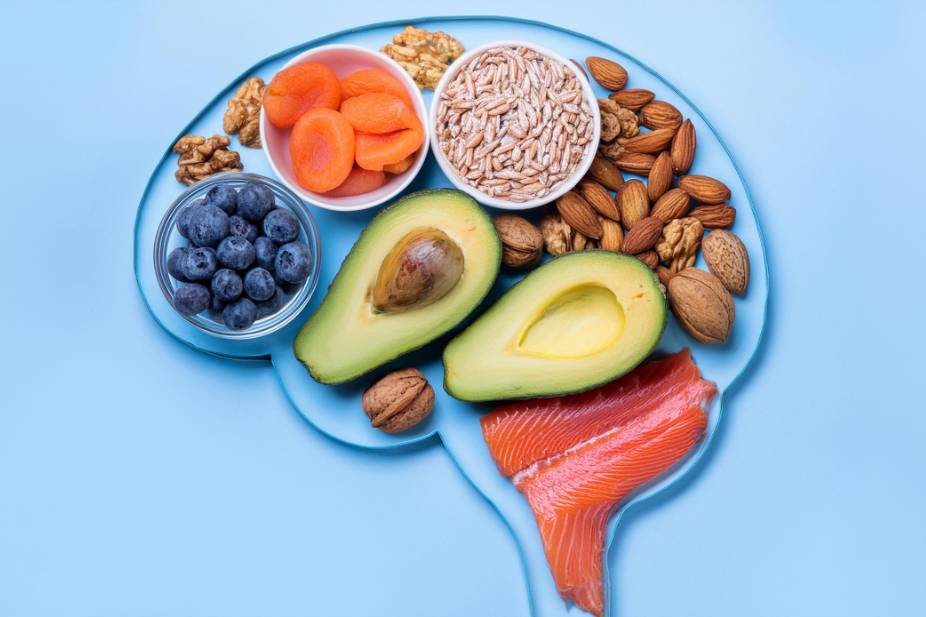
The Gut-Brain Connection: How Nutrition Shapes Cognition and Mood
March is recognized as Brain Awareness Month–a good reminder that brain health is not just about what happens in our heads, but is also influenced by what happens in our gut.
The Gut Microbiome
In functional nutrition, we talk about the gut-brain axis. This is a two-way communication between the digestive tract and the brain through nerves, immune messengers, metabolites, and hormones. This is not just a theory or a myth–it shows up in how we feel on a day-to-day basis, from focus, to mood, to energy and stress tolerance.
The gut contains a large and active community of microorganisms, known as the gut microbiome. This gut ecosystem helps to regulate the immune system, influence brain chemistry, and break down food. A significant portion of the body’s serotonin, an important neurotransmitter involved in appetite, gut motility, and mood regulation, is produced in the gastrointestinal tract, and gut microbes help to shape this process. These microbes also ferment dietary fiber into short chain fatty acids, such as butyrate, which help maintain the gut barrier, send signals that can affect behavior, brain function, and modulate inflammation.
Balancing the Microbiome
When the balance of the microbiome is disrupted, dysbiosis can occur. Dysbiosis is associated with increased gut permeability, changes in gut brain signaling, and increased levels of inflammation. Research suggests that these changes can manifest as depressive symptoms, cognitive difficulties, and higher rates of anxiety.
From a functional and practical standpoint, I often start by looking at daily patterns. Dietary patterns should often include minimally processed foods, emphasize fiber rich foods including fruits, legumes, whole grains, fruits and vegetables, all of which tend to support a more resilient and more diverse microbiome and greater production of beneficial short chain fatty acids.
As the understanding of the gut brain connection grows, it reinforces that using nutrition and lifestyle adjustments as part of comprehensive care offers a scientific way to strengthen cognitive health and emotional wellbeing.
We are here for you, and we want to help.
Our goal is to return you to optimal health as soon as possible. To schedule an appointment please call: 703-532-4892 x2
References
Dalile, B., Van Oudenhove, L., Vervliet, B., & Verbeke, K. (2019). The role of short chain fatty acids in microbiota–gut–brain communication. Nature Reviews Gastroenterology & Hepatology, 16(8), 461–478.
O’Mahony, S. M., Clarke, G., Borre, Y. E., Dinan, T. G., & Cryan, J. F. (2019). The gut–brain axis: Influence of microbiota on mood and mental health. Clinical Science, 133(2), 1–18.
O’Mahony, S. M., Felice, V. D., Nally, K., Savignac, H. M., Claesson, M. J., & Cryan, J. F. (2023). Serotonin and the microbiota–gut–brain axis. Neurogastroenterology and Motility, 35(4), e14456.
Yano, J. M., Yu, K., Donaldson, G. P., Shastri, G. G., Ann, P., Ma, L., … Hsiao, E. Y. (2015). Indigenous bacteria from the gut microbiota regulate host serotonin biosynthesis. Cell, 161(2), 264–276.









Leave a Reply
Want to join the discussion?Feel free to contribute!