

7 Easy Ways to Stay Active Without a Gym
Written by Dr. Gary Kaplan for London Daily News
Published 15 January, 2026
As the new year begins, people often feel renewed motivation to improve their health. Yet with colder weather and shorter days, it can feel like an uphill battle. For those that are older, living with chronic pain or illness, or those that just find the gym daunting, the idea of staying active can seem especially challenging.
The good news is that effective exercise doesn’t require a gym membership, special equipment or extra-long workouts. In fact, consistency outperforms bursts of intensity for long-term fitness goals. Some of the most sustainable forms of exercise are simple and easy to do at home, making them ideal for cold weather or when time is limited.
From a medical perspective, consistent movement is one of the most powerful tools we have to support joint health, circulation, balance, mood and overall resilience. Below are a few practical, no-gym-required exercise options that can support your physical health with minimum strain.
1. Chair Fitness Circuits
Chair exercises are a great option for individuals that may have joint pain, limited mobility or balance. These movements are done seated or with partial support, including exercises such as seated marches, arm circles, leg extensions, or core twists. These movements should be slow and controlled. Chair yoga is also accessible option, widely available through online videos.
While these movements seem modest, they can help improve circulation, joint lubrication, core strength and reduce stiffness after long periods spent idle.
2. Stairs or Single Step Work for Gentle Cardio
Stairs or step work can be a powerful cardiovascular and strength-building workout–all you need is a step or set of stairs. Stair climbing, step-ups or calf raises on a step can help strengthen legs while supporting heart health. If your body permits it, you can use weights or hold lightly weighted items to add strength training intensity.
These activities are beneficial for maintaining bone density, balance, lower-body strength and cardiovascular fitness. Handrails or a wall can provide added support, however, individuals with significant knee pain or balance instability should approach stair exercises cautiously or avoid them altogether.
3. Walking
Walking is one of the most vital ways to maintain our health. It is no surprise that people who own dogs have been shown to be at least 2.5 times more likely to get adequate exercise than those who don’t. While walking outside in the cold may be more challenging, walking indoors at a museum or a mall can be an enjoyable way to get steps in.
Benefits of increasing your step count include improved heart health, weight management, bone and muscle strength, mood, immunity, cognitive function, and reduces your chances of chronic diseases, such as type 2 diabetes, stroke or certain cancers.
4. Simple Strength Training at Home
 Strength training becomes increasingly important with age, particularly after 50, as muscle mass and bone density naturally decline. Fortunately, strength training doesn’t necessarily require weights or machines. Your bodyweight can be used for movements like wall push-ups, gentle squats, or plenty of other movements that can be found online. Light resistance can be used with household items or weights.
Strength training is critical to support metabolic health and improve mobility, balance and independence. Individuals with joint sensitivity or knee or hip arthritis should keep movements small and pain-free, and always use support as needed.
5. Dancing for Movement that Doesn’t Feel Like Exercise
Because dance is enjoyable, people are often more consistent with dance than traditional workouts. Whether you are dancing freely to some of your favorite music, following a class or learning basic steps, it offers benefits such as cardiovascular health, coordination and cognitive health while providing a mood boost that can help counter any winter blues. Make sure that you have space, supportive footwear and move at a pace that’s comfortable.
6. Daily Mobility to Reduce Stiffness
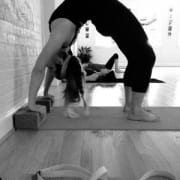
Winter stiffness is common, especially for those with chronic pain or inflammatory conditions. A 5–10-minute routine of joint circles, gentle spinal movements, hip openers, and ankle mobility can make a big difference. These movements can improve range of motion, reduce pain and lower injury risks while preparing the body for daily activity.
Mobility work should never push into discomfort, particularly for those with active shoulder or spine injuries.
7. Community-Based Movement for Motivation and Support
Many community centres offer exercise programs and classes of all levels. These programs provide not only physical benefits, but also social connection—a proven, key ingredient to longevity that is often overlooked. Participating in a group can improve motivation, accountability, and confidence. It’s important to choose programs that match your ability level and to perform modifications as needed.
As you set health intentions for the new year, consider focusing less on rigid goals and more on finding movement that feels sustainable. Even small amounts of daily movement can add meaningful improvement in your physical function, mood and quality of life. Studies show you are also most likely to stick to your goals if you find a repeated time in your daily routine that works for you so that it becomes a habit–whether it’s a few minutes in the morning, lunch, or evening time as you wind down.
Your body is far more likely to respond positively to consistency you can easily maintain—not what you feel pressured to attempt.
We are here for you, and we want to help.
Our goal is to return you to optimal health as soon as possible. To schedule an appointment please call: 703-532-4892 x2







Leave a Reply
Want to join the discussion?Feel free to contribute!