Today, medical care is a highly specialized and compartmentalized business, and many physicians are pressured by significant time constraints. When your health problems are complex, it can be difficult and frustrating to find answers. Be your own advocate, don’t be afraid to ask questions, and seize control of your health.
5 Important Steps For Better Health When You Have a Chronic Illness or Pain
Find An Expert. Chronic pain can undermine every aspect of your life – your work, relationships, recreational activities, self-esteem, and hope for the future. You want – and need – a pain specialist who is going to investigate the causes of your particular pain problem, strive to understand exactly how it has affected your life, and work with you to create and implement a personalized and comprehensive treatment strategy that fits the context of your life. You don’t have to just live with it. Chronic pain or illness should not define who you are and what you do.
Understand Your Diagnosis. A diagnosis is not just a label; expect your doctor to provide you with resources to help you better understand your own condition; and expect him or her to lay out clear recommendations for your short and long-term treatment, including steps that you can take to assist with your own healing process.
Understand the Value of Non-invasive Manual Therapies to Your Recovery. Seek out a physician who is knowledgeable about non-invasive manual therapies that will support your recovery. Ideally, you want a doctor who can recommend highly skilled manual practitioners who will communicate with your doctor about your progress and the need for adjustments in your ongoing medical care.
Be Careful about Using Pain Medication. While medications may help with pain, some also have the potential to cause other problems with your health and quality of life. Be confident that the medication your doctor has prescribed for you is truly the most effective and least invasive way of treating your chronic pain problem.
Understand All the Factors that May Be Contributing to Your Condition. Many times there are underlying, undiagnosed factors that may be contributing to your pain. Nutrition, emotional issues, hormone imbalances, biotoxicity or neurotoxicity, and sleep disorders can all cause inflammatory reactions in the body which can lead to a cascade of painful symptoms.
Chronic pain is a multi-faceted problem that requires a multi-disciplinary approach to diagnosing and treating your pain.
We are here for you, and we want to help.
Our goal is to return you to optimal health as soon as possible. To schedule an appointment please call: 703-532-4892 x2
Chardonée Donald has been a valued member of the Kaplan Center team for over a year, bringing a wealth of knowledge and a unique approach to patient care. In this interview, she shares her experiences, insights, and personal journey that shape her practice.
Q: Reflecting on your time with us, what has been a key factor that makes you proud to be part of our team?
Chardonée: Over the past year, I have come to appreciate the true sense of teamwork at the Kaplan Center. Everyone here respects each other’s expertise, creating an environment where we learn from one another. This mutual respect and willingness to learn are crucial in healthcare, as we continually strive to better ourselves to improve the lives of our patients.
Q: Dealing with a wide range of emotions is part of healthcare. Can you describe a time when you had to adapt your approach to meet a patient’s emotional or psychological needs?
Chardonée: Adapting my approach to meet a patient’s needs is something I do regularly. I meet each patient where they are, as no two appointments are the same. Unlike the typical intake process, I conduct intakes with patients, asking questions to gather their background without overwhelming them. This approach helps me avoid triggering medical trauma. Listening intently often reveals critical details that might otherwise be missed, allowing me to piece together a complex puzzle. Building trust is essential, so I always ensure patients feel heard and safe, creating a peaceful atmosphere for them to express their concerns.
Q: In what ways have your personal interests or extracurricular activities helped shape your approach to patient care or team collaboration within our practice?
Chardonée: My work as a Certified Sickle Cell Medical Navigator with Sickle Cell Medical Advocacy Inc. has profoundly influenced my approach to patient care. Witnessing the daily struggles of Sickle Cell Warriors, including my husband, has taught me to never overlook symptoms, no matter how small. This experience has also deepened my understanding of preventative care and the impact of nutrition on health.
Interestingly, my dog Harmony’s battle with a Mast Cell Tumor last year provided valuable lessons in using foods, herbs, and teas for healing. These principles have applications in both veterinary and human medicine. Additionally, running my organic tea business, The Potter’s Kettle, has broadened my perspective, viewing sales as investments in health rather than mere transactions.
My strong faith and personal experiences with health challenges drive my commitment to individualized patient care. I focus on treating each patient as a unique individual, considering their specific needs and comorbidities. This approach, supported by my extensive educational background, sets me apart and is supported by my team at the Kaplan Center.
About Chardonée Donald, CHN, CNS, LDN, Certified Nutrition Specialist
Chardonée Donald is a Board-Certified Nutrition Specialist and Licensed Dietitian Nutritionist, currently a 3rd year Ph.D. candidate in the Integrative and Functional Nutrition Program at Saybrook University. She holds a Bachelor of Science in Biomedical Science with a Minor in Nutrition and a Master of Science in Human Nutrition. She is also a Certified Holistic Nutritionist. She completed her CNS credentials through the American Nutrition Association and has over a decade of experience in nutrition.
Her approach to care involves finding the root cause of disorders and treating them accordingly, often asking patients to commit to a long-term plan to undo years of damage. Chardonée’s background includes working in a health food store, caregiving for her grandmother with dementia, working with Baltimore County WIC, and educating patients on various complex conditions such as diabetes, gut dysbiosis, Mast Cell Activation Disorder, POTS, and Sickle Cell Disease.
Chardonée is passionate about reducing inflammation, addressing gut dysbiosis, and supporting overall health through nutrition. Her holistic and scientific approach ensures that each patient receives tailored care, recognizing the uniqueness of every individual.
Personal Interests and Community Involvement
Outside of her professional life, Chardonée is a devoted wife, bonus mom, dog mom, and active community member in Northern Virginia. She enjoys cooking, DIY health projects, painting, reading, rollerblading, and volunteering with her local church. She also serves as a Teaching Assistant in the Integrative and Functional Nutrition Program at Saybrook University and is CoFounder of the Nonprofit Organization On The Air Sickled Podcast with her husband, Sickle Cell Medical Navigator with SCMA, and over the next few months will be dedicating time to her case study on Sickle Cell Disease management and nutrition.
To schedule an appointment with Chardonée Donald, please call 703-532-4892.
We are here for you, and we want to help.
Our goal is to return you to optimal health as soon as possible. To schedule an appointment please call: 703-532-4892 x2
Chronic neck pain has been a growing problem since the arrival of handheld technology. “Text Neck,” also called forward head posture, is a condition caused by the repetitive stress placed on the cervical spine from looking down. In addition to chronic neck pain, bending your neck for too long may also cause upper shoulder pain, headaches, muscle stiffness and postural changes. But neck pain can also be an important clue to the existence of underlying health issues.
Looking down for an extended period of time puts you at risk of overstretching the supporting muscles, tendons, and ligaments of the cervical spine. These elastic structures should recoil back to normal, but there are many reasons why the connective tissue in the neck doesn’t rebound, including:
Disc problems – cervical discs can wear out and start to degenerate over time, making the neck feel painful and stiff.
Facet Arthritis – when cartilage that covers the ends of the facet joints wear out pain and stiffness can result.
Hypermobility Syndromes – neck pain, headaches, “heavy head” are all common symptoms of cervical hypermobility.
Hormonal Changes – cervical spine (neck) problems could be an indicator of low thyroid in women and low testosterone in men
Chronic Infection – untreated viral and bacterial infections can lead to painful inflammation of the neck muscles.
Altered Metabolism – Chronic neck pain has also been associated with metabolic syndrome and a high body mass index.
Nutritional Deficiencies – B12 and Vitamin D deficiencies can cause or worsen neck pain.
Emotional Stress – Many people “carry stress” in their neck which presents as pain and can cause real physiological changes.
Diagnosing & Treating Chronic Neck Pain
At the Kaplan Center, we’ll look at multiple areas of health to determine the root cause of your pain and all the factors that may be exacerbating your symptoms. Neck problems are best treated by a multidisciplinary team and comprehensive treatment is key to long-lasting results. Depending on your evaluation and test results, recommended treatments may include:
Osteopathic manipulation – Manual therapies are often used for treating chronic neck pain. Craniosacral therapy, visceral manipulation, myofascial release and strain/counterstrain are just a few of the techniques that we can use to rebalance and realign musculoskeletal, connective, visceral, and other body tissues to ensure optimal body function.
Physical therapy – Chronic neck pain can often be successfully treated with physical therapy. Our physical therapists can evaluate and treat your condition with strengthening and stretching exercises, as appropriate.
Acupuncture is thought to work by blocking pain messages to the brain with competing stimuli through the release of endorphins (the body’s natural painkillers) and the secretion of neurotransmitters, which affect one’s perception of pain.
Hormone replacement – When hormonal changes are the cause of your pain, hormone replacement therapy can help improve symptoms for both men and women.
Stress reduction – Mind body therapies can help lower stress.
Nutrition & supplementation – Positive dietary changes and supplementation will help correct deficiencies and can improve your pain symptoms and overall wellbeing.
Regenerative medicine therapies, including prolotherapy and platelet-rich plasma have been very successful in treating chronic neck pain related to texting and poor posture.
The treatments above can help relieve your immediate pain, promote long-term symptom relief, and help prevent future episodes of neck pain. In our experience, a combination of treatment strategies works best.
Don’t ignore the message, let us help you! Please give us a call today to make an appointment – 703-532-4892. Ext 2.
We are here for you, and we want to help.
Our goal is to return you to optimal health as soon as possible. To schedule an appointment please call: 703-532-4892 x2



















5 Steps For Better Health If You Have a Chronic Illness or Pain
/in Wellness, Women's Health/by Kaplan CenterToday, medical care is a highly specialized and compartmentalized business, and many physicians are pressured by significant time constraints. When your health problems are complex, it can be difficult and frustrating to find answers. Be your own advocate, don’t be afraid to ask questions, and seize control of your health.
5 Important Steps For Better Health When You Have a Chronic Illness or Pain
Chronic pain is a multi-faceted problem that requires a multi-disciplinary approach to diagnosing and treating your pain.
We are here for you, and we want to help.
Our goal is to return you to optimal health as soon as possible. To schedule an appointment please call: 703-532-4892 x2
Updated September 16, 2024
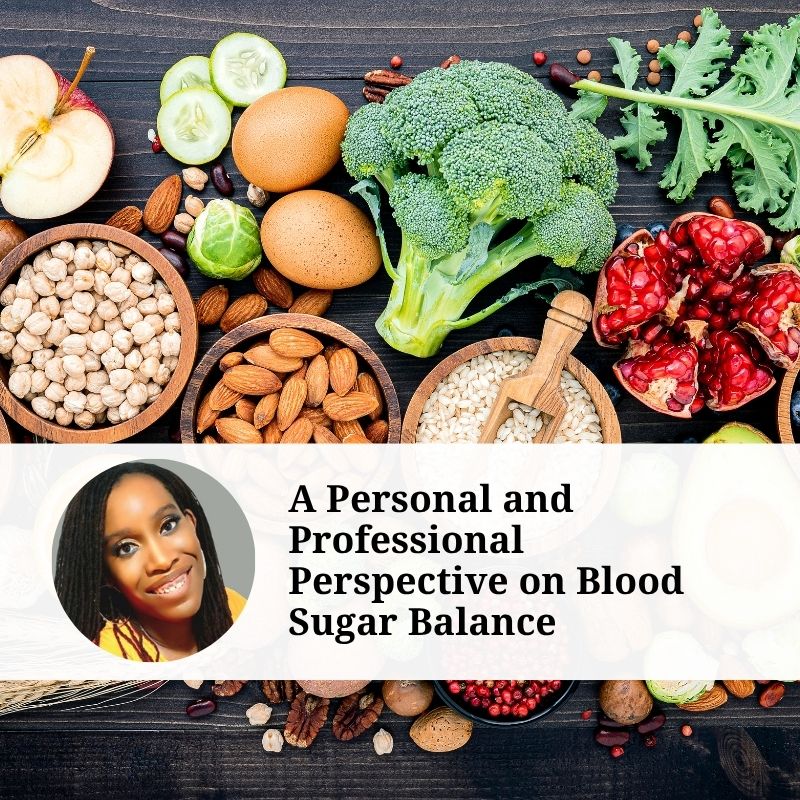
A Conversation with Chardonée Donald: Embracing Holistic and Integrative Nutrition at Kaplan Center
/in Nutrition, Wellness/by Kaplan CenterChardonée Donald has been a valued member of the Kaplan Center team for over a year, bringing a wealth of knowledge and a unique approach to patient care. In this interview, she shares her experiences, insights, and personal journey that shape her practice.
Q: Reflecting on your time with us, what has been a key factor that makes you proud to be part of our team?
Chardonée: Over the past year, I have come to appreciate the true sense of teamwork at the Kaplan Center. Everyone here respects each other’s expertise, creating an environment where we learn from one another. This mutual respect and willingness to learn are crucial in healthcare, as we continually strive to better ourselves to improve the lives of our patients.
Q: Dealing with a wide range of emotions is part of healthcare. Can you describe a time when you had to adapt your approach to meet a patient’s emotional or psychological needs?
Chardonée: Adapting my approach to meet a patient’s needs is something I do regularly. I meet each patient where they are, as no two appointments are the same. Unlike the typical intake process, I conduct intakes with patients, asking questions to gather their background without overwhelming them. This approach helps me avoid triggering medical trauma. Listening intently often reveals critical details that might otherwise be missed, allowing me to piece together a complex puzzle. Building trust is essential, so I always ensure patients feel heard and safe, creating a peaceful atmosphere for them to express their concerns.
Q: In what ways have your personal interests or extracurricular activities helped shape your approach to patient care or team collaboration within our practice?
Chardonée: My work as a Certified Sickle Cell Medical Navigator with Sickle Cell Medical Advocacy Inc. has profoundly influenced my approach to patient care. Witnessing the daily struggles of Sickle Cell Warriors, including my husband, has taught me to never overlook symptoms, no matter how small. This experience has also deepened my understanding of preventative care and the impact of nutrition on health.
Interestingly, my dog Harmony’s battle with a Mast Cell Tumor last year provided valuable lessons in using foods, herbs, and teas for healing. These principles have applications in both veterinary and human medicine. Additionally, running my organic tea business, The Potter’s Kettle, has broadened my perspective, viewing sales as investments in health rather than mere transactions.
My strong faith and personal experiences with health challenges drive my commitment to individualized patient care. I focus on treating each patient as a unique individual, considering their specific needs and comorbidities. This approach, supported by my extensive educational background, sets me apart and is supported by my team at the Kaplan Center.
About Chardonée Donald, CHN, CNS, LDN, Certified Nutrition Specialist
Chardonée Donald is a Board-Certified Nutrition Specialist and Licensed Dietitian Nutritionist, currently a 3rd year Ph.D. candidate in the Integrative and Functional Nutrition Program at Saybrook University. She holds a Bachelor of Science in Biomedical Science with a Minor in Nutrition and a Master of Science in Human Nutrition. She is also a Certified Holistic Nutritionist. She completed her CNS credentials through the American Nutrition Association and has over a decade of experience in nutrition.
Her approach to care involves finding the root cause of disorders and treating them accordingly, often asking patients to commit to a long-term plan to undo years of damage. Chardonée’s background includes working in a health food store, caregiving for her grandmother with dementia, working with Baltimore County WIC, and educating patients on various complex conditions such as diabetes, gut dysbiosis, Mast Cell Activation Disorder, POTS, and Sickle Cell Disease.
Chardonée is passionate about reducing inflammation, addressing gut dysbiosis, and supporting overall health through nutrition. Her holistic and scientific approach ensures that each patient receives tailored care, recognizing the uniqueness of every individual.
Personal Interests and Community Involvement
Outside of her professional life, Chardonée is a devoted wife, bonus mom, dog mom, and active community member in Northern Virginia. She enjoys cooking, DIY health projects, painting, reading, rollerblading, and volunteering with her local church. She also serves as a Teaching Assistant in the Integrative and Functional Nutrition Program at Saybrook University and is CoFounder of the Nonprofit Organization On The Air Sickled Podcast with her husband, Sickle Cell Medical Navigator with SCMA, and over the next few months will be dedicating time to her case study on Sickle Cell Disease management and nutrition.
To schedule an appointment with Chardonée Donald, please call 703-532-4892.
We are here for you, and we want to help.
Our goal is to return you to optimal health as soon as possible. To schedule an appointment please call: 703-532-4892 x2
“Text Neck Syndrome” Is No Joke; Your Chronic Neck Pain is Trying to Get Your Attention
/in Conditions/by Kaplan CenterChronic neck pain has been a growing problem since the arrival of handheld technology. “Text Neck,” also called forward head posture, is a condition caused by the repetitive stress placed on the cervical spine from looking down. In addition to chronic neck pain, bending your neck for too long may also cause upper shoulder pain, headaches, muscle stiffness and postural changes. But neck pain can also be an important clue to the existence of underlying health issues.
Looking down for an extended period of time puts you at risk of overstretching the supporting muscles, tendons, and ligaments of the cervical spine. These elastic structures should recoil back to normal, but there are many reasons why the connective tissue in the neck doesn’t rebound, including:
Diagnosing & Treating Chronic Neck Pain
At the Kaplan Center, we’ll look at multiple areas of health to determine the root cause of your pain and all the factors that may be exacerbating your symptoms. Neck problems are best treated by a multidisciplinary team and comprehensive treatment is key to long-lasting results. Depending on your evaluation and test results, recommended treatments may include:
The treatments above can help relieve your immediate pain, promote long-term symptom relief, and help prevent future episodes of neck pain. In our experience, a combination of treatment strategies works best.
Don’t ignore the message, let us help you! Please give us a call today to make an appointment – 703-532-4892. Ext 2.
We are here for you, and we want to help.
Our goal is to return you to optimal health as soon as possible. To schedule an appointment please call: 703-532-4892 x2