

What Your Food Cravings Really Mean + How to Manage Them Naturally
Dr. Gary Kaplan appeared on FOX5 DC with Steve Chenevy to discuss food cravings, what they mean, and how to treat them.
Food cravings happen to everyone. Whether it’s sugar, salt, or something sour, those sudden urges can feel hard to ignore. But cravings are actually the body’s way of communicating something deeper.
Understanding what your cravings mean—and how to respond to them—can help you make healthier choices and support your overall well-being.
Why Do We Crave Certain Foods?
Cravings aren’t random. They’re often signals from your body that something is out of balance. Some of the most common causes include:
- Blood sugar fluctuations – This is the leading cause of cravings, especially sugar cravings
- Sleep deprivation – Hormonal changes can increase hunger and cravings
- Chronic stress – Elevated cortisol levels can disrupt blood sugar and appetite
- Emotional triggers – Eating to cope with stress, boredom, or unmet needs
- Nutrient deficiencies – Low levels of iron, B12, or other nutrients
So instead of ignoring cravings, it’s worth asking yourself: What is my body trying to tell me?
Craving Sugar? Here’s What It Means
If you constantly crave sweets, your blood sugar may be dropping.
What’s happening: When blood sugar dips, your body looks for a quick source of energy—usually sugar or refined carbs.
What to do instead:
Skip the candy and stabilize your blood sugar with:
• Protein (like Greek yogurt or eggs)
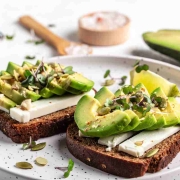
• Healthy fats (nuts, seeds, avocado)
• Regular meals (avoid skipping meals)
• Light movement (a short walk can help regulate blood sugar)
These options provide sustained energy without the crash.
Craving Salty Foods? You May Need Electrolytes
A strong desire for salty snacks can point to an electrolyte imbalance.
What’s happening: Your body may be low on key minerals like sodium, especially if you’re dehydrated or under stress.
Healthier alternatives:
• Drink water with a pinch of sea salt
• Snack on olives or nuts
• Stay properly hydrated throughout the day
Balancing electrolytes can reduce cravings and improve energy levels.
Craving Sour Foods? Your Digestion Might Need Support
Sour cravings are less common—but they can be surprisingly informative.
What’s happening: Your body may need more stomach acid to properly digest food, especially if you rely on antacids frequently.
What to try:
• Fermented foods like sauerkraut
• Yogurt with live cultures
These can help support digestion naturally.
Craving Non-Food Items? Don’t Ignore This
Craving things like ice, dirt, or other non-food items may seem unusual—but it can be a real medical signal.
What it could mean: This behavior, known as pica, is often linked to:
• Iron deficiency
• B vitamin deficiencies
If you notice these cravings, it’s important to consult a healthcare provider.
How to Manage Cravings the Healthy Way
Cravings aren’t the enemy—they’re information. The key isn’t to fight cravings—it’s to understand and respond to them wisely.
Simple strategies:
• Pause and assess what your body needs
• Choose whole, nutrient-dense foods
• Prioritize sleep and stress management
• Stay hydrated
• Eat balanced meals with protein, fat, and fiber
By learning how to interpret your cravings, you can shift from reacting impulsively to responding intentionally. Whether it’s balancing blood sugar, improving sleep, or addressing nutrient gaps, small changes can make a big difference.
Looking for More Support?
If cravings are persistent or disruptive, please give us a call. Our functional and integrative approach to health can help uncover the root cause of your symptoms.
We are here for you, and we want to help.
Our goal is to return you to optimal health as soon as possible. To schedule an appointment please call: 703-532-4892 x2






Leave a Reply
Want to join the discussion?Feel free to contribute!