Longevity is about more than living a long life—it’s about living a healthy one! Dr. Lisa discusses the advanced screenings and cutting-edge treatments available at the Kaplan Center to help our patients stay ahead of health risks and improve overall health and longevity.
Dr. Lisa is board-certified in family medicine and is a member of the American Academy of Medical Acupuncture. She also serves as a Clinical Assistant Professor at Georgetown University School of Medicine’s Department of Community and Family Medicine. Dr. Lisa’s approach to care comes from a Functional Medicine (FM) perspective, treating the “whole person,” not just her patient’s symptoms.
“My goal is to help my patients get well by finding a balance in life — not just physically, but in mind, body and spirit. I look at each patient’s medical history, family history, medications, sleep problems, adrenal and other endocrine problems. We do a thorough workup and develop a treatment plan. Sometimes relatively simple changes can radically improve a patient’s health!”
After a thorough physical examination, targeted blood work and other specialized tests to find hormonal imbalances, nutritional deficiencies, or other fundamental dysfunctions within the body will be ordered. Dr. Lisa then creates a unique treatment plan that aims to address those imbalances and lower inflammation so the body can begin healing.
Feeling tired is a common experience for many of us. We often brush it off as a result of a long day at work, a busy schedule, or simply not getting enough sleep. How do you know when your tiredness is just a normal part of life and when it might be a sign of something more serious, like Chronic Fatigue Syndrome (CFS)? Understanding the difference can help you manage your energy better and know when to seek professional help.
Everyday Tiredness: What’s Normal?
Everyday tiredness is something most people experience from time to time. It typically results from various factors that can be addressed with simple lifestyle changes. Here’s a deeper look into common causes:
Sleep Deprivation: One of the most common reasons for feeling tired is simply not getting enough sleep. Adults generally need between seven to nine hours of sleep per night. Inadequate sleep can affect your mood, cognitive function and overall energy levels. If you’re frequently waking up tired, you might need to reassess your sleep habits and environment. Ensure that your bedroom is dark, quiet and cool, and establish a regular sleep schedule.
Stress and Anxiety: Chronic stress and anxiety can drain your energy. When you’re under stress, your body remains in a state of heightened alertness, which can leave you feeling exhausted. Managing stress through techniques such as mindfulness, meditation and relaxation exercises can help mitigate these effects. Regular physical activity and a balanced diet also play a significant role in stress management.
Diet and Hydration: Your diet and hydration levels greatly influence how you feel. Skipping meals, consuming high-sugar foods, or not drinking enough water can lead to feelings of fatigue. Eating a balanced diet rich in fruits, vegetables, lean proteins and whole grains helps maintain steady energy levels. Staying hydrated by drinking plenty of water throughout the day is equally important.
Physical Activity: Both too much and too little physical activity can affect your energy levels. Engaging in regular exercise improves overall fitness and energy. However, over-exercising without proper rest can lead to exhaustion. Finding a balance that works for your body and incorporating rest days into your routine is essential.
Caffeine and Alcohol: While caffeine can provide a temporary boost, relying on it too much can disrupt your sleep patterns and lead to fatigue. Alcohol may also help you fall asleep but often disrupts the quality of sleep, leaving you feeling tired the next day.
Chronic Fatigue Syndrome: When Fatigue Isn’t Just Fatigue
Chronic Fatigue Syndrome (CFS), also known as myalgic encephalomyelitis (ME), is a complex, multi-system disease characterized by severe, persistent fatigue that doesn’t improve with rest and often worsens with physical or mental exertion. There is no specific known cause of CFS, but research points to inflammation of the central nervous system, which in turn can cause a wide range of debilitating symptoms.
The following is a more detailed look into the symptoms and features of CFS:
Persistent Fatigue: Unlike the temporary tiredness you might feel after a long day, CFS involves a deep, persistent exhaustion that lasts for at least six months. This fatigue is not relieved by rest and is often debilitating.
Unrefreshing Sleep: People with CFS may find that, despite sleeping for a full night, they still wake up feeling tired. This unrefreshing sleep can contribute to the ongoing sense of fatigue.
Cognitive Difficulties: Known as “brain fog,” this symptom includes problems with memory, concentration and mental clarity. Individuals may struggle to process information or focus on tasks, which can interfere with daily functioning.
Muscle and Joint Pain: CFS often involves unexplained muscle pain, joint pain, or headaches. These symptoms are typically not accompanied by swelling or redness but can still be very uncomfortable.
Post-Exertional Malaise (PEM): One of the hallmark features of CFS is post-exertional malaise, where symptoms worsen after physical or mental exertion. This can mean that even mild activities can lead to significant fatigue and prolonged recovery times.
Additional Symptoms: CFS can also be associated with other symptoms, such as sore throat, enlarged lymph nodes and sensitivity to light or sound. These symptoms can vary in intensity and may impact different individuals in different ways.
Diagnosing Chronic Fatigue Syndrome
Diagnosing CFS can be challenging because there is no specific test for it. Healthcare providers typically diagnose CFS based on a combination of symptoms, medical history and ruling out other conditions that could cause similar symptoms. A thorough evaluation may include:
Medical History and Physical Exam: Your doctor will review your symptoms, medical history and conduct a physical examination.
Laboratory Tests: While there is no definitive test for CFS, your doctor may order blood tests or other investigations to rule out other potential causes of fatigue.
Symptom Tracking: Keeping a detailed record of your symptoms, including when they occur and how they affect your daily life, can help your healthcare provider make an accurate diagnosis.
Managing Fatigue and Improving Your Well-Being
Regardless of whether you’re dealing with everyday tiredness or CFS, there are steps you can take, and services available that can help you manage fatigue and improve your overall well-being:
Optimize Sleep: Prioritize good sleep hygiene. Create a sleep-friendly environment and maintain a regular sleep schedule. If you are not able to improve your sleep on your own, you may benefit from a sleep evaluation.
Stress Reduction: Incorporate stress-management techniques, such as meditation, deep breathing, or hobbies, that help you relax. Acupuncture, biofeedback, yoga and other mind-body therapies are proven to help reduce stress.
Balanced Nutrition: Eat a varied diet rich in essential nutrients and stay hydrated. Avoid excessive caffeine and alcohol. Nutritional counseling can be a valuable tool to make long-lasting positive nutritional changes.
Exercise Wisely: Engage in regular, moderate exercise. If you have CFS, start slowly and listen to your body to avoid overexertion.
Support Systems: Seek support from friends, family, or a mental health professional if you’re feeling overwhelmed.
When to Seek Medical Advice
Seeking medical advice is crucial if you suspect your fatigue might be more than just everyday tiredness. If you have prolonged fatigue or unexplained and persistent symptoms and your fatigue is impacting your daily life, please give us a call. While everyday fatigue can often be addressed with lifestyle adjustments, persistent and severe fatigue may indicate a more serious condition that requires professional attention.
We are here for you, and we want to help.
Our goal is to return you to optimal health as soon as possible. To schedule an appointment please call: 703-532-4892 x2
Do you often experience brain fog? It’s that feeling of mental fatigue that drains your energy, causes poor concentration, and prevents you from gathering your thoughts. I’m sure that many of you can relate to that. Actually, brain fog is a common trend in our modern society. It may occur as a symptom of an underlying illness, side-effects from medication, hidden allergies (e.g. gluten), lack of sleep, dehydration, and even over-eating (i.e. eating too many calories).
However, brain fog is not a medical diagnosis, but a set of subjective symptoms that people experience and describe as:
Poor concentration
Mental Confusion
Eye fatigue
Headache
Poor sleep
A decrease in intellectual productivity
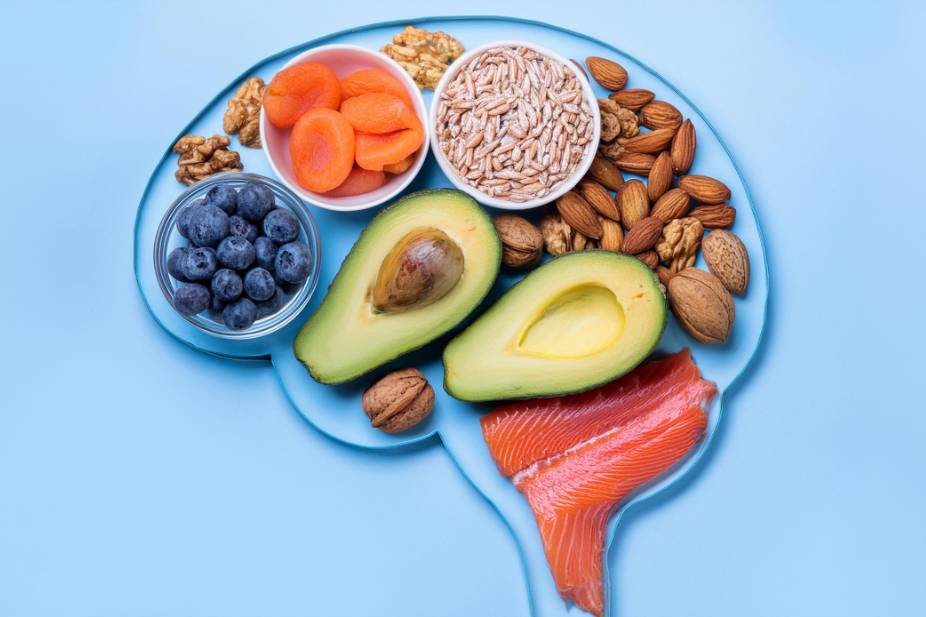
The good news is that there are small tweaks that can be done nutritionally to help clear brain fog, boost energy, and increase productivity. The key is keeping your brain well-fed, nourished, and oxygenated.
1. Drink Up! Water is the way to go.
Water is vital to the proper functioning of human cells and our body systems; it accounts for 60% to 70% of total body weight in lean adults, and 45% to 55% in obese adults. Water plays a major role in brain function; approximately 75% of the processes that take place in the brain occur in the presence of water!
Drinking adequate amounts of water will help increase mental clarity and concentration, help prevent headaches, and help in the removal of toxins and cellular waste that accumulate in the blood and travel to the brain.
How much should you drink? A simple way to calculate your daily water requirement is by dividing your body weight in half and replacing pounds with ounces. So if you weigh 140 lbs., your water requirement is 70 oz. There are two other factors to keep in mind, and the first is physical activity; athletes and active people need more water than sedentary people. The second factor is the weather; during the hot summer months, you need to boost up your water intake even more.
2. Brain Fuel: Omega 3’s
Omega 3s are the most preferred “essential” nutrient to the brain and nervous system. They are called essential because our body does not make them, so we need to get them from our diet.
Among their infinite benefits, omega 3s lower inflammation, protect cell membranes, improve cognition and memory, and improve mood stability.
What to eat: The best sources of omega 3 are fatty fish (salmon, trout, cod liver, herring, mackerel, and sardines), shellfish (shrimp, oysters, clams, and scallops), or krill oil. You may also get omega 3s from plant-based foods, such as flaxseed, chia seeds, or walnuts, however, their conversion to the absorbable form, known as EPA and DHA, is very low – between 5% – 10%.
Flavonoids are plant-derived compounds that have antioxidant properties. They scavenge harmful toxic cellular wastes in the body called “free radicals.” Free radicals damage brain cells and DNA through a process called oxidation, which contributes to brain fog related symptoms.
Studies indicate that flavonoids found in certain fruits and veggies are able to improve memory and brain function, thereby helping to lower symptoms related to brain fog.
Fruits like grapes, pomegranates, strawberries, and blueberries have shown to improve many aspects of memory and learning, such as: rapid and slow memory acquisition, short-term working memory, long-term reference memory, and memory retention and retrieval.
What to eat: Lots of fruits and vegetables! Go for a rainbow of color.
4. Quercetin-rich foods
Quercetin is a flavonol (a subtype of flavonoids) found in plants and known for its antioxidant properties.
Unique to quercetin is its ability to block histamine release, the main trigger for allergies which can cause symptoms of brain fog.
What to eat: Foods that are rich in quercetin are: ancho peppers, red onions, dill weed, cranberries, and buckwheat.
5. Brain Treat: Dark Chocolate
In addition to being delicious, DARK chocolate is a superfood, which means it’s a highly potent antioxidant and brain booster. Cocoa flavonols, which are the active compounds in the cocoa powder found in chocolate, have been shown to increase blood flow to the brain, providing it with an abundant supply of nutrients and oxygen.
Studies have shown cocoa flavonols improve cognitive function and blood pressure control in older adults, improve concentration, and can help stabilize mood.
What to eat: When buying a chocolate bar, the darker the chocolate, the better (look for 70% or more cacao* content). You can also buy good quality, dark chocolate cocoa powder, but you’ll notice it can be bitter, so a great way of getting it in your diet is by adding it to your smoothies.
* Cocoa powder comes from raw cacao that has been roasted at high temperatures.
6. Happy Brain = Happy gut: Probiotic-rich foods
The human body carries over 100 trillion bacteria in the gut, outweighing the human body’s cells! These bacteria work synergistically with the body’s systems and contribute to the synthesis of vitamins and neurotransmitters (brain chemicals), and also help with food digestion.
The gut also hosts harmful bacteria, but in smaller amounts. These opportunistic species thrive on sugars, which can lead to overgrowth and create an imbalance in the microbiome. The connection between the brain and gut is bi-directional, which means if one consumes a high processed meal that is loaded with simple sugars, the brain will suffer from a lack of neurotransmitters and vital nutrients. This leads to brain fog symptoms and potentially other serious conditions. So basically, food choices and a clean diet are tremendous for brain health.
What to eat: Incorporating probiotic-rich food in your diet will help balance gut flora and get rid of harmful bacteria. These foods are Sauerkraut, kimchi, Kombucha (watch out for sugar content), and kefir. Supplementing with probiotics is another great way to get good bacteria into your diet.
We are here for you, and we want to help.
Our goal is to return you to optimal health as soon as possible. To schedule an appointment please call: 703-532-4892 x2
References:
Boots, A. W., Haenen, G. M., & Bast, A. (2008). Health effects of quercetin: from antioxidant to nutraceutical. European Journal Of Pharmacology, 585(2-3), 325-337. doi:10.1016/j.ejphar.2008.03.008
Anand David, A. V., Arulmoli, R., & Parasuraman, S. (2016). Overviews of Biological Importance of Quercetin: A Bioactive Flavonoid. Pharmacognosy Reviews, 10(20), 84-89. doi:10.4103/0973-7847.194044
Linus Pauling Institute | Oregon State University | Micronutrient Information Center | Essential Fatty Acids
Nehlig, A. (2013) The neuroprotective effects of cocoa flavanol and its influence on cognitive performance. Br J Clin Pharmacol. Mar; 75(3): 716–727.
This article was first seen in Dr. Kaplan’s column for MindBodyGreen on 4/17/2017. Reviewed on 9/19/24.





















Living Longer, Living Better: Advanced Diagnostics and Unique Treatments for Longevity
/in Treatments, Videos, Wellness/by Lisa Lilienfield, MDLongevity is about more than living a long life—it’s about living a healthy one! Dr. Lisa discusses the advanced screenings and cutting-edge treatments available at the Kaplan Center to help our patients stay ahead of health risks and improve overall health and longevity.
Watch now!
About Dr. Lisa Lilienfield
Dr. Lisa is board-certified in family medicine and is a member of the American Academy of Medical Acupuncture. She also serves as a Clinical Assistant Professor at Georgetown University School of Medicine’s Department of Community and Family Medicine. Dr. Lisa’s approach to care comes from a Functional Medicine (FM) perspective, treating the “whole person,” not just her patient’s symptoms.
“My goal is to help my patients get well by finding a balance in life — not just physically, but in mind, body and spirit. I look at each patient’s medical history, family history, medications, sleep problems, adrenal and other endocrine problems. We do a thorough workup and develop a treatment plan. Sometimes relatively simple changes can radically improve a patient’s health!”
After a thorough physical examination, targeted blood work and other specialized tests to find hormonal imbalances, nutritional deficiencies, or other fundamental dysfunctions within the body will be ordered. Dr. Lisa then creates a unique treatment plan that aims to address those imbalances and lower inflammation so the body can begin healing.
Click here to read more on Dr. Lisa’s specialities and treatment techniques.
We are here for you, and we want to help.
Our goal is to return you to optimal health as soon as possible. To schedule an appointment please call: 703-532-4892 x2
Tired vs. Exhausted: How to Tell When Fatigue Needs More Attention
/in Chronic Fatigue/by Kaplan CenterFeeling tired is a common experience for many of us. We often brush it off as a result of a long day at work, a busy schedule, or simply not getting enough sleep. How do you know when your tiredness is just a normal part of life and when it might be a sign of something more serious, like Chronic Fatigue Syndrome (CFS)? Understanding the difference can help you manage your energy better and know when to seek professional help.
Everyday Tiredness: What’s Normal?
Everyday tiredness is something most people experience from time to time. It typically results from various factors that can be addressed with simple lifestyle changes. Here’s a deeper look into common causes:
Chronic Fatigue Syndrome: When Fatigue Isn’t Just Fatigue
Chronic Fatigue Syndrome (CFS), also known as myalgic encephalomyelitis (ME), is a complex, multi-system disease characterized by severe, persistent fatigue that doesn’t improve with rest and often worsens with physical or mental exertion. There is no specific known cause of CFS, but research points to inflammation of the central nervous system, which in turn can cause a wide range of debilitating symptoms.
The following is a more detailed look into the symptoms and features of CFS:
Diagnosing Chronic Fatigue Syndrome
Diagnosing CFS can be challenging because there is no specific test for it. Healthcare providers typically diagnose CFS based on a combination of symptoms, medical history and ruling out other conditions that could cause similar symptoms. A thorough evaluation may include:
Managing Fatigue and Improving Your Well-Being
Regardless of whether you’re dealing with everyday tiredness or CFS, there are steps you can take, and services available that can help you manage fatigue and improve your overall well-being:
When to Seek Medical Advice
Seeking medical advice is crucial if you suspect your fatigue might be more than just everyday tiredness. If you have prolonged fatigue or unexplained and persistent symptoms and your fatigue is impacting your daily life, please give us a call. While everyday fatigue can often be addressed with lifestyle adjustments, persistent and severe fatigue may indicate a more serious condition that requires professional attention.
We are here for you, and we want to help.
Our goal is to return you to optimal health as soon as possible. To schedule an appointment please call: 703-532-4892 x2
Top 6 Food Types to Clear Your Brain Fog and Boost Your Cognitive Function
/in Digestive Issues, Long Covid, Nutrition, Wellness/by Gary Kaplan, DODo you often experience brain fog? It’s that feeling of mental fatigue that drains your energy, causes poor concentration, and prevents you from gathering your thoughts. I’m sure that many of you can relate to that. Actually, brain fog is a common trend in our modern society. It may occur as a symptom of an underlying illness, side-effects from medication, hidden allergies (e.g. gluten), lack of sleep, dehydration, and even over-eating (i.e. eating too many calories).
However, brain fog is not a medical diagnosis, but a set of subjective symptoms that people experience and describe as:
The good news is that there are small tweaks that can be done nutritionally to help clear brain fog, boost energy, and increase productivity. The key is keeping your brain well-fed, nourished, and oxygenated.
1. Drink Up! Water is the way to go.
Water is vital to the proper functioning of human cells and our body systems; it accounts for 60% to 70% of total body weight in lean adults, and 45% to 55% in obese adults. Water plays a major role in brain function; approximately 75% of the processes that take place in the brain occur in the presence of water!
Drinking adequate amounts of water will help increase mental clarity and concentration, help prevent headaches, and help in the removal of toxins and cellular waste that accumulate in the blood and travel to the brain.
How much should you drink? A simple way to calculate your daily water requirement is by dividing your body weight in half and replacing pounds with ounces. So if you weigh 140 lbs., your water requirement is 70 oz. There are two other factors to keep in mind, and the first is physical activity; athletes and active people need more water than sedentary people. The second factor is the weather; during the hot summer months, you need to boost up your water intake even more.
2. Brain Fuel: Omega 3’s
Omega 3s are the most preferred “essential” nutrient to the brain and nervous system. They are called essential because our body does not make them, so we need to get them from our diet.
Among their infinite benefits, omega 3s lower inflammation, protect cell membranes, improve cognition and memory, and improve mood stability.
What to eat: The best sources of omega 3 are fatty fish (salmon, trout, cod liver, herring, mackerel, and sardines), shellfish (shrimp, oysters, clams, and scallops), or krill oil. You may also get omega 3s from plant-based foods, such as flaxseed, chia seeds, or walnuts, however, their conversion to the absorbable form, known as EPA and DHA, is very low – between 5% – 10%.
Questions? Give Us a Call!
703-532-4892 x2
3. Rainbow foods: Flavonoids
Flavonoids are plant-derived compounds that have antioxidant properties. They scavenge harmful toxic cellular wastes in the body called “free radicals.” Free radicals damage brain cells and DNA through a process called oxidation, which contributes to brain fog related symptoms.
Studies indicate that flavonoids found in certain fruits and veggies are able to improve memory and brain function, thereby helping to lower symptoms related to brain fog.
Fruits like grapes, pomegranates, strawberries, and blueberries have shown to improve many aspects of memory and learning, such as: rapid and slow memory acquisition, short-term working memory, long-term reference memory, and memory retention and retrieval.
What to eat: Lots of fruits and vegetables! Go for a rainbow of color.
4. Quercetin-rich foods
Quercetin is a flavonol (a subtype of flavonoids) found in plants and known for its antioxidant properties.
Unique to quercetin is its ability to block histamine release, the main trigger for allergies which can cause symptoms of brain fog.
What to eat: Foods that are rich in quercetin are: ancho peppers, red onions, dill weed, cranberries, and buckwheat.
5. Brain Treat: Dark Chocolate
In addition to being delicious, DARK chocolate is a superfood, which means it’s a highly potent antioxidant and brain booster. Cocoa flavonols, which are the active compounds in the cocoa powder found in chocolate, have been shown to increase blood flow to the brain, providing it with an abundant supply of nutrients and oxygen.
Studies have shown cocoa flavonols improve cognitive function and blood pressure control in older adults, improve concentration, and can help stabilize mood.
What to eat: When buying a chocolate bar, the darker the chocolate, the better (look for 70% or more cacao* content). You can also buy good quality, dark chocolate cocoa powder, but you’ll notice it can be bitter, so a great way of getting it in your diet is by adding it to your smoothies.
* Cocoa powder comes from raw cacao that has been roasted at high temperatures.
6. Happy Brain = Happy gut: Probiotic-rich foods
The human body carries over 100 trillion bacteria in the gut, outweighing the human body’s cells! These bacteria work synergistically with the body’s systems and contribute to the synthesis of vitamins and neurotransmitters (brain chemicals), and also help with food digestion.
The gut also hosts harmful bacteria, but in smaller amounts. These opportunistic species thrive on sugars, which can lead to overgrowth and create an imbalance in the microbiome. The connection between the brain and gut is bi-directional, which means if one consumes a high processed meal that is loaded with simple sugars, the brain will suffer from a lack of neurotransmitters and vital nutrients. This leads to brain fog symptoms and potentially other serious conditions. So basically, food choices and a clean diet are tremendous for brain health.
What to eat: Incorporating probiotic-rich food in your diet will help balance gut flora and get rid of harmful bacteria. These foods are Sauerkraut, kimchi, Kombucha (watch out for sugar content), and kefir. Supplementing with probiotics is another great way to get good bacteria into your diet.
We are here for you, and we want to help.
Our goal is to return you to optimal health as soon as possible. To schedule an appointment please call: 703-532-4892 x2
References:
Boots, A. W., Haenen, G. M., & Bast, A. (2008). Health effects of quercetin: from antioxidant to nutraceutical. European Journal Of Pharmacology, 585(2-3), 325-337. doi:10.1016/j.ejphar.2008.03.008
Anand David, A. V., Arulmoli, R., & Parasuraman, S. (2016). Overviews of Biological Importance of Quercetin: A Bioactive Flavonoid. Pharmacognosy Reviews, 10(20), 84-89. doi:10.4103/0973-7847.194044
Linus Pauling Institute | Oregon State University | Micronutrient Information Center | Essential Fatty Acids
Nehlig, A. (2013) The neuroprotective effects of cocoa flavanol and its influence on cognitive performance. Br J Clin Pharmacol. Mar; 75(3): 716–727.
This article was first seen in Dr. Kaplan’s column for MindBodyGreen on 4/17/2017. Reviewed on 9/19/24.