Thanksgiving is a wonderful holiday tradition that’s been celebrated in the US and Canada since the mid-1800s. At the heart of the Thanksgiving celebration is the universal message of gratitude.
Gratitude is the expression of being thankful. It’s about having an attitude of appreciation, allowing yourself to feel awe, not taking things for granted, and seeing the potential upside of life’s challenges. But did you know that practicing gratitude can have profound benefits to our mental, emotional and physical well-being?
Let’s take a closer look at how practicing gratitude can contribute to our overall well-being and some effective ways to incorporate this practice into our daily lives.
The Link Between Gratitude and Well-Being
Practicing gratitude can benefit the mind, body, and spirit in a number of ways. It can lower stress levels, improve sleep, strengthen relationships with friends and family, and even increase our emotional resilience. Medical research has confirmed this direct correlation between gratitude and well-being:
A 2022 study published in Frontiers of Psychology found that women with elevated depressive symptoms who routinely practiced gratitude were more accepting of their condition than those who did not. Similarly, a 2012 study published in Personality and Individual Differences found that people who regularly expressed gratitude reported feeling healthier than their counterparts; a correlation that was mediated by psychological health and an attitude to seek help for health concerns.
A 2018 abstract, printed in the journal Psychology, Health & Medicine, found that dispositional gratitude (i.e. the character trait of noticing and appreciating the positive in life and being thankful for those positive aspects of life) correlated with lower levels of stress and loneliness.
Practicing gratitude can improve sleep quality by promoting more positive emotions and lessening the effects of anxiety and rumination.
In a 2013 study, Dr. Robert Emmons, a leading authority on gratitude, noted that: “Gratitude is a key, underappreciated quality in the clinical practice of psychology, its relevance deriving from its strong, unique, and causal relationship with well-being, as well as its dynamic healing influence on the therapist-patient relationship.”
Acts of kindness (public expressions of gratitude) can be linked to an increase in life satisfaction, according to a study published in The Journal of Social Psychology.
Researchers who looked at the role of gratitude in asymptomatic heart failure patients found that “patients expressing more gratitude also had lower levels of inflammatory biomarkers,” as well as better sleep and mood, and less fatigue.
Practicing gratitude is a conscious choice we make to affect positive change in our lives. There are a number of ways to practice gratitude, such as:
Appreciate nature
Beauty is everywhere. Taking a moment to stop and experience the beauty in nature can provide you with a greater sense of well-being that can stay with you throughout the day. As you walk or observe, mentally list the things that bring you joy, peace, or fulfillment.
Keep a gratitude diary
Write down 5 or 6 things daily for which you are grateful. Recognizing what you are grateful for will help keep you focused on what you have rather than what you have not and creates a record of appreciation to look back on when you need a mood boost.
Meditate
A daily meditation practice, for even just a few minutes a day, helps reset your body’s autonomic stress response, which can help to improve sleep, reduce pain, enhance mood, and foster a better sense of well-being.
Say “Thank you.”
Taking the time to thank others, whether through a note, a text message, or a face-to-face conversation, not only uplifts their spirits but also helps reinforce your own sense of appreciation. This practice nurtures social bonds and fosters a greater sense of connection and well-being.
As we prepare for another Thanksgiving holiday in the US, it’s my wish that gratitude and all its benefits be present in your life and the lives of those you care about. And I wish you and yours a very happy and healthy Thanksgiving.
– Dr. Gary
We are here for you, and we want to help.
Our goal is to return you to optimal health as soon as possible. To schedule an appointment please call: 703-532-4892 x2
Updated: November 2024
References
Tomczyk J, Nezlek JB, Krejtz I. Gratitude Can Help Women At-Risk for Depression Accept Their Depressive Symptoms, Which Leads to Improved Mental Health. Front Psychol. 2022 Apr 7;13:878819. doi: 10.3389/fpsyg.2022.878819. PMID: 35465539; PMCID: PMC9022718.
Hill PL, Allemand M, Roberts BW. Examining the Pathways between Gratitude and Self-Rated Physical Health across Adulthood. Pers Individ Dif. 2013 Jan;54(1):92-96. doi: 10.1016/j.paid.2012.08.011. PMID: 23139438; PMCID: PMC3489271.
O’Connell BH, Killeen-Byrt M. Psychosocial health mediates the gratitude-physical health link. Psychol Health Med. 2018 Oct;23(9):1145-1150. doi: 10.1080/13548506.2018.1469782. Epub 2018 Apr 29. PMID: 29707980.
Emmons RA, Stern R. Gratitude as a psychotherapeutic intervention. J Clin Psychol. 2013 Aug;69(8):846-55. doi: 10.1002/jclp.22020. Epub 2013 Jun 17. PMID: 23775470.
Jia Wei Zhang, Ryan T. Howell, Ravi Iyer, Engagement with natural beauty moderates the positive relation between connectedness with nature and psychological well-being, Journal of Environmental Psychology, Volume 38, 2014, Pages 55-63, ISSN 0272-4944, https://doi.org/10.1016/j.jenvp.2013.12.013.
Rowland L, Curry OS. A range of kindness activities boost happiness. J Soc Psychol. 2019;159(3):340-343. doi: 10.1080/00224545.2018.1469461. Epub 2018 May 15. PMID: 29702043.
Mills PJ, Redwine L, Wilson K, Pung MA, Chinh K, Greenberg BH, Lunde O, Maisel A, Raisinghani A, Wood A, Chopra D. The Role of Gratitude in Spiritual Well-being in Asymptomatic Heart Failure Patients. Spiritual Clin Pract (Wash D C ). 2015 Mar;2(1):5-17. doi: 10.1037/scp0000050. PMID: 26203459; PMCID: PMC4507265.
It’s easy to take your mental health for granted until one day you realize that you haven’t been feeling as mentally sharp as you once were. Maybe you’re having more frequent slips in memory or you feel like you’re walking around with your head in a cloud. When these moments occur, you may be quick to dismiss them, but brain fog, in a sense, is the body’s way of indicating that the brain is not working the way it’s supposed to be. So, what is brain fog and why does it happen?
Brain fog is not an actual clinical condition, but rather a term for a subjective set of symptoms that people experience. Some may be affected by poor concentration or a decrease in intellectual productivity, while others may experience memory problems (difficulty with recalling words, details, etc.). Other symptoms can include feelings of confusion, depression, and headaches. People of any age and gender can experience any one or all of these symptoms at any given time.
These changes in cognitive function are not only mentally exhausting, but they can also have a very real effect on a person’s emotional wellbeing. Operating in a reduced state of mental acuity can knock down a person’s self-confidence, cause workplace productivity to suffer, and may even be a reason to withdraw from social outings. But it’s important to understand that brain fog is not a normal part of the aging process.
There are many factors that can initiate symptoms of brain fog; some that you may not think are related. Unlike dementia, which can be permanent, and in some cases, progressive, brain fog symptoms are likely to improve when contributing factors are addressed.
Here are 6 common contributors with tips on what you can do to improve or even eliminate your symptoms altogether.
1. Poor nutrition.
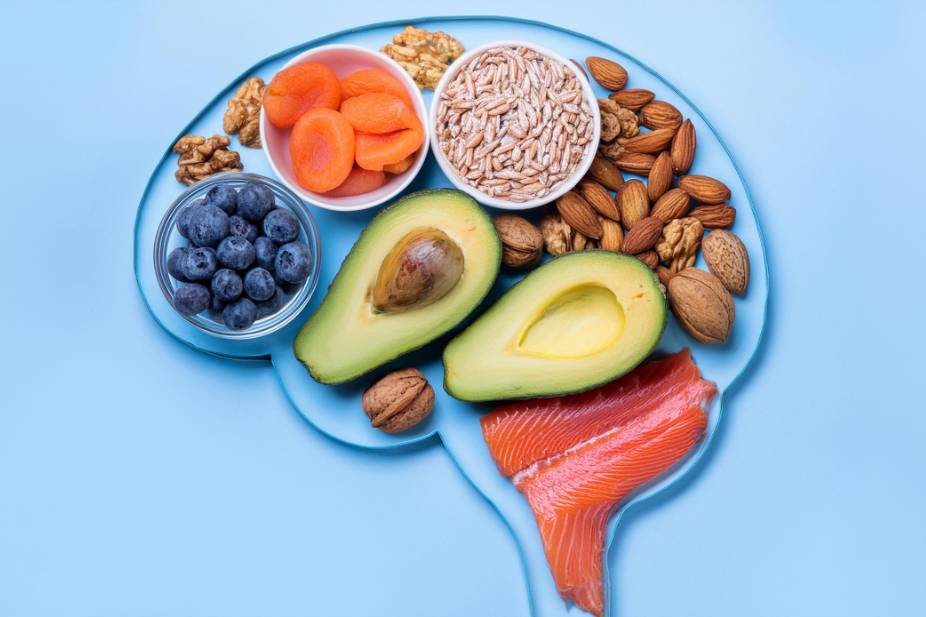
The connection between the brain and the gut is also known as the “gut-brain axis.” It’s a bi-directional connection, which means that the gut and the brain essentially speak to each other. This means that when the integrity of one component is compromised, the other is directly affected. Therefore, poor nutritional choices will have a direct effect on brain function.
Highly processed meals and drinks that are loaded with simple sugars and other artificial ingredients can cause a disruption in the gut flora and lead to a condition called intestinal permeability, or leaky gut. When the gut lining is weakened unwanted substances are able to break through the protective filter between the intestines and our bloodstream. The are several issues that then become a problem. The first is that the body will start to make antibodies to foods, causing allergies to foods we would not have been sensitive to when the intestine was healthy. The other issue is that when the intestinal barrier is impaired, the barrier around the brain that helps protect our brains from immune substances floating in the blood now can enter the brain and incite an inflammatory reaction. This can show up as fatigue, sleep disturbances and alterations in mood, anxiety, and depression, and brain fog.
In addition, common food additives like aspartame, Monosodium Glutamate (MSG), and nitrates/nitrites promote widespread inflammation and oxidative stress by producing free radicals that cause damage to brain cells and DNA when they overwhelm antioxidant levels in the body.
Solution: We should never take our food choices for granted! There are things that can be done nutritionally to help clear brain fog, boost energy, and increase productivity. Start by cutting down on processed foods and eating whole, organic, and non-GMO foods whenever possible. Next, eat probiotic-rich foods to help balance your gut flora and get rid of harmful bacteria. Probiotic-rich foods include sauerkraut, kimchi, Kombucha (watch out for sugar content), and kefir. If you have trouble getting these foods onto your plate, another great way to get good bacteria into your diet is supplementing with a daily probiotic.
2. Biotoxicity and Neurotoxicity
Biotoxins and neurotoxins are environmental toxins that can poison our physical and mental health. As toxins penetrate the blood-brain barrier, they are free to circulate throughout the body – including the brain! Once there, the glial cells that work to defend the nerves and brain cells from damage are compromised and unable to do their job. Although the symptoms vary, a common complaint of someone diagnosed with some form of toxicity is brain fog.
Solution: Eliminating biotoxins and neurotoxins from your home is the first step in any detoxification process. This may mean professional removal of mold-infested areas, air purification, and a change to buying “green” products that do not contain harmful ingredients like pesticides and other toxic ingredients. You’ll also need to make changes to your diet to exclude food items that may contribute to leaky gut. A compromised gut lining will allow more toxic substances to circulate through your body instead of being eliminated. If you have symptoms of brain fog talk to your physician about whether getting tested for the presence of biotoxins or neurotoxins makes sense for you.
3. Sleep Disorders
In the United States, as many as one-third of adults do not get the quality of sleep the body requires. It’s during sleep when the body is able to repair itself by calming inflammation and maintaining hormone production. When these two processes – both important elements in brain health – are compromised it can negatively impact your memory, decision-making, the capacity to focus one’s attention, and the ability to complete complex creative activities, among other things.
Solution: There are a lot of things you can do to improve your sleep pattern. Breathing techniques, meditation, dietary adjustments, starting an exercise routine (or adjusting your current one), and establishing a bedtime routine are just a few examples. If you think you may have an actual sleep disorder, a first step in further evaluation is to answer the eight questions on the Epworth Sleepiness Scale. If your score is equal to, or higher, than 10, the results should be discussed with your doctor.
4. Celiac Disease
People with Celiac Disease (CD) are no strangers to brain fog. Just like poor nutritional choices can lead to leaky gut, so can an allergy or sensitivity to gluten. The difference is, with Celiac Disease your immune system mistakes gluten, a normally benign food ingredient for most, as a foreign and deadly invader. When it’s detected in the body, the immune system begins to attack and destroy the gut lining and causes leaky gut. Once the villi are damaged the body is unable to absorb the nutrients it needs to keep the brain and body healthy and allows harmful substances to enter. Brain fog is a common symptom of people who are ultimately diagnosed with Celiac Disease or gluten intolerance.
Solution: Patients who have been diagnosed with Celiac disease and/or gluten intolerance report a noticeable and significant improvement in cognitive impairment after eliminating gluten from their diet.
5. Estrogen
In women, the onset of menopause can trigger a myriad of symptoms including fatigue, weight gain, mood swings, hot flashes, joint pain, and brain fog. Research suggests that when it comes to changes in memory and other mild cognitive impairments that accompany menopause, the decline of estrogen levels may be partly to blame. We know that the brain is full of estrogen receptors that have neuroprotective and antioxidant benefits. The decline of estrogen during menopause compromises neuronal function and increases the risk of developing age-related neurodegenerative disorders.
Solution: Although there is no single solution that works for every woman, bioidentical hormone replacement therapy can relieve many of the unpleasant symptoms that most women experience during menopause, including brain fog. Talk to your doctor about a screening that will help identify hormonal imbalances so they can be effectively treated.
6. Side-Effects from Medication
Statistics show that over 20% of US adults report using 3 or more prescription drugs in the past 30 days and nearly 12% use 5 or more. Additionally, it’s not unusual that patients receive prescriptions from specialists in addition to their primary care physician, and supplement use is not always reported accurately. This leaves a lot of room for unwanted side effects, including brain fog.
Solution: Make sure to review your medications with your primary physician annually, and more often if necessary, particularly if you feel like you haven’t been yourself.
In sum, the good news about brain fog is that there are ways to help clear it up, boost your energy, and improve your productivity and memory. The key is keeping your brain well-fed, your body well-rested, and keeping your physician in the know about any changes in your mental acuity.
For individuals who would like to work directly with our providers, we offer comprehensive services that utilize the best alternative and conventional medicine solutions to keep your brain young, healthy, and vital. For more information or to make an appointment with one of our providers please call 703-532-4892.
We are here for you, and we want to help.
Our goal is to return you to optimal health as soon as possible. To schedule an appointment please call: 703-532-4892 x2
References:
Carabotti M, Scirocco A, Maselli MA, Severi C. The gut-brain axis: interactions between enteric microbiota, central and enteric nervous systems. Annals of Gastroenterology. 2015;28(2):203-209.
Jedrychowski, Et al. Cognitive function of 6-year old children exposed to mold-contaminated homes in early postnatal period. Prospective birth cohort study in Poland. Physiology & Behavior. Volume 104, Issue 5, 24 October 2011.
Lichtwark , Et al. Cognitive impairment in coeliac disease improves on a gluten‐free diet and correlates with histological and serological indices of disease severity. Alimentary Pharmacology & Therapeutics. Volume 40, Issue 2, July 2014.
Yelland GW, Gluten-induced cognitive impairment (“brain fog”) in coeliac disease. Journal of Gastroenterology and Hepatology. 2017 Mar; 32 Suppl 1:90-93. doi: 10.1111/jgh.13706.
Zárate S, Stevnsner T, Gredilla R. Role of Estrogen and Other Sex Hormones in Brain Aging. Neuroprotection and DNA Repair. Frontiers in Aging Neuroscience. 2017;9:430. Published 2017 Dec 22. doi:10
The Kaplan Center Recognizes Marlene Ekwede as Employee of the Quarter!
The front desk is the first and last stop for all of our patients and we’re lucky to have Marlene Ekwede front and center! Her positive attitude and excellent communication skills make her a wonderful asset to our Kaplan Center Team.
Since Marlene arrived, she has always shown a high level of professionalism and dedication to maintaining a smooth front office experience for everyone. She anticipates the needs of our patients and manages a tremendous number of responsibilities in an organized and timely manner. Marlene is always ready to help whenever a new project or task comes up. Our patients love her and so do our staff!
In addition to all she does at the Kaplan Center, Marlene is currently in school studying Bioinformatics and Computational Sciences at George Mason University. She is expected to graduate in May 2026. We are so proud of Marlene and excited about her future. Thanks for all you do, Marlene!


















4 Ways to Practice Gratitude During the Holidays
/in Wellness/by Gary Kaplan, DOThanksgiving is a wonderful holiday tradition that’s been celebrated in the US and Canada since the mid-1800s. At the heart of the Thanksgiving celebration is the universal message of gratitude.
Gratitude is the expression of being thankful. It’s about having an attitude of appreciation, allowing yourself to feel awe, not taking things for granted, and seeing the potential upside of life’s challenges. But did you know that practicing gratitude can have profound benefits to our mental, emotional and physical well-being?
Let’s take a closer look at how practicing gratitude can contribute to our overall well-being and some effective ways to incorporate this practice into our daily lives.
The Link Between Gratitude and Well-Being
Practicing gratitude can benefit the mind, body, and spirit in a number of ways. It can lower stress levels, improve sleep, strengthen relationships with friends and family, and even increase our emotional resilience. Medical research has confirmed this direct correlation between gratitude and well-being:
Questions? Give Us a Call!
703-532-4892 x2
How to Cultivate Gratitude
Practicing gratitude is a conscious choice we make to affect positive change in our lives. There are a number of ways to practice gratitude, such as:
Appreciate nature
Beauty is everywhere. Taking a moment to stop and experience the beauty in nature can provide you with a greater sense of well-being that can stay with you throughout the day. As you walk or observe, mentally list the things that bring you joy, peace, or fulfillment.
Keep a gratitude diary
Write down 5 or 6 things daily for which you are grateful. Recognizing what you are grateful for will help keep you focused on what you have rather than what you have not and creates a record of appreciation to look back on when you need a mood boost.
Meditate
A daily meditation practice, for even just a few minutes a day, helps reset your body’s autonomic stress response, which can help to improve sleep, reduce pain, enhance mood, and foster a better sense of well-being.
Say “Thank you.”
Taking the time to thank others, whether through a note, a text message, or a face-to-face conversation, not only uplifts their spirits but also helps reinforce your own sense of appreciation. This practice nurtures social bonds and fosters a greater sense of connection and well-being.
As we prepare for another Thanksgiving holiday in the US, it’s my wish that gratitude and all its benefits be present in your life and the lives of those you care about. And I wish you and yours a very happy and healthy Thanksgiving.
– Dr. Gary
We are here for you, and we want to help.
Our goal is to return you to optimal health as soon as possible. To schedule an appointment please call: 703-532-4892 x2
Updated: November 2024
References
Tomczyk J, Nezlek JB, Krejtz I. Gratitude Can Help Women At-Risk for Depression Accept Their Depressive Symptoms, Which Leads to Improved Mental Health. Front Psychol. 2022 Apr 7;13:878819. doi: 10.3389/fpsyg.2022.878819. PMID: 35465539; PMCID: PMC9022718.
Hill PL, Allemand M, Roberts BW. Examining the Pathways between Gratitude and Self-Rated Physical Health across Adulthood. Pers Individ Dif. 2013 Jan;54(1):92-96. doi: 10.1016/j.paid.2012.08.011. PMID: 23139438; PMCID: PMC3489271.
O’Connell BH, Killeen-Byrt M. Psychosocial health mediates the gratitude-physical health link. Psychol Health Med. 2018 Oct;23(9):1145-1150. doi: 10.1080/13548506.2018.1469782. Epub 2018 Apr 29. PMID: 29707980.
Emmons RA, Stern R. Gratitude as a psychotherapeutic intervention. J Clin Psychol. 2013 Aug;69(8):846-55. doi: 10.1002/jclp.22020. Epub 2013 Jun 17. PMID: 23775470.
Jia Wei Zhang, Ryan T. Howell, Ravi Iyer, Engagement with natural beauty moderates the positive relation between connectedness with nature and psychological well-being, Journal of Environmental Psychology, Volume 38, 2014, Pages 55-63, ISSN 0272-4944, https://doi.org/10.1016/j.jenvp.2013.12.013.
Rowland L, Curry OS. A range of kindness activities boost happiness. J Soc Psychol. 2019;159(3):340-343. doi: 10.1080/00224545.2018.1469461. Epub 2018 May 15. PMID: 29702043.
Mills PJ, Redwine L, Wilson K, Pung MA, Chinh K, Greenberg BH, Lunde O, Maisel A, Raisinghani A, Wood A, Chopra D. The Role of Gratitude in Spiritual Well-being in Asymptomatic Heart Failure Patients. Spiritual Clin Pract (Wash D C ). 2015 Mar;2(1):5-17. doi: 10.1037/scp0000050. PMID: 26203459; PMCID: PMC4507265.
Out of the Fog: Strategies to Prevent Brain Fog and Sharpen Cognitive Function
/in Digestive Issues, Lifestyle, Mental Health, Nutrition, Wellness/by Kaplan CenterIt’s easy to take your mental health for granted until one day you realize that you haven’t been feeling as mentally sharp as you once were. Maybe you’re having more frequent slips in memory or you feel like you’re walking around with your head in a cloud. When these moments occur, you may be quick to dismiss them, but brain fog, in a sense, is the body’s way of indicating that the brain is not working the way it’s supposed to be. So, what is brain fog and why does it happen?
Brain fog is not an actual clinical condition, but rather a term for a subjective set of symptoms that people experience. Some may be affected by poor concentration or a decrease in intellectual productivity, while others may experience memory problems (difficulty with recalling words, details, etc.). Other symptoms can include feelings of confusion, depression, and headaches. People of any age and gender can experience any one or all of these symptoms at any given time.
These changes in cognitive function are not only mentally exhausting, but they can also have a very real effect on a person’s emotional wellbeing. Operating in a reduced state of mental acuity can knock down a person’s self-confidence, cause workplace productivity to suffer, and may even be a reason to withdraw from social outings. But it’s important to understand that brain fog is not a normal part of the aging process.
There are many factors that can initiate symptoms of brain fog; some that you may not think are related. Unlike dementia, which can be permanent, and in some cases, progressive, brain fog symptoms are likely to improve when contributing factors are addressed.
Questions? Give Us a Call!
703-532-4892 x2
How to Get Rid of Brain Fog
Here are 6 common contributors with tips on what you can do to improve or even eliminate your symptoms altogether.
1. Poor nutrition.
The connection between the brain and the gut is also known as the “gut-brain axis.” It’s a bi-directional connection, which means that the gut and the brain essentially speak to each other. This means that when the integrity of one component is compromised, the other is directly affected. Therefore, poor nutritional choices will have a direct effect on brain function.
Highly processed meals and drinks that are loaded with simple sugars and other artificial ingredients can cause a disruption in the gut flora and lead to a condition called intestinal permeability, or leaky gut. When the gut lining is weakened unwanted substances are able to break through the protective filter between the intestines and our bloodstream. The are several issues that then become a problem. The first is that the body will start to make antibodies to foods, causing allergies to foods we would not have been sensitive to when the intestine was healthy. The other issue is that when the intestinal barrier is impaired, the barrier around the brain that helps protect our brains from immune substances floating in the blood now can enter the brain and incite an inflammatory reaction. This can show up as fatigue, sleep disturbances and alterations in mood, anxiety, and depression, and brain fog.
In addition, common food additives like aspartame, Monosodium Glutamate (MSG), and nitrates/nitrites promote widespread inflammation and oxidative stress by producing free radicals that cause damage to brain cells and DNA when they overwhelm antioxidant levels in the body.
2. Biotoxicity and Neurotoxicity
Biotoxins and neurotoxins are environmental toxins that can poison our physical and mental health. As toxins penetrate the blood-brain barrier, they are free to circulate throughout the body – including the brain! Once there, the glial cells that work to defend the nerves and brain cells from damage are compromised and unable to do their job. Although the symptoms vary, a common complaint of someone diagnosed with some form of toxicity is brain fog.
3. Sleep Disorders
In the United States, as many as one-third of adults do not get the quality of sleep the body requires. It’s during sleep when the body is able to repair itself by calming inflammation and maintaining hormone production. When these two processes – both important elements in brain health – are compromised it can negatively impact your memory, decision-making, the capacity to focus one’s attention, and the ability to complete complex creative activities, among other things.
4. Celiac Disease
People with Celiac Disease (CD) are no strangers to brain fog. Just like poor nutritional choices can lead to leaky gut, so can an allergy or sensitivity to gluten. The difference is, with Celiac Disease your immune system mistakes gluten, a normally benign food ingredient for most, as a foreign and deadly invader. When it’s detected in the body, the immune system begins to attack and destroy the gut lining and causes leaky gut. Once the villi are damaged the body is unable to absorb the nutrients it needs to keep the brain and body healthy and allows harmful substances to enter. Brain fog is a common symptom of people who are ultimately diagnosed with Celiac Disease or gluten intolerance.
5. Estrogen
In women, the onset of menopause can trigger a myriad of symptoms including fatigue, weight gain, mood swings, hot flashes, joint pain, and brain fog. Research suggests that when it comes to changes in memory and other mild cognitive impairments that accompany menopause, the decline of estrogen levels may be partly to blame. We know that the brain is full of estrogen receptors that have neuroprotective and antioxidant benefits. The decline of estrogen during menopause compromises neuronal function and increases the risk of developing age-related neurodegenerative disorders.
6. Side-Effects from Medication
Statistics show that over 20% of US adults report using 3 or more prescription drugs in the past 30 days and nearly 12% use 5 or more. Additionally, it’s not unusual that patients receive prescriptions from specialists in addition to their primary care physician, and supplement use is not always reported accurately. This leaves a lot of room for unwanted side effects, including brain fog.
In sum, the good news about brain fog is that there are ways to help clear it up, boost your energy, and improve your productivity and memory. The key is keeping your brain well-fed, your body well-rested, and keeping your physician in the know about any changes in your mental acuity.
For individuals who would like to work directly with our providers, we offer comprehensive services that utilize the best alternative and conventional medicine solutions to keep your brain young, healthy, and vital. For more information or to make an appointment with one of our providers please call 703-532-4892.
We are here for you, and we want to help.
Our goal is to return you to optimal health as soon as possible. To schedule an appointment please call: 703-532-4892 x2
References:
Carabotti M, Scirocco A, Maselli MA, Severi C. The gut-brain axis: interactions between enteric microbiota, central and enteric nervous systems. Annals of Gastroenterology. 2015;28(2):203-209.
Jedrychowski, Et al. Cognitive function of 6-year old children exposed to mold-contaminated homes in early postnatal period. Prospective birth cohort study in Poland. Physiology & Behavior. Volume 104, Issue 5, 24 October 2011.
Lichtwark , Et al. Cognitive impairment in coeliac disease improves on a gluten‐free diet and correlates with histological and serological indices of disease severity. Alimentary Pharmacology & Therapeutics. Volume 40, Issue 2, July 2014.
Yelland GW, Gluten-induced cognitive impairment (“brain fog”) in coeliac disease. Journal of Gastroenterology and Hepatology. 2017 Mar; 32 Suppl 1:90-93. doi: 10.1111/jgh.13706.
Zárate S, Stevnsner T, Gredilla R. Role of Estrogen and Other Sex Hormones in Brain Aging. Neuroprotection and DNA Repair. Frontiers in Aging Neuroscience. 2017;9:430. Published 2017 Dec 22. doi:10
Employee of the Quarter: Marlene Ekwede
/in News/by Kaplan CenterThe Kaplan Center Recognizes Marlene Ekwede as Employee of the Quarter!
The front desk is the first and last stop for all of our patients and we’re lucky to have Marlene Ekwede front and center! Her positive attitude and excellent communication skills make her a wonderful asset to our Kaplan Center Team.
Since Marlene arrived, she has always shown a high level of professionalism and dedication to maintaining a smooth front office experience for everyone. She anticipates the needs of our patients and manages a tremendous number of responsibilities in an organized and timely manner. Marlene is always ready to help whenever a new project or task comes up. Our patients love her and so do our staff!
In addition to all she does at the Kaplan Center, Marlene is currently in school studying Bioinformatics and Computational Sciences at George Mason University. She is expected to graduate in May 2026. We are so proud of Marlene and excited about her future. Thanks for all you do, Marlene!