The daily consumption of curcumin, the active compound in turmeric, can have significant benefits on cognitive health.
According to the National Institutes of Health (NIH), more than 88 million Americans over the age of 65 will be diagnosed with neurodegenerative disease by 2050. The progression of neurodegeneration has been associated with the imbalance between the level of antioxidants and the increased oxidative damage by free radicals to proteins, DNA, and lipids.
Curcumin is a chemical compound found in plants, with anti-bacterial, anti-inflammatory, anti-proliferative, and antioxidant properties. Research has seen an astounding success proving the benefits of curcumin as an antioxidant and anti-inflammatory, with over 7000 articles published in the last two decades. Its neuroprotective properties help prevent free radical damage and calms the inflammatory process at the root of many chronic diseases. Studies have shown it to be effective against many gastrointestinal diseases and metabolic diseases such as diabetes and obesity, certain cancers, cardiovascular disease, and neurodegenerative diseases such as Alzheimer’s. In fact, curcumin has long been suspected to be the reason behind the low rates of Alzheimer’s disease in India, where turmeric spice is widely and frequently used in curry meal preparation.
However, curcumin is unique in that it is not easily absorbed by the body on its own. In order to increase its bioavailability, it must be paired with other compounds, one such example is piperine, a compound found in black pepper.
But for those who don’t have a taste for this beautiful golden spice, supplementation can be key. Research on the supplement Theracurmin* a bioavailable (more easily absorbed by the body) form of curcumin, has shown it contains significantly higher plasma concentration of curcumin than other leading brands of supplements. Clinical studies have also shown it to have benefits in osteoarthritis, muscle fatigue after exercise, and clearing alcohol metabolites. There are on-going clinical trials investigating the effects of Theracurmin on other inflammatory diseases.
A 2019 study on curcumin, led by Dr. Gary Small, director of geriatric psychiatry at UCLA’s Longevity Center, was conducted over an 18 month period and included 40 adults that ranged in age from 51 to 84. Twenty-one randomly selected participants were given twice daily doses of Theracurmin, and the remaining 19 participants were given a placebo. Cognitive assessments were taken every 6 months and curcumin levels were measured at both the start and end of the study. In addition, 30 participants (15 placebo & 15 curcumin) underwent PET scans to measure levels of the proteins amyloid and tau in their brains both at the start of the study and after 18 months. These two proteins are targeted because of their association with neurodegenerative disorders; when accumulated in the brain, they are thought to contribute to the breakdown of neurons which can potentially lead to symptoms of Alzheimer’s disease.
At the end of the study, researchers concluded that the daily intake of Theracurmin resulted in “improved memory performance and attention in non-demented adults.” Based on the PET findings, the study further concluded that “behavioral and cognitive benefits are associated with decreases in plaque and tangle accumulation in brain regions modulating mood and memory.”
While this study was quite small, the results are indeed promising and warrant continued research. Supplementation with a bioavailable form of curcumin, like Theracurmin, shows tremendous potential as a preventative measure against age-related cognitive decline. Furthermore, the effect curcumin has on decreasing existing amyloid plaque and tau accumulation in the brain shows that it may play a significant role in delaying the onset of other neurodegenerative diseases such as Alzheimer’s dementia.
As research continues to reveal turmeric’s bounty of health benefits, including its ability to limit and possibly reverse the damage of inflammation in the brain, it is becoming more and more evident why it is widely referred to as a miracle spice!
Before taking any supplement consult with your physician to discuss any potential side effects.
We are here for you, and we want to help.
Our goal is to return you to optimal health as soon as possible. To schedule an appointment please call: 703-532-4892 x2
Changing behavior is hard. Changing the way we think about a topic, an issue, or a pattern that we routinely engage in is hard. In fact, making change is so difficult that there’s an entire field of psychology dedicated to it. It’s the science of behavioral change and it looks at how we make change successfully and why.
Whether it’s the ability to start exercising, eating healthier foods, or just doing things to reduce stress levels, change takes effort. For example, study after study shows that after starting a new diet, most people will eventually regain the weight they lost. Experts think that as many as 80 to 95% of dieters gain back the weight they worked so hard to lose. Although that’s a bit disheartening, the point is that making meaningful and lasting change is a process and not a quick fix. This is true for many things, but it is especially true for lifestyle habits that impact our health. And this is where lifestyle medicine enters the picture.
What is Lifestyle medicine?
Lifestyle medicine is a field of medicine that uses behavioral change psychology to help tackle the rising levels of chronic disease. Chronic problems like heart disease, obesity, stroke, hypertension, cancer, and diabetes are among the most prevalent and costly health conditions in the United States. Consider that approximately 60% of all Americans suffer from at least one chronic disease; and this number is only increasing.
Lifestyle medicine can play an important role in the management of chronic disease because many of these conditions revolve around the same lifestyle issues – exercise, healthy eating, restful sleep, ideal body weight and reducing the esposure of harmful substances. Furthermore, promoting healthier habits and reducing stress can serve as an important tool for lowering inflammation and mitigating pain and depression – components of many chronic diseases. We know from research that engaging in certain positive lifestyle changes early on can dramatically lower the risk of developing these illnesses in the first place.
Lifestyle medicine focuses on these key aspects of health:
Physical activity
Study after study shows that regular and consistent physical activity is one of the best ways to improve mood, health, and longevity.
Stress
Periods of stress that come and go are natural but if stress becomes a constant part of an individual’s life, it can have negative impact on health. Ongoing stress can affect heart health, digestion, mental wellbeing (mood, focus), and physical health.
Nutrition
Research has highlighted the benefits of a healthy and nutrient-rich diet in lowering inflammation and reducing the risk of heart disease, high blood pressure and other medical conditions. The role of good nutrition in overall wellbeing cannot be understated.
Restorative sleep
Good sleeping patterns and habits can help bolster the immune system, remove waste products from the brain, improve focus and physical energy, and help lower the risk of stroke, obesity, heart disease and high blood pressure.
Mental health
Human beings are social creatures and meaningful social connections make up a large part of one’s mental and spiritual well-being. Research has shown that individuals who have stronger social connections are more resilient and less likely to develop cognitive impairment.
Lifestyle medicine attempts to address all of these areas. It does not mean that all of these items need to be fixed in a jiffy; it just means that the importance of these factors and their role in good health should be recognized. If there is a particular area where changes can be made to improve your health, then a discussion should be had with your provider.
Where do you begin?
The first step is being open to change; self-motivation is key. You should educate yourself and be open to understand the benefits of the change you want to make to keep you motivated and focused on your goals. Can you foresee some challenges? Try o identify any barriers that are keeping you from moving forward and be prepared to deal with setbacks because they will happen. Be forgiving and keep moving forward.
For many, having an accountability partner or being a part of a structured program that considers the key aspects listed above can be the difference between success and failure. Lifestyle program teams are trained and experienced in these challenges and are supportive to those who are ready to embrace these changes.
Lifestyle medicine is relatively new as a field of practice and its principals are very similar to those of functional medicine (functional medicine also investigates and treats the root cause of disease and dysfunction). It sheds light on the importance of the day-to-day activities that we undertake, how they impact us, and why small changes can make a huge difference. Although change is hard, it is possible, and lifestyle medicine speaks to the tools and resources that we can use to help bring those positive changes about.
We are here for you, and we want to help.
Our goal is to return you to optimal health as soon as possible. To schedule an appointment please call: 703-532-4892 x2
Pelvic Floor Dysfunction (PFD) is a highly personal topic, so it is rarely discussed among family, friends, and sometimes even doctors, leaving many individuals to suffer in silence. Consequently, there are common misconceptions surrounding the condition – which we’re here to “bust!”
MYTH 1: PFD cannot be treated.
FACT: PFD most definitely CAN be treated. The muscles of the pelvic floor are just that — muscles. As with any muscle, there are strengthening exercises and ways to reeducate the muscles so that that they regain strength and functionality. In some cases surgery is necessary, but usually, there are non-invasive treatments that can help you reclaim control of your bodily functions and your life. Treatments include a combination of physical therapy, relaxation techniques, and sometimes hormones.
Note: For physical therapy, you’ll want to work with a pelvic rehabilitation specialist. Pelvic rehab specialists are highly trained and equipped to evaluate problems related to urination, defecation, sexual dysfunction, pelvic pain and prenatal/postpartum issues and can provide you with a wide range of tools to find long term success.
MYTH 2: Pelvic floor dysfunction is always associated with pelvic pain.
FACT: Pelvic Floor Dysfunction (PFD) is an umbrella term, encompassing problems with pelvic floor muscles, ligaments, and connective tissue that support the pelvic organs. Sometimes, but not always, PFD is associated with pelvic pain. The pelvic organs include the rectum and bladder, and in women, the uterus and vagina. With PFD, the pelvic muscles may be tight, damaged or weak, which can lead to a lack of bladder and bowel control (urinary or fecal incontinence). In women, “pelvic-organ prolapse” can occur, a condition where the pelvic organs drop, causing a bulge in the vaginal canal, which can lead to incontinence or pain during intercourse.
MYTH 3 – Incontinence, a typical symptom of Pelvic Floor Dysfunction (PFD), is rare.
FACT: These disorders are actually quite common. In fact, according to a 2021 study published in the Journal of Urology, which analyzed data from 15,003 women over the age of 20 and who participated in the 2005–2016 National Health and Nutrition Examination Survey, found that the prevalence of any type of urinary incontinence was 53%!
Within the 53%: 16% of women had mixed urinary incontinence, 26% had stress only, and 10% had urgency only
Urgency urinary incontinence and mixed urinary incontinence were highest among women aged ≥60 years
Stress urinary incontinence was highest among women aged 40–59 years
Another study published in 2022 in Female Pelvic Medicine & Reconstructive Surgery, looked at the data of 5,006 women and found that approximately 60% had urinary incontinence (31.3% mixed UI, 37.5% stress UI, and 22% urgency UI, and 9.2% unspecified) and 32.4% experiencing symptoms at least monthly.
There are few studies that have investigated pelvic floor dysfunction in men, however, according to the National Library of Medicine (NLM), urinary incontinence affects between 11% to 34% of older men.
Unfortunately, women and men both suffer from incontinence for years before finally seeking treatment. Obviously, many people are living with chronic symptoms that undermine their day-to-day quality of life — a fact made more tragic because help is readily available.
MYTH 4: Incontinence is a normal part of aging.
FACT: Although age is a contributing factor in pelvic floor dysfunction, the truth is that incontinence is NOT a normal OR an inevitable part of growing older. In fact, there are many factors that can contribute to the onset of incontinence, including a poor diet, years of being sedentary, hormonal changes, and being overweight. In women, pregnancy and childbirth also can increase the risk.
MYTH 5: PFD is strictly a woman’s disorder.
FACT: Although it is true that women are more often diagnosed with pelvic floor dysfunction, it does occur in men too. Men can experience urinary or fecal incontinence due to weak pelvic floor muscles, just as women do. And like women, men also can exhibit coccydynia — pain in the tailbone — if their pelvic floor muscles are too tight.
MYTH 6: Your medical provider will be embarrassed if you bring up any issues you be experiencing with incontinence, pelvic pain, or sexual dysfunction.
FACT: This is the silliest myth of all!! Your physicians and physical therapists have heard and seen it all. They deal with these issues often. Your provider will ask questions to help you describe your symptoms and will be happy to answer any questions you may about the issues that may be contributing to your particular set of symptoms.
Remember, your medical providers are there to help you. If you are experiencing urinary or fecal incontinence, pelvic or tailbone pain/pressure, we urge you to talk to your physician. At the Kaplan Center, we assess possible musculoskeletal and postural problems, as well as hormonal or dietary issues that may be contributing to symptoms. When appropriate, we also use biofeedback to help assess the health of the pelvic floor muscles. A typical course of treatment is likely to include physical therapy and may include modification to posture, diet, and physical exercise routines.
Now that we’ve busted the myths about pelvic floor dysfunction, it’s up to you. If you would like to make an appointment to discuss your specific situation, please give us a call today – 703-532-4892 – and get on the path toward resolution.
We are here for you, and we want to help.
Our goal is to return you to optimal health as soon as possible. To schedule an appointment please call: 703-532-4892 x2
Part I: Understanding the Urogenital System, Bladder Control: Urinary Urgency & Frequency
Physical therapist and pelvic rehab specialist, Jeanne Scheele, explained the urological system (UG system) and the factors that influence bladder urgency & frequency, stress incontinence, and normal/abnormal behaviors of the UG system. Jeanne also discussed several ways to manage symptoms in order to regain control and lessen the stress and anxiety that incontinence issues cause for so many women.
This article was originally published in June 2016. It was reviewed and updated in October 2023.




















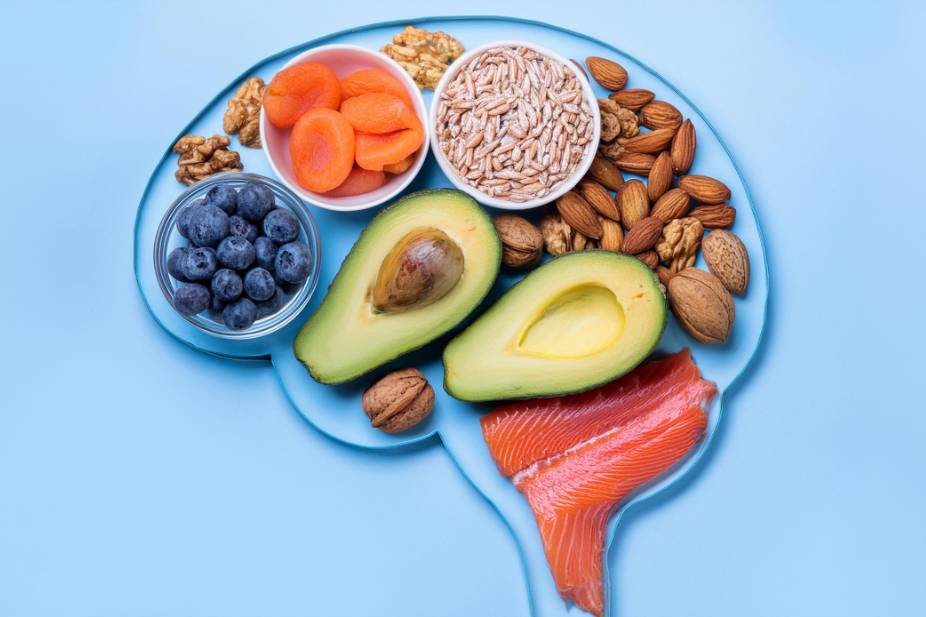

Cognitive Benefits of Curcumin
/in Nutrition/by Kaplan CenterThe daily consumption of curcumin, the active compound in turmeric, can have significant benefits on cognitive health.
According to the National Institutes of Health (NIH), more than 88 million Americans over the age of 65 will be diagnosed with neurodegenerative disease by 2050. The progression of neurodegeneration has been associated with the imbalance between the level of antioxidants and the increased oxidative damage by free radicals to proteins, DNA, and lipids.
Curcumin is a chemical compound found in plants, with anti-bacterial, anti-inflammatory, anti-proliferative, and antioxidant properties. Research has seen an astounding success proving the benefits of curcumin as an antioxidant and anti-inflammatory, with over 7000 articles published in the last two decades. Its neuroprotective properties help prevent free radical damage and calms the inflammatory process at the root of many chronic diseases. Studies have shown it to be effective against many gastrointestinal diseases and metabolic diseases such as diabetes and obesity, certain cancers, cardiovascular disease, and neurodegenerative diseases such as Alzheimer’s. In fact, curcumin has long been suspected to be the reason behind the low rates of Alzheimer’s disease in India, where turmeric spice is widely and frequently used in curry meal preparation.
However, curcumin is unique in that it is not easily absorbed by the body on its own. In order to increase its bioavailability, it must be paired with other compounds, one such example is piperine, a compound found in black pepper.
But for those who don’t have a taste for this beautiful golden spice, supplementation can be key. Research on the supplement Theracurmin* a bioavailable (more easily absorbed by the body) form of curcumin, has shown it contains significantly higher plasma concentration of curcumin than other leading brands of supplements. Clinical studies have also shown it to have benefits in osteoarthritis, muscle fatigue after exercise, and clearing alcohol metabolites. There are on-going clinical trials investigating the effects of Theracurmin on other inflammatory diseases.
A 2019 study on curcumin, led by Dr. Gary Small, director of geriatric psychiatry at UCLA’s Longevity Center, was conducted over an 18 month period and included 40 adults that ranged in age from 51 to 84. Twenty-one randomly selected participants were given twice daily doses of Theracurmin, and the remaining 19 participants were given a placebo. Cognitive assessments were taken every 6 months and curcumin levels were measured at both the start and end of the study. In addition, 30 participants (15 placebo & 15 curcumin) underwent PET scans to measure levels of the proteins amyloid and tau in their brains both at the start of the study and after 18 months. These two proteins are targeted because of their association with neurodegenerative disorders; when accumulated in the brain, they are thought to contribute to the breakdown of neurons which can potentially lead to symptoms of Alzheimer’s disease.
At the end of the study, researchers concluded that the daily intake of Theracurmin resulted in “improved memory performance and attention in non-demented adults.” Based on the PET findings, the study further concluded that “behavioral and cognitive benefits are associated with decreases in plaque and tangle accumulation in brain regions modulating mood and memory.”
While this study was quite small, the results are indeed promising and warrant continued research. Supplementation with a bioavailable form of curcumin, like Theracurmin, shows tremendous potential as a preventative measure against age-related cognitive decline. Furthermore, the effect curcumin has on decreasing existing amyloid plaque and tau accumulation in the brain shows that it may play a significant role in delaying the onset of other neurodegenerative diseases such as Alzheimer’s dementia.
As research continues to reveal turmeric’s bounty of health benefits, including its ability to limit and possibly reverse the damage of inflammation in the brain, it is becoming more and more evident why it is widely referred to as a miracle spice!
Before taking any supplement consult with your physician to discuss any potential side effects.
We are here for you, and we want to help.
Our goal is to return you to optimal health as soon as possible. To schedule an appointment please call: 703-532-4892 x2
References:
https://www.sciencedirect.com/science/article/pii/S1064748117305110?via%3Dihub
https://www.ninds.nih.gov/health-information/disorders/dementias
https://link.springer.com/chapter/10.1007/978-3-030-56153-6_18
https://pubmed.ncbi.nlm.nih.gov/36367124/
https://ajcn.nutrition.org/article/S0002-9165(23)46260-0/fulltext
https://www.ncbi.nlm.nih.gov/pmc/articles/PMC8833931/
https://www.ncbi.nlm.nih.gov/pmc/articles/PMC6835707/
https://www.alzheimersorganization.org/turmeric-curcumin-and-alzheimers
https://pubmed.ncbi.nlm.nih.gov/36720711/
https://www.ncbi.nlm.nih.gov/pmc/articles/PMC9097512/
https://www.ncbi.nlm.nih.gov/pubmed/29326901
This article was originally published in Feb 2018. It was reviewed and updated in November 2023.
Lifestyle Medicine and Chronic Disease
/in Lifestyle, Wellness/by Kaplan CenterChanging behavior is hard. Changing the way we think about a topic, an issue, or a pattern that we routinely engage in is hard. In fact, making change is so difficult that there’s an entire field of psychology dedicated to it. It’s the science of behavioral change and it looks at how we make change successfully and why.
Whether it’s the ability to start exercising, eating healthier foods, or just doing things to reduce stress levels, change takes effort. For example, study after study shows that after starting a new diet, most people will eventually regain the weight they lost. Experts think that as many as 80 to 95% of dieters gain back the weight they worked so hard to lose. Although that’s a bit disheartening, the point is that making meaningful and lasting change is a process and not a quick fix. This is true for many things, but it is especially true for lifestyle habits that impact our health. And this is where lifestyle medicine enters the picture.
What is Lifestyle medicine?
Lifestyle medicine is a field of medicine that uses behavioral change psychology to help tackle the rising levels of chronic disease. Chronic problems like heart disease, obesity, stroke, hypertension, cancer, and diabetes are among the most prevalent and costly health conditions in the United States. Consider that approximately 60% of all Americans suffer from at least one chronic disease; and this number is only increasing.
Lifestyle medicine can play an important role in the management of chronic disease because many of these conditions revolve around the same lifestyle issues – exercise, healthy eating, restful sleep, ideal body weight and reducing the esposure of harmful substances. Furthermore, promoting healthier habits and reducing stress can serve as an important tool for lowering inflammation and mitigating pain and depression – components of many chronic diseases. We know from research that engaging in certain positive lifestyle changes early on can dramatically lower the risk of developing these illnesses in the first place.
Lifestyle medicine focuses on these key aspects of health:
Physical activity
Study after study shows that regular and consistent physical activity is one of the best ways to improve mood, health, and longevity.
Stress
Periods of stress that come and go are natural but if stress becomes a constant part of an individual’s life, it can have negative impact on health. Ongoing stress can affect heart health, digestion, mental wellbeing (mood, focus), and physical health.
Nutrition
Research has highlighted the benefits of a healthy and nutrient-rich diet in lowering inflammation and reducing the risk of heart disease, high blood pressure and other medical conditions. The role of good nutrition in overall wellbeing cannot be understated.
Restorative sleep
Good sleeping patterns and habits can help bolster the immune system, remove waste products from the brain, improve focus and physical energy, and help lower the risk of stroke, obesity, heart disease and high blood pressure.
Mental health
Human beings are social creatures and meaningful social connections make up a large part of one’s mental and spiritual well-being. Research has shown that individuals who have stronger social connections are more resilient and less likely to develop cognitive impairment.
Lifestyle medicine attempts to address all of these areas. It does not mean that all of these items need to be fixed in a jiffy; it just means that the importance of these factors and their role in good health should be recognized. If there is a particular area where changes can be made to improve your health, then a discussion should be had with your provider.
Where do you begin?
The first step is being open to change; self-motivation is key. You should educate yourself and be open to understand the benefits of the change you want to make to keep you motivated and focused on your goals. Can you foresee some challenges? Try o identify any barriers that are keeping you from moving forward and be prepared to deal with setbacks because they will happen. Be forgiving and keep moving forward.
For many, having an accountability partner or being a part of a structured program that considers the key aspects listed above can be the difference between success and failure. Lifestyle program teams are trained and experienced in these challenges and are supportive to those who are ready to embrace these changes.
Lifestyle medicine is relatively new as a field of practice and its principals are very similar to those of functional medicine (functional medicine also investigates and treats the root cause of disease and dysfunction). It sheds light on the importance of the day-to-day activities that we undertake, how they impact us, and why small changes can make a huge difference. Although change is hard, it is possible, and lifestyle medicine speaks to the tools and resources that we can use to help bring those positive changes about.
We are here for you, and we want to help.
Our goal is to return you to optimal health as soon as possible. To schedule an appointment please call: 703-532-4892 x2
References
https://www.acpm.org/initiatives/lifestyle-medicine/
https://www.ncbi.nlm.nih.gov/pmc/articles/PMC5876976/
https://health.clevelandclinic.org/why-people-diet-lose-weight-and-gain-it-all-back/
https://www.cdc.gov/chronicdisease/index.htm
https://pubmed.ncbi.nlm.nih.gov/21056174/
https://www.hopkinsmedicine.org/health/wellness-and-prevention/the-science-of-sleep-understanding-what-happens-when-you-sleep
https://www.ncbi.nlm.nih.gov/pmc/articles/PMC9985951/
Pelvic Floor Dysfunction: 6 Myths Busted!
/in Conditions, Women's Health/by Jeanne Scheele, PTPelvic Floor Dysfunction (PFD) is a highly personal topic, so it is rarely discussed among family, friends, and sometimes even doctors, leaving many individuals to suffer in silence. Consequently, there are common misconceptions surrounding the condition – which we’re here to “bust!”
MYTH 1: PFD cannot be treated.
FACT: PFD most definitely CAN be treated. The muscles of the pelvic floor are just that — muscles. As with any muscle, there are strengthening exercises and ways to reeducate the muscles so that that they regain strength and functionality. In some cases surgery is necessary, but usually, there are non-invasive treatments that can help you reclaim control of your bodily functions and your life. Treatments include a combination of physical therapy, relaxation techniques, and sometimes hormones.
Note: For physical therapy, you’ll want to work with a pelvic rehabilitation specialist. Pelvic rehab specialists are highly trained and equipped to evaluate problems related to urination, defecation, sexual dysfunction, pelvic pain and prenatal/postpartum issues and can provide you with a wide range of tools to find long term success.
MYTH 2: Pelvic floor dysfunction is always associated with pelvic pain.
FACT: Pelvic Floor Dysfunction (PFD) is an umbrella term, encompassing problems with pelvic floor muscles, ligaments, and connective tissue that support the pelvic organs. Sometimes, but not always, PFD is associated with pelvic pain. The pelvic organs include the rectum and bladder, and in women, the uterus and vagina. With PFD, the pelvic muscles may be tight, damaged or weak, which can lead to a lack of bladder and bowel control (urinary or fecal incontinence). In women, “pelvic-organ prolapse” can occur, a condition where the pelvic organs drop, causing a bulge in the vaginal canal, which can lead to incontinence or pain during intercourse.
MYTH 3 – Incontinence, a typical symptom of Pelvic Floor Dysfunction (PFD), is rare.
FACT: These disorders are actually quite common. In fact, according to a 2021 study published in the Journal of Urology, which analyzed data from 15,003 women over the age of 20 and who participated in the 2005–2016 National Health and Nutrition Examination Survey, found that the prevalence of any type of urinary incontinence was 53%!
Another study published in 2022 in Female Pelvic Medicine & Reconstructive Surgery, looked at the data of 5,006 women and found that approximately 60% had urinary incontinence (31.3% mixed UI, 37.5% stress UI, and 22% urgency UI, and 9.2% unspecified) and 32.4% experiencing symptoms at least monthly.
Questions? Give Us a Call!
703-532-4892 x2
There are few studies that have investigated pelvic floor dysfunction in men, however, according to the National Library of Medicine (NLM), urinary incontinence affects between 11% to 34% of older men.
Unfortunately, women and men both suffer from incontinence for years before finally seeking treatment. Obviously, many people are living with chronic symptoms that undermine their day-to-day quality of life — a fact made more tragic because help is readily available.
MYTH 4: Incontinence is a normal part of aging.
FACT: Although age is a contributing factor in pelvic floor dysfunction, the truth is that incontinence is NOT a normal OR an inevitable part of growing older. In fact, there are many factors that can contribute to the onset of incontinence, including a poor diet, years of being sedentary, hormonal changes, and being overweight. In women, pregnancy and childbirth also can increase the risk.
MYTH 5: PFD is strictly a woman’s disorder.
FACT: Although it is true that women are more often diagnosed with pelvic floor dysfunction, it does occur in men too. Men can experience urinary or fecal incontinence due to weak pelvic floor muscles, just as women do. And like women, men also can exhibit coccydynia — pain in the tailbone — if their pelvic floor muscles are too tight.
MYTH 6: Your medical provider will be embarrassed if you bring up any issues you be experiencing with incontinence, pelvic pain, or sexual dysfunction.
FACT: This is the silliest myth of all!! Your physicians and physical therapists have heard and seen it all. They deal with these issues often. Your provider will ask questions to help you describe your symptoms and will be happy to answer any questions you may about the issues that may be contributing to your particular set of symptoms.
Remember, your medical providers are there to help you. If you are experiencing urinary or fecal incontinence, pelvic or tailbone pain/pressure, we urge you to talk to your physician. At the Kaplan Center, we assess possible musculoskeletal and postural problems, as well as hormonal or dietary issues that may be contributing to symptoms. When appropriate, we also use biofeedback to help assess the health of the pelvic floor muscles. A typical course of treatment is likely to include physical therapy and may include modification to posture, diet, and physical exercise routines.
Now that we’ve busted the myths about pelvic floor dysfunction, it’s up to you. If you would like to make an appointment to discuss your specific situation, please give us a call today – 703-532-4892 – and get on the path toward resolution.
We are here for you, and we want to help.
Our goal is to return you to optimal health as soon as possible. To schedule an appointment please call: 703-532-4892 x2
Part I: Understanding the Urogenital System, Bladder Control: Urinary Urgency & Frequency
Physical therapist and pelvic rehab specialist, Jeanne Scheele, explained the urological system (UG system) and the factors that influence bladder urgency & frequency, stress incontinence, and normal/abnormal behaviors of the UG system. Jeanne also discussed several ways to manage symptoms in order to regain control and lessen the stress and anxiety that incontinence issues cause for so many women.
This article was originally published in June 2016. It was reviewed and updated in October 2023.