In one form or another, it appears that COVID-19 is here to stay. That’s the conclusion that most experts have reached as we surpass the second year since COVID-19 was first discovered. For this reason, it’s important to understand the full impact of contracting COVID-19, including long-COVID syndrome.
What is long-COVID syndrome and what are the symptoms?
Long-COVID syndrome is a wide range of new or persisting symptoms that COVID-19 sufferers experience weeks or months after they were first infected with the virus. Each individual may have a number of different symptoms that can affect various parts of the body. These include:
Tiredness or fatigue
Ongoing cough
Loss of smell or taste
Digestive problems such as diarrhea
Difficulty thinking or concentrating (sometimes referred to as “brain fog”)
The fatigue of long-COVID syndrome is one of the most common long-COVID syndrome symptoms and can be particularly difficult to manage. Often described as a lack of energy or motivation, fatigue can have a profound impact on one’s life and may result in:
An inability to carry out normal daily tasks including going to work, school or self-care activities
Chronic tiredness or sleepiness
Poor concentration and brain fog
Not feeling resting after sleeping through the night
At times, fatigue can be dismissed as a minor problem when in fact it can affect our physical, emotional and psychological wellbeing. If your fatigue still hasn’t resolved 6 weeks after the acute infection has resolved, this may be fatigue that is related to long-COVID syndrome.
Millions of Americans find themselves in this position right now, dealing with long-COVID symptoms that simply aren’t going away. We know that long-COVID syndrome appears to be a multisystem disease, meaning the gastrointestinal system, nerves, heart and/or lungs may be impacted. It also means that everyone will have a slightly different experience with long-COVID syndrome.
If you suspect that you have long-COVID syndrome, the next thing to do is speak to a medical professional that can help with your specific case.
At the Kaplan Center, our goal is to treat long-COVID syndrome by taking a holistic, whole-body approach. This may involve one or more of the following options:
Medications – Dr. Bruce Patterson Protocol for treatment of post-COVID
Nutrition – Dietary changes to improve your gut function
Replacement of minerals vitamins
Psychotherapy, EMDR & Guided Meditation
Sleep Evaluation & Management
Acupuncture
Any treatment options suggested will be tailored to your specific case. It will depend on your own set of symptoms; medical history and your own COVID-19 journey (ie. whether it required hospitalization or if you had mild symptoms). We’ll also take into account your personal preference before jointly coming up with options that best suit your needs.
Can vaccines, monoclonal antibodies and antiviral agents help with long-COVID syndrome?
While vaccines, monoclonal antibodies and antiviral agents have an important role to play in lowering the risk of serious infection with COVID-19, there is no definitive evidence that they can prevent or cure long-COVID syndrome. Right now, evidence suggests that vaccines and monoclonal antibodies are very effective at stopping severe infection with COVID-19. For that reason, vaccination and booster shots are highly recommended. However, these interventions are not known to treat or halt long-COVID syndrome.
Long-COVID syndrome is a complex condition that usually requires the use of multiple treatment options. By working closely with our patients, listening to your concerns, we come up with a management plan that is tailored to your needs and circumstances.
Long-COVID Recovery Services
If you are experiencing symptoms beyond six weeks of being diagnosed with COVID-19, learn more about our Long-COVID Recovery Services to regain your strength, energy, and vitality. Click here for more information.
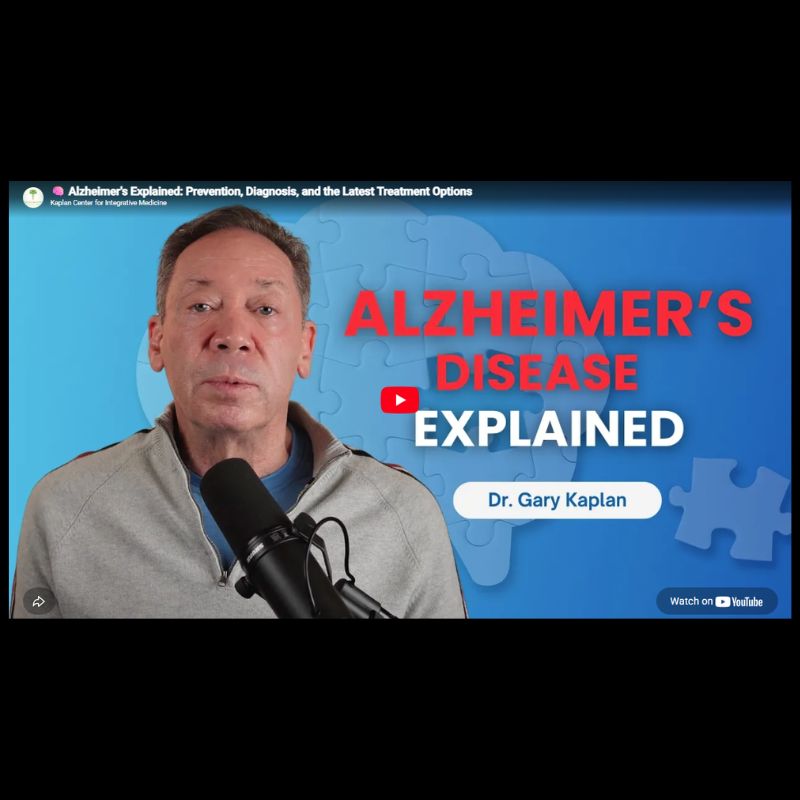
As a guest on Open-Minded Healing Dr. Kaplan talked to host Marla Miller about the importance of using multidisciplinary and alternative medicine strategies to address chronic illness.
Show notes –
The failing of what is going on in medicine today
Working with patients on all levels, which includes addressing emotional trauma
Specific examples of people who were misdiagnosed, and how Dr. Kaplan was able to get to the root cause of their illness
POTS and Ehlers-Danlos Syndrome
Focusing on the whole picture, not just symptoms
A look into the integrative model Dr. Kaplan’s office employs
Dr. Kaplan’s future research project that may help those in the juvenile system heal
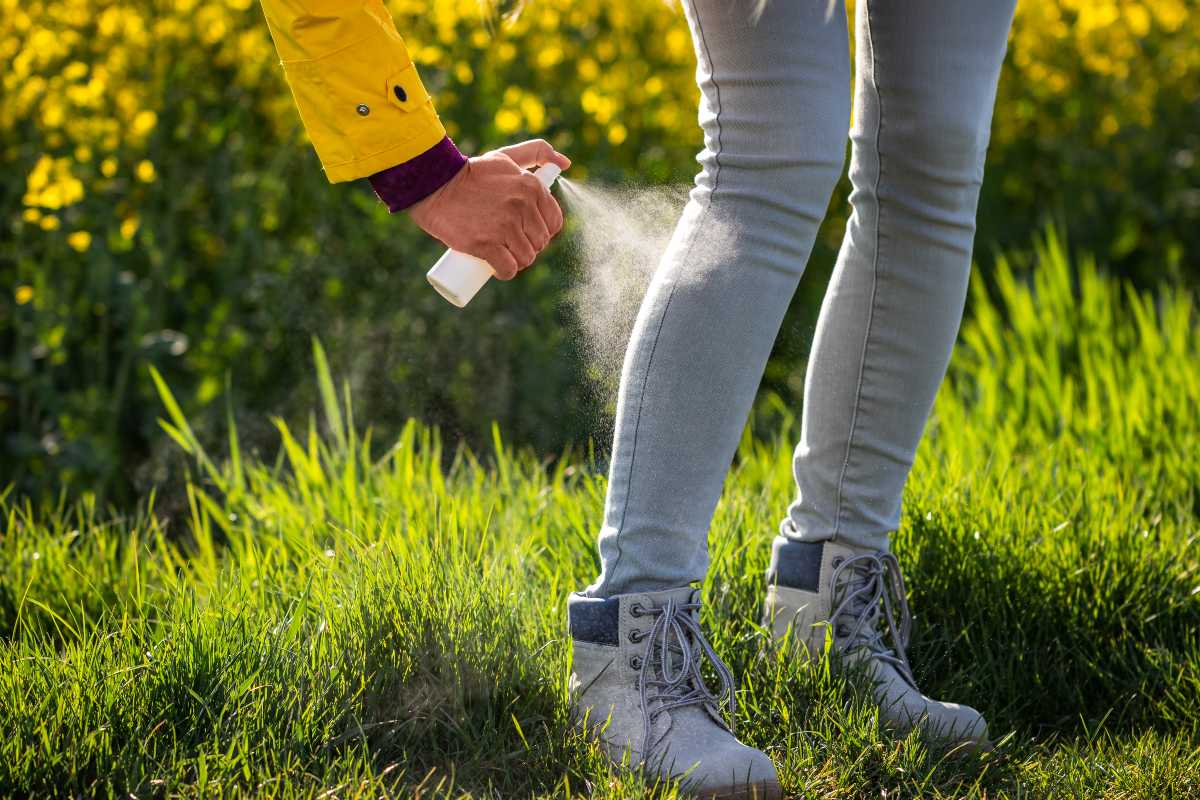
Warm weather means flowers, gardens, and outdoor activities for most people but for those suffering from allergic rhinitis or “hay fever”, it means familiar but unwelcome symptoms. One in five people in the United States has some type of allergy whether they are environmental allergies such as trees, grass, or pollen, or indoor allergies like dust, animal dander, and molds.
The Lung System
In Chinese medicine, the lung includes the organ along with its corresponding energetic system. The lung is responsible for respiration, dispersing energy from the breath throughout the body, and protecting the body through the immune system. Allergies are considered a weakness of the lung system resulting in symptoms of the nose and throat, which are considered an extension of the lung. This is the same mechanism that can leave people vulnerable to colds and flus, including COVID-19. Just as in Western medicine, the defense against pathogens is in a hyper-alert state causing an immune response to a substance that is usually not harmful. By strengthening the lung, acupuncture and Chinese herbal medicine can modulate the immune system affecting or normalizing the response to such triggers and offering better protection against pathogens.
Making a Diagnosis
Diagnosis in Chinese medicine is based on a collection of signs and symptoms from multiple systems throughout the body. The respiratory system is just one place where we might find these clues to determine the unique pattern. If you see an acupuncturist, they will ask a series of questions to identify the diagnosis. In addition to the classic allergy symptoms, it’s important to know what else is happening in the body. Symptoms such as fatigue, frequent sweating, digestive problems, food allergies, and even emotions can be important in making a diagnosis. By viewing the body in a holistic way, the root of the problem can be addressed without simply focusing on the individual symptoms.
Treatment
For allergies, a typical acupuncture treatment will strengthen the lung through the lung meridian with acupuncture points located on the wrist and chest. Acupuncture points over the sinuses can reduce secretions and drain congestion. Chinese herbal medicine is very useful to reduce inflammation, decrease sinus congestion, and address deficiencies in the immune system. Each individual is different, and herbal formulas and acupuncture treatments are customized for each person.
Acupressure, which targets the same acupoints as acupuncture, can also be an effective remedy for relieving sinus pressure. For some simple DIY acupressure techniques, see Rebecca’s video below!
Research Studies:
Within the last decade randomized controlled studies have concluded that acupuncture helps with allergy symptoms compared to control groups. Early reviews of clinical research showed insufficient evidence for acupuncture’s effect on allergic rhinitis, mostly due to poor studies. While the exact mechanism is unclear, acupuncture is known to have anti-inflammatory effects. It can decrease histamine production, downregulate pro-inflammatory cytokines, neuropeptides, and neutrophins.
In sum, if allergy symptoms are not relieved using conventional medicines, acupuncture and Chinese herbs may be a good alternative or adjunct treatment.
We are here for you, and we want to help.
Our goal is to return you to optimal health as soon as possible. To schedule an appointment please call: 703-532-4892 x2







Having Symptoms After COVID?
/in COVID-19, Long Covid/by Kaplan CenterIn one form or another, it appears that COVID-19 is here to stay. That’s the conclusion that most experts have reached as we surpass the second year since COVID-19 was first discovered. For this reason, it’s important to understand the full impact of contracting COVID-19, including long-COVID syndrome.
What is long-COVID syndrome and what are the symptoms?
Long-COVID syndrome is a wide range of new or persisting symptoms that COVID-19 sufferers experience weeks or months after they were first infected with the virus. Each individual may have a number of different symptoms that can affect various parts of the body. These include:
Fatigue and long-COVID syndrome
The fatigue of long-COVID syndrome is one of the most common long-COVID syndrome symptoms and can be particularly difficult to manage. Often described as a lack of energy or motivation, fatigue can have a profound impact on one’s life and may result in:
At times, fatigue can be dismissed as a minor problem when in fact it can affect our physical, emotional and psychological wellbeing. If your fatigue still hasn’t resolved 6 weeks after the acute infection has resolved, this may be fatigue that is related to long-COVID syndrome.
What to do if you’re still having long-COVID symptoms
Millions of Americans find themselves in this position right now, dealing with long-COVID symptoms that simply aren’t going away. We know that long-COVID syndrome appears to be a multisystem disease, meaning the gastrointestinal system, nerves, heart and/or lungs may be impacted. It also means that everyone will have a slightly different experience with long-COVID syndrome.
If you suspect that you have long-COVID syndrome, the next thing to do is speak to a medical professional that can help with your specific case.
Treating long-COVID symptoms
At the Kaplan Center, our goal is to treat long-COVID syndrome by taking a holistic, whole-body approach. This may involve one or more of the following options:
Any treatment options suggested will be tailored to your specific case. It will depend on your own set of symptoms; medical history and your own COVID-19 journey (ie. whether it required hospitalization or if you had mild symptoms). We’ll also take into account your personal preference before jointly coming up with options that best suit your needs.
Can vaccines, monoclonal antibodies and antiviral agents help with long-COVID syndrome?
While vaccines, monoclonal antibodies and antiviral agents have an important role to play in lowering the risk of serious infection with COVID-19, there is no definitive evidence that they can prevent or cure long-COVID syndrome. Right now, evidence suggests that vaccines and monoclonal antibodies are very effective at stopping severe infection with COVID-19. For that reason, vaccination and booster shots are highly recommended. However, these interventions are not known to treat or halt long-COVID syndrome.
Long-COVID syndrome is a complex condition that usually requires the use of multiple treatment options. By working closely with our patients, listening to your concerns, we come up with a management plan that is tailored to your needs and circumstances.
Long-COVID Recovery Services
If you are experiencing symptoms beyond six weeks of being diagnosed with COVID-19, learn more about our Long-COVID Recovery Services to regain your strength, energy, and vitality. Click here for more information.
LISTEN NOW: Dr. Gary Kaplan on Open-Minded Healing Podcast
/in Wellness/by Gary Kaplan, DOAs a guest on Open-Minded Healing Dr. Kaplan talked to host Marla Miller about the importance of using multidisciplinary and alternative medicine strategies to address chronic illness.
Show notes –
Why You Are Still Sick: How Infections Can Break Your Immune System & How You Can Recover
by Dr. Gary Kaplan & Donna Beech
Paperback: $14.95
Kindle: $9.99
Publication date: May 10, 2022
Language : English
Paperback : 368 pages
Dimensions : 5.5 x 0.83 x 8.5 inches
Acupuncture for Allergies
/in Long Covid, Treatments/by Rebecca Berkson, L.Ac, Dipl.OMWarm weather means flowers, gardens, and outdoor activities for most people but for those suffering from allergic rhinitis or “hay fever”, it means familiar but unwelcome symptoms. One in five people in the United States has some type of allergy whether they are environmental allergies such as trees, grass, or pollen, or indoor allergies like dust, animal dander, and molds.
The Lung System
In Chinese medicine, the lung includes the organ along with its corresponding energetic system. The lung is responsible for respiration, dispersing energy from the breath throughout the body, and protecting the body through the immune system. Allergies are considered a weakness of the lung system resulting in symptoms of the nose and throat, which are considered an extension of the lung. This is the same mechanism that can leave people vulnerable to colds and flus, including COVID-19. Just as in Western medicine, the defense against pathogens is in a hyper-alert state causing an immune response to a substance that is usually not harmful. By strengthening the lung, acupuncture and Chinese herbal medicine can modulate the immune system affecting or normalizing the response to such triggers and offering better protection against pathogens.
Making a Diagnosis
Diagnosis in Chinese medicine is based on a collection of signs and symptoms from multiple systems throughout the body. The respiratory system is just one place where we might find these clues to determine the unique pattern. If you see an acupuncturist, they will ask a series of questions to identify the diagnosis. In addition to the classic allergy symptoms, it’s important to know what else is happening in the body. Symptoms such as fatigue, frequent sweating, digestive problems, food allergies, and even emotions can be important in making a diagnosis. By viewing the body in a holistic way, the root of the problem can be addressed without simply focusing on the individual symptoms.
Treatment
For allergies, a typical acupuncture treatment will strengthen the lung through the lung meridian with acupuncture points located on the wrist and chest. Acupuncture points over the sinuses can reduce secretions and drain congestion. Chinese herbal medicine is very useful to reduce inflammation, decrease sinus congestion, and address deficiencies in the immune system. Each individual is different, and herbal formulas and acupuncture treatments are customized for each person.
Acupressure, which targets the same acupoints as acupuncture, can also be an effective remedy for relieving sinus pressure. For some simple DIY acupressure techniques, see Rebecca’s video below!
Research Studies:
Within the last decade randomized controlled studies have concluded that acupuncture helps with allergy symptoms compared to control groups. Early reviews of clinical research showed insufficient evidence for acupuncture’s effect on allergic rhinitis, mostly due to poor studies. While the exact mechanism is unclear, acupuncture is known to have anti-inflammatory effects. It can decrease histamine production, downregulate pro-inflammatory cytokines, neuropeptides, and neutrophins.
In sum, if allergy symptoms are not relieved using conventional medicines, acupuncture and Chinese herbs may be a good alternative or adjunct treatment.
We are here for you, and we want to help.
Our goal is to return you to optimal health as soon as possible. To schedule an appointment please call: 703-532-4892 x2