Do you suffer from recurrent sinus or tension headaches and wonder if they are migraines? Do your headaches result in one or more of the following symptoms?
Migraines are a total body experience. They start as a wave of depressed brain activity and end with dilation of the blood vessels in the meninges and pain signals from the brain stem. But there is a threshold that is reached before this process begins.
In this video series, Dr. Lisa Lilienfield will explain how these headaches could be related to and part of a process in the brain leading to the “perfect storm” that we call migraine. Dr. Lisa will explore the multiple triggers, and modes of prevention and treatment including medications, supplements, diet, and lifestyle changes that will keep us from crossing that threshold. She will also explore other treatable conditions that may contribute to migraines, such as mold or heavy metal toxicity, Lyme disease, temporomandibular joint syndrome, nutritional deficiencies, hormonal imbalances, and nerve irritation from injury or arthritis of the neck.
We don’t know why migraines occur, which makes it a mystery, but knowledge is power. Watch as Dr. Lilienfield discusses how to avoid this “perfect storm.
Part 1: Defining the Migraine: Symptoms, Triggers & Stages
Part 2: Prevention and Treatment
We are here for you, and we want to help.
Our goal is to return you to optimal health as soon as possible. To schedule an appointment please call: 703-532-4892 x2
By Julia Westbrook Article reprinted from www.RodaleNews.com
You don’t have to live with the pain anymore. Here are 4 natural solutions for common painful problems for women.
Men may have a reputation for sucking it up and soldiering on, but it’s women who are the ones suffering in silence from chronic pain, according to a research review by the American Society of Anesthesiologists (ASA). To add insult to already-painful injury, the study revealed that most of this pain is unnecessary and treatment is often ineffective or, worse, harmful.
“I can’t tell you the number of women I see who have been told they just have to live with the pain,” said Donna-Ann Thomas, MD, a member of the ASA’s committee on pain medicine. “It’s just heartbreaking because many of these women have been suffering a long time. Women, especially older women, are less likely to speak up and seek treatment for their pain.”
And when women do report pain, the medical solutions can do more damage than the original cause. For instance, the researchers found that 1 in 7 expecting mothers were prescribed opioids for pregnancy pains—a practice that is unhealthy for both the mom and baby.
Even seemingly safe over-the-counter painkillers often harbor unpleasant side effects. “People take nonsteroidal anti-inflammatory drugs (NSAIDs) like breath mints and think nothing of it,” says Gary Kaplan, DO, author of Total Recovery: Solving the Mystery of Chronic Pain and Depression. “In fact, there are more than 32,000 hospitalizations each year as a result of complications from taking NSAIDs and more than 3,200 deaths a year. These are not benign drugs.”
Instead of ignoring the pain or reaching for painkillers, try these natural solutions for women’s common aches and pains:
#1. Fix magnesium deficiencies. “Because of the blood loss during their menstrual cycles, women are more prone to magnesium deficiencies than men,” says Dr. Kaplan, and deficiency can lead to a whole host of painful issues, from migraines to muscle pain. He recommends adding foods high in magnesium to your diet. Indulge in leafy greens, dried apricots, avocados, almonds, cashews, and bananas, as well as other magnesium-rich foods.
#2. Opt for a rose oil massage for cramps. Rose oil doesn’t just smell nice; it can also ease menstrual pain. Research has found that rubbing rose oil on your abdomen relieves menstrual pain, whereas using unscented almond oil was found to be ineffective.
#3. Say “om” to eradicate back pain. It sounds counter-intuitive: Twist and bend your spine to reduce pain? Research says yes. In a 12-week yoga program, those who completed the program had less back pain, while those who didn’t do any yoga said their back pain worsened.
#4. Bring your playlist into the delivery room. Welcome your baby into the world with a fanfare of music. A study of 156 women found that those who listened to music during labor reported less pain and anxiety during labor and needed less pain relief afterward.
Published on www.RodaleNews.com on January 21, 2015
In 2015, several well-known chains – Wal-Mart, Walgreens, Target & GNC – were served cease & desist notifications by the New York State Attorney General’s Office to stop selling their store brand supplements. This followed an investigation that found, not only did they contain several ingredients not identified on their labels as an ingredient, in many cases the herbal supplement itself was not actually present.
The case brought to light some of the major problems in the supplement industry a decade ago, ranging from baseless claims to fraudulent manufacturing and marketing. Unfortunately, these issues still persist today and as the supplement industry continues to grow, so does the potential of harm to unsuspecting individuals. How did we get to this point, and more importantly, what can we do about it?
Many people assume that the US Food and Drug Administration regulates the manufacture and marketing of dietary supplements to the same extent as prescription and over-the-counter medications, but the reality is that it doesn’t. In 1994, the Dietary Supplement Health and Education Act (DSHEA) became law, effectively taking the FDA out of the process of approving and monitoring dietary supplements. Consequently, the manufacturer alone is responsible for ensuring that its supplements are safe, effective, and free of impurities and contaminants. Furthermore, the manufacturer is solely responsible for ensuring that its products’ information labels are “truthful and not misleading.”
Since 2007, supplement manufacturers have been legally required to promptly report any serious injuries or illnesses related to the use of their products. When the FDA is notified that someone has suffered an adverse reaction from taking a supplement, the agency is responsible for investigating the report. The FDA is also obligated to notify consumers about any safety issues they discover.
In contrast, US drug manufacturers are required to make a full report on all adverse events to the FDA, and for an event that is regarded as both serious and unexpected, the report must be made “as soon as possible, but not later than 15 days after” it becomes known.
So where does this leave you, the consumer? Frankly, it can be difficult to determine if a product is going to be safe and effective for you.
Before taking any dietary supplement, consider the following.
1. How can I know if a supplement will be safe and effective for me?
Buy from a trusted source. At the Kaplan Center, we carry pharmaceutical-grade supplements that our physicians have found to be safe and effective after reviewing independent research. We make sure that the supplements we offer are “as labeled,” ie. 5,000 iu of Vitamin D3 on the label ensures that 5,000 iu of D3 is present in each pill in the entire bottle. In addition to reviewing the independent product research, our physicians closely observe how patients respond to products, ensuring that supplements safely complement the other medications and treatments the patient is taking. The majority of supplements we offer at Kaplan Center also do not contain common allergens such as gluten and soy. Our medical staff understands the potential for adverse reactions and are happy to answer questions about the effectiveness and potential side effects of any supplement being considered.
Once you establish a trusted supplier, make sure to read the label on the product packaging. Ask your physician for advice, and use the internet to find any scientific research that may have been conducted on the product. The National Center for Complementary and Integrative Health (NCCIH) and the National Institutes of Health (NIH) Office of Dietary Supplements (ODS) offer free information about supplements on their websites. If you decide to take a supplement, follow the dosing directions on the package or the modified dose recommended by your own doctor.
2. I take some prescription medications; will taking a dietary supplement cause an adverse reaction?
It could, so you should check with your physician before taking any dietary supplement. Also, before starting any new medication (prescription or over-the-counter), tell your doctor about the dietary supplements you are taking. Supplements can interfere with the proper metabolization of medication, and visa-versa.
3. Is it possible that the nutritional deficiency I am seeking to address by taking supplements is a symptom of an underlying medical problem that needs to be diagnosed and treated?
Yes! If you have a nutritional deficiency combined with chronic pain, fatigue or depression, you may have an underlying medical disorder. Make sure to talk with a physician who has successfully treated nutritional deficiencies caused by food intolerances or allergies such as leaky gut syndrome, or autoimmune diseases such as celiac disease, as these can interfere with your body’s ability to absorb vital nutrients. If an undiagnosed medical problem is causing a nutritional deficiency, it should be addressed prior to, or in conjunction with, taking supplements.
Take control of your health. This includes having a discussion with your physician about any supplements you are taking or considering taking. Don’t be tempted by marketing strategies and fancy labeling in an industry where the manufacturers supervise themselves. As a consumer, you should consider product research, lab testing, and safety records when making your buying decisions.
Our physicians have years of experience prescribing herbal remedies and nutritional supplements and will ensure that you are directed to only the highest quality products available in today’s market.
Once restricted to just our patients, in 2021 we opened The Kaplan Center Store to the public. Now, anyone looking to buy high-quality supplements can access our store. Our providers have taken the time to vet every manufacturer we carry and can attest to the fact that they provide a quality product that’s been thoroughly tested and contains the ingredients it claims to contain.





















The Mystery of Migraines, 2-Part Video Series
/in Conditions, Treatments/by Kaplan CenterDo you suffer from recurrent sinus or tension headaches and wonder if they are migraines? Do your headaches result in one or more of the following symptoms?
Migraines are a total body experience. They start as a wave of depressed brain activity and end with dilation of the blood vessels in the meninges and pain signals from the brain stem. But there is a threshold that is reached before this process begins.
In this video series, Dr. Lisa Lilienfield will explain how these headaches could be related to and part of a process in the brain leading to the “perfect storm” that we call migraine. Dr. Lisa will explore the multiple triggers, and modes of prevention and treatment including medications, supplements, diet, and lifestyle changes that will keep us from crossing that threshold. She will also explore other treatable conditions that may contribute to migraines, such as mold or heavy metal toxicity, Lyme disease, temporomandibular joint syndrome, nutritional deficiencies, hormonal imbalances, and nerve irritation from injury or arthritis of the neck.
Questions? Give Us a Call!
703-532-4892 x2
We don’t know why migraines occur, which makes it a mystery, but knowledge is power. Watch as Dr. Lilienfield discusses how to avoid this “perfect storm.
Part 1: Defining the Migraine: Symptoms, Triggers & Stages
Part 2: Prevention and Treatment
We are here for you, and we want to help.
Our goal is to return you to optimal health as soon as possible. To schedule an appointment please call: 703-532-4892 x2
Natural Solutions For Women’s Common Aches & Pains
/in Women's Health/by Kaplan Center4 Ways Women Can Fight Chronic Pain
By Julia Westbrook
Article reprinted from www.RodaleNews.com
You don’t have to live with the pain anymore. Here are 4 natural solutions for common painful problems for women.
Men may have a reputation for sucking it up and soldiering on, but it’s women who are the ones suffering in silence from chronic pain, according to a research review by the American Society of Anesthesiologists (ASA). To add insult to already-painful injury, the study revealed that most of this pain is unnecessary and treatment is often ineffective or, worse, harmful.
“I can’t tell you the number of women I see who have been told they just have to live with the pain,” said Donna-Ann Thomas, MD, a member of the ASA’s committee on pain medicine. “It’s just heartbreaking because many of these women have been suffering a long time. Women, especially older women, are less likely to speak up and seek treatment for their pain.”
And when women do report pain, the medical solutions can do more damage than the original cause. For instance, the researchers found that 1 in 7 expecting mothers were prescribed opioids for pregnancy pains—a practice that is unhealthy for both the mom and baby.
Even seemingly safe over-the-counter painkillers often harbor unpleasant side effects. “People take nonsteroidal anti-inflammatory drugs (NSAIDs) like breath mints and think nothing of it,” says Gary Kaplan, DO, author of Total Recovery: Solving the Mystery of Chronic Pain and Depression. “In fact, there are more than 32,000 hospitalizations each year as a result of complications from taking NSAIDs and more than 3,200 deaths a year. These are not benign drugs.”
Instead of ignoring the pain or reaching for painkillers, try these natural solutions for women’s common aches and pains:
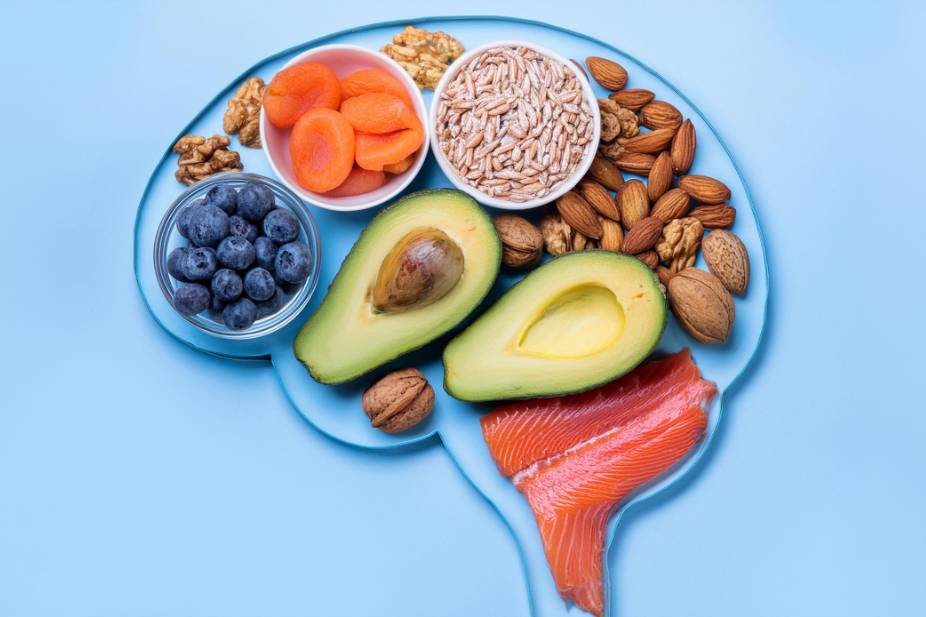
#1. Fix magnesium deficiencies. “Because of the blood loss during their menstrual cycles, women are more prone to magnesium deficiencies than men,” says Dr. Kaplan, and deficiency can lead to a whole host of painful issues, from migraines to muscle pain. He recommends adding foods high in magnesium to your diet. Indulge in leafy greens, dried apricots, avocados, almonds, cashews, and bananas, as well as other magnesium-rich foods.
#2. Opt for a rose oil massage for cramps. Rose oil doesn’t just smell nice; it can also ease menstrual pain. Research has found that rubbing rose oil on your abdomen relieves menstrual pain, whereas using unscented almond oil was found to be ineffective.
#3. Say “om” to eradicate back pain. It sounds counter-intuitive: Twist and bend your spine to reduce pain? Research says yes. In a 12-week yoga program, those who completed the program had less back pain, while those who didn’t do any yoga said their back pain worsened.
#4. Bring your playlist into the delivery room. Welcome your baby into the world with a fanfare of music. A study of 156 women found that those who listened to music during labor reported less pain and anxiety during labor and needed less pain relief afterward.
Published on www.RodaleNews.com on January 21, 2015
Do You Know What’s In Your Dietary Supplement?
/in Nutrition/by Gary Kaplan, DOIn 2015, several well-known chains – Wal-Mart, Walgreens, Target & GNC – were served cease & desist notifications by the New York State Attorney General’s Office to stop selling their store brand supplements. This followed an investigation that found, not only did they contain several ingredients not identified on their labels as an ingredient, in many cases the herbal supplement itself was not actually present.
The case brought to light some of the major problems in the supplement industry a decade ago, ranging from baseless claims to fraudulent manufacturing and marketing. Unfortunately, these issues still persist today and as the supplement industry continues to grow, so does the potential of harm to unsuspecting individuals. How did we get to this point, and more importantly, what can we do about it?
Many people assume that the US Food and Drug Administration regulates the manufacture and marketing of dietary supplements to the same extent as prescription and over-the-counter medications, but the reality is that it doesn’t. In 1994, the Dietary Supplement Health and Education Act (DSHEA) became law, effectively taking the FDA out of the process of approving and monitoring dietary supplements. Consequently, the manufacturer alone is responsible for ensuring that its supplements are safe, effective, and free of impurities and contaminants. Furthermore, the manufacturer is solely responsible for ensuring that its products’ information labels are “truthful and not misleading.”
Since 2007, supplement manufacturers have been legally required to promptly report any serious injuries or illnesses related to the use of their products. When the FDA is notified that someone has suffered an adverse reaction from taking a supplement, the agency is responsible for investigating the report. The FDA is also obligated to notify consumers about any safety issues they discover.
In contrast, US drug manufacturers are required to make a full report on all adverse events to the FDA, and for an event that is regarded as both serious and unexpected, the report must be made “as soon as possible, but not later than 15 days after” it becomes known.
So where does this leave you, the consumer? Frankly, it can be difficult to determine if a product is going to be safe and effective for you.
Before taking any dietary supplement, consider the following.
1. How can I know if a supplement will be safe and effective for me?
Buy from a trusted source. At the Kaplan Center, we carry pharmaceutical-grade supplements that our physicians have found to be safe and effective after reviewing independent research. We make sure that the supplements we offer are “as labeled,” ie. 5,000 iu of Vitamin D3 on the label ensures that 5,000 iu of D3 is present in each pill in the entire bottle. In addition to reviewing the independent product research, our physicians closely observe how patients respond to products, ensuring that supplements safely complement the other medications and treatments the patient is taking. The majority of supplements we offer at Kaplan Center also do not contain common allergens such as gluten and soy. Our medical staff understands the potential for adverse reactions and are happy to answer questions about the effectiveness and potential side effects of any supplement being considered.
Once you establish a trusted supplier, make sure to read the label on the product packaging. Ask your physician for advice, and use the internet to find any scientific research that may have been conducted on the product. The National Center for Complementary and Integrative Health (NCCIH) and the National Institutes of Health (NIH) Office of Dietary Supplements (ODS) offer free information about supplements on their websites. If you decide to take a supplement, follow the dosing directions on the package or the modified dose recommended by your own doctor.
2. I take some prescription medications; will taking a dietary supplement cause an adverse reaction?
It could, so you should check with your physician before taking any dietary supplement. Also, before starting any new medication (prescription or over-the-counter), tell your doctor about the dietary supplements you are taking. Supplements can interfere with the proper metabolization of medication, and visa-versa.
3. Is it possible that the nutritional deficiency I am seeking to address by taking supplements is a symptom of an underlying medical problem that needs to be diagnosed and treated?
Yes! If you have a nutritional deficiency combined with chronic pain, fatigue or depression, you may have an underlying medical disorder. Make sure to talk with a physician who has successfully treated nutritional deficiencies caused by food intolerances or allergies such as leaky gut syndrome, or autoimmune diseases such as celiac disease, as these can interfere with your body’s ability to absorb vital nutrients. If an undiagnosed medical problem is causing a nutritional deficiency, it should be addressed prior to, or in conjunction with, taking supplements.
Take control of your health. This includes having a discussion with your physician about any supplements you are taking or considering taking. Don’t be tempted by marketing strategies and fancy labeling in an industry where the manufacturers supervise themselves. As a consumer, you should consider product research, lab testing, and safety records when making your buying decisions.
Our physicians have years of experience prescribing herbal remedies and nutritional supplements and will ensure that you are directed to only the highest quality products available in today’s market.
Once restricted to just our patients, in 2021 we opened The Kaplan Center Store to the public. Now, anyone looking to buy high-quality supplements can access our store. Our providers have taken the time to vet every manufacturer we carry and can attest to the fact that they provide a quality product that’s been thoroughly tested and contains the ingredients it claims to contain.
This article first appeared in Dr. Kaplan’s column on MindBodyGreen.com in March, 2015. It was reviewed in April, 2024.