It’s time to stop ignoring the aches and pains and finally live a healthy life.
More Americans are suffering from chronic pain than have diabetes, according to a panel of researchers at the National Institutes of Health. While 29 million people are diagnosed with diabetes, the panel estimated that 100 million Americans live with chronic pain.
While the statistics are staggering, the scary truth is that, despite the apparent universality of pain, there isn’t nearly enough research on safe, effective treatments.
“We learned that sufficient clinical research doesn’t exist to show physicians how best to treat chronic pain in adults, many of whom suffer from multiple health problems,” said panel member and founding director of the Indiana University Center for Aging Research, Christopher Callahan, MD.
Instead, our medical system is heavily reliant on painkillers, both over-the-counter and prescription, despite the fact that, according to the panel, clinicians recognize that pain narcotics aren’t the solution for long-term pain treatment. (Here are 5 reasons over-the-counter painkillers are a bad idea.)
Gary Kaplan, DO, author of Total Recovery: Solving the Mystery of Chronic Pain and Depression, explains that medication—either for treating pains or treating other conditions—can be at the root of chronic pain. “Because of the powerful, short-term effectiveness of many drugs, we’re beginning to experience polypharmaceutical problems, where patients end up taking one drug to treat the side effects of other drugs,” he explains.
“The rough guideline I give my patients about taking medications is this: A drug has to work better than the side effects it creates,” he says. “If it doesn’t, get rid of it.” Of course, it’s important to do so under the supervision of your doctor, he adds.
While it’s easy to tune out the side-effect disclaimer on pharmaceutical ads, you may want to talk to your doctor if you’re experiencing chronic pain and are taking one of these prescriptions:
Statins
Statins are commonly used to lower cholesterol. “They can be the cause of cataracts and unexplained muscle pain. Some studies show they may increase your risk of developing diabetes,” says Dr. Kaplan.
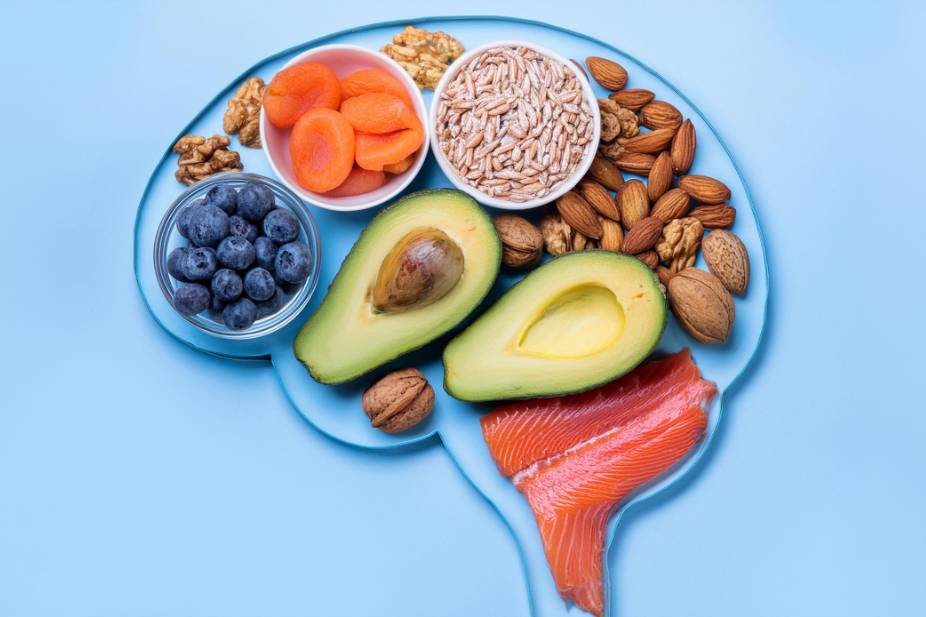
Diet can have a big impact on cholesterol. Consider eating avocados, as research has shown that they’re a food that helps lower cholesterol.
Nonsteroidal Anti-Inflammatory Drugs (NSAIDs)
In the ultimate irony, your painkiller might be causing you more discomfort. “More than 70 percent of people chronically taking NSAIDs—such as ibuprofen (Advil, Motrin), naproxen (Naprosyn), diclofenac (Voltaren), and aspirin (Bayer, Bufferin)—will get ulcers in their small intestines, creating a permeability problem (aka leaky gut syndrome),” says Dr. Kaplan.
Leaky gut is associated with all kinds of painful issues, including food sensitivities, joint pain, headaches, and psoriasis.
Antibiotics
Speaking of your gut, taking antibiotics may be causing more painful inflammation than the infection itself. “Multiple treatments of antibiotics for any reason can profoundly change the gut flora,” says Dr. Kaplan. “Those changes can then damage the intestinal tract enough to create leaky gut syndrome, which will result in inflammation and activate the microglia.”
While he doesn’t dismiss the lifesaving importance of antibiotics, Dr. Kaplan recommends balancing their use with a probiotic supplement. And be sure to support a your gut bacteria with healthy foods.
Opioids
Another counterintuitive finding: Dr. Kaplan says that opioids can heighten your sensitivity to pain. “Additionally, these painkillers—such as codeine, hydrocodone (Vicodin), morphine (Avinza), and oxycodone (Percocet)—can lead to depression, constipation, and sexual dysfunction,” he says.
Instead of popping a pill for your pain, consider meditation as an effective treatment.
Sleeping Pills
Sleep is so important for your health, but popping a pill to get there isn’t the answer. “A chronic reliance on any type of sleeping pill—such as zolpidem (Ambien), eszopiclone (Lunesta), or zaleplon (Sonata)—can, in the short term, make it hard to focus and, in the long run, even shorten your life span,” says Dr. Kaplan. Plus, you might be missing key warning signs of sleep apnea. Article reprinted from www.RodaleNews.com, Jan/2015
Pills you pop every day could be causing serious damage in the long run.
Aspirin is hailed as a miracle drug, and there’s not a person among us who hasn’t popped an ibuprofen or acetaminophen to deal with achy joints or a crushing headache.
But if you’re doing that every day, you could be causing long-term damage to your health, says Gary Kaplan, DO, medical director of the Kaplan Center for Integrative Medicine and author of a new book called Total Recovery: Solving the Mystery of Chronic Pain and Depression.
“The biggest misconception people have about over-the-counter painkillers is that they’re completely safe and harmless,” says Dr. Kaplan. “They are neither of the above.” In fact, most over-the-counter painkillers started out as prescription drugs but now are sold at lower doses without your needing to talk to a doctor.
And they’re all bad in their own way. While Dr. Kaplan does contend that low doses of aspirin (81 milligrams) do have some benefits for people with risk factors for stroke, heart disease and some forms of cancer, larger doses taken daily to deal with the pains of daily living do not. “People pop these things like it’s no big deal,” he says. “If you do this every day, in the majority of people, you’re doing real damage.”
Before getting into what that damage is, it helps to understand how these medications work. Aspirin, ibuprofen (sold as Advil and Motrin), and naproxen sodium (sold as Aleve) all fall into a class of drugs called nonsteroidal anti-inflammatories, or NSAIDs. They work by inhibiting prostaglandin, a hormone that can produce pain and inflammation in response to an infection or injury. Acetaminophen (or Tylenol) falls into a different category and seems to interrupt the pain messages your brain receives.
#1: Gut ulcerations
NSAIDs, particularly ibuprofen and aspirin, are rough on your stomach, and they’re just as rough on the lining of your gut. They create ulcerations and inflammation in the gut lining, damage that causes something known as a “leaky gut.” When your gut is leaky, it doesn’t absorb nutrients, which can lead to deficiencies (which can also contribute to pain problems), and problematic proteins and allergens, such as gluten, soy, or egg proteins, can escape, triggering food sensitivities. “Your gut is a very sophisticated filter,” Dr. Kaplan says. “It’s a very complex organ that’s not one to disrupt, but one that we disrupt all the time.”
Furthermore, NSAIDs disrupt the gut bacteria that control your immune system. As a result, you get sick more frequently and you might develop more chronic ailments.
Sixty to 80 percent of people develop gut inflammation within 24 hours of taking an NSAID, Dr. Kaplan says, and 50 to 70 percent of people who take them long term will develop chronic small intestine inflammation. And initially that might present as just feelings of bloating, gas or changes in your bowel movements, but over time, you might start experiencing chronic fatigue or develop food intolerances.
#2: Liver damage
Acetaminophen doesn’t cause those gut ulcerations, Dr. Kaplan says. Rather, its problem is that it will damage your liver—sometimes, in unexpected ways. Things like alcohol can interfere with the way your body breaks down acetaminophen, even if you’re taking a normal dose. “That leads to the potential to get a toxic level of acetaminophen in your system, which leads to liver damage,” Dr. Kaplan says. He’s also found that taking too many painkillers that contain caffeine can stress out your liver and interfere with sleep.
#3: Kidney damage
Along with your stomach, your kidneys are a major production site of prostaglandins, the hormones that NSAIDs are designed to silence. In addition to controlling the acid secretions in your stomach, prostaglandins help the kidneys fulfill their function of removing proteins and waste from your blood. Too many prostaglandin-inhibiting NSAIDs can interfere with that process, leading to kidney damage and a buildup of toxic waste by-products in your bloodstream. “As soon as we start seeing damage to kidneys, we tell people to get off all anti-inflammatory medications,” Dr. Kaplan says.
Furthermore, prostaglandin produces inflammation in response to damage your body is experiencing. “Inflammation is not always a bad thing,” he adds. “It’s critical for repair—inflammation cleans up damaged tissue and brings in new cells to repair it. When inflammation gets disrupted, the normal healing process gets disrupted.”
#4: Heart disease
You may remember a prescription painkiller called Vioxx that was pulled from the market a few years ago. The reason? It caused heart attacks, and it’s not the only one. “It’s a lower risk than with Vioxx, but all NSAIDs pose a risk,” says Dr. Kaplan. NSAIDs block an enzyme called COX-2, which works with prostaglandin to protect your arteries. When both are silenced by chronic use of over-the-counter painkilllers, your risk of heart disease increases.
#5: Hypersensitization
Here’s an ironic fact: Painkillers can heighten your susceptibility to pain. While this phenomenon has been seen mostly with prescription opioids (such as Vicodin or Oxycontin), studies have shown that acetaminophen and NSAIDs can have the same effect on headaches. “It’s called a rebound headache,” Dr. Kaplan says. “They dull your response to pain, so you need more medications to get to the same place. And you end up developing increased sensitivity to pain.”
So are we all supposed to just grin and bear it if we have a headache or a sore knee? “The occasional use is fine, less than once a week,” Dr. Kaplan advises. “But if you have pain that requires that you take over-the-counter pain medication on a regular basis, you need to seek medical attention.”
Ultimately, Dr. Kaplan’s beef with painkillers is that they aren’t dealing with deeper health issues. “Doctors have to start looking at pain as a symptom and not the disease,” he says. “We’re better off addressing the problem. We need to understand where the pain is coming from.”
Published on www.RodaleNews.com on April 11, 2014
We are here for you, and we want to help.
Our goal is to return you to optimal health as soon as possible. To schedule an appointment please call: 703-532-4892 x2
One doctor’s take on the Institute of Medicine’s new consensus report.
By Gary Kaplan, D.O.
The Institute of Medicine released their consensus report on myalgic encephalomyelitis/chronic fatigue syndrome, “Beyond Myalgic Encephalomyelitis/Chronic Fatigue Syndrome: Redefining an Illness,” on Feb. 10. This report was prepared by the Committee on the Diagnostic Criteria for Myalgic Encephalomyelitis/Chronic Fatigue Syndrome in response to a request by multiple agencies, including the Department of Health and Human Services, to examine the evidence base for ME/CFS. This committee was to set new diagnostic criteria that would facilitate timely diagnosis and care, as well as enhance the understanding of this disease among health care providers and the public.
The IOM panel proposed several positive changes, but I believe they fell short on two key issues. Here is a general overview of IOM’s findings, along with my commentary:
1. IOM declares that this disease does exist and is a medical, not psychiatric, condition.
For years, people suffering with ME/CFS have been battling a stigma associated with this condition. Some physicians have even doubted it to even be a legitimate illness. The acknowledgement from the IOM that this is a medical, not psychiatric, condition, as well as a complex, multi-system disease, was an important and necessary acknowledgement that will enable us to move beyond its stigma and provide the necessary support for patients suffering from ME
2. ME/CFS is out, SEID is in – maybe.
The IOM proposed the name Systemic Exertion Intolerance Disease to replace CFS. While I completely agree that a name change is necessary, as many consider CFS to be both stigmatizing and/or trivializing, SEID is not appropriately descriptive. It does not speak to the underlying complex pathophysiology of the disease but remains descriptive only of what is now regarded as the hallmark symptom – post-exertion malaise. The World Health Organization regards CFS as a neurologic disease, and the International Consensus Criteria regards it as an immunological mediated neuro-inflammatory disease with multi-system manifestations. The term Myalgic Encephalomyelitis speaks to the pathophysiology and is accepted worldwide. ME does not carry a negative connotation, and I believe it should have been accepted by the IOM.
3. IOM’s Diagnostic Criteria for SEID.
IOM states that diagnosis requires the following three symptoms:
A substantial reduction or impairment in the ability to engage in pre-illness levels of occupational, educational, social or personal activities that persists for more than six months and is accompanied by fatigue, which is often profound, is of new or definite onset (not lifelong), is not the result of ongoing excessive exertion, and is not substantially alleviated by rest;
Post-exertional malaise; and
Unrefreshing sleep.
At least one of the two following manifestations is also required: cognitive impairment or orthostatic intolerance.
IOM successfully defined the criteria for diagnosis, but I disagree with the mandatory time of six months to make a diagnosis. This is far too long. To insist that a person suffering with this condition wait six months for a diagnosis, especially if they have no other infectious or disease process, is wrong. The IOM acknowledges that nearly a quarter of the approximately 1 million people suffering with this disease are housebound or bedridden. To delay their opportunity to seek specialty help imposes unnecessary suffering. It also denies researchers the opportunity to study this disease in its earliest stages. We should follow the ICC’s example and not have a limit on the length of time someone needs to be suffering with these symptoms before getting a diagnosis.
4. Creation of a new ICD-10 code.
This is another positive step that will help doctors and researchers identify and track the percentage and demographic of the population affected by this disease, treatment success and failure rates, and other details associated with SEID.
So where do we go from here?
What we need now is the commitment of research dollars commensurate with the extent and severity of this disease to enable us to further its study and treatment. To give one a perspective on the current lack of research funding, multiple sclerosis, a devastating disease that affects less than half the estimated number of people suffering from ME/CFS/SEID, will receive approximately $100 million in NIH research dollars this year, while ME/CFS/SEID will receive a mere $5 million.
With the release of reports from NIH P2P and IOM acknowledging the extent and severity of this disease, we need to see a drastic increase in research funds that will not only assist in the creation of several centers of excellence to study and treat this disease, but also further educate the next generation of physicians and researchers. I believe a commitment from HHS/NIH of $150 million in research grants a year is essential to address and find a cure for this devastating disease.
In January I had the opportunity to share my view on the challenges of diagnosing and treating ME/CFS/SEID. I also discussed the recent findings of the NIH Pathways to Prevention conference “Advancing the Research on ME/CFS.”





















Is Your Medication The Root Of Your Chronic Pain?
/in Digestive Issues, Treatments/by Kaplan Center5 Pills That Might Be Hurting You
By Julia Westbrook
It’s time to stop ignoring the aches and pains and finally live a healthy life.
More Americans are suffering from chronic pain than have diabetes, according to a panel of researchers at the National Institutes of Health. While 29 million people are diagnosed with diabetes, the panel estimated that 100 million Americans live with chronic pain.
While the statistics are staggering, the scary truth is that, despite the apparent universality of pain, there isn’t nearly enough research on safe, effective treatments.
“We learned that sufficient clinical research doesn’t exist to show physicians how best to treat chronic pain in adults, many of whom suffer from multiple health problems,” said panel member and founding director of the Indiana University Center for Aging Research, Christopher Callahan, MD.
Instead, our medical system is heavily reliant on painkillers, both over-the-counter and prescription, despite the fact that, according to the panel, clinicians recognize that pain narcotics aren’t the solution for long-term pain treatment. (Here are 5 reasons over-the-counter painkillers are a bad idea.)
Gary Kaplan, DO, author of Total Recovery: Solving the Mystery of Chronic Pain and Depression, explains that medication—either for treating pains or treating other conditions—can be at the root of chronic pain. “Because of the powerful, short-term effectiveness of many drugs, we’re beginning to experience polypharmaceutical problems, where patients end up taking one drug to treat the side effects of other drugs,” he explains.
“The rough guideline I give my patients about taking medications is this: A drug has to work better than the side effects it creates,” he says. “If it doesn’t, get rid of it.” Of course, it’s important to do so under the supervision of your doctor, he adds.
While it’s easy to tune out the side-effect disclaimer on pharmaceutical ads, you may want to talk to your doctor if you’re experiencing chronic pain and are taking one of these prescriptions:
Statins
Statins are commonly used to lower cholesterol. “They can be the cause of cataracts and unexplained muscle pain. Some studies show they may increase your risk of developing diabetes,” says Dr. Kaplan.
Diet can have a big impact on cholesterol. Consider eating avocados, as research has shown that they’re a food that helps lower cholesterol.
Nonsteroidal Anti-Inflammatory Drugs (NSAIDs)
In the ultimate irony, your painkiller might be causing you more discomfort. “More than 70 percent of people chronically taking NSAIDs—such as ibuprofen (Advil, Motrin), naproxen (Naprosyn), diclofenac (Voltaren), and aspirin (Bayer, Bufferin)—will get ulcers in their small intestines, creating a permeability problem (aka leaky gut syndrome),” says Dr. Kaplan.
Leaky gut is associated with all kinds of painful issues, including food sensitivities, joint pain, headaches, and psoriasis.
Antibiotics
Speaking of your gut, taking antibiotics may be causing more painful inflammation than the infection itself. “Multiple treatments of antibiotics for any reason can profoundly change the gut flora,” says Dr. Kaplan. “Those changes can then damage the intestinal tract enough to create leaky gut syndrome, which will result in inflammation and activate the microglia.”
While he doesn’t dismiss the lifesaving importance of antibiotics, Dr. Kaplan recommends balancing their use with a probiotic supplement. And be sure to support a your gut bacteria with healthy foods.
Opioids
Another counterintuitive finding: Dr. Kaplan says that opioids can heighten your sensitivity to pain. “Additionally, these painkillers—such as codeine, hydrocodone (Vicodin), morphine (Avinza), and oxycodone (Percocet)—can lead to depression, constipation, and sexual dysfunction,” he says.
Instead of popping a pill for your pain, consider meditation as an effective treatment.
Sleeping Pills
Sleep is so important for your health, but popping a pill to get there isn’t the answer. “A chronic reliance on any type of sleeping pill—such as zolpidem (Ambien), eszopiclone (Lunesta), or zaleplon (Sonata)—can, in the short term, make it hard to focus and, in the long run, even shorten your life span,” says Dr. Kaplan. Plus, you might be missing key warning signs of sleep apnea.
Article reprinted from www.RodaleNews.com, Jan/2015
Understanding the Risks of OTC Painkillers
/in Treatments/by Kaplan Center5 Problems With Over-the-Counter Painkillers
By Emily Mann
Pills you pop every day could be causing serious damage in the long run.
Aspirin is hailed as a miracle drug, and there’s not a person among us who hasn’t popped an ibuprofen or acetaminophen to deal with achy joints or a crushing headache.
But if you’re doing that every day, you could be causing long-term damage to your health, says Gary Kaplan, DO, medical director of the Kaplan Center for Integrative Medicine and author of a new book called Total Recovery: Solving the Mystery of Chronic Pain and Depression.
“The biggest misconception people have about over-the-counter painkillers is that they’re completely safe and harmless,” says Dr. Kaplan. “They are neither of the above.” In fact, most over-the-counter painkillers started out as prescription drugs but now are sold at lower doses without your needing to talk to a doctor.
And they’re all bad in their own way. While Dr. Kaplan does contend that low doses of aspirin (81 milligrams) do have some benefits for people with risk factors for stroke, heart disease and some forms of cancer, larger doses taken daily to deal with the pains of daily living do not. “People pop these things like it’s no big deal,” he says. “If you do this every day, in the majority of people, you’re doing real damage.”
Before getting into what that damage is, it helps to understand how these medications work. Aspirin, ibuprofen (sold as Advil and Motrin), and naproxen sodium (sold as Aleve) all fall into a class of drugs called nonsteroidal anti-inflammatories, or NSAIDs. They work by inhibiting prostaglandin, a hormone that can produce pain and inflammation in response to an infection or injury. Acetaminophen (or Tylenol) falls into a different category and seems to interrupt the pain messages your brain receives.
#1: Gut ulcerations
NSAIDs, particularly ibuprofen and aspirin, are rough on your stomach, and they’re just as rough on the lining of your gut. They create ulcerations and inflammation in the gut lining, damage that causes something known as a “leaky gut.” When your gut is leaky, it doesn’t absorb nutrients, which can lead to deficiencies (which can also contribute to pain problems), and problematic proteins and allergens, such as gluten, soy, or egg proteins, can escape, triggering food sensitivities. “Your gut is a very sophisticated filter,” Dr. Kaplan says. “It’s a very complex organ that’s not one to disrupt, but one that we disrupt all the time.”
Furthermore, NSAIDs disrupt the gut bacteria that control your immune system. As a result, you get sick more frequently and you might develop more chronic ailments.
Sixty to 80 percent of people develop gut inflammation within 24 hours of taking an NSAID, Dr. Kaplan says, and 50 to 70 percent of people who take them long term will develop chronic small intestine inflammation. And initially that might present as just feelings of bloating, gas or changes in your bowel movements, but over time, you might start experiencing chronic fatigue or develop food intolerances.
Questions? Give Us a Call!
703-532-4892 x2
#2: Liver damage
Acetaminophen doesn’t cause those gut ulcerations, Dr. Kaplan says. Rather, its problem is that it will damage your liver—sometimes, in unexpected ways. Things like alcohol can interfere with the way your body breaks down acetaminophen, even if you’re taking a normal dose. “That leads to the potential to get a toxic level of acetaminophen in your system, which leads to liver damage,” Dr. Kaplan says. He’s also found that taking too many painkillers that contain caffeine can stress out your liver and interfere with sleep.
#3: Kidney damage
Along with your stomach, your kidneys are a major production site of prostaglandins, the hormones that NSAIDs are designed to silence. In addition to controlling the acid secretions in your stomach, prostaglandins help the kidneys fulfill their function of removing proteins and waste from your blood. Too many prostaglandin-inhibiting NSAIDs can interfere with that process, leading to kidney damage and a buildup of toxic waste by-products in your bloodstream. “As soon as we start seeing damage to kidneys, we tell people to get off all anti-inflammatory medications,” Dr. Kaplan says.
Furthermore, prostaglandin produces inflammation in response to damage your body is experiencing. “Inflammation is not always a bad thing,” he adds. “It’s critical for repair—inflammation cleans up damaged tissue and brings in new cells to repair it. When inflammation gets disrupted, the normal healing process gets disrupted.”
#4: Heart disease
You may remember a prescription painkiller called Vioxx that was pulled from the market a few years ago. The reason? It caused heart attacks, and it’s not the only one. “It’s a lower risk than with Vioxx, but all NSAIDs pose a risk,” says Dr. Kaplan. NSAIDs block an enzyme called COX-2, which works with prostaglandin to protect your arteries. When both are silenced by chronic use of over-the-counter painkilllers, your risk of heart disease increases.
#5: Hypersensitization
Here’s an ironic fact: Painkillers can heighten your susceptibility to pain. While this phenomenon has been seen mostly with prescription opioids (such as Vicodin or Oxycontin), studies have shown that acetaminophen and NSAIDs can have the same effect on headaches. “It’s called a rebound headache,” Dr. Kaplan says. “They dull your response to pain, so you need more medications to get to the same place. And you end up developing increased sensitivity to pain.”
So are we all supposed to just grin and bear it if we have a headache or a sore knee? “The occasional use is fine, less than once a week,” Dr. Kaplan advises. “But if you have pain that requires that you take over-the-counter pain medication on a regular basis, you need to seek medical attention.”
Ultimately, Dr. Kaplan’s beef with painkillers is that they aren’t dealing with deeper health issues. “Doctors have to start looking at pain as a symptom and not the disease,” he says. “We’re better off addressing the problem. We need to understand where the pain is coming from.”
Published on www.RodaleNews.com on April 11, 2014
We are here for you, and we want to help.
Our goal is to return you to optimal health as soon as possible. To schedule an appointment please call: 703-532-4892 x2
What’s Missing From the IOM Report About Chronic Fatigue Syndrome (SEID)
/in News/by Gary Kaplan, DOOne doctor’s take on the Institute of Medicine’s new consensus report.
By Gary Kaplan, D.O.
The Institute of Medicine released their consensus report on myalgic encephalomyelitis/chronic fatigue syndrome, “Beyond Myalgic Encephalomyelitis/Chronic Fatigue Syndrome: Redefining an Illness,” on Feb. 10. This report was prepared by the Committee on the Diagnostic Criteria for Myalgic Encephalomyelitis/Chronic Fatigue Syndrome in response to a request by multiple agencies, including the Department of Health and Human Services, to examine the evidence base for ME/CFS. This committee was to set new diagnostic criteria that would facilitate timely diagnosis and care, as well as enhance the understanding of this disease among health care providers and the public.
The IOM panel proposed several positive changes, but I believe they fell short on two key issues. Here is a general overview of IOM’s findings, along with my commentary:
1. IOM declares that this disease does exist and is a medical, not psychiatric, condition.
For years, people suffering with ME/CFS have been battling a stigma associated with this condition. Some physicians have even doubted it to even be a legitimate illness. The acknowledgement from the IOM that this is a medical, not psychiatric, condition, as well as a complex, multi-system disease, was an important and necessary acknowledgement that will enable us to move beyond its stigma and provide the necessary support for patients suffering from ME
2. ME/CFS is out, SEID is in – maybe.
The IOM proposed the name Systemic Exertion Intolerance Disease to replace CFS. While I completely agree that a name change is necessary, as many consider CFS to be both stigmatizing and/or trivializing, SEID is not appropriately descriptive. It does not speak to the underlying complex pathophysiology of the disease but remains descriptive only of what is now regarded as the hallmark symptom – post-exertion malaise. The World Health Organization regards CFS as a neurologic disease, and the International Consensus Criteria regards it as an immunological mediated neuro-inflammatory disease with multi-system manifestations. The term Myalgic Encephalomyelitis speaks to the pathophysiology and is accepted worldwide. ME does not carry a negative connotation, and I believe it should have been accepted by the IOM.
3. IOM’s Diagnostic Criteria for SEID.
IOM states that diagnosis requires the following three symptoms:
At least one of the two following manifestations is also required: cognitive impairment or orthostatic intolerance.
IOM successfully defined the criteria for diagnosis, but I disagree with the mandatory time of six months to make a diagnosis. This is far too long. To insist that a person suffering with this condition wait six months for a diagnosis, especially if they have no other infectious or disease process, is wrong. The IOM acknowledges that nearly a quarter of the approximately 1 million people suffering with this disease are housebound or bedridden. To delay their opportunity to seek specialty help imposes unnecessary suffering. It also denies researchers the opportunity to study this disease in its earliest stages. We should follow the ICC’s example and not have a limit on the length of time someone needs to be suffering with these symptoms before getting a diagnosis.
4. Creation of a new ICD-10 code.
This is another positive step that will help doctors and researchers identify and track the percentage and demographic of the population affected by this disease, treatment success and failure rates, and other details associated with SEID.
So where do we go from here?
What we need now is the commitment of research dollars commensurate with the extent and severity of this disease to enable us to further its study and treatment. To give one a perspective on the current lack of research funding, multiple sclerosis, a devastating disease that affects less than half the estimated number of people suffering from ME/CFS/SEID, will receive approximately $100 million in NIH research dollars this year, while ME/CFS/SEID will receive a mere $5 million.
With the release of reports from NIH P2P and IOM acknowledging the extent and severity of this disease, we need to see a drastic increase in research funds that will not only assist in the creation of several centers of excellence to study and treat this disease, but also further educate the next generation of physicians and researchers. I believe a commitment from HHS/NIH of $150 million in research grants a year is essential to address and find a cure for this devastating disease.
In January I had the opportunity to share my view on the challenges of diagnosing and treating ME/CFS/SEID. I also discussed the recent findings of the NIH Pathways to Prevention conference “Advancing the Research on ME/CFS.”
As first seen on U.S. News & World Report.