A year ago, local running coach and veteran marathoner Kathy Pugh was preparing for the Marine Corps Marathon. But despite a tried-and-true training program, it wasn’t going well.
“I just didn’t have the energy,” Pugh says. “I was struggling and felt like I never wanted to do a marathon again.”
What had happened?
As Pugh found out through a blood test, she was iron-deficient, something that’s not all that unusual for premenopausal women, particularly athletes.
“It’s quite common for female athletes to have iron deficiency,” says Nancy Clark, a Boston-based sports nutritionist and author of the “Sports Nutrition Guidebook.”
“And it really affects performance.”
Exactly how prevalent iron deficiency is among female athletes isn’t known, but Clark says it could be as high as 50 percent. In the general premenopausal female population, the prevalence is roughly 9 percent. A 2011 study of female collegiate rowers in New York state found 10 percent were anemic and 30 percent had low iron stores.
(Anemic refers to low hemoglobin, for which the most common reason is low iron. But you can be iron-deficient without being anemic — as was true for Pugh.)
Clark attributes iron deficiency among female athletes to monthly blood loss (true for most premenopausal women) and an added demand on iron stores through high-intensity training as well as a focus on lean, vegetarian and natural foods.
But wouldn’t “lean, vegetarian and natural” be a good thing?
“Absolutely, but if you are vegan, especially as an athlete, you have to make sure you are getting what you need nutritionally,” says Lisa Lilienfield, a doctor with the Kaplan Center for Integrative Medicine in McLean, whose expertise includes women’s health and sports medicine.
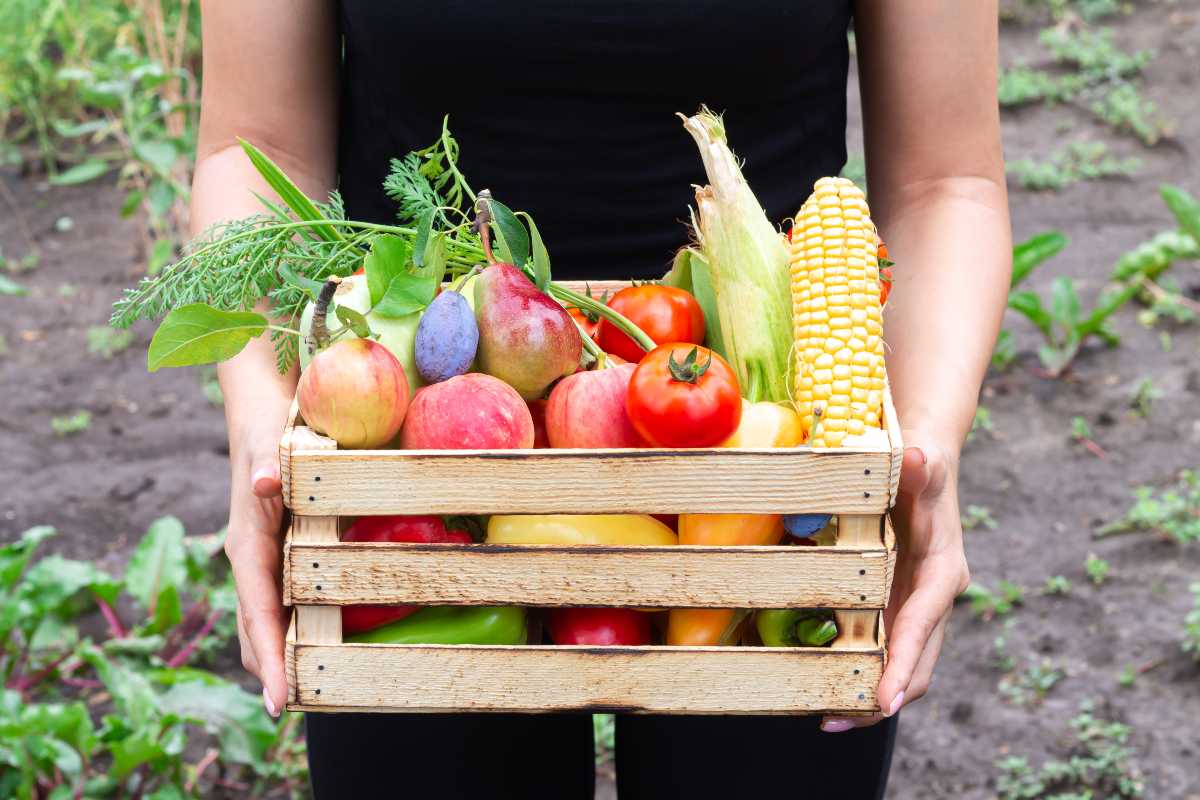
Iron can be taken as a supplement but is readily available in our food — especially in red meat and seafood (in particular, clams). It is also abundant in green leafy vegetables such as spinach and in beans and fortified cereals.
And so, Clark says, the trend among female athletes and other health-conscious consumers to move away from red meat and to give up fortified foods in favor of natural foods creates a “perfect storm” for iron deficiency.
“Female athletes tend to be very health- and weight-conscious,” she says. “And when they want to lose weight, they’ll give up things like hamburgers and steaks,” as well as processed food, she says.
For example, good ol’ Grape Nuts – a fortified (“processed”) cereal has 90 percent of the recommended daily allowance for iron, while the natural Kashi Go Lean Crunch has 8 percent.
“I would recommend that female endurance athletes get screened so they can see if they need iron supplementation,” Clark said. Note: Too much iron is not healthful, either, so it’s important to know the right level before taking any iron supplementation.
Pugh says she can relate to both parts of Clark’s perfect storm: She moved away from red meat and tried eating all-natural foods for the year leading up to the 2013 Marine Corps Marathon.
“I was doing my green smoothies and eating nutritional yeast — I felt like I was the picture of perfect health, and yet I felt tired,” Pugh says.
For women who want to get more of their iron from plants, one possibility is to consume greens or beans together with vitamin C, which improves iron absorption, Lilienfield says.
For example, says Pugh, who is now also a trained health coach with the Institute for Integrative Nutrition: “You could have your salad with a lemon vinaigrette.”
It’s also worth limiting consumption of foods that inhibit the uptake of iron, she says, including calcium and coffee and tea.
So, what are some of the signs — aside from lack of energy — of low iron, and why is iron important in sports?
One is the desire to chew ice, says Clark (the medical term is pacophagia). In addition, “being cold all the time, feeling depressed and feeling tired,” can be signs of iron deficiency.
Iron is essential for successful athletic performance since it helps carry oxygen to cells throughout the body. But when athletes feel overtired from workouts they often assume they need to lose weight — and in doing so they often deplete their iron stores even more.
“Athletes in endurance sports will notice it the most,” Clark says. “But iron deficiency could impact all sports.”
And she adds that iron deficiency is a “needless” problem, “since it’s totally preventable. I see it as an education problem.”
Pugh says she definitely has learned what works better for her these past few months. Her diet still consists of mostly natural foods and lots of greens, but she has added some red meat once a week or so — and says she thinks there is a link to her feeling better.
Dr. Kaplan argues that we’ve been thinking about disease all wrong. He explains that chronic physical and emotional pain are two sides of the same coin. New discoveries show that disease is not the result of a single event but an accumulation of traumas. Every injury, every infection, every toxin, and every emotional blow generates the same reaction: inflammation, activated by tiny cells in the brain, called microglia. Turned on too often from too many assaults, it can have a devastating cumulative effect.
To listen to this broadcast please click on the audio link provided below.
About 100 million Americans live with some form of chronic pain — more than the combined number of those with diabetes, heart disease, and cancer. In this interview with Joe Polish and Dean Jackson, Dr. Kaplan reveals his single-point-of-origin approach: seemingly unrelated symptoms of chronic pain and depression actually have a single, neurological basis.
Dr. Kaplan draws on patient stories and cutting-edge research to reveal that physical pain and emotional pain are manifestations of the same inflammation, brought on by tiny microglial cells found in the brain and spinal cord. And, in order to see greater success in treatment we must stop thinking of pain and depression as diseases, but rather symptoms of this inflammation.
Dr. Kaplan explains:
Why we should be looking at pain as a symptom, not a disease
The role of microglia in the central nervous system, and in chronic pain
How to treat (or down-regulate) the inflammatory process and move towards total recovery
Dr. Kaplan stresses that “while pain is not optional, your suffering is,” and offers 3 daily actions to be mentally and physically healthy for life.
To listen to Dr. Kaplan’s interview please click on the play button below.










Dr. Lisa Lilienfield on Female Athletes & Iron Deficiency
/in Women's Health/by Kaplan CenterWhat Female Athletes Need to Know About Iron Deficiency
by Gabriella Boston
A year ago, local running coach and veteran marathoner Kathy Pugh was preparing for the Marine Corps Marathon. But despite a tried-and-true training program, it wasn’t going well.
“I just didn’t have the energy,” Pugh says. “I was struggling and felt like I never wanted to do a marathon again.”
What had happened?
As Pugh found out through a blood test, she was iron-deficient, something that’s not all that unusual for premenopausal women, particularly athletes.
“It’s quite common for female athletes to have iron deficiency,” says Nancy Clark, a Boston-based sports nutritionist and author of the “Sports Nutrition Guidebook.”
Exactly how prevalent iron deficiency is among female athletes isn’t known, but Clark says it could be as high as 50 percent. In the general premenopausal female population, the prevalence is roughly 9 percent. A 2011 study of female collegiate rowers in New York state found 10 percent were anemic and 30 percent had low iron stores.
(Anemic refers to low hemoglobin, for which the most common reason is low iron. But you can be iron-deficient without being anemic — as was true for Pugh.)
Clark attributes iron deficiency among female athletes to monthly blood loss (true for most premenopausal women) and an added demand on iron stores through high-intensity training as well as a focus on lean, vegetarian and natural foods.
But wouldn’t “lean, vegetarian and natural” be a good thing?
“Absolutely, but if you are vegan, especially as an athlete, you have to make sure you are getting what you need nutritionally,” says Lisa Lilienfield, a doctor with the Kaplan Center for Integrative Medicine in McLean, whose expertise includes women’s health and sports medicine.
Iron can be taken as a supplement but is readily available in our food — especially in red meat and seafood (in particular, clams). It is also abundant in green leafy vegetables such as spinach and in beans and fortified cereals.
“Female athletes tend to be very health- and weight-conscious,” she says. “And when they want to lose weight, they’ll give up things like hamburgers and steaks,” as well as processed food, she says.
For example, good ol’ Grape Nuts – a fortified (“processed”) cereal has 90 percent of the recommended daily allowance for iron, while the natural Kashi Go Lean Crunch has 8 percent.
The recommendation for the general female premenopausal population is 18 mg of iron per day. Lilienfield suggests that should be higher — in the range of 20 mg or higher — for female athletes.
“I would recommend that female endurance athletes get screened so they can see if they need iron supplementation,” Clark said. Note: Too much iron is not healthful, either, so it’s important to know the right level before taking any iron supplementation.
Pugh says she can relate to both parts of Clark’s perfect storm: She moved away from red meat and tried eating all-natural foods for the year leading up to the 2013 Marine Corps Marathon.
“I was doing my green smoothies and eating nutritional yeast — I felt like I was the picture of perfect health, and yet I felt tired,” Pugh says.
For women who want to get more of their iron from plants, one possibility is to consume greens or beans together with vitamin C, which improves iron absorption, Lilienfield says.
For example, says Pugh, who is now also a trained health coach with the Institute for Integrative Nutrition: “You could have your salad with a lemon vinaigrette.”
It’s also worth limiting consumption of foods that inhibit the uptake of iron, she says, including calcium and coffee and tea.
So, what are some of the signs — aside from lack of energy — of low iron, and why is iron important in sports?
One is the desire to chew ice, says Clark (the medical term is pacophagia). In addition, “being cold all the time, feeling depressed and feeling tired,” can be signs of iron deficiency.
Iron is essential for successful athletic performance since it helps carry oxygen to cells throughout the body. But when athletes feel overtired from workouts they often assume they need to lose weight — and in doing so they often deplete their iron stores even more.
“Athletes in endurance sports will notice it the most,” Clark says. “But iron deficiency could impact all sports.”
And she adds that iron deficiency is a “needless” problem, “since it’s totally preventable. I see it as an education problem.”
Pugh says she definitely has learned what works better for her these past few months. Her diet still consists of mostly natural foods and lots of greens, but she has added some red meat once a week or so — and says she thinks there is a link to her feeling better.
Published date: October 14, 2014
www.WashingtonPost.com
Dr. Gary Kaplan on KBOO 90.7FM’s "Healthwatch"
/in Inflammation, News, Wellness/by Kaplan CenterOn October 6th Dr. Gary Kaplan did a 30-minute live interview on “Healthwatch”, 90.7FM KBOO Portland, Oregon Community Radio.
Dr. David Naimon, Naturopathic Physician, Licensed Acupuncturist, Board Certified Chinese Herbalist, and host of Healthwatch, asked Dr. Kaplan to discuss the concepts in his book Total Recovery: Solving the Mystery of Chronic Pain & Depression.
Dr. Kaplan argues that we’ve been thinking about disease all wrong. He explains that chronic physical and emotional pain are two sides of the same coin. New discoveries show that disease is not the result of a single event but an accumulation of traumas. Every injury, every infection, every toxin, and every emotional blow generates the same reaction: inflammation, activated by tiny cells in the brain, called microglia. Turned on too often from too many assaults, it can have a devastating cumulative effect.
To listen to this broadcast please click on the audio link provided below.
Dr. Gary Kaplan on "How To Be Mentally & Physically Healthy for Life"
/in Inflammation, Mental Health, News, Wellness/by Kaplan CenterAbout 100 million Americans live with some form of chronic pain — more than the combined number of those with diabetes, heart disease, and cancer. In this interview with Joe Polish and Dean Jackson, Dr. Kaplan reveals his single-point-of-origin approach: seemingly unrelated symptoms of chronic pain and depression actually have a single, neurological basis.
Dr. Kaplan draws on patient stories and cutting-edge research to reveal that physical pain and emotional pain are manifestations of the same inflammation, brought on by tiny microglial cells found in the brain and spinal cord. And, in order to see greater success in treatment we must stop thinking of pain and depression as diseases, but rather symptoms of this inflammation.
Dr. Kaplan explains:
Dr. Kaplan stresses that “while pain is not optional, your suffering is,” and offers 3 daily actions to be mentally and physically healthy for life.
To listen to Dr. Kaplan’s interview please click on the play button below.