The onset of spring is a much anticipated time of year for many as we bid farewell to winter doldrums. But while some people breathe a sigh of relief at the first sign of daffodils, there are others who aren’t as inclined to embrace the new season because, for them, the start of spring means saying “hello” to their seasonal allergies.
Allergies can develop early on or later in life, but the symptoms are difficult to tolerate at any age. Allergy sufferers may experience a variety of symptoms, including wheezing, coughing, sneezing, itchy or watery eyes, hives, sinus pressure, scratchy throat, runny nose, and in extreme cases, throat swelling and difficulty breathing. All of these symptoms are inflammatory reactions by the body’s immune system in response to an inhaled allergen – such as pollen or mold spores, pet dander, or environmental toxins – that has made its way into the lungs. An allergic response may be localized to “minor” symptoms, such as watery eyes and sneezing, or it may be systemic, causing a severe, whole-body reaction known as anaphylaxis which requires immediate medical attention. (It is extremely rare, however, for pollens and other inhaled allergens to cause anaphylaxis.) In any event, if you suffer from allergies, normal spring and summertime activities like cleaning your yard or prepping the grill can prove to be overwhelming.
Over-the-counter and prescription medications help many allergy sufferers, but for individuals with medication sensitivities or concerns about possible drug interactions, alternative therapies are a welcome option.
Research has shown that acupuncture can ease allergy symptoms, specifically because of its anti-inflammatory benefits. According to Rebecca Berkson, Licensed Acupuncturist and Diplomat of Oriental Medicine, “in Traditional Chinese Medicine allergies are considered a weakness of the lung system which will result in symptoms of the nose and throat. By strengthening the lung, with acupuncture points located on the wrist and chest, acupuncture can modulate the immune system and normalize the response to such triggers. Acupuncture points over the sinuses can also reduce secretions and drain congestion.”
For those who are uncomfortable with acupuncture needles, acupressure, which targets the same acupoints, can also be an effective remedy for relieving sinus pressure.
While you cannot isolate yourself completely from the allergens that are making you sick, you can limit your exposure as much as possible. Modifying your home environment can also make a difference. Consider removing wall-to-wall carpeting, damp-dust your home often, and wash curtains, bedspreads, and pillows regularly to remove dust mites.
Last, although allergies cannot be cured, they can be managed. If you experience any of the above symptoms, be sure to talk to your physician about methods to manage your seasonal allergy symptoms so you can enjoy the great outdoors throughout this spring and summer!
Meditation, which can be practiced in many different forms, has been used for thousands of years to benefit the mind, body, and soul. Medical research proves that meditation not only modifies brain function but can also actually change the way we experience physical pain.
A study reported in the Journal of Neuroscience showed that patients who had received only a little more than 60 minutes of meditation training were able to dramatically reduce their experience of pain. Patients experienced a reduction in “pain intensity” of about 40 percent and a reduction in “pain unpleasantness” of 57 percent. According to the lead author of the study, Fadel Zeidan, “Meditation produced a greater reduction in pain than even morphine or other pain-relieving drugs, which typically reduce pain ratings by about 25 percent.”
In the meantime, medical research has demonstrated that many difficult to treat chronic pain conditions, such as fibromyalgia syndrome, chronic fatigue syndrome, celiac disease, and irritable bowel syndrome, are mediated by central nervous system sensitization. It is only logical that meditation, which improves nervous system functioning, would help to alleviate chronic pain.
This is not to say that meditation is the entire answer; but can be a powerful part of an individual’s comprehensive treatment, along with physical exercise, dietary changes, nutritional supplementation, physical therapy, and appropriate medications.
The following are some practical resources on meditation and working with physical pain, offered by experienced meditators:
Working with Pain, an audio talk by Jonathan Foust, founder of the Meditation Teacher Training Institute of Washington, recorded in January 2011.
My hope is that these tools and the encouraging research results listed below will inspire you to commit to your own meditation practice.
A study conducted by Massachusetts General Hospital found that mindfulness meditation, over the short period of only 8 weeks, increased the amount of gray matter in regions of the brain involved in learning and memory, regulation of one’s emotions, and self-awareness. This new study is very exciting because it suggests that meditation may be able to help heal the brains of people who suffer from chronic pain, depression, and anxiety disorders.
Research indicates that a regular practice of meditation, by facilitating relaxation of the body and mind, also can help improve sleep, lessen the sensation of pain, and lower blood pressure.
There is also clinical evidence that meditating can help improve depression and increase one’s overall sense of well-being by providing a method of letting go of fearful thoughts and decreasing emotional reactivity.
We are here for you, and we want to help.
Our goal is to return you to optimal health as soon as possible. To schedule an appointment please call: 703-532-4892 x2
Many of us look forward to celebrating the holidays with our friends and family; but probably just as many of us also approach this season with some level of anxiety.
In addition to the fun of gift-giving, enjoying special holiday foods, and reuniting with friends and family, there’s the stress of gift-giving, preparing holiday foods, and reuniting with family and friends! I offer five steps to help you “embrace the holidays” with grace.
1) First and foremost, treat yourself with gentleness. Understand that the holidays can be a challenge for all of us. We’re barraged by advertising telling us that “’tis the season to be jolly” and that the more we buy and do, the happier we’ll be. This holiday season, be realistic about your physical and emotional limits and gently protect your time and energy. Be kind to yourself and you’ll have more of that precious gift to share with those you love!
2) Learn to let go. Let go of expectations of yourself and others. And let go of anger and guilt. If you need rest or a moment alone, then take it. Give yourself permission to skip certain events all together if they are too stressful for you. The quality of time shared with others will be greatly enhanced if you are rested and calm.
3) Stay in the present moment. Most of us spend a great deal of time attending to the thoughts in our minds rather than to our direct experience. Thoughts about past or future experiences can distract us from our actual life experience. Right now, gently bring your attention into this moment. Feel the solid ground beneath your feet or the cool wind on your face. The present moment is the door to your creativity and healing. Embrace it!
4) Breathe. With each in-breath, feel a calm strength within you and with each out-breath, let go of any fear, tension or worry you may be feeling. Performing these deep-cleansing breaths for a few minutes each day can have an enormously rejuvenating effect upon your body and soul.
5) Exercise. If you are able — get up and get moving. A good brisk walk can help reduce anxiety, depression and insomnia. The endorphins released in aerobic exercise are the body’s own natural anti-depressants. Not only does exercise lift our spirits, it boosts our immune system as well.
We are here for you, and we want to help.
Our goal is to return you to optimal health as soon as possible. To schedule an appointment please call: 703-532-4892 x2




















Spring Has Blossomed! Have Your Allergies?
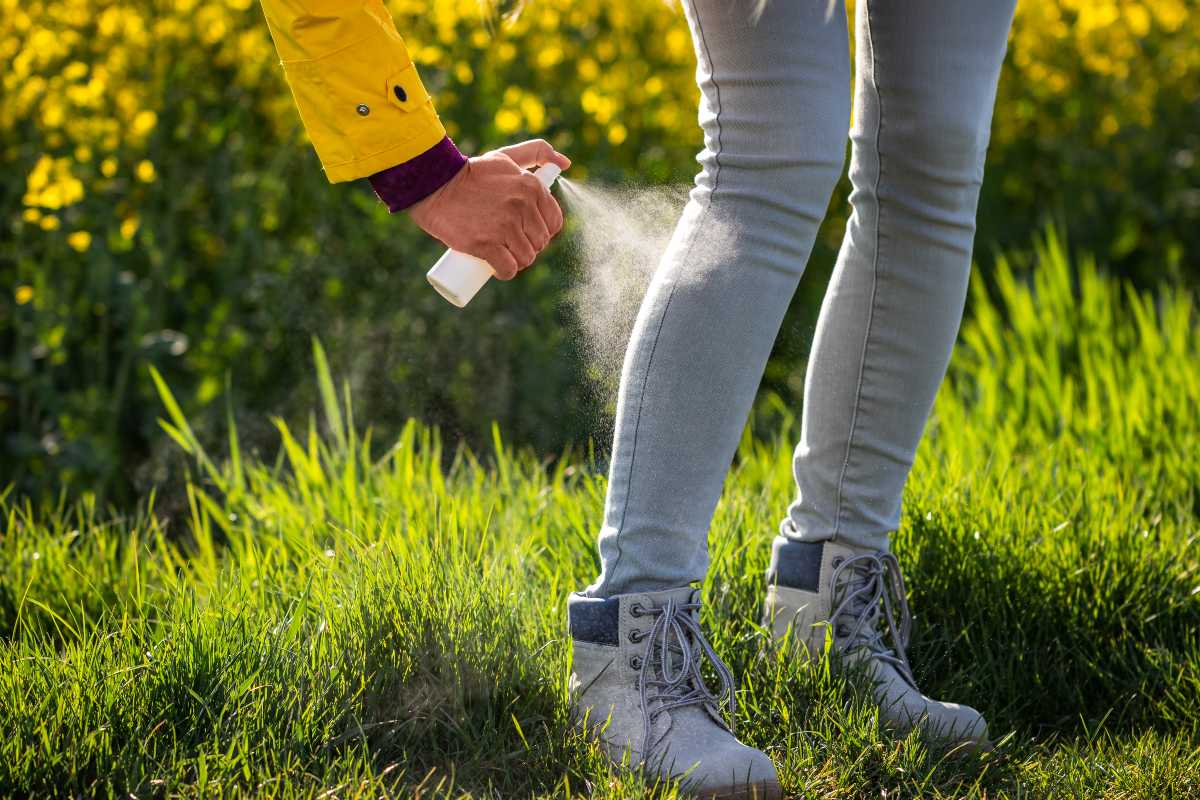
/in Conditions/by Kaplan CenterThe onset of spring is a much anticipated time of year for many as we bid farewell to winter doldrums. But while some people breathe a sigh of relief at the first sign of daffodils, there are others who aren’t as inclined to embrace the new season because, for them, the start of spring means saying “hello” to their seasonal allergies.
Allergies can develop early on or later in life, but the symptoms are difficult to tolerate at any age. Allergy sufferers may experience a variety of symptoms, including wheezing, coughing, sneezing, itchy or watery eyes, hives, sinus pressure, scratchy throat, runny nose, and in extreme cases, throat swelling and difficulty breathing. All of these symptoms are inflammatory reactions by the body’s immune system in response to an inhaled allergen – such as pollen or mold spores, pet dander, or environmental toxins – that has made its way into the lungs. An allergic response may be localized to “minor” symptoms, such as watery eyes and sneezing, or it may be systemic, causing a severe, whole-body reaction known as anaphylaxis which requires immediate medical attention. (It is extremely rare, however, for pollens and other inhaled allergens to cause anaphylaxis.) In any event, if you suffer from allergies, normal spring and summertime activities like cleaning your yard or prepping the grill can prove to be overwhelming.
Over-the-counter and prescription medications help many allergy sufferers, but for individuals with medication sensitivities or concerns about possible drug interactions, alternative therapies are a welcome option.
Research has shown that acupuncture can ease allergy symptoms, specifically because of its anti-inflammatory benefits. According to Rebecca Berkson, Licensed Acupuncturist and Diplomat of Oriental Medicine, “in Traditional Chinese Medicine allergies are considered a weakness of the lung system which will result in symptoms of the nose and throat. By strengthening the lung, with acupuncture points located on the wrist and chest, acupuncture can modulate the immune system and normalize the response to such triggers. Acupuncture points over the sinuses can also reduce secretions and drain congestion.”
For those who are uncomfortable with acupuncture needles, acupressure, which targets the same acupoints, can also be an effective remedy for relieving sinus pressure.
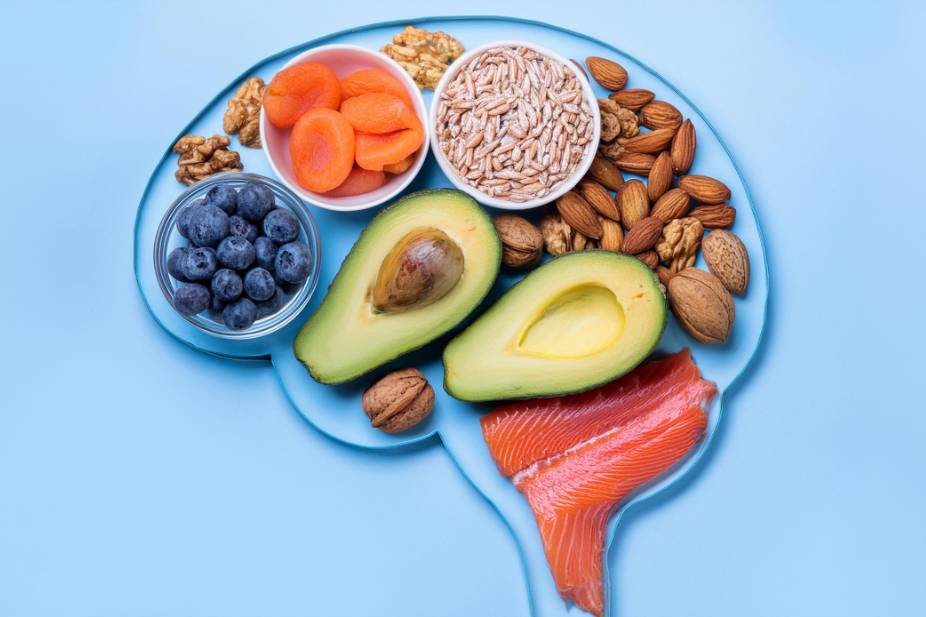
In addition, herbal remedies have been found helpful in relieving allergy symptoms. Addressing food sensitivities, consuming an anti-inflammatory diet, and reducing one’s stress level can also help by reducing inflammation in the body.
While you cannot isolate yourself completely from the allergens that are making you sick, you can limit your exposure as much as possible. Modifying your home environment can also make a difference. Consider removing wall-to-wall carpeting, damp-dust your home often, and wash curtains, bedspreads, and pillows regularly to remove dust mites.
Last, although allergies cannot be cured, they can be managed. If you experience any of the above symptoms, be sure to talk to your physician about methods to manage your seasonal allergy symptoms so you can enjoy the great outdoors throughout this spring and summer!
Additional research:
Acupuncture for the treatment of allergic rhinitis. A systematic review protocol
Acupuncture for the Treatment of Allergic Rhinitis: A Systematic Review and Meta-Analysis
We are here for you, and we want to help.
Our goal is to return you to optimal health as soon as possible. To schedule an appointment please call: 703-532-4892 x2
Meditation: Can It Help Reduce Your Pain?
/in Meditation/by Gary Kaplan, DOMeditation, which can be practiced in many different forms, has been used for thousands of years to benefit the mind, body, and soul. Medical research proves that meditation not only modifies brain function but can also actually change the way we experience physical pain.
A study reported in the Journal of Neuroscience showed that patients who had received only a little more than 60 minutes of meditation training were able to dramatically reduce their experience of pain. Patients experienced a reduction in “pain intensity” of about 40 percent and a reduction in “pain unpleasantness” of 57 percent. According to the lead author of the study, Fadel Zeidan, “Meditation produced a greater reduction in pain than even morphine or other pain-relieving drugs, which typically reduce pain ratings by about 25 percent.”
The results confirm what we have seen clinically in our own patients at the Kaplan Center for Integrative Medicine. In fact, in the mid-1990s, I had the opportunity to serve on an NIH Consensus Panel that confirmed the effectiveness of relaxation and behavioral approaches in the treatment of chronic pain and insomnia. Meditation training has been part of the Clinic’s comprehensive treatment program for close to 30 years.
Questions? Give Us a Call!
703-532-4892 x2
In the meantime, medical research has demonstrated that many difficult to treat chronic pain conditions, such as fibromyalgia syndrome, chronic fatigue syndrome, celiac disease, and irritable bowel syndrome, are mediated by central nervous system sensitization. It is only logical that meditation, which improves nervous system functioning, would help to alleviate chronic pain.
This is not to say that meditation is the entire answer; but can be a powerful part of an individual’s comprehensive treatment, along with physical exercise, dietary changes, nutritional supplementation, physical therapy, and appropriate medications.
The following are some practical resources on meditation and working with physical pain, offered by experienced meditators:
My hope is that these tools and the encouraging research results listed below will inspire you to commit to your own meditation practice.
We are here for you, and we want to help.
Our goal is to return you to optimal health as soon as possible. To schedule an appointment please call: 703-532-4892 x2
Embracing the Holidays
/in Lifestyle/by Jodi Brayton, LCSWMany of us look forward to celebrating the holidays with our friends and family; but probably just as many of us also approach this season with some level of anxiety.
In addition to the fun of gift-giving, enjoying special holiday foods, and reuniting with friends and family, there’s the stress of gift-giving, preparing holiday foods, and reuniting with family and friends! I offer five steps to help you “embrace the holidays” with grace.
1) First and foremost, treat yourself with gentleness. Understand that the holidays can be a challenge for all of us. We’re barraged by advertising telling us that “’tis the season to be jolly” and that the more we buy and do, the happier we’ll be. This holiday season, be realistic about your physical and emotional limits and gently protect your time and energy. Be kind to yourself and you’ll have more of that precious gift to share with those you love!
2) Learn to let go. Let go of expectations of yourself and others. And let go of anger and guilt. If you need rest or a moment alone, then take it. Give yourself permission to skip certain events all together if they are too stressful for you. The quality of time shared with others will be greatly enhanced if you are rested and calm.
3) Stay in the present moment. Most of us spend a great deal of time attending to the thoughts in our minds rather than to our direct experience. Thoughts about past or future experiences can distract us from our actual life experience. Right now, gently bring your attention into this moment. Feel the solid ground beneath your feet or the cool wind on your face. The present moment is the door to your creativity and healing. Embrace it!
4) Breathe. With each in-breath, feel a calm strength within you and with each out-breath, let go of any fear, tension or worry you may be feeling. Performing these deep-cleansing breaths for a few minutes each day can have an enormously rejuvenating effect upon your body and soul.
5) Exercise. If you are able — get up and get moving. A good brisk walk can help reduce anxiety, depression and insomnia. The endorphins released in aerobic exercise are the body’s own natural anti-depressants. Not only does exercise lift our spirits, it boosts our immune system as well.
We are here for you, and we want to help.
Our goal is to return you to optimal health as soon as possible. To schedule an appointment please call: 703-532-4892 x2