This is the time of year that many of us choose to upgrade work-out programs or maybe even start a new one. A successful fitness regimen requires thoughtful decision making and pre-workout preparation so you can get started, get the most out of your workouts, and ultimately meet your goals. Here are some tips from a functional medicine perspective on how to do just that and some insight on factors that may unknowingly hinder your progress.
Vitality and motivation are fundamental to feeling capable of healthy exercise and maintaining endurance.
If a lack of energy and motivation is keeping you from starting a new fitness program or taking an existing one to the next level, it may be a sign of a hormonal imbalance or another health issue coming to the surface.
Heart health, respiratory health, being free of allergies (especially, if working out outside), adrenal health, hormonal health, and thyroid health all affect your motivation levels and vitality. If any of these areas of health are out of balance, working out can prove challenging or even leave you feeling more depleted and unwilling to work out again. Here are some examples:
A low testosterone level for men or women may lead to low motivation, poor focus, lack of endurance, and poor workout recovery.
Adrenal Dysfunction leads to unbalanced stress hormones that may make you feel too tired to work out and leave you exhausted afterward.
Poor heart health could be exacerbated with a new work out if not diagnosed and dealt with by your physician.
Underlying lung disease may make your workouts difficult to get through. This is affected by inflammation, often in the gut.
Low thyroid function may make you too fatigued to make it to the gym.
Functional medicine physicians evaluate core systems in the body and apply targeted interventions to correct and optimize areas that are indicating a dysfunction. Once those areas are addressed, your body will be restored with the vitality and motivation needed to focus on your fitness goals.
Are you too inflamed to work out?
Sometimes people are riddled with inflammation in the joints, ligaments, sinuses, and other areas of the body, and feel physically incapable of working out. Inflammation can be diagnosed and decreased or eliminated to better support you with an appropriate and healthy exercise regimen.
Are you eating a diet that energizes and supports you, or further depletes and inflames you?
Food should nourish and energize you. Many of us are unaware that we are eating foods that are inflaming us rather than supporting us. This leaves us feeling heavier and more fatigued and often less motivated to work out.
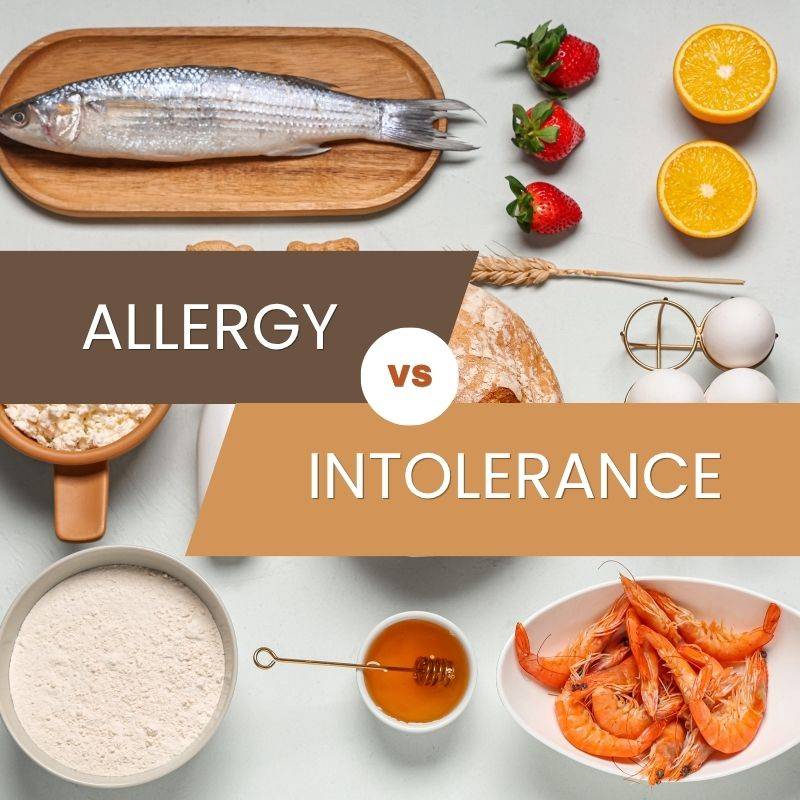
You may want to evaluate if you have food sensitivities or allergies that are creating more inflammation than providing nourishment. Sometimes we find that even the healthy foods people are eating are inflaming their bodies including joints, digestive tract, sinuses and more.
You may also want to determine if you have any key nutrient deficiencies that may be less than supportive of your exercise efforts, energy and vitality.
The key to leveraging the benefits of exercise is to know which workout best suits you based on your individual health picture.
There are many workouts out there so picking the right one for your unique health profile is crucial to staying motivated enough to continue and see results. For instance, if you have adrenal fatigue, HIIT (High-Intensity Interval Training) will likely leave you feeling worse than you do and may not help you hit your exercise goals. Running long distances may not help you lean-out based on your particular wellness picture. A functional medicine assessment will reveal some of these issues so you can make the correct choice from the get-go.
The bottom line is: you want to make sure your workout regimen is actually helping you to feel more vital and well, and not leaving you feeling depleted.
If you are ready to upgrade or start an exercise regimen, a comprehensive Functional Medicine evaluation is a great place to start. You’ll be assessed for areas that can be optimized to best support your workout efforts, to determine the level of activity that may be most supportive of you and your goals, and to improve your overall health.
We are here for you, and we want to help.
Our goal is to return you to optimal health as soon as possible. To schedule an appointment please call: 703-532-4892 x2
Dr. Gary Kaplan joined Elizabeth Clare Brewington, Elton R. Brewington, and Chaplain Kermit Jones, on Discover Brightside Video Podcast, to clear up some holiday wellness myths and share tips to stay healthy this season.
The holiday season is a time when we gather, share meals, and reconnect with the people we care about. While this time of year brings joy for many, it also carries emotional and historical complexity for others. As we celebrate, it’s important to hold space for those who may find this season challenging whether it be due to personal circumstances, health conditions, or past experiences. A moment of reflection and compassion can go a long way.
For many of us, holiday traditions revolve around food. Family recipes passed down for generations, special treats made only once or twice a year, and shared meals play a meaningful role in the festivities. However, when you’re living with gut issues or a chronic digestive condition, enjoying these foods can feel complicated. You might want to savor the flavors you love, but worry about how you’ll feel afterward.
The good news: you can still enjoy the holidays you just may need to navigate them a bit differently. Here are four helpful strategies to support your gut and your overall well-being this season:
1. Know Your Gut Status
Understanding your triggers is key. Before attending a gathering or preparing your own plate, check in with yourself. Knowing which foods your body tolerates and which ones consistently cause discomfort can help you make mindful choices without feeling deprived. Make sure to have your medications and supplements with you.
2. Respect Your Limitations
If there’s a particular dish you love, but can only handle in small amounts, give yourself permission to enjoy a little of it. Savor it slowly. Part of honoring your health is recognizing your boundaries and choosing not to push past them. Allergies and severe sensitives are exempt. Do not consume anything you are allergic to and/or can cause major bodily discomfort.
3. Put Your Fork Down Between Bites
This is something simple that can help you digest your food and connect with others. Take a bite, chew thoroughly, then set your fork down and enjoy conversation with the people around you. This naturally slows your pace, improves digestion, and gives your body time to signal fullness helping you feel satisfied without overeating.
4. Start Small
Begin with a small plate or small portions of each food. Give yourself about an hour to see how your body responds. If you’re tolerating things well, you can always return for more. Starting with large portions often leads to discomfort, feelings of shame, or feeling physically ill. Starting small gives you control.
Living with gut issues doesn’t mean you have to miss out on the joy of holiday meals. With a bit of awareness, pacing, and self-compassion, you can enjoy both the food and the company without compromising your well-being.
Enjoy and Happy Holidays!
Chardonée
Chardonée Donald is a Board-Certified Nutrition Specialist, Licensed Dietitian Nutritionist and Certified Behavioral Health Specialist. Having completed her degree requirements, Chardonée is in the final portion of her doctorate degree program in Integrative and Functional Nutrition from Saybrook University. She has a Bachelor of Science in Biomedical Science with a Minor in Nutrition and a Master of Science in Human Nutrition.
We are here for you, and we want to help.
Our goal is to return you to optimal health as soon as possible. To schedule an appointment please call: 703-532-4892 x2



















Want to Take Your Workout to the Next Level Next Year? These Tips Can Help
/in Lifestyle, Treatments/by Kaplan CenterThis is the time of year that many of us choose to upgrade work-out programs or maybe even start a new one. A successful fitness regimen requires thoughtful decision making and pre-workout preparation so you can get started, get the most out of your workouts, and ultimately meet your goals. Here are some tips from a functional medicine perspective on how to do just that and some insight on factors that may unknowingly hinder your progress.
Vitality and motivation are fundamental to feeling capable of healthy exercise and maintaining endurance.
If a lack of energy and motivation is keeping you from starting a new fitness program or taking an existing one to the next level, it may be a sign of a hormonal imbalance or another health issue coming to the surface.
Heart health, respiratory health, being free of allergies (especially, if working out outside), adrenal health, hormonal health, and thyroid health all affect your motivation levels and vitality. If any of these areas of health are out of balance, working out can prove challenging or even leave you feeling more depleted and unwilling to work out again. Here are some examples:
Functional medicine physicians evaluate core systems in the body and apply targeted interventions to correct and optimize areas that are indicating a dysfunction. Once those areas are addressed, your body will be restored with the vitality and motivation needed to focus on your fitness goals.
Are you too inflamed to work out?
Sometimes people are riddled with inflammation in the joints, ligaments, sinuses, and other areas of the body, and feel physically incapable of working out. Inflammation can be diagnosed and decreased or eliminated to better support you with an appropriate and healthy exercise regimen.
There are a lot of ways to lower inflammation without taking medication, like dietary modifications (more on diet and inflammation below!) and other proven techniques like acupuncture, meditation to lower stress, IV therapy and/or supplementation.
Are you eating a diet that energizes and supports you, or further depletes and inflames you?
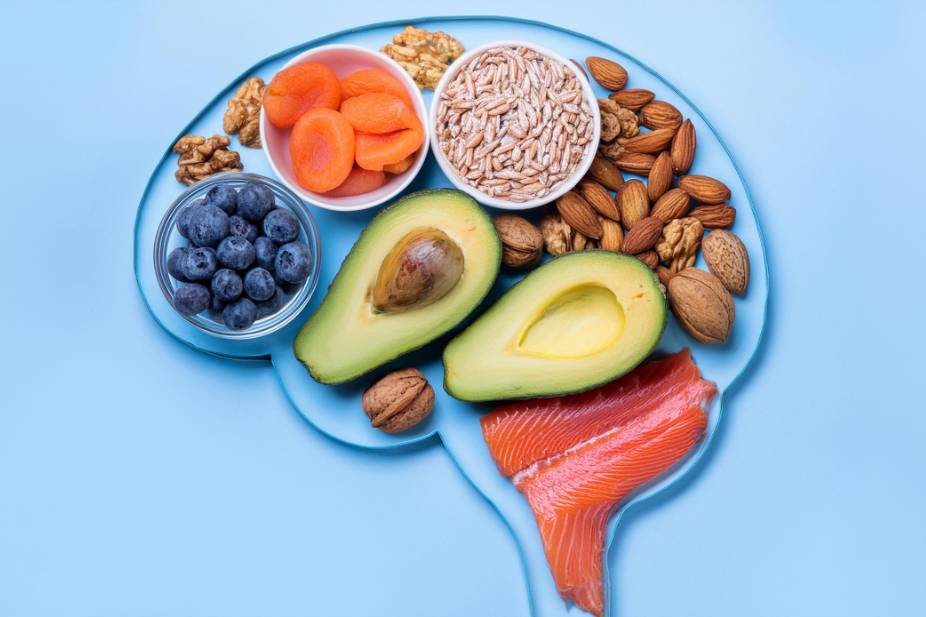
Food should nourish and energize you. Many of us are unaware that we are eating foods that are inflaming us rather than supporting us. This leaves us feeling heavier and more fatigued and often less motivated to work out.
You may want to evaluate if you have food sensitivities or allergies that are creating more inflammation than providing nourishment. Sometimes we find that even the healthy foods people are eating are inflaming their bodies including joints, digestive tract, sinuses and more.
You may also want to determine if you have any key nutrient deficiencies that may be less than supportive of your exercise efforts, energy and vitality.
The key to leveraging the benefits of exercise is to know which workout best suits you based on your individual health picture.
There are many workouts out there so picking the right one for your unique health profile is crucial to staying motivated enough to continue and see results. For instance, if you have adrenal fatigue, HIIT (High-Intensity Interval Training) will likely leave you feeling worse than you do and may not help you hit your exercise goals. Running long distances may not help you lean-out based on your particular wellness picture. A functional medicine assessment will reveal some of these issues so you can make the correct choice from the get-go.
The bottom line is: you want to make sure your workout regimen is actually helping you to feel more vital and well, and not leaving you feeling depleted.
If you are ready to upgrade or start an exercise regimen, a comprehensive Functional Medicine evaluation is a great place to start. You’ll be assessed for areas that can be optimized to best support your workout efforts, to determine the level of activity that may be most supportive of you and your goals, and to improve your overall health.
We are here for you, and we want to help.
Our goal is to return you to optimal health as soon as possible. To schedule an appointment please call: 703-532-4892 x2
Dr. Kaplan’s Dos and Don’ts of the Holiday Season
/in Wellness/by Kaplan CenterDr. Gary Kaplan joined Elizabeth Clare Brewington, Elton R. Brewington, and Chaplain Kermit Jones, on Discover Brightside Video Podcast, to clear up some holiday wellness myths and share tips to stay healthy this season.
For more on staying healthy through the holidays, read Tips to Stay Healthy Through the Holidays.
We are here for you, and we want to help.
Our goal is to return you to optimal health as soon as possible. To schedule an appointment please call: 703-532-4892 x2
Navigating Holiday Meals with Gut Issues: Simple Tips for a Comfortable Season
/in Nutrition, Wellness/by Chardonée Donald, MS, CBHS, CHN, CNS, LDNThe holiday season is a time when we gather, share meals, and reconnect with the people we care about. While this time of year brings joy for many, it also carries emotional and historical complexity for others. As we celebrate, it’s important to hold space for those who may find this season challenging whether it be due to personal circumstances, health conditions, or past experiences. A moment of reflection and compassion can go a long way.
For many of us, holiday traditions revolve around food. Family recipes passed down for generations, special treats made only once or twice a year, and shared meals play a meaningful role in the festivities. However, when you’re living with gut issues or a chronic digestive condition, enjoying these foods can feel complicated. You might want to savor the flavors you love, but worry about how you’ll feel afterward.
The good news: you can still enjoy the holidays you just may need to navigate them a bit differently. Here are four helpful strategies to support your gut and your overall well-being this season:
1. Know Your Gut Status
Understanding your triggers is key. Before attending a gathering or preparing your own plate, check in with yourself. Knowing which foods your body tolerates and which ones consistently cause discomfort can help you make mindful choices without feeling deprived. Make sure to have your medications and supplements with you.
2. Respect Your Limitations
If there’s a particular dish you love, but can only handle in small amounts, give yourself permission to enjoy a little of it. Savor it slowly. Part of honoring your health is recognizing your boundaries and choosing not to push past them. Allergies and severe sensitives are exempt. Do not consume anything you are allergic to and/or can cause major bodily discomfort.
3. Put Your Fork Down Between Bites
This is something simple that can help you digest your food and connect with others. Take a bite, chew thoroughly, then set your fork down and enjoy conversation with the people around you. This naturally slows your pace, improves digestion, and gives your body time to signal fullness helping you feel satisfied without overeating.
4. Start Small
Begin with a small plate or small portions of each food. Give yourself about an hour to see how your body responds. If you’re tolerating things well, you can always return for more. Starting with large portions often leads to discomfort, feelings of shame, or feeling physically ill. Starting small gives you control.
Living with gut issues doesn’t mean you have to miss out on the joy of holiday meals. With a bit of awareness, pacing, and self-compassion, you can enjoy both the food and the company without compromising your well-being.
Enjoy and Happy Holidays!
Chardonée
Chardonée Donald is a Board-Certified Nutrition Specialist, Licensed Dietitian Nutritionist and Certified Behavioral Health Specialist. Having completed her degree requirements, Chardonée is in the final portion of her doctorate degree program in Integrative and Functional Nutrition from Saybrook University. She has a Bachelor of Science in Biomedical Science with a Minor in Nutrition and a Master of Science in Human Nutrition.
We are here for you, and we want to help.
Our goal is to return you to optimal health as soon as possible. To schedule an appointment please call: 703-532-4892 x2