So exhausting, it’s all many of my patients can do to get dressed and come to the Kaplan Center to see me.
Some are children and teens confined to a wheelchair. Many are suicidal because they believe this is all the rest of their life holds. And the frightening thing is I can’t promise them they are wrong.
And in this season of love towards all people, your year-end help should go where you can feel you truly made a difference.
I formed the non-profit Foundation for Total Recovery because I know what causes this scourge.
Incredibly, I have discovered that conditions including:
Chronic Pain Syndrome
Chronic Migraine
Fibromyalgia
Chronic Fatigue
Chronic Lyme Disease
PANDAS (Pediatric Autoimmune Neuropsychiatric Disorders Associated with Streptococcus)
Depression
Anxiety
PTSD
are not diseases in themselves, but actually symptoms of an underlying inflammation of the brain – a neuroinflammatory disease causing a “brain on fire.”
I know it is stunning, but it is also absolutely true.
I established the Foundation for Total Recovery in 2015 to provide support and find a cure for all who suffer from chronic pain and depression by educating patients, building an online community of patients, doctors and researchers, partnering with leading researchers, academics and innovators, and studying data to find a baseline approach to diagnosing and curing neuroinflammation.
The Foundation serves thousands of people, nationally and internationally, through a variety of research and outreach programs, specifically our annual autoimmune focused conference.
Our mission is to better understand, diagnose, treat, and ultimately prevent the progression of neuroinflammatory disease.
I believe it’s a noble mission.
Your investment and support will help us complete the funding to continue driving change for a critical group of underserved people.
To help us with a tax-deductible donation before the end of the year, just click here:
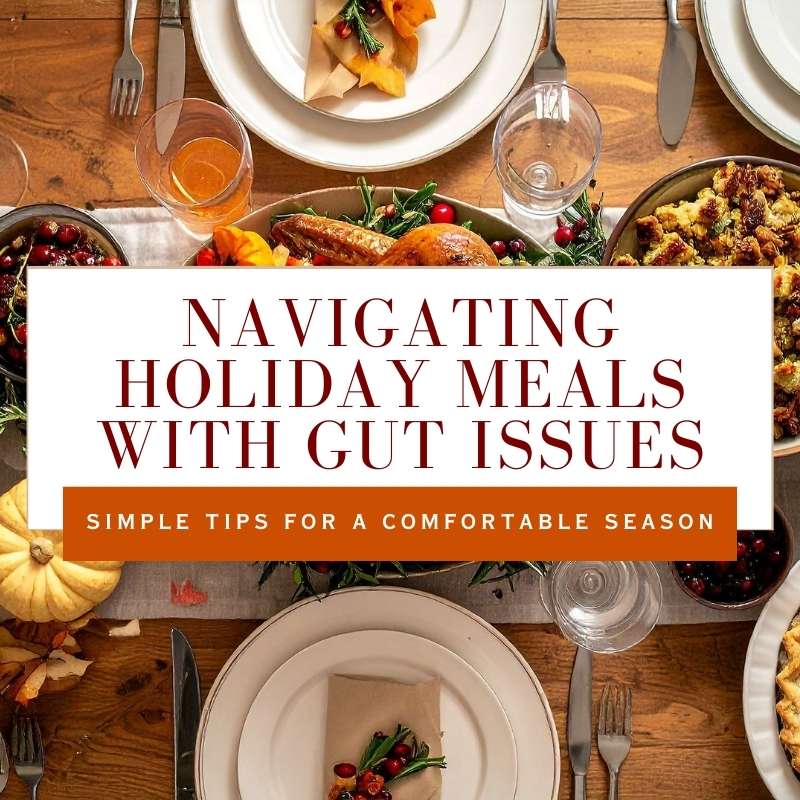
One of the best tips for eating well at holiday gatherings is to bring a healthy dish for all to enjoy. All of the ingredients can be found at your local grocery store or Target so if you are traveling and need an easy and healthy dish for your gathering or potluck, this salad recipe will have you covered!
Winter Mixed Greens Salad with Maple Cider Vinaigrette
Salad ingredients:
5 oz. organic spring mix
1 medium sized apple, cored and thinly sliced
1 cup chopped pecans
6 oz. feta cheese crumbles
½ cup dried cranberries
4 oz. pomegranate arils (seeds)
½ small red onion, thinly sliced
Dressing ingredients:
½ cup extra virgin olive oil
¼ cup apple cider vinegar
2 Tbsp. pure maple syrup
2 tsp. whole grain or Dijon mustard
2 cloves garlic, minced
Sea salt and fresh ground black pepper to taste
Instructions:
Prepare the dressing according to the recipe, which can be made up to 3 days in advance
Assemble the salad, toss with dressing and serve.
—
Variations:
Lettuce: You can substitute any greens of choice. Spinach, kale, shredded brussels sprouts, arugula
Nuts: Any chopped nuts or seeds could work- walnuts, slivered almonds, pistachios, pumpkin seeds, sunflower seeds, or none
Cheese: Goat cheese or raw cheddar cheese or none for a dairy free option
Vegetables/Fruits: Substitute or add pear, roasted butternut squash, orange or grapefruit supremes (segments), fennel, or roasted beets
The holiday season is a stressful time of year for most everyone but for survivors of childhood abuse and neglect it may be especially difficult. Holidays that are also the anniversary of trauma can be the most painful form of re-experiencing for survivors and their families. We offer the following recommendations from authors we trust to provide you with valuable information, validation, treatment strategies, and hope.
These resources — books, videos and websites — are designed to give beneficial perspectives for various aspects of the healing process. However, if you find that engaging with the information is triggering for you in the moment, just set it aside and do grounding exercises. You can always come back to it later.
And, throughout this season remember to take care of yourself. We suggest that you set good boundaries and communicate them to others, allow yourself time to grieve, work on creating new memories and traditions, and above all else, be gentle with yourself. This stuff is hard but well worth the effort!
Books on how trauma affects the brain, body, and nervous system, and interventions for recovery:
For information about trauma in the body and helpful interventions:
The Body Keeps the Score: Mind, Brain and Body in the Transformation of Trauma by Bessel van der Kolk
There are many useful books when it comes to understanding how trauma affects the body/mind connection, and because different authors will resonate with each of us in different ways we are listing several that can be helpful. However, one stands out in its ability to reach a large number of people. The Body Keeps the Score: Mind, Brain and Body in the Transformation of Trauma by Bessel van der Kolk has remained on the the New York Times best sellers list for over four years now — and some of that time it was #1 on the list! Pretty incredible for a book on trauma that was released more than eight years ago.
In The Body Keeps the Score, van der Kolk seeks to take away the shame of trauma and normalize trauma responses in the process. He encourages the reader to recognize the powerful connections between mind and body drawing on his own personal experience, his work with patients, and his in-depth research to recommend treatment methods such as mindfulness, yoga, and EMDR. He also recognizes that human connection — safe connection and communication with another human being — is one of the most important and effective ways to heal the wounds of past and live more fully.
Why read this book?
To understand how the body actually does keep the score. Overwhelming experiences that remain unprocessed can continue to effect how you think about yourself, how your react to stress, your physical well-being and your ability to connect with others:
To learn the healing power of techniques ranging from age-old practices (meditation, martial arts, theater and yoga) to modern day mind/body therapies (EMDR) and cutting edge neuroscience (neuro-biofeedback).
To understand the extraordinary growth and resilience that is born out of surviving and healing trauma.
Bessel van der Kolk is the founder and medical director of the Trauma Research Foundation in Brookline, Massachusetts and is a professor of psychiatry at Boston University Medical School. Through training, research, and his own life experiences Bessel van der Kolk is an expert in the physiology and neuroscience of trauma. A psychiatrist who is people-oriented rather than pill-based, his writings provide relevant and accessible information on how to adapt to traumatic experiences.
For building resilience:
Bouncing Back: Rewiring Your Brain for Maximum Resilience and Well-Being by Linda Graham
Linda Graham is an experienced psychotherapist who lectures internationally on mindfulness skills and resilience exercises to help rebuild our core well-being, cultivate positive emotions, and develop healthier relationships. There is something so optimistic and comforting in the understanding that brains really can be re-wired and that resilience is innate in our being.
Why read this book?
Learn to cultivate positive emotions – gratitude, kindness, compassion, awe, joy, delight – that foster more openness to learning, more optimism, more learning and growth, and lead directly to more resilience.
Learn dozens of powerful strategies that create new habits of coping and building a mindset that allows you to transform adversity into learning and growth.
Explore the lifestyle choices and practices that maintain your capacities and strategies for resilience over the long haul.
For exploring courage, vulnerability and shame:
The Gifts of Imperfection: Your Guide to a WholeHearted Life by Brene Brown
Your Guide to a WholeHearted Life is always an easy and heartening read. Brown is often profound, sometimes profane, and can be laugh-out-loud funny in her compassionate exploration of human emotions. She helps us understand that imperfections aren’t inadequacies, just reminders that we’re all in this together. Also, go to brenebrown.com for a complete list of books, podcasts, assessments, and other guides on courage, vulnerability, shame and empathy.
The website self-compassion.org is a fantastic resource. You can test your own levels of self-compassion in areas such as self-judgment, isolation, over-identification, and common humanity. The website also explains why self-compassion is so important and provides many guided practices and exercises to help you along your healing path.
We are here for you, and we want to help.
Our goal is to return you to optimal health as soon as possible. To schedule an appointment please call: 703-532-4892 x2
This post was originally published in December 2022. It was reviewed on October 14, 2024.






With your help, finding a cure for neuroinflammatory disease IS possible
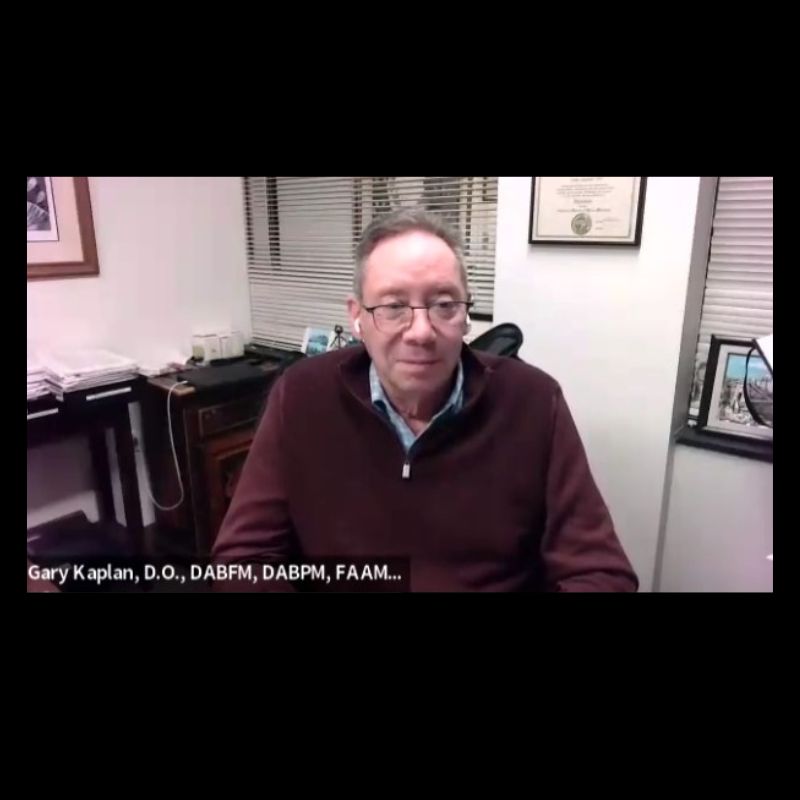
/in News/by Gary Kaplan, DOHave you ever seen a brain on fire?
I see it every day and it is tragic.
So debilitating.
So exhausting, it’s all many of my patients can do to get dressed and come to the Kaplan Center to see me.
Some are children and teens confined to a wheelchair. Many are suicidal because they believe this is all the rest of their life holds. And the frightening thing is I can’t promise them they are wrong.
That’s why I’m writing today. Because your donation can truly help stop this tragedy.
And in this season of love towards all people, your year-end help should go where you can feel you truly made a difference.
I formed the non-profit Foundation for Total Recovery because I know what causes this scourge.
Incredibly, I have discovered that conditions including:
are not diseases in themselves, but actually symptoms of an underlying inflammation of the brain – a neuroinflammatory disease causing a “brain on fire.”
I know it is stunning, but it is also absolutely true.
I established the Foundation for Total Recovery in 2015 to provide support and find a cure for all who suffer from chronic pain and depression by educating patients, building an online community of patients, doctors and researchers, partnering with leading researchers, academics and innovators, and studying data to find a baseline approach to diagnosing and curing neuroinflammation.
The Foundation serves thousands of people, nationally and internationally, through a variety of research and outreach programs, specifically our annual autoimmune focused conference.
Our mission is to better understand, diagnose, treat, and ultimately prevent the progression of neuroinflammatory disease.
I believe it’s a noble mission.
Your investment and support will help us complete the funding to continue driving change for a critical group of underserved people.
To help us with a tax-deductible donation before the end of the year, just click here:
Blessings of the holiday season to you and all you hold dear.
Thank You and Happy Holidays,
Dr. Gary Kaplan
President, Foundation for Total Recovery
PS: I am eternally grateful to you and promise I will fight for these suffering people every day of my life as a physician and healer.
They tell me people always read the PS so here is my message: Thank you, have a happy and healthy new year, and please: CLICK HERE
Healthy Holiday Winter Mixed Greens Salad with Maple Cider Vinaigrette
/in Nutrition/by Kaplan CenterOne of the best tips for eating well at holiday gatherings is to bring a healthy dish for all to enjoy. All of the ingredients can be found at your local grocery store or Target so if you are traveling and need an easy and healthy dish for your gathering or potluck, this salad recipe will have you covered!
Winter Mixed Greens Salad with Maple Cider Vinaigrette
Salad ingredients:
Dressing ingredients:
Instructions:
—
Variations:
WANT TO TRY THIS AT HOME? DOWNLOAD THE RECIPE
Book Recommendations for Adult Survivors of Childhood Abuse During the Holidays
/in Lifestyle, Mental Health, Wellness/by Jodi Brayton, LCSWThe holiday season is a stressful time of year for most everyone but for survivors of childhood abuse and neglect it may be especially difficult. Holidays that are also the anniversary of trauma can be the most painful form of re-experiencing for survivors and their families. We offer the following recommendations from authors we trust to provide you with valuable information, validation, treatment strategies, and hope.
These resources — books, videos and websites — are designed to give beneficial perspectives for various aspects of the healing process. However, if you find that engaging with the information is triggering for you in the moment, just set it aside and do grounding exercises. You can always come back to it later.
And, throughout this season remember to take care of yourself. We suggest that you set good boundaries and communicate them to others, allow yourself time to grieve, work on creating new memories and traditions, and above all else, be gentle with yourself. This stuff is hard but well worth the effort!
Books on how trauma affects the brain, body, and nervous system, and interventions for recovery:
Books/Resources on building resilience and dealing with the feelings of shame and vulnerability:
Book/Resources on mindfulness, self-compassion, and radical acceptance:
Wondering where to begin?
For information about trauma in the body and helpful interventions:
The Body Keeps the Score: Mind, Brain and Body in the Transformation of Trauma by Bessel van der Kolk
There are many useful books when it comes to understanding how trauma affects the body/mind connection, and because different authors will resonate with each of us in different ways we are listing several that can be helpful. However, one stands out in its ability to reach a large number of people. The Body Keeps the Score: Mind, Brain and Body in the Transformation of Trauma by Bessel van der Kolk has remained on the the New York Times best sellers list for over four years now — and some of that time it was #1 on the list! Pretty incredible for a book on trauma that was released more than eight years ago.
In The Body Keeps the Score, van der Kolk seeks to take away the shame of trauma and normalize trauma responses in the process. He encourages the reader to recognize the powerful connections between mind and body drawing on his own personal experience, his work with patients, and his in-depth research to recommend treatment methods such as mindfulness, yoga, and EMDR. He also recognizes that human connection — safe connection and communication with another human being — is one of the most important and effective ways to heal the wounds of past and live more fully.
Why read this book?
For building resilience:
Bouncing Back: Rewiring Your Brain for Maximum Resilience and Well-Being by Linda Graham
Linda Graham is an experienced psychotherapist who lectures internationally on mindfulness skills and resilience exercises to help rebuild our core well-being, cultivate positive emotions, and develop healthier relationships. There is something so optimistic and comforting in the understanding that brains really can be re-wired and that resilience is innate in our being.
Why read this book?
For exploring courage, vulnerability and shame:
The Gifts of Imperfection: Your Guide to a WholeHearted Life by Brene Brown
Your Guide to a WholeHearted Life is always an easy and heartening read. Brown is often profound, sometimes profane, and can be laugh-out-loud funny in her compassionate exploration of human emotions. She helps us understand that imperfections aren’t inadequacies, just reminders that we’re all in this together. Also, go to brenebrown.com for a complete list of books, podcasts, assessments, and other guides on courage, vulnerability, shame and empathy.
For exploring mindfulness and self-compassion:
www.self-compassion.org
The website self-compassion.org is a fantastic resource. You can test your own levels of self-compassion in areas such as self-judgment, isolation, over-identification, and common humanity. The website also explains why self-compassion is so important and provides many guided practices and exercises to help you along your healing path.
We are here for you, and we want to help.
Our goal is to return you to optimal health as soon as possible. To schedule an appointment please call: 703-532-4892 x2
This post was originally published in December 2022. It was reviewed on October 14, 2024.