Burnout and/or fatigue can have costly impacts–both on our bodies and our output. Dr. Gary shares some insights on why fatigue is a symptom, not the disease, and what to check for with your doctor in this article.
Therapeutic Plasma Exchange (TPE) is no longer a treatment used in the hospitals’ ICU—it’s rapidly expanding as a powerful tool in modern medicine.
In this video, Dr. Gary explains what TPE is, how it works, and why more physicians are using it to treat more conditions, including chronic illnesses, Alzheimer’s, and for longevity.
TPE, also known as plasmapheresis, involves removing and replacing plasma to eliminate harmful substances like autoantibodies, inflammatory proteins, and toxins from the bloodstream. While it has traditionally been used in acute, life-threatening situations, new research and clinical experience are showing its potential in outpatient and chronic care settings.
In this video, you’ll learn:
What Therapeutic Plasma Exchange (TPE) is
How plasmapheresis works in the body
Conditions that may benefit from TPE (including autoimmune and inflammatory diseases)
Why TPE is expanding beyond the ICU into outpatient clinics
What patients can expect during treatment
What the latest studies have shown
Dr. Gary Kaplan’s own personal story about Alzheimer’s and TPE
If you or a loved one are dealing with Alzheimer’s, chronic illness, or persistent inflammation, this video will help you understand whether TPE may be worth discussing with your healthcare provider.
Schedule a consultation with us by calling (703)532-4892 today.
We are here for you, and we want to help.
Our goal is to return you to optimal health as soon as possible. To schedule an appointment please call: 703-532-4892 x2
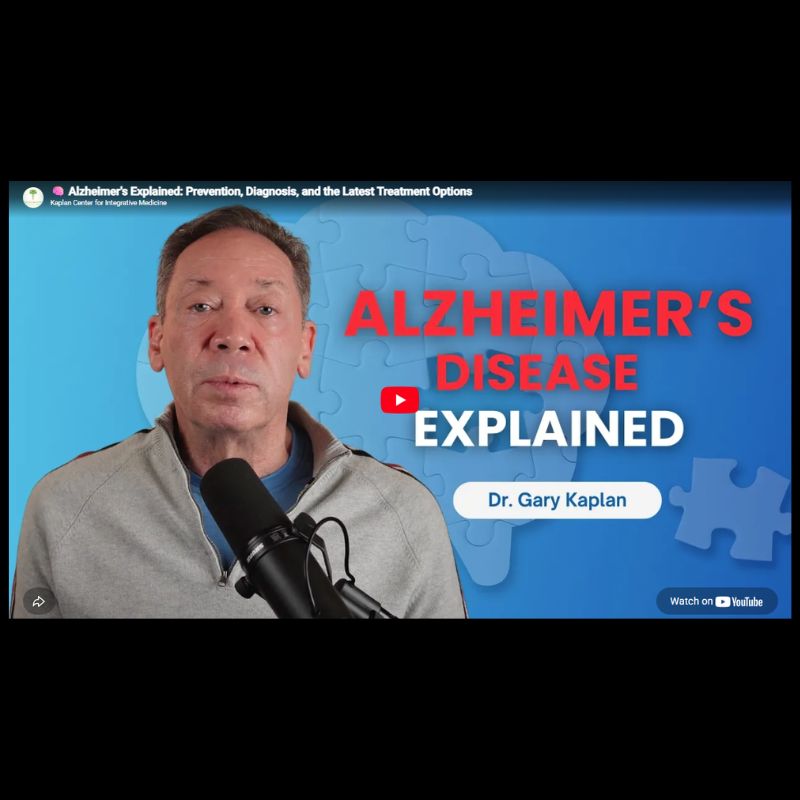
Alzheimer’s disease is a heartbreaking disease. Thankfully, there are more research discoveries being made, making prevention and effective treatment more possible.
In this video, Dr. Gary Kaplan explains:
What is Alzheimer’s and dementia
Different types of dementia
Who is more likely to get diagnosed with Alzheimer’s
Alzheimer’s symptoms
How far ahead Alzheimer’s can be detected
What tests and diagnostics are available to detect Alzheimer’s
Lifestyle risks and how Alzheimer’s can be prevented
The latest treatments are available for Alzheimer’s and the science behind them
Long-term support needs and support for Alzheimer’s patients
What Causes Alzheimer’s Disease
Alzheimer’s occurs when synapses in the brain’s neurons, its nerve cells, are destroyed by amyloid plaques, along with “tangles” in the cells that lead to loss of brain function. This leads to the progressive deterioration of memory and can cause behavioral issues like aggression, hallucinations, delusion or daily activities such as conversation.
However, Alzheimer’s and cognitive decline are not sudden events. More and more studies show that they are the result of years of biological change, often involving inflammation, immune activation, vascular dysfunction, and metabolic stress.
Risk Factors for Alzheimer’s Disease and Dementia
Diabetes: Alzheimer’s disease is sometimes called “type 3 diabetes,” as type 2 diabetes and prediabetes are strongly linked to Alzheimer’s due to insulin resistance. Excess sugar consumption causes the pancreas to outpour insulin, which creates insulin resistance. Insulin is critical for brain function, and the elevated sugar levels damages blood vessels and impairs the brain, kidneys, eyes and peripheral nerves. The good news is diabetes is a preventable risk factor for dementia.
Environmental Factors: Preventable, environmental factors also contribute to an increased chance of developing Alzheimer’s, such as:
Heavy metals (cadmium, arsenic, lead, mercury, manganese). These can be from contaminated food, water, pollution, pesticides
Mold (damages the nervous system), which can be found in water-damaged buildings
Genetics: There are several genes that can predispose to Alzheimer’s, such as the ApoE4. However, having a particular gene doesn’t mean it will be expressed. Lifestyle factors can help determine how genes are expressed. Continue reading about Alzheimer’s Disease & Cognitive Decline →
We are here for you, and we want to help.
Our goal is to return you to optimal health as soon as possible. To schedule an appointment please call: 703-532-4892 x2





















Dr. Gary Speaks to Super Age on Finding the Root Cause of Fatigue
/in Chronic Fatigue, Featured Press, Wellness/by Kaplan CenterBurnout and/or fatigue can have costly impacts–both on our bodies and our output. Dr. Gary shares some insights on why fatigue is a symptom, not the disease, and what to check for with your doctor in this article.
Read “The Hidden Costs of Fatigue” on Super Age.
Super Age, is a media brand exploring longevity science and active-oriented well-being.
Therapeutic Plasma Exchange: What It Is, Who It’s For & Why It’s Moving Beyond the ICU
/in Treatments/by Kaplan CenterTherapeutic Plasma Exchange (TPE) is no longer a treatment used in the hospitals’ ICU—it’s rapidly expanding as a powerful tool in modern medicine.
In this video, Dr. Gary explains what TPE is, how it works, and why more physicians are using it to treat more conditions, including chronic illnesses, Alzheimer’s, and for longevity.
TPE, also known as plasmapheresis, involves removing and replacing plasma to eliminate harmful substances like autoantibodies, inflammatory proteins, and toxins from the bloodstream. While it has traditionally been used in acute, life-threatening situations, new research and clinical experience are showing its potential in outpatient and chronic care settings.
In this video, you’ll learn:
If you or a loved one are dealing with Alzheimer’s, chronic illness, or persistent inflammation, this video will help you understand whether TPE may be worth discussing with your healthcare provider.
Schedule a consultation with us by calling (703)532-4892 today.
We are here for you, and we want to help.
Our goal is to return you to optimal health as soon as possible. To schedule an appointment please call: 703-532-4892 x2
Alzheimer’s Disease Explained: Prevention, Diagnosis, and the Latest Treatment Options
/in Cognitive Health/by Kaplan CenterAlzheimer’s disease is a heartbreaking disease. Thankfully, there are more research discoveries being made, making prevention and effective treatment more possible.
In this video, Dr. Gary Kaplan explains:
What Causes Alzheimer’s Disease
Alzheimer’s occurs when synapses in the brain’s neurons, its nerve cells, are destroyed by amyloid plaques, along with “tangles” in the cells that lead to loss of brain function. This leads to the progressive deterioration of memory and can cause behavioral issues like aggression, hallucinations, delusion or daily activities such as conversation.
However, Alzheimer’s and cognitive decline are not sudden events. More and more studies show that they are the result of years of biological change, often involving inflammation, immune activation, vascular dysfunction, and metabolic stress.
Risk Factors for Alzheimer’s Disease and Dementia
We are here for you, and we want to help.
Our goal is to return you to optimal health as soon as possible. To schedule an appointment please call: 703-532-4892 x2