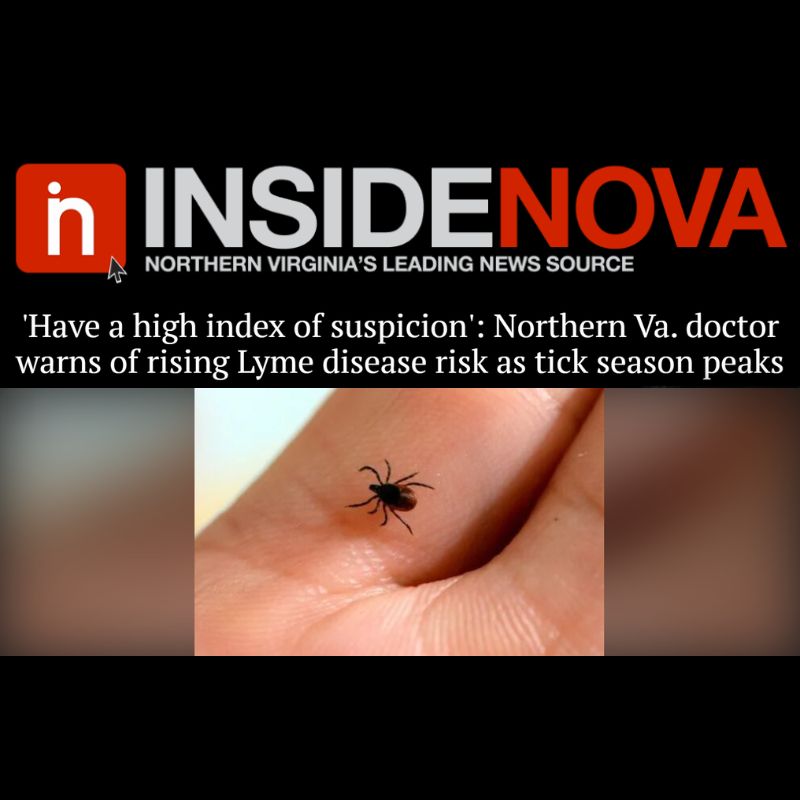
Tick-borne illnesses like Lyme disease are often misunderstood, misdiagnosed, and missed entirely—leading to years of unnecessary suffering.
In this video, Dr. Kaplan breaks down what tick-borne illness really is, why Lyme disease is known as “The Great Imitator,” and how it can mimic serious conditions like multiple sclerosis, Alzheimer’s disease, bipolar disorder, ADHD, and severe depression.
You’ll learn how Lyme disease progresses through its three stages, the surprising and often overlooked symptoms, and how infections—and their co-infections—can cross the blood-brain barrier, triggering neuroinflammation, OCD, mood disorders, and even sudden behavioral changes.
Dr. Kaplan also explains the critical danger of treating infection-driven psychiatric symptoms with standard psychiatric medications alone—without identifying the root cause. When underlying infections like Lyme, Bartonella, or Babesia are left untreated, they can continue to damage the brain and nervous system over time.
You’ll also discover:
– Why standard Lyme testing (like ELISA) can miss up to 30% of cases
– When to test after a tick bite—and why timing matters
– The role of co-infections like Bartonella and Babesia in chronic illness
– How tick-borne diseases can contribute to treatment-resistant psychiatric symptoms
– The best way to remove a tick and what to do immediately after a bite
– Current treatment approaches and whether Lyme disease is fully curable
If you live in a high-risk area or spend time outdoors, understanding early detection and proper treatment could make all the difference.
We are here for you, and we want to help.
Our goal is to return you to optimal health as soon as possible. To schedule an appointment please call: 703-532-4892 x2
When most people think about food allergies, they picture a child with peanut allergies having to navigate peanut-free environments and parents diligently reading food labels. However, food allergies are not limited to childhood and can develop at any stage of life.
For many adults, the sudden onset of food allergies can be confusing, frustrating, and can feel overwhelming. However, from an integrative and functional nutrition perspective, it offers an important opportunity to explore what is going on in the body and identify the root causes of the immune dysfunction.
WHY AWARENESS MATTERS
During Food Allergy Awareness Week (May 10-16, 2026), it is important to recognize that adult-onset food allergies are often a signal of an underlying imbalance that has occurred in the body. Many individuals dismiss early symptoms or get them confused with food sensitivities, delaying proper diagnosis and missing the opportunity to address the root cause.
Can someone really develop a food allergy as an adult?
This is a common question. Yes, while some individuals outgrow childhood allergies, others can unfortunately develop new sensitivities—or even true allergies—later in life. This can be due to many different contributing factors:
Gut dysfunction or “leaky gut” – When the gut lining becomes compromised, larger food particles can enter the blood stream and trigger an immune response
Microbiome imbalance – When the gut’s microbiome is out of balance the immune system can become hypersensitive to pollen and food proteins, leading to allergic reactions and increased histamine production.
Toxin exposure – Environmental toxins contribute to inflammation and immune dysregulation.
Hormonal changes – Hormonal shifts can act as triggers to how the body (immune system) reacts to previously harmless substances.
Chronic stress – Stress as a factor in allergies? Yes, ongoing stress can impair a person’s gut health, weaken immune balance, and increase inflammation.
Chronic infections – Persistent infections may overstimulate the immune system, making it more reactive over time.
Chronic inflammation – Long-term inflammation can disrupt immune function and contribute to the development of food sensitivities or allergies.
Over time, the factors above can heighten immune reactivity and influence the development of food allergies.
Common Adult-Onset Food Allergies
The more common adult-onset food allergies include:
Peanuts
Fish
Soy
Wheat
Tree nuts
Shellfish (crap, lobster, and shrimp)
Recognizing The Symptoms
Symptoms can range from mild to severe and may include:
Anaphylaxis, a life-threatening reaction requiring immediate medical attention.
What To Do If You Suspect A Food Allergy or Food Sensitivity
If someone suspects a new food allergy, evaluation by an allergist is important—especially if reactions are becoming more severe or unpredictable. In the meantime, keep a detailed food and symptom journal and avoid suspected trigger foods until you’ve been evaluated.
Once diagnosed, make sure to carry emergency medication at all times, if they have been prescribed.
Finally, make sure to follow up with a functional medical professional for treatment. A functional medicine provider will look beyond symptom reduction and address all of the underlying factors that may be contributing to immune dysregulation—to improve overall immune resilience, gut health, and long-term quality of life.
Living With A Food Allergy As An Adult
Adjusting to a new food allergy later in life can be challenging, but with the right support, it can be manageable. With education, personalized nutrition strategies, and mindful food choices, individuals can maintain a nourishing, safe, and enjoyable lifestyle.
Be Well,
Chardonèe
We are here for you, and we want to help.
Our goal is to return you to optimal health as soon as possible. To schedule an appointment please call: 703-532-4892 x2
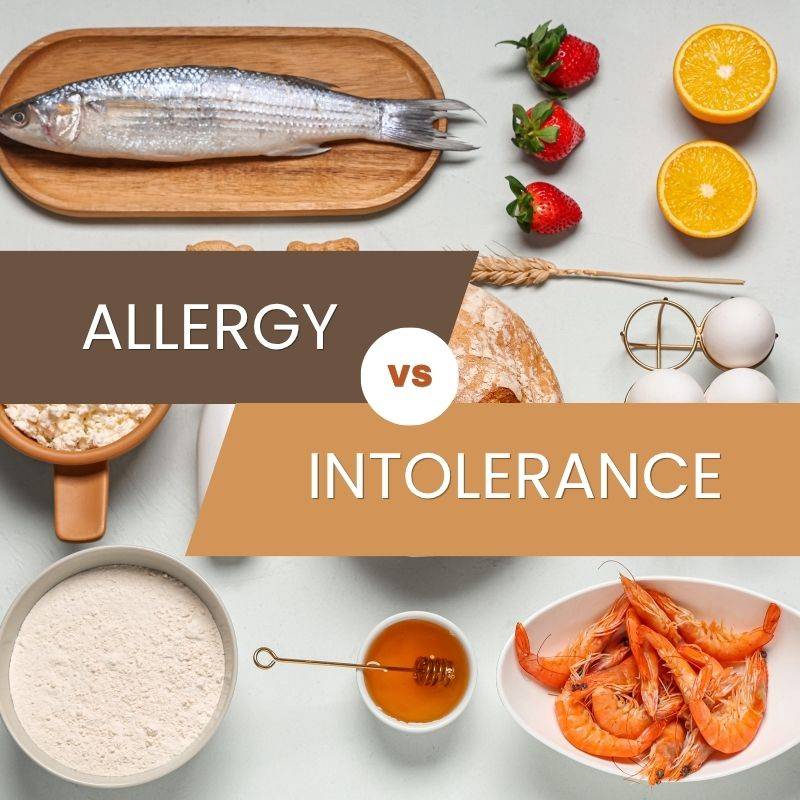
The terms “food allergy” and “food sensitivity” are often used interchangeably, but they represent very different processes in the body. Understanding the difference is essential not only for safety, but also for supporting long-term health and identifying root causes.
What is a Food Allergy?
A food allergy is an immediate immune response, typically involving IgE antibodies.
When someone with a food allergy consumes a trigger food, their immune system reacts quickly, releasing histamine and other inflammatory chemicals in the body. This type of reaction can be moderate up to life-threatening.
Key Characteristics of Food Allergies:
Immediate immune (IgE) response
Symptoms can appear within a few seconds to a few minutes
Can cause severe reactions, including anaphylaxis
Even trace amounts can trigger a reaction
Requires strict avoidance and emergency protocols
What is Food Sensitivity (or Intolerance)?
Food sensitivities are more complex and are a major focus in functional nutrition. Unlike allergies, sensitivities often involve delayed immune responses (such as IgG) or non-immune mechanisms related to digestion and gut health.
From a functional standpoint, food sensitivities are often symptoms of underlying imbalances such as gut inflammation, enzyme deficiencies, increased intestinal permeability (leaky gut), gut inflammation, or dysbiosis (imbalanced gut bacteria).
Typically not life-threatening, but can still have uncomfortable symptoms
May improve when underlying imbalances are addressed.
Skin rash or flushing
Common Symptoms Compared
Food Allergy Symptoms
Hives
Swelling of face, lips, or throat
Difficulty breathing
Rapid onset
Anaphylaxis
Bloating and gas
Diarrhea or constipation
Food Sensitivity Symptoms
Headache
Skin issues (may or may not present with hives)
Onset may take hours to days
Joint pain or inflammation
Fatigue or brain fog
Bloating and gas
Diarrhea or constipation
Food allergies and sensitivities may share some similar symptoms, but they differ significantly in cause, severity, and approach to care.
Sensitivities offer an opportunity to uncover and address deeper imbalances in the body. During Food Allergy Awareness Week, understanding these distinctions empowers individuals to not only stay safe but also take a proactive, root-cause approach to their health and wellness.
Be Well,
Chardonèe
We are here for you, and we want to help.
Our goal is to return you to optimal health as soon as possible. To schedule an appointment please call: 703-532-4892 x2


















Tick-Borne Illness & Lyme Disease: What It Is, Why It’s Missed, and How to Protect Yourself Early
/in Lyme and Chronic Lyme, Toxicity, Wellness/by Kaplan CenterTick-borne illnesses like Lyme disease are often misunderstood, misdiagnosed, and missed entirely—leading to years of unnecessary suffering.
In this video, Dr. Kaplan breaks down what tick-borne illness really is, why Lyme disease is known as “The Great Imitator,” and how it can mimic serious conditions like multiple sclerosis, Alzheimer’s disease, bipolar disorder, ADHD, and severe depression.
You’ll learn how Lyme disease progresses through its three stages, the surprising and often overlooked symptoms, and how infections—and their co-infections—can cross the blood-brain barrier, triggering neuroinflammation, OCD, mood disorders, and even sudden behavioral changes.
Dr. Kaplan also explains the critical danger of treating infection-driven psychiatric symptoms with standard psychiatric medications alone—without identifying the root cause. When underlying infections like Lyme, Bartonella, or Babesia are left untreated, they can continue to damage the brain and nervous system over time.
You’ll also discover:
– Why standard Lyme testing (like ELISA) can miss up to 30% of cases
– When to test after a tick bite—and why timing matters
– The role of co-infections like Bartonella and Babesia in chronic illness
– How tick-borne diseases can contribute to treatment-resistant psychiatric symptoms
– The best way to remove a tick and what to do immediately after a bite
– Current treatment approaches and whether Lyme disease is fully curable
If you live in a high-risk area or spend time outdoors, understanding early detection and proper treatment could make all the difference.
We are here for you, and we want to help.
Our goal is to return you to optimal health as soon as possible. To schedule an appointment please call: 703-532-4892 x2
Developing Food Allergies in Adulthood
/in Inflammation, Nutrition/by Chardonée Donald, MS, CBHS, CHN, CNS, LDNWhen most people think about food allergies, they picture a child with peanut allergies having to navigate peanut-free environments and parents diligently reading food labels. However, food allergies are not limited to childhood and can develop at any stage of life.
For many adults, the sudden onset of food allergies can be confusing, frustrating, and can feel overwhelming. However, from an integrative and functional nutrition perspective, it offers an important opportunity to explore what is going on in the body and identify the root causes of the immune dysfunction.
WHY AWARENESS MATTERS
During Food Allergy Awareness Week (May 10-16, 2026), it is important to recognize that adult-onset food allergies are often a signal of an underlying imbalance that has occurred in the body. Many individuals dismiss early symptoms or get them confused with food sensitivities, delaying proper diagnosis and missing the opportunity to address the root cause.
Click here to read more about the difference between food allergies and food sensitivities/intolerances.
Can someone really develop a food allergy as an adult?
This is a common question. Yes, while some individuals outgrow childhood allergies, others can unfortunately develop new sensitivities—or even true allergies—later in life. This can be due to many different contributing factors:
Over time, the factors above can heighten immune reactivity and influence the development of food allergies.
Common Adult-Onset Food Allergies
The more common adult-onset food allergies include:
Recognizing The Symptoms
Symptoms can range from mild to severe and may include:
It is very important to differentiate between true allergies and food sensitivities, as each needs guided appropriate care.
What To Do If You Suspect A Food Allergy or Food Sensitivity
If someone suspects a new food allergy, evaluation by an allergist is important—especially if reactions are becoming more severe or unpredictable. In the meantime, keep a detailed food and symptom journal and avoid suspected trigger foods until you’ve been evaluated.
Once diagnosed, make sure to carry emergency medication at all times, if they have been prescribed.
Finally, make sure to follow up with a functional medical professional for treatment. A functional medicine provider will look beyond symptom reduction and address all of the underlying factors that may be contributing to immune dysregulation—to improve overall immune resilience, gut health, and long-term quality of life.
Living With A Food Allergy As An Adult
Adjusting to a new food allergy later in life can be challenging, but with the right support, it can be manageable. With education, personalized nutrition strategies, and mindful food choices, individuals can maintain a nourishing, safe, and enjoyable lifestyle.
Be Well,
Chardonèe
We are here for you, and we want to help.
Our goal is to return you to optimal health as soon as possible. To schedule an appointment please call: 703-532-4892 x2
Food Allergies vs. Food Sensitivities (Intolerance): Aren’t They the Same?
/in Inflammation, Nutrition, Wellness/by Chardonée Donald, MS, CBHS, CHN, CNS, LDNThe terms “food allergy” and “food sensitivity” are often used interchangeably, but they represent very different processes in the body. Understanding the difference is essential not only for safety, but also for supporting long-term health and identifying root causes.
What is a Food Allergy?
A food allergy is an immediate immune response, typically involving IgE antibodies.
When someone with a food allergy consumes a trigger food, their immune system reacts quickly, releasing histamine and other inflammatory chemicals in the body. This type of reaction can be moderate up to life-threatening.
Key Characteristics of Food Allergies:
What is Food Sensitivity (or Intolerance)?
Food sensitivities are more complex and are a major focus in functional nutrition. Unlike allergies, sensitivities often involve delayed immune responses (such as IgG) or non-immune mechanisms related to digestion and gut health.
From a functional standpoint, food sensitivities are often symptoms of underlying imbalances such as gut inflammation, enzyme deficiencies, increased intestinal permeability (leaky gut), gut inflammation, or dysbiosis (imbalanced gut bacteria).
Common examples:
Key Characteristics of Food Sensitivities:
Common Symptoms Compared
Food allergies and sensitivities may share some similar symptoms, but they differ significantly in cause, severity, and approach to care.
Sensitivities offer an opportunity to uncover and address deeper imbalances in the body. During Food Allergy Awareness Week, understanding these distinctions empowers individuals to not only stay safe but also take a proactive, root-cause approach to their health and wellness.
Be Well,
Chardonèe
We are here for you, and we want to help.
Our goal is to return you to optimal health as soon as possible. To schedule an appointment please call: 703-532-4892 x2