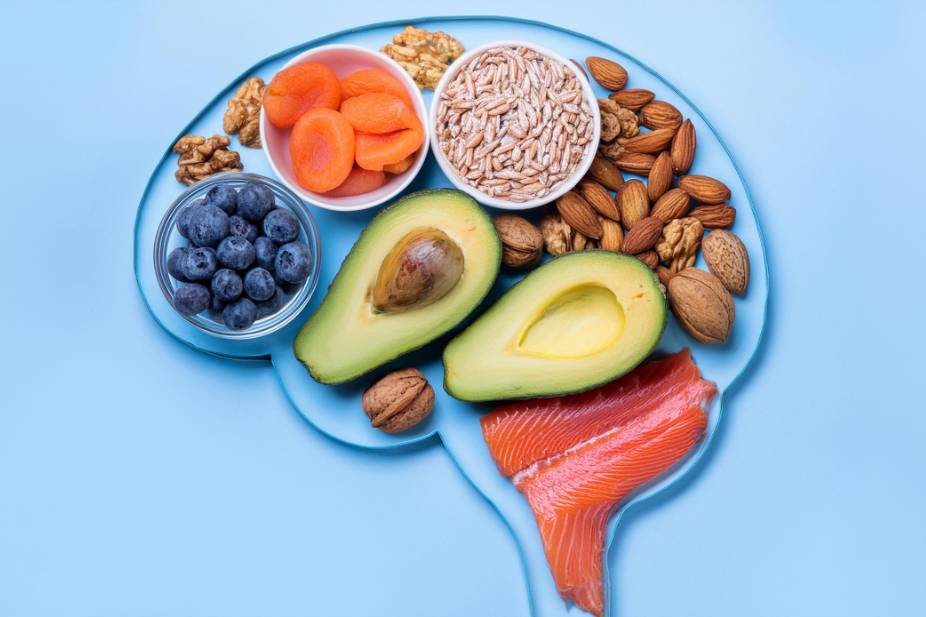
In supporting your focus, mood, and overall brain health in order to align your gut brain axis, I want you to consider what you eat on a daily basis. Here are some simple food ideas to help improve your gut brain connection.
Fiber Rich Foods
Choose fruits such as pears, apples, oranges, and berries for snacks and desserts.
Include whole greens like quinoa, brown rice, and farro instead of refined grains.
Include legumes in salads, grain bowls, and soups.
Add leafy greens such as kale, romaine, and spinach to salads, omelets, and smoothies.
Probiotic Rich Foods
Sip kefir or kefir water or add it to smoothies.
Add small servings of kimchi or sauerkraut for beneficial bacteria.
Use tempeh or miso in grain bowls, soups, and stir fry recipes.
Polyphenol Rich Foods
Use fresh herbs and spices like oregano, ginger, rosemary, turmeric, and rosemary.
Drink green tea and herbal teas instead of sugary beverages.
Choose dark berries and grapes over candy.
Eat a small square of dark chocolate 75% and above with higher cocoa content as an occasional treat and brain boost.
Healthy Fats
Eat fatty fish such as sardines, mackerel, and salmon a few times per week.
Use extra virgin olive oil and avocado oil for cooking and in dressings.
Eat a handful of walnuts as a snack.
Sprinkle chia seeds, hemp seeds, or flaxseeds on yogurt, salads, or oatmeal.
March is recognized as Brain Awareness Month–a good reminder that brain health is not just about what happens in our heads, but is also influenced by what happens in our gut.
The Gut Microbiome
In functional nutrition, we talk about the gut-brain axis. This is a two-way communication between the digestive tract and the brain through nerves, immune messengers, metabolites, and hormones. This is not just a theory or a myth–it shows up in how we feel on a day-to-day basis, from focus, to mood, to energy and stress tolerance.
The gut contains a large and active community of microorganisms, known as the gut microbiome. This gut ecosystem helps to regulate the immune system, influence brain chemistry, and break down food. A significant portion of the body’s serotonin, an important neurotransmitter involved in appetite, gut motility, and mood regulation, is produced in the gastrointestinal tract, and gut microbes help to shape this process. These microbes also ferment dietary fiber into short chain fatty acids, such as butyrate, which help maintain the gut barrier, send signals that can affect behavior, brain function, and modulate inflammation.
Balancing the Microbiome
When the balance of the microbiome is disrupted, dysbiosis can occur. Dysbiosis is associated with increased gut permeability, changes in gut brain signaling, and increased levels of inflammation. Research suggests that these changes can manifest as depressive symptoms, cognitive difficulties, and higher rates of anxiety.
From a functional and practical standpoint, I often start by looking at daily patterns. Dietary patterns should often include minimally processed foods, emphasize fiber rich foods including fruits, legumes, whole grains, fruits and vegetables, all of which tend to support a more resilient and more diverse microbiome and greater production of beneficial short chain fatty acids.
As the understanding of the gut brain connection grows, it reinforces that using nutrition and lifestyle adjustments as part of comprehensive care offers a scientific way to strengthen cognitive health and emotional wellbeing.
We are here for you, and we want to help.
Our goal is to return you to optimal health as soon as possible. To schedule an appointment please call: 703-532-4892 x2
References
Dalile, B., Van Oudenhove, L., Vervliet, B., & Verbeke, K. (2019). The role of short chain fatty acids in microbiota–gut–brain communication. Nature Reviews Gastroenterology & Hepatology, 16(8), 461–478.
O’Mahony, S. M., Clarke, G., Borre, Y. E., Dinan, T. G., & Cryan, J. F. (2019). The gut–brain axis: Influence of microbiota on mood and mental health. Clinical Science, 133(2), 1–18.
O’Mahony, S. M., Felice, V. D., Nally, K., Savignac, H. M., Claesson, M. J., & Cryan, J. F. (2023). Serotonin and the microbiota–gut–brain axis. Neurogastroenterology and Motility, 35(4), e14456.
Yano, J. M., Yu, K., Donaldson, G. P., Shastri, G. G., Ann, P., Ma, L., … Hsiao, E. Y. (2015). Indigenous bacteria from the gut microbiota regulate host serotonin biosynthesis. Cell, 161(2), 264–276.
Feeling unproductive? Fatigued? Having trouble concentrating? These are just some of the complaints associated with brain fog – or when your brain is not on top of its game.
Brain fog is characterized by cognitive impairments to memory, attention, executive function, and the speed of cognitive processing. It is not a medical condition itself, but rather symptomatic of an underlying condition that can range from poor nutrition or illness to undiagnosed food sensitivities or sleep deprivation.
If you haven’t already spoken to your physician about how you feel, make that priority number one in determining what may be causing your brain fog. In the meantime, there are things you can do right away to “clear up” your brain for optimal functioning—environmental factors, particularly nutrition, can worsen or improve your symptoms.
Here are 6 types of foods and drinks that may be contributing to your brain fog – and why!
MSG is found in a variety of food products, including many salad dressings.
1. Processed foods with MSG
The food additive Monosodium Glutamate (MSG), used as a taste enhancer and flavoring agent, is hidden in almost all processed foods, ranging from bottled salad dressings, soups, and canned goods to many restaurant meals. People who tend to eat a lot of processed foods with MSG can experience physical symptoms that can last from a few hours to days, and the most common of these is brain fog. Here’s how it works:
Free glutamic acid is the active component in MSG and is converted to glutamate in the body.
Glutamate is a neurotransmitter, or simply a chemical messenger, that transmits signals between neurons in the brain. However, too much glutamate is toxic to the brain as it triggers an excitotoxic state which leads to cell death.
In addition, glutamate overload depletes glutathione and other powerful antioxidants that are needed to scavenge free radicals (toxic cellular waste) in the body.
Identifying foods with MSG can be tricky, however, because it goes by many names. For more information on how MSG can be identified on food labels, visit www.TruthInLabeling.org.
How can you make a difference? Focus on eating a variety of whole and unprocessed foods, for one, and eating food products with as few ingredients as possible.
Aspartame is one of the most widely used artificial sweeteners worldwide, and also one of the most controversial. The public health crisis of rising obesity drove us to embrace the idea of sweetness without the calories. But study upon study has shown that artificial sweeteners, such as aspartame, can do more harm than good.
When aspartame is ingested, it breaks down into 3 different compounds: aspartic acid, phenylalanine, and methanol. Phenylalanine and aspartic acid are amino acids (protein building blocks) that are beneficial to the human body when they occur naturally with other amino acids in foods. However, when consumed in isolated and large amounts, like it is in aspartame, they then are able to cross the blood-brain barrier, excite the brain cells and trigger their death. Even worse, methanol further breaks down to formaldehyde, which is neurotoxic and carcinogenic.
In addition, artificial sugars disrupt the gut-brain axis and alter the balance of good and bad bacteria in the microbiome. The disruption of the gut-brain axis has been linked to increased oxidative stress, neuroinflammation, and potential impacts on brain health, including accelerated cognitive decline.
Common symptoms of aspartame toxicity are headaches, mental confusion, problems with balance, and numbness.
Processed meats often contain sodium nitrites and sodium nitrates.
3. Processed meats – bacon, jerky & hot dogs
Sodium nitrite and sodium nitrate are salts added to processed processed meats such as bacon, ham, and hot dogs. The food industry relies on these additives to inhibit bacterial growth, as taste enhancers, and as a way to preserve bright colors that will catch the eye of the consumer.
Although the use of these additives is approved by the Food & Drug Administration in regulated amounts, processed meats that contain these chemicals have been classified as “Group 1 Carcinogen” by World Health Organization (WHO) experts. A large number of health complaints have been reported by consumers; among them skin issues, respiratory problems, headaches, dizziness, and brain fog.
The best way to avoid these additives, commonly found in bacon, jerky, hotdogs, pepperoni, and sausages, is to read the labels and choose to eat unprocessed foods whenever possible.
Even moderate drinking can negatively impact your brain function.
4. Alcohol
Various components in alcohols can cause sensitivity, and the severity of the allergic reactions depends on the person’s genetic profile; one major symptom being brain fog.
Here is a list of the ingredients in wine, beer, liquor, and spirits that may be worsening your brain fog.
Sulfite additives are used to sterilize barrels and tanks before fermentation takes place.
Histamines are suggested to play a major role in allergic-like reactions to wine.
Ethanol is found to play a role in inducing allergic reactions – especially in Asians and certain other populations – due to their lack of the enzyme that metabolizes ethanol.
Most beers contain gluten. People who are sensitive to gluten report an improvement in brain fog when gluten is cut out of their diets.
5. Cheese/dairy
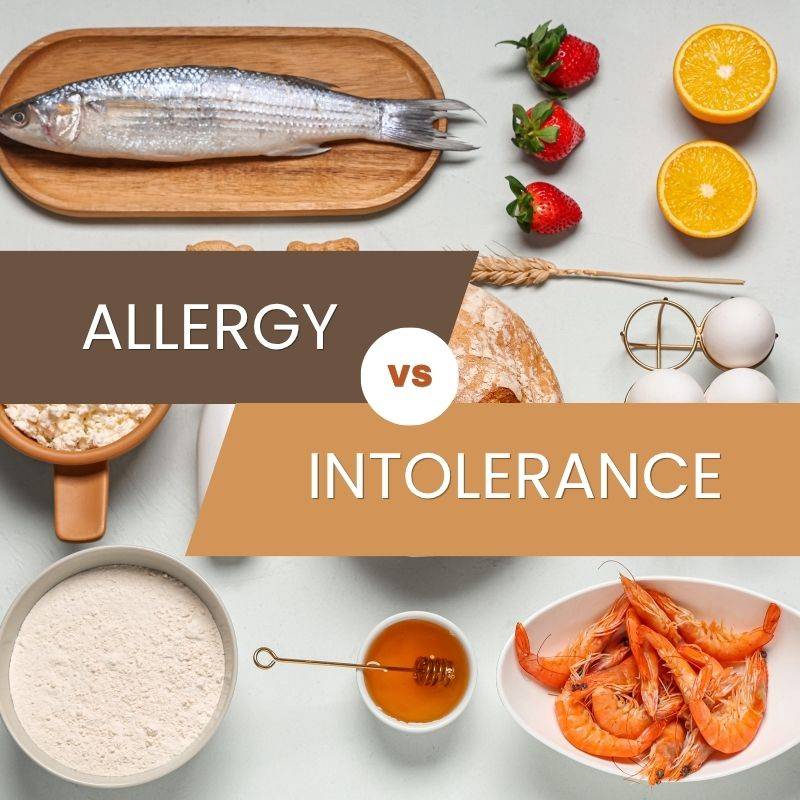
Milk and dairy products, such as cheese, yogurt, and whey protein (found in bodybuilding and energy drinks) are just one of the food categories that the FDA has also recognized as a major allergen, potentially causing allergic reactions in some people that can range from mild to severe, and in some cases can be fatal. Other foods considered major allergens are: gluten, soy, egg, shellfish (two kinds: crustacea and mollusk), tree nuts (such as walnuts, almonds, and cashews), peanuts (in the legume family), certain types of finned fish, and sesame. For people with sensitivities or allergies to these foods, the body sees the proteins as a threat and produces antibodies to chase them out.
If you experience symptoms of brain fog, headache, or digestive discomfort when you eat a specific type of food, you may have a sensitivity but not necessarily an allergy. With either situation it is best to avoid those foods altogether; and be careful when reading labels, as there may be hidden ingredients, especially milk and eggs.
6. Foods with added sugars
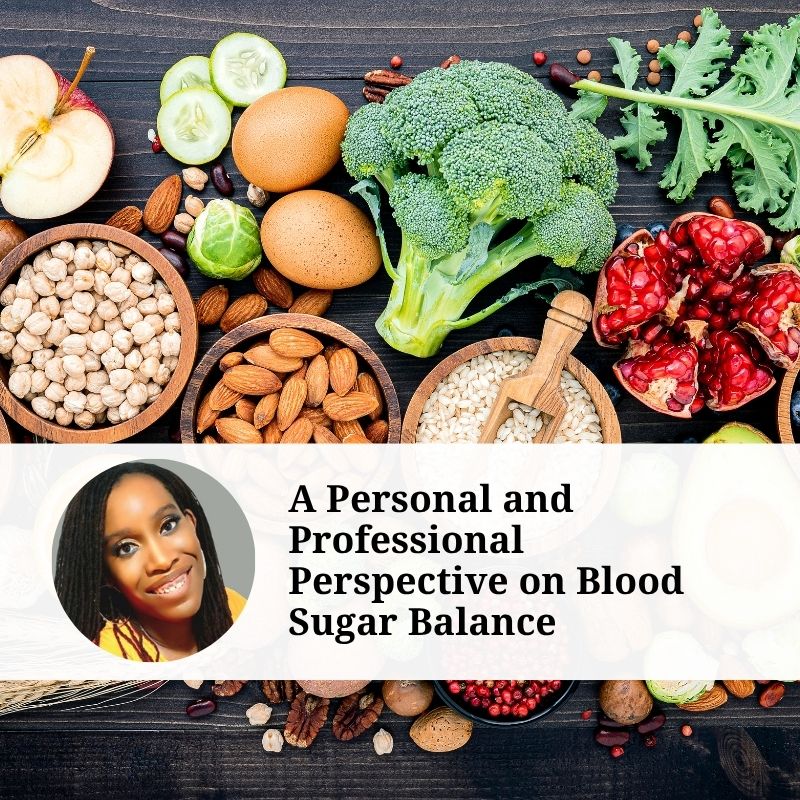
Reducing added sugars and simple carbohydrates can help improve brain fog by stabilizing blood sugar levels and preventing rapid spikes and crashes that affect mental clarity. Foods high in simple carbohydrates—such as sweets, sugary beverages, and refined grains—are quickly broken down into glucose, which can contribute to energy fluctuations and cognitive fatigue. Replacing these with complex carbohydrates—the body’s preferred and main energy source—from whole foods like vegetables, legumes, and whole grains provides slower, steadier energy for the brain and may support clearer thinking throughout the day.
We are here for you, and we want to help.
Our goal is to return you to optimal health as soon as possible. To schedule an appointment please call: 703-532-4892 x2
Reviewed and updated in March 2026.
References:
Abu-Taweel, G. M., A, Z. M., Ajarem, J. S., & Ahmad, M. (2014). Cognitive and biochemical effects of monosodium glutamate and aspartame, administered individually and in combination in male albino mice. Neurotoxicology And Teratology, 4260-67. doi:10.1016/j.ntt.2014.02.001
Appleton J. The Gut-Brain Axis: Influence of Microbiota on Mood and Mental Health. Integr Med (Encinitas). 2018 Aug;17(4):28-32. PMID: 31043907; PMCID: PMC6469458.
Ahluwalia, P., Tewari, K., & Choudhary, P. (1996). Studies on the effects of monosodium glutamate (MSG) on oxidative stress in erythrocytes of adult male mice. Toxicology Letters, 84(3), 161-165.
Foran, L., Blackburn, K., & Kulesza, R. J. (2017). Auditory hindbrain atrophy and anomalous calcium binding protein expression after neonatal exposure to monosodium glutamate. Neuroscience, 344406-417. doi:10.1016/j.neuroscience.2017.01.004
Onaolapo, O. J., Onaolapo, A. Y., Akanmu, M. A., & Gbola, O. (2016). Evidence of alterations in brain structure and antioxidant status following ‘low-dose’ monosodium glutamate ingestion. Pathophysiology: The Official Journal Of The International Society For Pathophysiology, 23(3), 147-156. doi:10.1016/j.pathophys.2016.05.001
VALLY, H. and THOMPSON, P. (2003), Allergic and asthmatic reactions to alcoholic drinks. Addiction Biology, 8: 3–11. doi:10.1080/1355621031000069828
Whitehouse, C. R., Boullata, J., & McCauley, L. A. (2008). The potential toxicity of artificial sweeteners. AAOHN Journal: Official Journal Of The American Association Of Occupational Health Nurses, 56(6), 251-259.
Wild, C. P., & Gong, Y. Y. (2010). Mycotoxins and human disease: a largely ignored global health issue. Carcinogenesis, 31(1), 71-82. doi:10.1093/carcin/bgp264
Arshad MT, Maqsood S, Altalhi R, Shamlan G, Mohamed Ahmed IA, Ikram A, Abdullahi MA. Role of Dietary Carbohydrates in Cognitive Function: A Review. Food Sci Nutr. 2025 Jul 1;13(7):e70516. doi: 10.1002/fsn3.70516. PMID: 40599356; PMCID: PMC12209867.



















Foods That Support Your Gut and Brain
/in Nutrition, Wellness/by Chardonée Donald, MS, CBHS, CHN, CNS, LDNIn supporting your focus, mood, and overall brain health in order to align your gut brain axis, I want you to consider what you eat on a daily basis. Here are some simple food ideas to help improve your gut brain connection.
Fiber Rich Foods
Probiotic Rich Foods
Polyphenol Rich Foods
Healthy Fats
What to reduce
The Gut-Brain Connection: How Nutrition Shapes Cognition and Mood
/in Inflammation/by Chardonée Donald, MS, CBHS, CHN, CNS, LDNMarch is recognized as Brain Awareness Month–a good reminder that brain health is not just about what happens in our heads, but is also influenced by what happens in our gut.
The Gut Microbiome
In functional nutrition, we talk about the gut-brain axis. This is a two-way communication between the digestive tract and the brain through nerves, immune messengers, metabolites, and hormones. This is not just a theory or a myth–it shows up in how we feel on a day-to-day basis, from focus, to mood, to energy and stress tolerance.
The gut contains a large and active community of microorganisms, known as the gut microbiome. This gut ecosystem helps to regulate the immune system, influence brain chemistry, and break down food. A significant portion of the body’s serotonin, an important neurotransmitter involved in appetite, gut motility, and mood regulation, is produced in the gastrointestinal tract, and gut microbes help to shape this process. These microbes also ferment dietary fiber into short chain fatty acids, such as butyrate, which help maintain the gut barrier, send signals that can affect behavior, brain function, and modulate inflammation.
Balancing the Microbiome
When the balance of the microbiome is disrupted, dysbiosis can occur. Dysbiosis is associated with increased gut permeability, changes in gut brain signaling, and increased levels of inflammation. Research suggests that these changes can manifest as depressive symptoms, cognitive difficulties, and higher rates of anxiety.
From a functional and practical standpoint, I often start by looking at daily patterns. Dietary patterns should often include minimally processed foods, emphasize fiber rich foods including fruits, legumes, whole grains, fruits and vegetables, all of which tend to support a more resilient and more diverse microbiome and greater production of beneficial short chain fatty acids.
As the understanding of the gut brain connection grows, it reinforces that using nutrition and lifestyle adjustments as part of comprehensive care offers a scientific way to strengthen cognitive health and emotional wellbeing.
We are here for you, and we want to help.
Our goal is to return you to optimal health as soon as possible. To schedule an appointment please call: 703-532-4892 x2
References
Dalile, B., Van Oudenhove, L., Vervliet, B., & Verbeke, K. (2019). The role of short chain fatty acids in microbiota–gut–brain communication. Nature Reviews Gastroenterology & Hepatology, 16(8), 461–478.
O’Mahony, S. M., Clarke, G., Borre, Y. E., Dinan, T. G., & Cryan, J. F. (2019). The gut–brain axis: Influence of microbiota on mood and mental health. Clinical Science, 133(2), 1–18.
O’Mahony, S. M., Felice, V. D., Nally, K., Savignac, H. M., Claesson, M. J., & Cryan, J. F. (2023). Serotonin and the microbiota–gut–brain axis. Neurogastroenterology and Motility, 35(4), e14456.
Yano, J. M., Yu, K., Donaldson, G. P., Shastri, G. G., Ann, P., Ma, L., … Hsiao, E. Y. (2015). Indigenous bacteria from the gut microbiota regulate host serotonin biosynthesis. Cell, 161(2), 264–276.
Stop Eating These Foods And Clear Up Your Brain!
/in Mental Health, Nutrition/by Gary Kaplan, DOFeeling unproductive? Fatigued? Having trouble concentrating? These are just some of the complaints associated with brain fog – or when your brain is not on top of its game.
Brain fog is characterized by cognitive impairments to memory, attention, executive function, and the speed of cognitive processing. It is not a medical condition itself, but rather symptomatic of an underlying condition that can range from poor nutrition or illness to undiagnosed food sensitivities or sleep deprivation.
If you haven’t already spoken to your physician about how you feel, make that priority number one in determining what may be causing your brain fog. In the meantime, there are things you can do right away to “clear up” your brain for optimal functioning—environmental factors, particularly nutrition, can worsen or improve your symptoms.
Here are 6 types of foods and drinks that may be contributing to your brain fog – and why!
MSG is found in a variety of food products, including many salad dressings.
1. Processed foods with MSG
The food additive Monosodium Glutamate (MSG), used as a taste enhancer and flavoring agent, is hidden in almost all processed foods, ranging from bottled salad dressings, soups, and canned goods to many restaurant meals. People who tend to eat a lot of processed foods with MSG can experience physical symptoms that can last from a few hours to days, and the most common of these is brain fog. Here’s how it works:
Identifying foods with MSG can be tricky, however, because it goes by many names. For more information on how MSG can be identified on food labels, visit www.TruthInLabeling.org.
How can you make a difference? Focus on eating a variety of whole and unprocessed foods, for one, and eating food products with as few ingredients as possible.
Questions? Give Us a Call!
703-532-4892 x2
2. Diet soft drinks
Aspartame is one of the most widely used artificial sweeteners worldwide, and also one of the most controversial. The public health crisis of rising obesity drove us to embrace the idea of sweetness without the calories. But study upon study has shown that artificial sweeteners, such as aspartame, can do more harm than good.
When aspartame is ingested, it breaks down into 3 different compounds: aspartic acid, phenylalanine, and methanol. Phenylalanine and aspartic acid are amino acids (protein building blocks) that are beneficial to the human body when they occur naturally with other amino acids in foods. However, when consumed in isolated and large amounts, like it is in aspartame, they then are able to cross the blood-brain barrier, excite the brain cells and trigger their death. Even worse, methanol further breaks down to formaldehyde, which is neurotoxic and carcinogenic.
In addition, artificial sugars disrupt the gut-brain axis and alter the balance of good and bad bacteria in the microbiome. The disruption of the gut-brain axis has been linked to increased oxidative stress, neuroinflammation, and potential impacts on brain health, including accelerated cognitive decline.
Common symptoms of aspartame toxicity are headaches, mental confusion, problems with balance, and numbness.
Processed meats often contain sodium nitrites and sodium nitrates.
3. Processed meats – bacon, jerky & hot dogs
Sodium nitrite and sodium nitrate are salts added to processed processed meats such as bacon, ham, and hot dogs. The food industry relies on these additives to inhibit bacterial growth, as taste enhancers, and as a way to preserve bright colors that will catch the eye of the consumer.
Although the use of these additives is approved by the Food & Drug Administration in regulated amounts, processed meats that contain these chemicals have been classified as “Group 1 Carcinogen” by World Health Organization (WHO) experts. A large number of health complaints have been reported by consumers; among them skin issues, respiratory problems, headaches, dizziness, and brain fog.
The best way to avoid these additives, commonly found in bacon, jerky, hotdogs, pepperoni, and sausages, is to read the labels and choose to eat unprocessed foods whenever possible.
Even moderate drinking can negatively impact your brain function.
4. Alcohol
Various components in alcohols can cause sensitivity, and the severity of the allergic reactions depends on the person’s genetic profile; one major symptom being brain fog.
Here is a list of the ingredients in wine, beer, liquor, and spirits that may be worsening your brain fog.
5. Cheese/dairy
Milk and dairy products, such as cheese, yogurt, and whey protein (found in bodybuilding and energy drinks) are just one of the food categories that the FDA has also recognized as a major allergen, potentially causing allergic reactions in some people that can range from mild to severe, and in some cases can be fatal. Other foods considered major allergens are: gluten, soy, egg, shellfish (two kinds: crustacea and mollusk), tree nuts (such as walnuts, almonds, and cashews), peanuts (in the legume family), certain types of finned fish, and sesame. For people with sensitivities or allergies to these foods, the body sees the proteins as a threat and produces antibodies to chase them out.
If you experience symptoms of brain fog, headache, or digestive discomfort when you eat a specific type of food, you may have a sensitivity but not necessarily an allergy. With either situation it is best to avoid those foods altogether; and be careful when reading labels, as there may be hidden ingredients, especially milk and eggs.
6. Foods with added sugars
We are here for you, and we want to help.
Our goal is to return you to optimal health as soon as possible. To schedule an appointment please call: 703-532-4892 x2
Reviewed and updated in March 2026.
References:
Abu-Taweel, G. M., A, Z. M., Ajarem, J. S., & Ahmad, M. (2014). Cognitive and biochemical effects of monosodium glutamate and aspartame, administered individually and in combination in male albino mice. Neurotoxicology And Teratology, 4260-67. doi:10.1016/j.ntt.2014.02.001
Appleton J. The Gut-Brain Axis: Influence of Microbiota on Mood and Mental Health. Integr Med (Encinitas). 2018 Aug;17(4):28-32. PMID: 31043907; PMCID: PMC6469458.
Ahluwalia, P., Tewari, K., & Choudhary, P. (1996). Studies on the effects of monosodium glutamate (MSG) on oxidative stress in erythrocytes of adult male mice. Toxicology Letters, 84(3), 161-165.
Foran, L., Blackburn, K., & Kulesza, R. J. (2017). Auditory hindbrain atrophy and anomalous calcium binding protein expression after neonatal exposure to monosodium glutamate. Neuroscience, 344406-417. doi:10.1016/j.neuroscience.2017.01.004
Onaolapo, O. J., Onaolapo, A. Y., Akanmu, M. A., & Gbola, O. (2016). Evidence of alterations in brain structure and antioxidant status following ‘low-dose’ monosodium glutamate ingestion. Pathophysiology: The Official Journal Of The International Society For Pathophysiology, 23(3), 147-156. doi:10.1016/j.pathophys.2016.05.001
VALLY, H. and THOMPSON, P. (2003), Allergic and asthmatic reactions to alcoholic drinks. Addiction Biology, 8: 3–11. doi:10.1080/1355621031000069828
Whitehouse, C. R., Boullata, J., & McCauley, L. A. (2008). The potential toxicity of artificial sweeteners. AAOHN Journal: Official Journal Of The American Association Of Occupational Health Nurses, 56(6), 251-259.
Wild, C. P., & Gong, Y. Y. (2010). Mycotoxins and human disease: a largely ignored global health issue. Carcinogenesis, 31(1), 71-82. doi:10.1093/carcin/bgp264
Arshad MT, Maqsood S, Altalhi R, Shamlan G, Mohamed Ahmed IA, Ikram A, Abdullahi MA. Role of Dietary Carbohydrates in Cognitive Function: A Review. Food Sci Nutr. 2025 Jul 1;13(7):e70516. doi: 10.1002/fsn3.70516. PMID: 40599356; PMCID: PMC12209867.
http://www.mpwhi.com/main.htm
https://www.foodallergy.org/allergens
http://acaai.org/allergies/types
USDA Food Safety & Inspection Service