As we enter the six year anniversary of the COVID-19 pandemic, millions of people are still experiencing lingering symptoms long after their initial infection. This condition, known as Long COVID or post-COVID syndrome, can affect the brain, immune system, heart, lungs, and nervous system.
Common Long COVID symptoms include:
Persistent fatigue
Brain fog and difficulty concentrating
Shortness of breath
Rapid heart rate or dizziness when standing
Sleep disturbances
Muscle and joint pain
Neurological symptoms such as burning skin or internal vibrations
Researchers have documented more than 200 possible symptoms, which can vary widely from patient to patient. One of the challenges in diagnosing Long COVID is that standard medical tests often appear normal, even though patients continue to experience debilitating symptoms.
Why Long COVID Happens
Current research suggests Long COVID may be driven by several biological factors, including:
Immune system dysregulation and chronic inflammation
Autonomic nervous system dysfunction, including conditions like POTS
Blood vessel and oxygen-delivery abnormalities
Mitochondrial dysfunction affecting cellular energy
Possible viral persistence or immune reactivation
Because multiple systems in the body can be affected, Long COVID is not a single disease but rather a complex, multi-system condition that often requires a personalized medical approach.
Can Long COVID Be Treated?
While there is no single “magic pill,” many patients can improve with targeted, individualized treatment plans that address the underlying biological disruptions.
At the Kaplan Center for Integrative Medicine, physicians evaluate Long COVID by looking at the whole body, including immune function, nervous system balance, inflammation, and metabolic health. This comprehensive approach can help identify the root causes of persistent symptoms and guide effective treatment strategies.
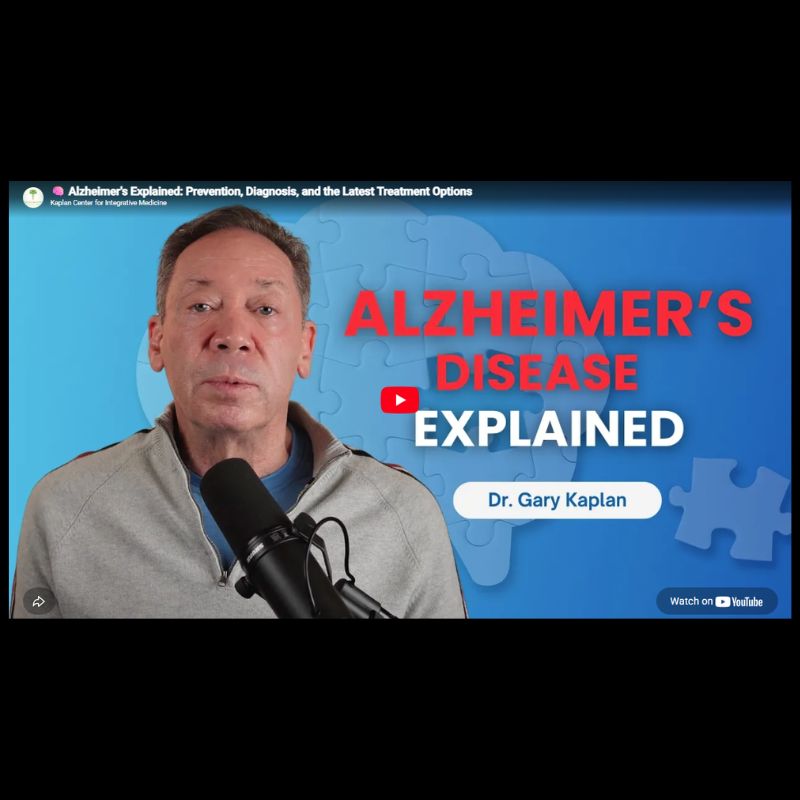
In this video, Dr. Gary Kaplan, medical director of the Kaplan Center explains:
What Long COVID really is and what we know now
Why symptoms can last for months or years
How physicians can identify the underlying biological changes
Prevention strategies for long COVID and who is susceptible
Treatment strategies that may help patients recover
Watch the video above to learn more about Long COVID and the path to recovery.
If you think you may have Long COVID, call us today at (703)532-4892 to learn more about our long COVID diagnostic and treatment services.
We are here for you, and we want to help.
Our goal is to return you to optimal health as soon as possible. To schedule an appointment please call: 703-532-4892 x2
Vitality isn’t about chasing extremes or quick fixes. It’s about treating the whole person rather than isolated symptoms, and lasting well-being or longevity comes from small, consistent habits that support the brain, body, and nervous system together.
The daily habits that most improve vitality and longevity
One of the most powerful habits for boosting energy and vitality is nurturing meaningful connections through community. Whether it’s a group of close friends, supportive family members, or a network of like-minded peers, regularly engaging with others provides emotional support, a sense of belonging, and opportunities for shared joy. Numerous studies have shown that social isolation and lack of meaningful interpersonal relationships are strongly linked to increased risk of dementia, depression, and other cognitive challenges as we age. Maintaining social ties help buffer stress, elevate mood, and even strengthen the immune system.
Prioritizing community is about cultivating genuine relationships, engaging in open conversations, and participating in shared activities. This could look like weekly gatherings, volunteering, joining interest-based groups, or simply making time for regular phone calls and check-ins.
A close second to building community would be prioritizing restorative sleep. Sleep is when the brain clears metabolic waste, the immune system recalibrates, and hormones regulating appetite, mood, and inflammation are balanced. Without adequate sleep, even the best diet or exercise routine struggles to deliver results.
People should think of sleep as an active biological process rather than passive downtime. A consistent bedtime, exposure to morning light, reduced evening screen use, and calming pre-sleep rituals all signal safety to the nervous system. Over time, this rhythm supports cognitive clarity, metabolic health, and a foundation for long-term vitality and longevity that allows the body to repair and regenerate rather than simply cope.
Maintaining energy and balance under stress
Chronic stress is one of the fastest ways to drain energy. Stress isn’t just psychological, it’s physiological. When the nervous system remains stuck in “fight or flight,” inflammation rises, digestion slows, and energy production falters.
To counter this, it’s important to practice daily nervous-system regulation. These can be as simple as slow diaphragmatic breathing, brief mindfulness sessions, gentle movement, or spending time in nature. The goal isn’t to eliminate stress but to teach the body how to return to balance more efficiently.
Equally important is fueling the body with healthy nutrition and hydration. Skipping meals, relying on sugar or caffeine, and under-recovering from exercise all compound stress. By supporting blood sugar stability, movement variability, and emotional awareness, people can preserve energy even during demanding seasons of life, and create an internal environment for resilience rather than burnout.
One wellness myth worth letting go
One of the most persistent myths is the idea that more is always better, more exercise, more supplements, more restriction. In reality, overdoing “healthy” behaviors often increases inflammation and stress, especially when people ignore pain, fatigue, or poor sleep in the name of discipline.
Personalization is key when beginning a wellness journey with the goal of increasing vitality and longevity. What energizes one person may exhaust another. Wellness isn’t about punishment or perfection; it’s about responsiveness. Learning to listen to the body’s signals allows people to adjust before small imbalances become chronic issues.
True health comes from consistency, adaptability, and self-awareness, not extremes. When people release the myth that health requires constant pushing, they open the door to a more sustainable approach to longevity, one that supports both performance and peace.
Finally, vitality grows from daily choices that calm the nervous system, support recovery, and honor individuality. When sleep, stress regulation, and self-compassion become non-negotiables, long-term well-being follows naturally.
We are here for you, and we want to help.
Our goal is to return you to optimal health as soon as possible. To schedule an appointment please call: 703-532-4892 x2
Alzheimer’s disease, the most common form of dementia, is the sixth leading cause of death in the U.S. For most people, the subject of Alzheimer’s brings fear and trepidation. Why? Because the thought of deteriorating brain function and memory loss is frightening. Unfortunately, current medical treatments are inadequate, dealing only with its end result.
Alzheimer’s is characterized by the destruction of synapses in the neurons, the nerve cells in the brain, by amyloid plaques. In addition, “tangles” form in the cells leading to loss of brain function. This leads to progressive loss of memory and behavioral problems like aggression, hallucinations, and delusions, as well as deterioration of activities of daily living. This is heartbreaking for patients and their families. And, despite years of ongoing research, there are still many unanswered questions about what causes Alzheimer’s disease.
Let’s explore some of the known risks associated with dementia and learn how to lower those risks.
Type 3 Diabetes
You may not have heard the term “type 3 diabetes” as another name for Alzheimer’s Dementia. Type 2 diabetes and prediabetes, also called insulin resistance, are both strongly linked to the development of Alzheimer’s dementia. This could actually be good news because it means this is a preventable risk factor.
Why has the term Type 3 diabetes been coined? Let’s start by discussing sugar, which in large quantities is a poison. The body is not designed to handle more than 15-20 grams per day, yet a soda has at least 40 grams and the average American consumes 82 grams per day.
Excess sugar causes an outpouring of insulin from the pancreas and over time causes the cells in the body – including the brain – to become resistant to insulin. This leads to chronically elevated blood sugar which causes Advanced Glycation End products or AGEs to be produced. These AGEs then attack the eyes, kidneys, peripheral nerves, and the brain!
Environmental factors
Heavy metals, such as lead in pollution and mercury in dental amalgams, and large fish, like tuna, swordfish, and shark increase the risk of dementia. In the 1800s the term “mad as a hatter” came about because hat makers were using a form of mercury to make fur hats and it destroyed brain cells.
Recent research suggests that long COVID may share biological pathways with Alzheimer’s disease. Studies have found that some individuals with long COVID show elevated levels of Alzheimer’s-related biomarkers—such as tau proteins—as well as signs of persistent neuroinflammation, structural brain changes, and cognitive impairment. While researchers are still investigating whether COVID-19 directly increases Alzheimer’s risk, these findings suggest the virus may contribute to neurological changes that resemble or potentially accelerate processes involved in neurodegeneration.
There are several genes that predispose to Alzheimer’s such as the ApoE4. However, just because we have a gene does not mean it will be expressed. Every time we eat, exercise, sleep, meditate, communicate, create something, play, learn, and love, we are turning genes on and off.
The good news is the brain can actually grow and change in a positive way, even as we get older.
Be proactive in reducing your risk of dementia with these strategies:
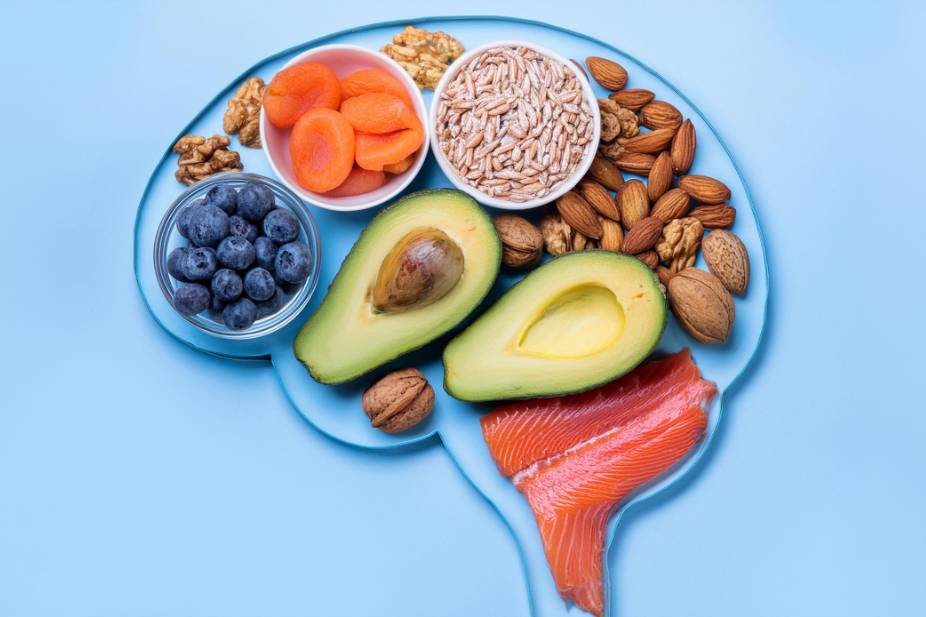
Lifestyle strategies can promote neurogenesis (new brain cells) and neuroplasticity (changes in the brain and its pathways). These strategies involve a substance called BDNF or brain-derived neurotrophic factor, which promotes brain cell growth and connectivity as demonstrated on MRI scans. In fact, the hippocampus, which is involved in emotional memory, gets larger the more BDNF is available. A large part of the lifestyle strategy involves modifying the diet to lower unhealthful carbs and increase healthful fats thus lowering the risk of diabetes.
Reduce (non-vegetable) carbohydrate consumption. Sugars/artificial sweeteners and grains can cause inflammation of the lining of the digestive tract, or “leaky gut”. An inflamed gut causes an inflamed brain and reduces the size of the hippocampus. Functional testing looking at stool, urine, and breath can determine if your gut is leaky. Replace nutrients lost from a leaky gut or poor diets like B12, folate, B6, magnesium, and iron.
Increase healthy fat consumption.
Increase your omega-3 fat intake and reduce the consumption of damaging omega-6 fats (like processed vegetable oils) in order to balance your omega-3 to omega-6 ratio. Omega-3 from fish sources shows a lower risk of cognitive impairment.
Improve your sleep habits.
Work on getting at least 7-8 hours of solid sleep. If sleep is poor, rule out sleep apnea. A 2020 study published in the journal Sleep confirms that people who have obstructive sleep apnea – or intermittent interruptions in breathing – in their middle ages are more likely to develop Alzheimer’s Disease. If you’re not sure if you have sleep apnea, but you find yourself exhausted during the day, take this short quiz as the first step towards diagnosis.
Exercise!
Physical activity produces biochemical changes, increasing BDNF, that strengthen and renew not only your body but also your brain – particularly the hippocampus, the area associated with memory and learning. This is especially important for carriers of the ApoE4 gene. A good exercise regimen includes aerobic and resistance training at least 3-4 times per week for 30-45 minutes.
Go Keto.
The ketogenic diet. is linked to an increase in BNDF, which causes the hippocampus to get bigger (better memory). This involves cutting down on carbohydrates which reduces insulin resistance (diabetes) and increasing good fats like avocado, olive oil, MCT (medium-chain triglycerides found in coconut oil), and intermittent fasting 12-14 hours between dinner and breakfast so that the body breaks down fats and produces ketones. Note: The Ketogenic diet is not for everyone, ask your physician before starting any specialized diet.
Check your hormone levels. Balance hormones, such as thyroid, cortisol, sex hormones, and Vitamin D (which is actually a hormone).
Find out whether you are insulin resistant.
Get a HgA1C test and a fasting insulin test. Eliminating the risk of Type 2 diabetes (insulin resistance) can lower the risk of Alzheimer’s dementia (Type-3 Diabetes).
Remember to take time to slow down, be mindful (meditation and yoga) spend time with loved ones, and take time to laugh and have fun. This is medicine for our minds.
Lisa Lilienfield, MD
We are here for you, and we want to help.
Our goal is to return you to optimal health as soon as possible. To schedule an appointment please call: 703-532-4892 x2



















What We Know Now About Long COVID — Symptoms, Causes, Prevention and Treatment Options
/in COVID-19, Long Covid/by Kaplan CenterAs we enter the six year anniversary of the COVID-19 pandemic, millions of people are still experiencing lingering symptoms long after their initial infection. This condition, known as Long COVID or post-COVID syndrome, can affect the brain, immune system, heart, lungs, and nervous system.
Common Long COVID symptoms include:
Researchers have documented more than 200 possible symptoms, which can vary widely from patient to patient. One of the challenges in diagnosing Long COVID is that standard medical tests often appear normal, even though patients continue to experience debilitating symptoms.
Why Long COVID Happens
Current research suggests Long COVID may be driven by several biological factors, including:
Because multiple systems in the body can be affected, Long COVID is not a single disease but rather a complex, multi-system condition that often requires a personalized medical approach.
Can Long COVID Be Treated?
While there is no single “magic pill,” many patients can improve with targeted, individualized treatment plans that address the underlying biological disruptions.
At the Kaplan Center for Integrative Medicine, physicians evaluate Long COVID by looking at the whole body, including immune function, nervous system balance, inflammation, and metabolic health. This comprehensive approach can help identify the root causes of persistent symptoms and guide effective treatment strategies.
In this video, Dr. Gary Kaplan, medical director of the Kaplan Center explains:
Watch the video above to learn more about Long COVID and the path to recovery.
If you think you may have Long COVID, call us today at (703)532-4892 to learn more about our long COVID diagnostic and treatment services.
We are here for you, and we want to help.
Our goal is to return you to optimal health as soon as possible. To schedule an appointment please call: 703-532-4892 x2
The Daily Practices That Sustain Vitality and Increase Longevity
/in Longevity, Wellness/by Gary Kaplan, DOBy Dr. Gary Kaplan, for She Rises Studios
Vitality isn’t about chasing extremes or quick fixes. It’s about treating the whole person rather than isolated symptoms, and lasting well-being or longevity comes from small, consistent habits that support the brain, body, and nervous system together.
The daily habits that most improve vitality and longevity
One of the most powerful habits for boosting energy and vitality is nurturing meaningful connections through community. Whether it’s a group of close friends, supportive family members, or a network of like-minded peers, regularly engaging with others provides emotional support, a sense of belonging, and opportunities for shared joy. Numerous studies have shown that social isolation and lack of meaningful interpersonal relationships are strongly linked to increased risk of dementia, depression, and other cognitive challenges as we age. Maintaining social ties help buffer stress, elevate mood, and even strengthen the immune system.
Prioritizing community is about cultivating genuine relationships, engaging in open conversations, and participating in shared activities. This could look like weekly gatherings, volunteering, joining interest-based groups, or simply making time for regular phone calls and check-ins.
A close second to building community would be prioritizing restorative sleep. Sleep is when the brain clears metabolic waste, the immune system recalibrates, and hormones regulating appetite, mood, and inflammation are balanced. Without adequate sleep, even the best diet or exercise routine struggles to deliver results.
People should think of sleep as an active biological process rather than passive downtime. A consistent bedtime, exposure to morning light, reduced evening screen use, and calming pre-sleep rituals all signal safety to the nervous system. Over time, this rhythm supports cognitive clarity, metabolic health, and a foundation for long-term vitality and longevity that allows the body to repair and regenerate rather than simply cope.
Maintaining energy and balance under stress
Chronic stress is one of the fastest ways to drain energy. Stress isn’t just psychological, it’s physiological. When the nervous system remains stuck in “fight or flight,” inflammation rises, digestion slows, and energy production falters.
To counter this, it’s important to practice daily nervous-system regulation. These can be as simple as slow diaphragmatic breathing, brief mindfulness sessions, gentle movement, or spending time in nature. The goal isn’t to eliminate stress but to teach the body how to return to balance more efficiently.
Equally important is fueling the body with healthy nutrition and hydration. Skipping meals, relying on sugar or caffeine, and under-recovering from exercise all compound stress. By supporting blood sugar stability, movement variability, and emotional awareness, people can preserve energy even during demanding seasons of life, and create an internal environment for resilience rather than burnout.
One wellness myth worth letting go
One of the most persistent myths is the idea that more is always better, more exercise, more supplements, more restriction. In reality, overdoing “healthy” behaviors often increases inflammation and stress, especially when people ignore pain, fatigue, or poor sleep in the name of discipline.
Personalization is key when beginning a wellness journey with the goal of increasing vitality and longevity. What energizes one person may exhaust another. Wellness isn’t about punishment or perfection; it’s about responsiveness. Learning to listen to the body’s signals allows people to adjust before small imbalances become chronic issues.
True health comes from consistency, adaptability, and self-awareness, not extremes. When people release the myth that health requires constant pushing, they open the door to a more sustainable approach to longevity, one that supports both performance and peace.
Finally, vitality grows from daily choices that calm the nervous system, support recovery, and honor individuality. When sleep, stress regulation, and self-compassion become non-negotiables, long-term well-being follows naturally.
We are here for you, and we want to help.
Our goal is to return you to optimal health as soon as possible. To schedule an appointment please call: 703-532-4892 x2
Addressing the Fear of Cognitive Decline & How to Be Proactive
/in Inflammation, Mental Health, Wellness/by Lisa Lilienfield, MDAlzheimer’s disease, the most common form of dementia, is the sixth leading cause of death in the U.S. For most people, the subject of Alzheimer’s brings fear and trepidation. Why? Because the thought of deteriorating brain function and memory loss is frightening. Unfortunately, current medical treatments are inadequate, dealing only with its end result.
Alzheimer’s is characterized by the destruction of synapses in the neurons, the nerve cells in the brain, by amyloid plaques. In addition, “tangles” form in the cells leading to loss of brain function. This leads to progressive loss of memory and behavioral problems like aggression, hallucinations, and delusions, as well as deterioration of activities of daily living. This is heartbreaking for patients and their families. And, despite years of ongoing research, there are still many unanswered questions about what causes Alzheimer’s disease.
Let’s explore some of the known risks associated with dementia and learn how to lower those risks.
Type 3 Diabetes
You may not have heard the term “type 3 diabetes” as another name for Alzheimer’s Dementia. Type 2 diabetes and prediabetes, also called insulin resistance, are both strongly linked to the development of Alzheimer’s dementia. This could actually be good news because it means this is a preventable risk factor.
Why has the term Type 3 diabetes been coined? Let’s start by discussing sugar, which in large quantities is a poison. The body is not designed to handle more than 15-20 grams per day, yet a soda has at least 40 grams and the average American consumes 82 grams per day.
Excess sugar causes an outpouring of insulin from the pancreas and over time causes the cells in the body – including the brain – to become resistant to insulin. This leads to chronically elevated blood sugar which causes Advanced Glycation End products or AGEs to be produced. These AGEs then attack the eyes, kidneys, peripheral nerves, and the brain!
Environmental factors
Heavy metals, such as lead in pollution and mercury in dental amalgams, and large fish, like tuna, swordfish, and shark increase the risk of dementia. In the 1800s the term “mad as a hatter” came about because hat makers were using a form of mercury to make fur hats and it destroyed brain cells.
Living or working in a water-damaged building leads to the growth of toxic mold, which poisons the nervous system.
Studies also show that living near major highways is a risk factor for Alzheimer’s.
Long COVID
Recent research suggests that long COVID may share biological pathways with Alzheimer’s disease. Studies have found that some individuals with long COVID show elevated levels of Alzheimer’s-related biomarkers—such as tau proteins—as well as signs of persistent neuroinflammation, structural brain changes, and cognitive impairment. While researchers are still investigating whether COVID-19 directly increases Alzheimer’s risk, these findings suggest the virus may contribute to neurological changes that resemble or potentially accelerate processes involved in neurodegeneration.
Other causes of dementia include:
Questions? Give Us a Call!
703-532-4892 x2
The good news is the brain can actually grow and change in a positive way, even as we get older.
Be proactive in reducing your risk of dementia with these strategies:
Lifestyle strategies can promote neurogenesis (new brain cells) and neuroplasticity (changes in the brain and its pathways). These strategies involve a substance called BDNF or brain-derived neurotrophic factor, which promotes brain cell growth and connectivity as demonstrated on MRI scans. In fact, the hippocampus, which is involved in emotional memory, gets larger the more BDNF is available. A large part of the lifestyle strategy involves modifying the diet to lower unhealthful carbs and increase healthful fats thus lowering the risk of diabetes.
Sugars/artificial sweeteners and grains can cause inflammation of the lining of the digestive tract, or “leaky gut”. An inflamed gut causes an inflamed brain and reduces the size of the hippocampus. Functional testing looking at stool, urine, and breath can determine if your gut is leaky. Replace nutrients lost from a leaky gut or poor diets like B12, folate, B6, magnesium, and iron.
Increase your omega-3 fat intake and reduce the consumption of damaging omega-6 fats (like processed vegetable oils) in order to balance your omega-3 to omega-6 ratio. Omega-3 from fish sources shows a lower risk of cognitive impairment.
Prebiotic fiber nurtures gut bacteria and the hippocampus. Probiotic supplementation, which enhances the healthy bacteria in the gut, decreases the inflammatory marker, C-reactive protein, increases the antioxidant glutathione, and improves mental status as measured by the Mini Mental Status Exam
Work on getting at least 7-8 hours of solid sleep. If sleep is poor, rule out sleep apnea. A 2020 study published in the journal Sleep confirms that people who have obstructive sleep apnea – or intermittent interruptions in breathing – in their middle ages are more likely to develop Alzheimer’s Disease. If you’re not sure if you have sleep apnea, but you find yourself exhausted during the day, take this short quiz as the first step towards diagnosis.
Physical activity produces biochemical changes, increasing BDNF, that strengthen and renew not only your body but also your brain – particularly the hippocampus, the area associated with memory and learning. This is especially important for carriers of the ApoE4 gene. A good exercise regimen includes aerobic and resistance training at least 3-4 times per week for 30-45 minutes.
Sirtuins, which are NAD+-dependent enzymes, have shown to benefit brain health by acting on amyloid plaques, repairing DNA, lowering inflammation, and promoting neuronal function, which in turn can prevent or delay the onset of mild cognitive decline. Click here to learn how Niagen+ IVs help boost NAD+ levels.
The ketogenic diet. is linked to an increase in BNDF, which causes the hippocampus to get bigger (better memory). This involves cutting down on carbohydrates which reduces insulin resistance (diabetes) and increasing good fats like avocado, olive oil, MCT (medium-chain triglycerides found in coconut oil), and intermittent fasting 12-14 hours between dinner and breakfast so that the body breaks down fats and produces ketones. Note: The Ketogenic diet is not for everyone, ask your physician before starting any specialized diet.
Consider getting tested for heavy metal and toxic mold exposure and work with your doctor to eliminate them.
Balance hormones, such as thyroid, cortisol, sex hormones, and Vitamin D (which is actually a hormone).
Get a HgA1C test and a fasting insulin test. Eliminating the risk of Type 2 diabetes (insulin resistance) can lower the risk of Alzheimer’s dementia (Type-3 Diabetes).
Lisa Lilienfield, MD
We are here for you, and we want to help.
Our goal is to return you to optimal health as soon as possible. To schedule an appointment please call: 703-532-4892 x2