For four decades, the Kaplan Center for Integrative Medicine has cared for patients with complex, chronic illnesses that often leave people searching for answers. As we mark more than 40 years of clinical experience, we are expanding our focus to formally include Alzheimer’s disease and cognitive decline as a core area of care.
Under the leadership of Dr. Gary Kaplan, our clinic has long recognized that chronic illness is rarely isolated to one organ system. Conditions such as autoimmune disease, chronic infections, inflammatory disorders, and metabolic dysfunction all share common biological threads:
immune dysregulation
chronic inflammation
toxin burden
vascular compromise
impaired cellular repair
More research is showing that these same mechanisms are deeply involved in Alzheimer’s disease and other forms of cognitive decline.
In other words, brain health is not separate from systemic health. It is connected to it.
Why Alzheimer’s Care Is a Natural Evolution for Our Clinic
For over 40 years, we have helped patients address root causes of complex illness, asking not only “What is the diagnosis?” but “Why is this happening in this person?” That same question is essential in Alzheimer’s care.
Alzheimer’s disease is characterized by the buildup of amyloid plaques and neurofibrillary tangles in the brain, which disrupt neuronal communication and lead to progressive cognitive decline. But we now understand that these changes do not occur in isolation. Chronic inflammation, insulin resistance, vascular dysfunction, immune imbalance, environmental toxin exposure, and even persistent infections can all contribute to neurodegeneration.
These are the very systems our clinic has been evaluating and treating for decades.
As our patient population ages — and as more families seek proactive approaches to preserve cognition — formally integrating Alzheimer’s care into our services is both timely and aligned with our mission. We are not entering the cognitive health space as newcomers; rather, we are applying decades of experience in complex, chronic disease management to one of the most urgent health challenges of our time.
A Comprehensive, Integrative Approach to Cognitive Decline
Our approach to Alzheimer’s and cognitive decline begins with advanced diagnostics. Early detection is critical, as pathological changes can begin years—even decades—before noticeable memory loss. Through digital cognitive testing, genetic analysis, metabolic and inflammatory markers, and advanced imaging when appropriate, we work to identify both risk and progression as early as possible.
From there, care is personalized.
We evaluate and address metabolic health, including insulin resistance and cardiovascular risk factors. We assess inflammatory markers and immune function. We consider environmental exposures, toxin burden, and nutritional status. Sleep quality, stress levels, and physical activity are also examined, as each plays a critical role in brain resilience.
We incorporate advanced therapies such as therapeutic plasma exchange (TPE), a procedure designed to remove inflammatory mediators and harmful circulating factors from the bloodstream. By reducing systemic inflammation and altering the biological environment that affects the brain, TPE represents an innovative strategy that aligns with our root-cause philosophy. We are also the first outpatient clinic in the area to offer this advanced treatment for Alzheimer’s and general longevity.
We also stay engaged with emerging biologic treatments and expanded-access therapies targeting proteins implicated in neurodegeneration, ensuring our patients have access to cutting-edge options when clinically appropriate.
Importantly, our care does not focus solely on disease modification. We also prioritize quality of life: supporting cognitive function, maintaining independence, and equipping families with education and guidance as they navigate the challenges of memory loss.
Heritage and Innovation
As we celebrate over 40 years of care, this expansion into Alzheimer’s treatment reflects both our heritage and our evolution. Since our founding in 1985, we have sought to remain ahead of the curve. We adopt evidence-based innovations while preserving the thoughtful, individualized care that defines integrative medicine.
Alzheimer’s disease and cognitive decline are not isolated neurologic events. They are deeply intertwined with the same systemic imbalances we have been treating for decades. By formally adding this condition to our core focus, we are acknowledging what science increasingly confirms: longevity, cognitive vitality, and chronic disease management are inseparable.
For our patients and their families, this means having a team that understands complex illness, appreciates the interconnectedness of the body’s systems to give you the best care possible.
Caring for the brain is not a new direction for us—it is the next chapter in our long-standing commitment to comprehensive and forward-thinking care.
If you are interested in Alzheimer’s diagnostics or treatment, please visit our Alzheimer’s webpage or call us at (703)532-4892.
The food pyramid has evolved over time, moving away from refined grains and toward higher-quality foods and protein. While this reflects progress at a population level, the newest and current model still remains a one-size-fits-all approach to care.
In integrative and functional care, we work with individuals who live with chronic inflammation, immune dysfunction/dysregulation, or post-viral conditions. Our patients follow a wide range of dietary patterns, including vegan, vegetarian, pescatarian, gluten-free, dairy-free diets, etc. A single dietary framework cannot account for these differences.
The newest model puts protein and dairy at the forefront. Protein is essential for immune and metabolic health, but evidence suggests that the protein source does matter. Plant-forward dietary patterns—rich in legumes, nuts, seeds, and whole grains—are associated with lower inflammatory markers across many different populations.
At the same time, the fruits section remains underemphasized despite their role in providing antioxidants, fiber, and phytonutrients that support immune regulation and gut health.
Integrative nutrition moves beyond generalized dietary guidance. Rather than asking every individual to follow the same framework, integrative and functional medicine practitioners assess inflammatory burden, metabolic flexibility, digestive function, nutrient status, food sensitivities, and lifestyle factors. Personalized nutrition is highly therapeutic and aims at restoring balance, reducing inflammation, supporting immune regulation, and promoting long-term resilience.
There is no universal model of care when it comes to integrative and functional care. Nutrition plays a foundational role in immunity, inflammation, and overall wellness—a personalized nutrition plan can make all the difference in how you feel and function.
Interested in working with me? Contact our office to schedule an appointment—I’d love to support your health journey!
– Chardonèe
We are here for you, and we want to help.
Our goal is to return you to optimal health as soon as possible. To schedule an appointment please call: 703-532-4892 x2
The Kaplan Center for Integrative Medicine is the first outpatient clinic in the greater, Washington, D.C. area that offers TPE for illnesses such as Alzheimer’s Disease, PANS/PANDAS, Long COVID, inflammatory issues, and for general longevity.
TPE is an FDA-approved medical treatment that filters the blood to remove inflammatory toxins that cause health issues and interfere with the body’s healing process. The blood plasma with toxins is replaced with nutrient-rich fluids such as albumin, helping the body restore balance and create optimal conditions for repair, regeneration, and improved cognitive function.
Think of it it as cleaning a fishbowl–you are removing the “gunk” so your body’s internal environment can thrive again.



















Elevating Our Legacy of Care: Expanding into Alzheimer’s & Cognitive Health Care
/in Cognitive Health, Conditions/by Kaplan CenterFor four decades, the Kaplan Center for Integrative Medicine has cared for patients with complex, chronic illnesses that often leave people searching for answers. As we mark more than 40 years of clinical experience, we are expanding our focus to formally include Alzheimer’s disease and cognitive decline as a core area of care.
Under the leadership of Dr. Gary Kaplan, our clinic has long recognized that chronic illness is rarely isolated to one organ system. Conditions such as autoimmune disease, chronic infections, inflammatory disorders, and metabolic dysfunction all share common biological threads:
More research is showing that these same mechanisms are deeply involved in Alzheimer’s disease and other forms of cognitive decline.
In other words, brain health is not separate from systemic health. It is connected to it.
Why Alzheimer’s Care Is a Natural Evolution for Our Clinic
For over 40 years, we have helped patients address root causes of complex illness, asking not only “What is the diagnosis?” but “Why is this happening in this person?” That same question is essential in Alzheimer’s care.
Alzheimer’s disease is characterized by the buildup of amyloid plaques and neurofibrillary tangles in the brain, which disrupt neuronal communication and lead to progressive cognitive decline. But we now understand that these changes do not occur in isolation. Chronic inflammation, insulin resistance, vascular dysfunction, immune imbalance, environmental toxin exposure, and even persistent infections can all contribute to neurodegeneration.
These are the very systems our clinic has been evaluating and treating for decades.
A Comprehensive, Integrative Approach to Cognitive Decline
Our approach to Alzheimer’s and cognitive decline begins with advanced diagnostics. Early detection is critical, as pathological changes can begin years—even decades—before noticeable memory loss. Through digital cognitive testing, genetic analysis, metabolic and inflammatory markers, and advanced imaging when appropriate, we work to identify both risk and progression as early as possible.
From there, care is personalized.
We evaluate and address metabolic health, including insulin resistance and cardiovascular risk factors. We assess inflammatory markers and immune function. We consider environmental exposures, toxin burden, and nutritional status. Sleep quality, stress levels, and physical activity are also examined, as each plays a critical role in brain resilience.
We incorporate advanced therapies such as therapeutic plasma exchange (TPE), a procedure designed to remove inflammatory mediators and harmful circulating factors from the bloodstream. By reducing systemic inflammation and altering the biological environment that affects the brain, TPE represents an innovative strategy that aligns with our root-cause philosophy. We are also the first outpatient clinic in the area to offer this advanced treatment for Alzheimer’s and general longevity.
We also stay engaged with emerging biologic treatments and expanded-access therapies targeting proteins implicated in neurodegeneration, ensuring our patients have access to cutting-edge options when clinically appropriate.
Importantly, our care does not focus solely on disease modification. We also prioritize quality of life: supporting cognitive function, maintaining independence, and equipping families with education and guidance as they navigate the challenges of memory loss.
Heritage and Innovation
As we celebrate over 40 years of care, this expansion into Alzheimer’s treatment reflects both our heritage and our evolution. Since our founding in 1985, we have sought to remain ahead of the curve. We adopt evidence-based innovations while preserving the thoughtful, individualized care that defines integrative medicine.
Alzheimer’s disease and cognitive decline are not isolated neurologic events. They are deeply intertwined with the same systemic imbalances we have been treating for decades. By formally adding this condition to our core focus, we are acknowledging what science increasingly confirms: longevity, cognitive vitality, and chronic disease management are inseparable.
For our patients and their families, this means having a team that understands complex illness, appreciates the interconnectedness of the body’s systems to give you the best care possible.
Caring for the brain is not a new direction for us—it is the next chapter in our long-standing commitment to comprehensive and forward-thinking care.
If you are interested in Alzheimer’s diagnostics or treatment, please visit our Alzheimer’s webpage or call us at (703)532-4892.
The New Food Pyramid – Does It Fit Your Nutritional Needs?
/in Nutrition/by Chardonée Donald, MS, CBHS, CHN, CNS, LDNThe food pyramid has evolved over time, moving away from refined grains and toward higher-quality foods and protein. While this reflects progress at a population level, the newest and current model still remains a one-size-fits-all approach to care.
In integrative and functional care, we work with individuals who live with chronic inflammation, immune dysfunction/dysregulation, or post-viral conditions. Our patients follow a wide range of dietary patterns, including vegan, vegetarian, pescatarian, gluten-free, dairy-free diets, etc. A single dietary framework cannot account for these differences.
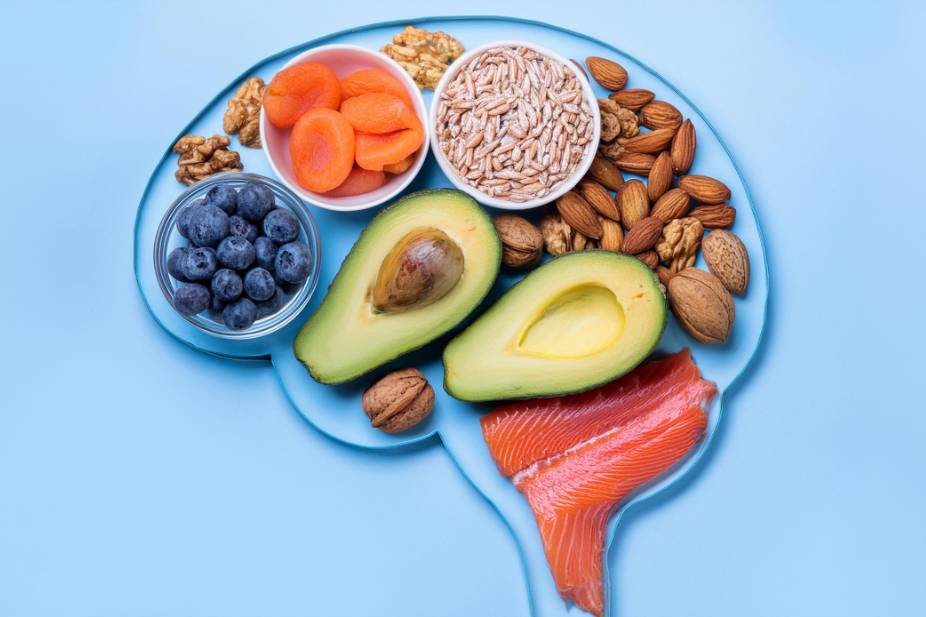
The newest model puts protein and dairy at the forefront. Protein is essential for immune and metabolic health, but evidence suggests that the protein source does matter. Plant-forward dietary patterns—rich in legumes, nuts, seeds, and whole grains—are associated with lower inflammatory markers across many different populations.
At the same time, the fruits section remains underemphasized despite their role in providing antioxidants, fiber, and phytonutrients that support immune regulation and gut health.
Integrative nutrition moves beyond generalized dietary guidance. Rather than asking every individual to follow the same framework, integrative and functional medicine practitioners assess inflammatory burden, metabolic flexibility, digestive function, nutrient status, food sensitivities, and lifestyle factors. Personalized nutrition is highly therapeutic and aims at restoring balance, reducing inflammation, supporting immune regulation, and promoting long-term resilience.
There is no universal model of care when it comes to integrative and functional care. Nutrition plays a foundational role in immunity, inflammation, and overall wellness—a personalized nutrition plan can make all the difference in how you feel and function.
Interested in working with me? Contact our office to schedule an appointment—I’d love to support your health journey!
– Chardonèe
We are here for you, and we want to help.
Our goal is to return you to optimal health as soon as possible. To schedule an appointment please call: 703-532-4892 x2
Therapeutic Plasma Exchange for Healing and Longevity: Dr. Gary Shares Insights on Fox5
/in Featured Press, News, Treatments/by Kaplan CenterDr. Gary sits down with Fox5 News’ Marissa Mitchell to discuss therapeutic plasma exchange (TPE), or plasmapheresis.
The Kaplan Center for Integrative Medicine is the first outpatient clinic in the greater, Washington, D.C. area that offers TPE for illnesses such as Alzheimer’s Disease, PANS/PANDAS, Long COVID, inflammatory issues, and for general longevity.
TPE is an FDA-approved medical treatment that filters the blood to remove inflammatory toxins that cause health issues and interfere with the body’s healing process. The blood plasma with toxins is replaced with nutrient-rich fluids such as albumin, helping the body restore balance and create optimal conditions for repair, regeneration, and improved cognitive function.
Think of it it as cleaning a fishbowl–you are removing the “gunk” so your body’s internal environment can thrive again.
PRESS RELEASE