Spring is a great time to reset—especially when it comes to balancing blood sugar levels. The best part? It is so simple!
Start with these five steps:
1. Clear out your pantry and fridge
Cut back on sugary drinks, snacks, and highly processed foods. Start replacing sugary drinks with electrolytes and water. I recommend fruit water. I love putting watermelon and lime in water with a little bit of mint. Replace snacks and processed foods with fresh fruit.
2. Restocking the kitchen
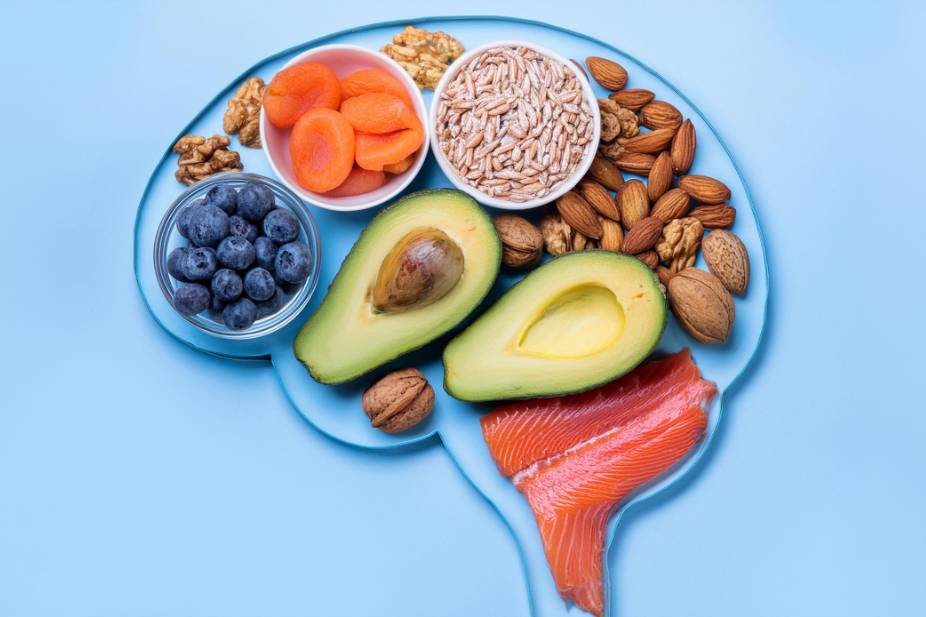
Protein (eggs, chicken, plant-based protein shakes, low sodium/no sugar turkey sticks, etc.)
Healthy fats (avocado, nuts, extra virgin olive oil, etc.)
Fiber-rich carbs (veggies, berries, oats, farro)
3. Balance your meals
Adequate protein, fiber, and healthy fats together on your plate helps prevent blood sugar spikes and crashes.
4. Add small supports
Use cinnamon in your meals or drinks. Iced hibiscus tea with cinnamon (recipe below) is very good in the spring and summer months.
5. Keep it realistic
Simple meals. Consistent eating. No perfection needed.
A fresh season is a good time for a fresh start. Small changes can make a big difference in how you feel every day.
As a Board Certified Nutrition Specialist, I guide my patients through blood sugar challenges every day. April is Defeat Diabetes Month, but it’s more than a professional focus for me—it’s personal. I’ve walked the path myself and I know firsthand just how difficult it is to manage. In my early 20s I was diagnosed with type 2 diabetes; but, through intentional nutrition, lifestyle changes, and consistent support, I was able to officially say I was free from diabetes by my mid 20s.
I am very open and honest about my experience with diabetes and I recognize my journey didn’t end there. Today, I continue to manage reactive hypoglycemia, which serves as a daily reminder that blood sugar balance is not a one-time achievement for all who have lived with diabetic challenges. There is no one-size-fits-all approach to managing blood sugar, but there are foundational strategies that can make a difference.
Here are some of the interventions that supported my journey:
1. Cinnamon for Blood Sugar Support
I regularly used cinnamon both as a supplement and as a staple in my cooking. Some evidence suggests cinnamon helps to support insulin sensitivity and improve blood sugar regulation, and I found it to be an easy, sustainable addition to my routine. Plus, it tastes really good! Cinnamon can enhance the flavors of so many different cuisines and beverages! Give it a try!
2. Exploring Bitter Melon
Bitter melon is often discussed in integrative nutrition for its glucose-lowering effects. I experimented with it in my cooking though I’ll be honest, it wasn’t my favorite flavor. It is just as the name says it is… bitter. This highlights an important point to consider, not every “healthy” food will work for every person, and that’s okay. I opted to take it in the form of a supplement after many trials and errors.
3. Prioritizing Protein Intake
Increasing protein intake is something I stuck with very consistently. I incorporated protein shakes and focused on building meals with adequate protein from both meat and plant sources. This helped my blood sugar to become more stable, reduced blood sugar spikes, and minimized crashes. Please note that it is so much easier to take the protein shake, but protein from real food – that takes a while to digest – balances blood sugar better than a shake. This is due to the body needing to work a little harder to break down food rather than something already pre-blended.
4. Creating Balanced, Consistent Meals
I rarely relied on quick, simple carbohydrates if I properly planned my food choices out ahead of time. Pairing protein, healthy fats, and fiber-rich complex carbohydrates is a game changer! This approach helped regulate my energy levels and maintain steadier glucose patterns throughout the day. When out for a special occasion, I opted for a high protein salad in addition to my main course meal.
My experience taught me that small, consistent steps can lead to powerful transformation, and honestly, something I did not think was possible. I did not have to change every little thing overnight, I just started with one simple step I liked and could easily do. It also taught me to extend grace to myself and to my patients because health is not about perfection—it’s about progress, awareness, and sustainability.
We are here for you, and we want to help.
Our goal is to return you to optimal health as soon as possible. To schedule an appointment please call: 703-532-4892 x2
Six years after the emergence of COVID-19, the acute phase of the pandemic may feel behind us, but for millions of Americans, the crisis is far from over. Long COVID continues to disrupt lives in ways that are often invisible, misunderstood, and underestimated.
Patients describe persistent brain fog, crushing fatigue, sleep disturbances, and a diminished ability to function day by day. For some, even basic tasks become insurmountable. What we once considered a short-term viral illness has, for many, evolved into a complex chronic condition.
Who Is at Risk
Anyone who contracts COVID-19 can develop long COVID. It is not limited to those who were hospitalized or severely ill.
Long COVID appears to be driven by immune dysfunction. In many patients, the immune system fails to fully reset after the initial infection, leading to persistent inflammation and dysregulation. It can be described as a “Jenga effect”: the infection itself may be the final block that causes an already stressed system to collapse.
This explains why individuals with pre-existing health challenges are more vulnerable. Chronic fatigue syndrome, tick-borne illnesses, environmental toxicities, and other post-infectious syndromes can prime the body for a prolonged response.
Traditional risk factors also play a role. Chronic lung disease, obesity, hypertension, diabetes, and a history of depression or unresolved trauma have all been associated with an increased likelihood of developing long COVID.
Emerging research in children adds another layer of concern. Reinfection appears to increase the risk of long COVID in pediatric populations, underscoring the importance of continued vigilance even among younger, otherwise healthy individuals.
Prevention Is Possible
One of the most encouraging developments is that long COVID may, in some cases, be preventable.
For individuals at higher risk, early intervention during acute infection can make a meaningful difference. Antiviral therapies such as Paxlovid, when taken within the first five days of symptoms along with Metformin (a drug used to treat Type 2 diabetes), can help reduce viral replication. A recent study showed that Metformin can reduce the risk of long COVID by 40–60% in adults. Its ability to lower viral load and modulate inflammatory pathways likely contributes to this protective effect.
Prevention strategies are not one-size-fits-all. Each patient’s medical history, risk factors, and underlying conditions must be carefully considered. Individualized care becomes essential.
Objective Diagnosis
For much of the pandemic, long COVID existed in a diagnostic gray zone. Patients often struggled to validate their symptoms in the absence of clear testing. That is beginning to change.
New tools can identify biological markers associated with long COVID. Tests such as IncellKINE™ analyze cytokines and chemokines, key indicators of immune activity, to generate an immunological profile unique to long COVID patients.
Other tests, including the S1 protein immune panel test, can detect viral fragments that may persist in certain immune cells, potentially driving ongoing symptoms.
Objective data not only validate patients’ experiences but also allow clinicians to tailor treatments more precisely.
A Multisystem Condition
Long COVID is not a single disease; it is a syndrome that can affect nearly every system in the body, including the cardiovascular, pulmonary, neurological, and immune systems, often in overlapping and unpredictable ways. Some patients develop dysautonomia, including postural orthostatic tachycardia syndrome (POTS), where heart rate spikes upon standing, leading to dizziness or fainting.
Others experience reactivation of latent viruses, such as Epstein-Barr, or develop conditions like mast cell activation syndrome (MCAS), which can manifest as new or worsening allergic responses.
Cognitive impairment, commonly referred to as “brain fog,” can be profound. Emerging research suggests overlaps between long COVID and neurodegenerative processes, including elevated levels of tau protein, which is also associated with Alzheimer’s disease.
At the root of these diverse symptoms is a common thread: persistent immune dysregulation and chronic inflammation.
A New Era of Treatment
While long COVID can be debilitating, there is hope. The key lies in precision medicine, identifying the specific drivers of each patient’s symptoms and addressing them directly.
A combination of therapies often yields the best outcomes, as therapeutic plasma exchange (TPE), also known as plasmapheresis, has shown promise in reducing inflammatory markers and removing circulating factors that may be contributing to ongoing symptoms.
Targeted medications, such as combinations of Maraviroc and Pravastatin, can help modulate immune activity and reduce vascular inflammation when taken together.
Nutritional strategies also play a critical role. IV therapies can replenish deficiencies that impair immune function, while targeted supplementation supports the body’s natural healing processes.
Integrative approaches, including acupuncture, have demonstrated the ability to influence inflammatory pathways and restore balance within the immune system.
Emerging evidence suggests that nicotine patches, through the interaction with specific receptors, may help alleviate symptoms like brain fog and fatigue in certain patients by modulating inflammation.
There is no single cure, but long COVID is treatable when approached comprehensively.




















Spring Clean Your Nutrition
/in Nutrition/by Chardonée Donald, MS, CBHS, CHN, CNS, LDNSpring is a great time to reset—especially when it comes to balancing blood sugar levels. The best part? It is so simple!
Start with these five steps:
1. Clear out your pantry and fridge
Cut back on sugary drinks, snacks, and highly processed foods. Start replacing sugary drinks with electrolytes and water. I recommend fruit water. I love putting watermelon and lime in water with a little bit of mint. Replace snacks and processed foods with fresh fruit.
2. Restocking the kitchen
3. Balance your meals
Adequate protein, fiber, and healthy fats together on your plate helps prevent blood sugar spikes and crashes.
4. Add small supports
Use cinnamon in your meals or drinks. Iced hibiscus tea with cinnamon (recipe below) is very good in the spring and summer months.
5. Keep it realistic
Simple meals. Consistent eating. No perfection needed.
A fresh season is a good time for a fresh start. Small changes can make a big difference in how you feel every day.
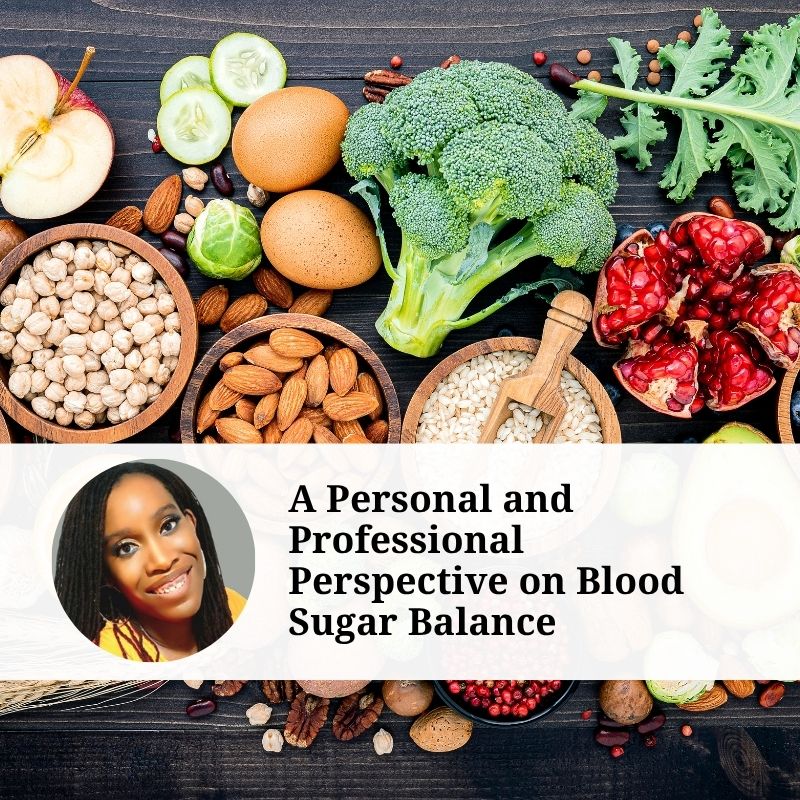
Defeat Diabetes Month: A Personal and Professional Perspective on Blood Sugar Balance
/in Nutrition/by Chardonée Donald, MS, CBHS, CHN, CNS, LDNAs a Board Certified Nutrition Specialist, I guide my patients through blood sugar challenges every day. April is Defeat Diabetes Month, but it’s more than a professional focus for me—it’s personal. I’ve walked the path myself and I know firsthand just how difficult it is to manage. In my early 20s I was diagnosed with type 2 diabetes; but, through intentional nutrition, lifestyle changes, and consistent support, I was able to officially say I was free from diabetes by my mid 20s.
I am very open and honest about my experience with diabetes and I recognize my journey didn’t end there. Today, I continue to manage reactive hypoglycemia, which serves as a daily reminder that blood sugar balance is not a one-time achievement for all who have lived with diabetic challenges. There is no one-size-fits-all approach to managing blood sugar, but there are foundational strategies that can make a difference.
Here are some of the interventions that supported my journey:
1. Cinnamon for Blood Sugar Support
I regularly used cinnamon both as a supplement and as a staple in my cooking. Some evidence suggests cinnamon helps to support insulin sensitivity and improve blood sugar regulation, and I found it to be an easy, sustainable addition to my routine. Plus, it tastes really good! Cinnamon can enhance the flavors of so many different cuisines and beverages! Give it a try!
2. Exploring Bitter Melon
Bitter melon is often discussed in integrative nutrition for its glucose-lowering effects. I experimented with it in my cooking though I’ll be honest, it wasn’t my favorite flavor. It is just as the name says it is… bitter. This highlights an important point to consider, not every “healthy” food will work for every person, and that’s okay. I opted to take it in the form of a supplement after many trials and errors.
3. Prioritizing Protein Intake
Increasing protein intake is something I stuck with very consistently. I incorporated protein shakes and focused on building meals with adequate protein from both meat and plant sources. This helped my blood sugar to become more stable, reduced blood sugar spikes, and minimized crashes. Please note that it is so much easier to take the protein shake, but protein from real food – that takes a while to digest – balances blood sugar better than a shake. This is due to the body needing to work a little harder to break down food rather than something already pre-blended.
4. Creating Balanced, Consistent Meals
I rarely relied on quick, simple carbohydrates if I properly planned my food choices out ahead of time. Pairing protein, healthy fats, and fiber-rich complex carbohydrates is a game changer! This approach helped regulate my energy levels and maintain steadier glucose patterns throughout the day. When out for a special occasion, I opted for a high protein salad in addition to my main course meal.
My experience taught me that small, consistent steps can lead to powerful transformation, and honestly, something I did not think was possible. I did not have to change every little thing overnight, I just started with one simple step I liked and could easily do. It also taught me to extend grace to myself and to my patients because health is not about perfection—it’s about progress, awareness, and sustainability.
We are here for you, and we want to help.
Our goal is to return you to optimal health as soon as possible. To schedule an appointment please call: 703-532-4892 x2
What we know about long COVID after six years
/in Featured Press, Long Covid/by Gary Kaplan, DOSix years after the emergence of COVID-19, the acute phase of the pandemic may feel behind us, but for millions of Americans, the crisis is far from over. Long COVID continues to disrupt lives in ways that are often invisible, misunderstood, and underestimated.
Patients describe persistent brain fog, crushing fatigue, sleep disturbances, and a diminished ability to function day by day. For some, even basic tasks become insurmountable. What we once considered a short-term viral illness has, for many, evolved into a complex chronic condition.
Who Is at Risk
Anyone who contracts COVID-19 can develop long COVID. It is not limited to those who were hospitalized or severely ill.
Long COVID appears to be driven by immune dysfunction. In many patients, the immune system fails to fully reset after the initial infection, leading to persistent inflammation and dysregulation. It can be described as a “Jenga effect”: the infection itself may be the final block that causes an already stressed system to collapse.
This explains why individuals with pre-existing health challenges are more vulnerable. Chronic fatigue syndrome, tick-borne illnesses, environmental toxicities, and other post-infectious syndromes can prime the body for a prolonged response.
Traditional risk factors also play a role. Chronic lung disease, obesity, hypertension, diabetes, and a history of depression or unresolved trauma have all been associated with an increased likelihood of developing long COVID.
Emerging research in children adds another layer of concern. Reinfection appears to increase the risk of long COVID in pediatric populations, underscoring the importance of continued vigilance even among younger, otherwise healthy individuals.
Prevention Is Possible
One of the most encouraging developments is that long COVID may, in some cases, be preventable.
For individuals at higher risk, early intervention during acute infection can make a meaningful difference. Antiviral therapies such as Paxlovid, when taken within the first five days of symptoms along with Metformin (a drug used to treat Type 2 diabetes), can help reduce viral replication. A recent study showed that Metformin can reduce the risk of long COVID by 40–60% in adults. Its ability to lower viral load and modulate inflammatory pathways likely contributes to this protective effect.
Prevention strategies are not one-size-fits-all. Each patient’s medical history, risk factors, and underlying conditions must be carefully considered. Individualized care becomes essential.
Objective Diagnosis
For much of the pandemic, long COVID existed in a diagnostic gray zone. Patients often struggled to validate their symptoms in the absence of clear testing. That is beginning to change.
New tools can identify biological markers associated with long COVID. Tests such as IncellKINE™ analyze cytokines and chemokines, key indicators of immune activity, to generate an immunological profile unique to long COVID patients.
Other tests, including the S1 protein immune panel test, can detect viral fragments that may persist in certain immune cells, potentially driving ongoing symptoms.
Objective data not only validate patients’ experiences but also allow clinicians to tailor treatments more precisely.
A Multisystem Condition
Long COVID is not a single disease; it is a syndrome that can affect nearly every system in the body, including the cardiovascular, pulmonary, neurological, and immune systems, often in overlapping and unpredictable ways. Some patients develop dysautonomia, including postural orthostatic tachycardia syndrome (POTS), where heart rate spikes upon standing, leading to dizziness or fainting.
Others experience reactivation of latent viruses, such as Epstein-Barr, or develop conditions like mast cell activation syndrome (MCAS), which can manifest as new or worsening allergic responses.
Cognitive impairment, commonly referred to as “brain fog,” can be profound. Emerging research suggests overlaps between long COVID and neurodegenerative processes, including elevated levels of tau protein, which is also associated with Alzheimer’s disease.
At the root of these diverse symptoms is a common thread: persistent immune dysregulation and chronic inflammation.
A New Era of Treatment
While long COVID can be debilitating, there is hope. The key lies in precision medicine, identifying the specific drivers of each patient’s symptoms and addressing them directly.
A combination of therapies often yields the best outcomes, as therapeutic plasma exchange (TPE), also known as plasmapheresis, has shown promise in reducing inflammatory markers and removing circulating factors that may be contributing to ongoing symptoms.
Targeted medications, such as combinations of Maraviroc and Pravastatin, can help modulate immune activity and reduce vascular inflammation when taken together.
Nutritional strategies also play a critical role. IV therapies can replenish deficiencies that impair immune function, while targeted supplementation supports the body’s natural healing processes.
Integrative approaches, including acupuncture, have demonstrated the ability to influence inflammatory pathways and restore balance within the immune system.
Emerging evidence suggests that nicotine patches, through the interaction with specific receptors, may help alleviate symptoms like brain fog and fatigue in certain patients by modulating inflammation.
There is no single cure, but long COVID is treatable when approached comprehensively.