At this moment, do you notice accumulated stress in your body? That slight clenching in your jaw, a furrow in your brow, the tension in your shoulders, and tightness in your belly?
The tools of Yoga Therapy are so powerful because they are accessible and meet us right where we are. The following exercise can help to release tension in 1-2 minutes. This breath technique effortlessly extends the length of your exhale, stimulating your parasympathetic nervous system to release a cascade of stress-reducing hormones that calm and restore your system.
One-minute yoga
– Sit comfortably, hands palms down on your lap, close your eyes, and feel your feet on the floor.
– Honor the intention of taking 1-2 minutes to relax your body and mind.
– Inhale through the nose, shrugging your shoulders up toward your ears.
– Exhale through the mouth with a sigh (if a sigh feels conspicuous, you can just exhale through the mouth), dropping your shoulders, imagining any buildup of stress falling off your shoulders. Repeat 3 times.
– Next, inhale through the nose, filling your belly.
– Exhale through your mouth as if you are exhaling out through a straw (lips pursed together creating a little opening between them as if you were holding a straw in your mouth). Repeat 3-5 times.
– Close by repeating the affirmation silently 3 times: “I am relaxed and at ease.” If you have a spiritual life/practice, take a moment to honor its presence in your life.
Living with irritable bowel syndrome (IBS) is no picnic. The American College of Gastroenterology estimates that approximately 10-15% of the U.S. population has IBS. Despite the emotional and physical distress caused by bouts of cramping, diarrhea, constipation, gas, bloating, and abdominal pain, many people quietly suffer without a proper diagnosis.
Your IBS symptoms can improve with nutritional counseling and a specialized treatment plan that fits your unique health profile and lifestyle. While its specific causes are unknown, diet modifications can be very helpful in lowering the frequency and ease the severity of your symptoms.
Here Are 6 Ways to Ease Your IBS Symptoms
1. Check for microbial imbalances.
Unhealthy microbes or bacteria in the wrong place can be the root cause of IBS. It is estimated that up to 78%[1] of IBS patients have Small Intestine Bacterial Overgrowth or SIBO, a condition in which the type of bacteria normally found in the large intestine proliferates in the small intestine where it doesn’t belong. It can affect the absorption of nutrients and cause significant bloating and discomfort.
Pathogenic microorganisms anywhere in the gut can also cause IBS symptoms. At the Kaplan Center, our providers order specialized tests to find out the type and location of microorganisms in the intestinal tract. If we detect an overgrowth, we can treat it with prescription antibiotics, and antifungals or natural antimicrobials, such as oil of oregano and garlic extract.
2. Look for major triggers and irritants.
Gluten, corn, dairy, soy, eggs, peanuts, additives, and gums (such as carrageenan) can be major triggers. Other irritants, such as caffeine, alcohol, and NSAIDs such as ibuprofen, can worsen IBS symptoms. We’ll guide you through an elimination diet to identify your triggers and to ease and/or, in some cases, eliminate symptoms.
3. Eliminate high FODMAP foods.
Some healthy foods such as apples, watermelons, and broccoli can worsen IBS symptoms. FODMAPS, which stands for Fermentable Oligo-Di-Monosaccharides and Polyols, are types of carbohydrates that are osmotic and will pull water into the intestine. These foods may not be absorbed well and can be fermented by bacteria in your intestine, worsening IBS symptoms. Eliminate high FODMAP foods from your diet completely for 4 weeks. Re-introduce them one by one to narrow down the list of foods that cause your IBS symptoms to flare up.
4. Look for inflammation.
Our functional approach to treating symptoms means we’ll also look for signs of inflammation in the gut that may be exacerbating your symptoms. Our nutritionist can work with you to make sure you’re eating the right foods to reduce the occurrence of inflammation, thereby easing your IBS symptoms.
5. Digestive aids.
Sometimes acidity in the stomach needs to be stimulated and digestive enzymes need to be replaced. If foods are not broken down to a molecule small enough for absorption, it can affect digestive health. Natural antispasmodics such as peppermint oil can help with motility (the movements of the digestive system and the transit of the contents within it). Physical therapy and acupuncture can also be helpful for bowel function, especially constipation.
6. Introduce probiotics and nutrients.
Beneficial bacteria and certain nutrients are essential for healing the lining of the gut. At the Kaplan Center, we can formulate a variety of probiotics depending on your specific needs. Nutrients that are essential to gut health include zinc, L glutamine, aloe vera, DGL (Deglycyrrhizinated Licorice), and slippery elm.
If you are experiencing digestive symptoms, please give us a call us at 703-532-4892. We’re here to help you get to the root cause of your symptoms so healing can begin.
We are here for you, and we want to help.
Our goal is to return you to optimal health as soon as possible. To schedule an appointment please call: 703-532-4892 x2
[1] Ghoshal UC, Shukla R, Ghoshal U. Small Intestinal Bacterial Overgrowth and Irritable Bowel Syndrome: A Bridge between Functional Organic Dichotomy. Gut Liver. 2017 Mar 15;11(2):196-208. doi: 10.5009/gnl16126. PMID: 28274108; PMCID: PMC5347643.
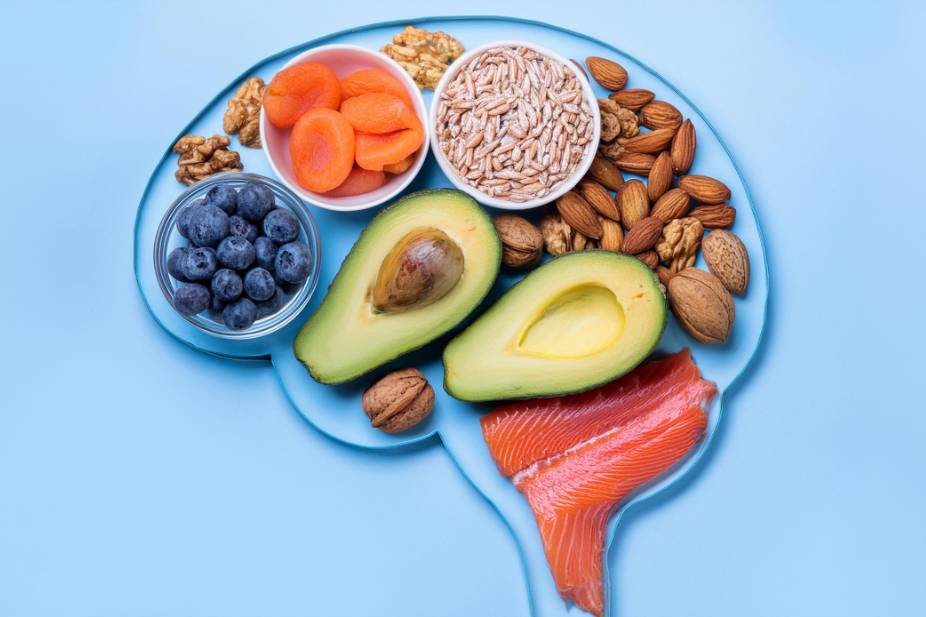
What do pistachios, peanuts, blueberries, and grapes have in common? In addition to providing a tasty snack, they are all sources of resveratrol, a naturally occurring substance found in certain plants that offers a number of health benefits to the brain!
Resveratrol is a type of phytoalexin, a substance produced by plant tissues that promotes disease resistance. Medical researchers are still exploring the mechanisms by which it works but it has clearly proven its impact on reducing inflammation in the central nervous system (inflammation of this nature is a major contributor to chronic pain, depression, and neurodegenerative diseases).
Sources of resveratrol
A well-balanced diet that includes lots of fruits, vegetables, and nuts is a wonderful way to obtain Resveratrol. Other food sources include mulberries, raspberries, red wine, pomegranates, dark chocolate, and soy beans.
Bioavailability
Successful in vivo studies (involving animals or humans) are limited but show promise. One reason for their limited success is that Resveratrol has low bioavailability. Merriam-Webster defines bioavailability as “the degree and rate at which a substance is absorbed into a living system or is made available at the site of physiological activity.” In other words, before our bodies are able to reap its benefits, Resveratrol is rapidly absorbed and eliminated. Researchers continue to look for ways to enhance its bioavailability through dosage concentrations and combinations with other compounds. For example, just as piperine can improve the bioavailability of curcumin, it may also improve the bioavailability of resveratrol. A 2020 study published in The Egyptian Rheumatologist concluded that “piperine administration concurrently with resveratrol potentiated the anti-inflammatory efficacy of resveratrol in arthritic-induced rats which could be attributed to the bio-enhancing activity of piperine”.
It can potentially lower a person’s risk of opioid dependency. A 2020 study published in World Academy of Sciences Journal found that “RES can potentiate the antinociceptive effects of morphine and reduces morphine tendency and reinstatement.” In other words, this study suggests that it’s possible that Resveratrol, when taken with morphine, can prevent the development of hyperalgesia (increased sensitization to pain) – a condition that often leads to opioid dependency. Furthermore, Resveratrol acts without compromising the morphine’s effectiveness.
It can improve age-related mood and memory function. Resveratrol’s anti-aging and anti-inflammatory properties seem to protect cells in the hippocampal region of the brain from damage. This region of the brain converts short-term memory to long-term memory, and is part of the limbic system, which regulates emotion. A study published in Scientific Reports showed that middle aged, Resveratrol-treated rats had “improved learning, memory and mood function” in older age than their “vehicle” (a substance usually without therapeutic action) or control-treated counterparts.
It reduces amyloid plaque formation. Amyloid plaques present as a sticky buildup that accumulates outside nerve cells or neurons, and they have been linked to Alzheimer’s disease. A 2022 study published in Free Radical Biology and Medicine, found “strong evidence for resveratrol’s neuroprotective and anti-plaque capabilities in viral-induced AD, which merits its further exploration as an AD preventive and therapeutic candidate.”
Supplementing with Resveratrol
Resveratrol supplements are available in pure form or combined with other compounds. Dosages are typically somewhere between 5mgs and 5gms, depending on the individual’s medical condition.
* If you are considering taking a supplement, make sure to talk with your physician about possible interactions with other medicines.
In sum, Resveratrol is a powerful anti-oxidant with a demonstrated potential to nurture and even heal the brain. With many delightful sources available in food, supplementing with Resveratrol can ensure that our bodies get even more of this wonderful gift from nature!
We are here for you, and we want to help.
Our goal is to return you to optimal health as soon as possible. To schedule an appointment please call: 703-532-4892 x2
Meng T, Xiao D, Muhammed A, Deng J, Chen L, He J. Anti-Inflammatory Action and Mechanisms of Resveratrol. Molecules. 2021 Jan 5;26(1):229. doi: 10.3390/molecules26010229. PMID: 33466247; PMCID: PMC7796143.
Jardim FR, de Rossi FT, Nascimento MX, da Silva Barros RG, Borges PA, Prescilio IC, de Oliveira MR. Resveratrol and Brain Mitochondria: a Review. Mol Neurobiol. 2018 Mar;55(3):2085-2101. doi: 10.1007/s12035-017-0448-z. Epub 2017 Mar 10. PMID: 28283884.
Bailey HH, Johnson JJ, Lozar T, Scarlett CO, Wollmer BW, Kim K, Havinghurst T, Ahmad N. A randomized, double-blind, dose-ranging, pilot trial of piperine with resveratrol on the effects on serum levels of resveratrol. Eur J Cancer Prev. 2021 May 1;30(3):285-290. doi: 10.1097/CEJ.0000000000000621. PMID: 32868637; PMCID: PMC7910313.

















One Minute Yoga Practice To Do Anywhere/Anytime
/in Meditation, Wellness/by Kaplan CenterAt this moment, do you notice accumulated stress in your body? That slight clenching in your jaw, a furrow in your brow, the tension in your shoulders, and tightness in your belly?
The tools of Yoga Therapy are so powerful because they are accessible and meet us right where we are. The following exercise can help to release tension in 1-2 minutes. This breath technique effortlessly extends the length of your exhale, stimulating your parasympathetic nervous system to release a cascade of stress-reducing hormones that calm and restore your system.
One-minute yoga
– Sit comfortably, hands palms down on your lap, close your eyes, and feel your feet on the floor.
– Honor the intention of taking 1-2 minutes to relax your body and mind.
– Inhale through the nose, shrugging your shoulders up toward your ears.
– Exhale through the mouth with a sigh (if a sigh feels conspicuous, you can just exhale through the mouth), dropping your shoulders, imagining any buildup of stress falling off your shoulders. Repeat 3 times.
– Next, inhale through the nose, filling your belly.
– Exhale through your mouth as if you are exhaling out through a straw (lips pursed together creating a little opening between them as if you were holding a straw in your mouth). Repeat 3-5 times.
– Close by repeating the affirmation silently 3 times: “I am relaxed and at ease.” If you have a spiritual life/practice, take a moment to honor its presence in your life.
6 Ways to Ease Your IBS Symptoms
/in Conditions, Digestive Issues/by Kaplan CenterLiving with irritable bowel syndrome (IBS) is no picnic. The American College of Gastroenterology estimates that approximately 10-15% of the U.S. population has IBS. Despite the emotional and physical distress caused by bouts of cramping, diarrhea, constipation, gas, bloating, and abdominal pain, many people quietly suffer without a proper diagnosis.
Your IBS symptoms can improve with nutritional counseling and a specialized treatment plan that fits your unique health profile and lifestyle. While its specific causes are unknown, diet modifications can be very helpful in lowering the frequency and ease the severity of your symptoms.
Here Are 6 Ways to Ease Your IBS Symptoms
1. Check for microbial imbalances.
Unhealthy microbes or bacteria in the wrong place can be the root cause of IBS. It is estimated that up to 78%[1] of IBS patients have Small Intestine Bacterial Overgrowth or SIBO, a condition in which the type of bacteria normally found in the large intestine proliferates in the small intestine where it doesn’t belong. It can affect the absorption of nutrients and cause significant bloating and discomfort.
Pathogenic microorganisms anywhere in the gut can also cause IBS symptoms. At the Kaplan Center, our providers order specialized tests to find out the type and location of microorganisms in the intestinal tract. If we detect an overgrowth, we can treat it with prescription antibiotics, and antifungals or natural antimicrobials, such as oil of oregano and garlic extract.
2. Look for major triggers and irritants.
Gluten, corn, dairy, soy, eggs, peanuts, additives, and gums (such as carrageenan) can be major triggers. Other irritants, such as caffeine, alcohol, and NSAIDs such as ibuprofen, can worsen IBS symptoms. We’ll guide you through an elimination diet to identify your triggers and to ease and/or, in some cases, eliminate symptoms.
3. Eliminate high FODMAP foods.
Some healthy foods such as apples, watermelons, and broccoli can worsen IBS symptoms. FODMAPS, which stands for Fermentable Oligo-Di-Monosaccharides and Polyols, are types of carbohydrates that are osmotic and will pull water into the intestine. These foods may not be absorbed well and can be fermented by bacteria in your intestine, worsening IBS symptoms. Eliminate high FODMAP foods from your diet completely for 4 weeks. Re-introduce them one by one to narrow down the list of foods that cause your IBS symptoms to flare up.
4. Look for inflammation.
Our functional approach to treating symptoms means we’ll also look for signs of inflammation in the gut that may be exacerbating your symptoms. Our nutritionist can work with you to make sure you’re eating the right foods to reduce the occurrence of inflammation, thereby easing your IBS symptoms.
5. Digestive aids.
Sometimes acidity in the stomach needs to be stimulated and digestive enzymes need to be replaced. If foods are not broken down to a molecule small enough for absorption, it can affect digestive health. Natural antispasmodics such as peppermint oil can help with motility (the movements of the digestive system and the transit of the contents within it). Physical therapy and acupuncture can also be helpful for bowel function, especially constipation.
6. Introduce probiotics and nutrients.
Beneficial bacteria and certain nutrients are essential for healing the lining of the gut. At the Kaplan Center, we can formulate a variety of probiotics depending on your specific needs. Nutrients that are essential to gut health include zinc, L glutamine, aloe vera, DGL (Deglycyrrhizinated Licorice), and slippery elm.
If you are experiencing digestive symptoms, please give us a call us at 703-532-4892. We’re here to help you get to the root cause of your symptoms so healing can begin.
We are here for you, and we want to help.
Our goal is to return you to optimal health as soon as possible. To schedule an appointment please call: 703-532-4892 x2
[1] Ghoshal UC, Shukla R, Ghoshal U. Small Intestinal Bacterial Overgrowth and Irritable Bowel Syndrome: A Bridge between Functional Organic Dichotomy. Gut Liver. 2017 Mar 15;11(2):196-208. doi: 10.5009/gnl16126. PMID: 28274108; PMCID: PMC5347643.
4 Brain Boosting Properties of Resveratrol
/in Inflammation, Nutrition/by Gary Kaplan, DOWhat do pistachios, peanuts, blueberries, and grapes have in common? In addition to providing a tasty snack, they are all sources of resveratrol, a naturally occurring substance found in certain plants that offers a number of health benefits to the brain!
Resveratrol is a type of phytoalexin, a substance produced by plant tissues that promotes disease resistance. Medical researchers are still exploring the mechanisms by which it works but it has clearly proven its impact on reducing inflammation in the central nervous system (inflammation of this nature is a major contributor to chronic pain, depression, and neurodegenerative diseases).
Sources of resveratrol
A well-balanced diet that includes lots of fruits, vegetables, and nuts is a wonderful way to obtain Resveratrol. Other food sources include mulberries, raspberries, red wine, pomegranates, dark chocolate, and soy beans.
Bioavailability
Successful in vivo studies (involving animals or humans) are limited but show promise. One reason for their limited success is that Resveratrol has low bioavailability. Merriam-Webster defines bioavailability as “the degree and rate at which a substance is absorbed into a living system or is made available at the site of physiological activity.” In other words, before our bodies are able to reap its benefits, Resveratrol is rapidly absorbed and eliminated. Researchers continue to look for ways to enhance its bioavailability through dosage concentrations and combinations with other compounds. For example, just as piperine can improve the bioavailability of curcumin, it may also improve the bioavailability of resveratrol. A 2020 study published in The Egyptian Rheumatologist concluded that “piperine administration concurrently with resveratrol potentiated the anti-inflammatory efficacy of resveratrol in arthritic-induced rats which could be attributed to the bio-enhancing activity of piperine”.
Questions? Give Us a Call!
703-532-4892 x2
Possible Clinical Applications of Resveratrol
Supplementing with Resveratrol
Resveratrol supplements are available in pure form or combined with other compounds. Dosages are typically somewhere between 5mgs and 5gms, depending on the individual’s medical condition.
* If you are considering taking a supplement, make sure to talk with your physician about possible interactions with other medicines.
In sum, Resveratrol is a powerful anti-oxidant with a demonstrated potential to nurture and even heal the brain. With many delightful sources available in food, supplementing with Resveratrol can ensure that our bodies get even more of this wonderful gift from nature!
We are here for you, and we want to help.
Our goal is to return you to optimal health as soon as possible. To schedule an appointment please call: 703-532-4892 x2
Additional References:
Bioavailability (n.d.) Merriam-Webster.com. Retrieved from //www.merriam-webster.com/dictionary/bioavailability.
Meng T, Xiao D, Muhammed A, Deng J, Chen L, He J. Anti-Inflammatory Action and Mechanisms of Resveratrol. Molecules. 2021 Jan 5;26(1):229. doi: 10.3390/molecules26010229. PMID: 33466247; PMCID: PMC7796143.
Jardim FR, de Rossi FT, Nascimento MX, da Silva Barros RG, Borges PA, Prescilio IC, de Oliveira MR. Resveratrol and Brain Mitochondria: a Review. Mol Neurobiol. 2018 Mar;55(3):2085-2101. doi: 10.1007/s12035-017-0448-z. Epub 2017 Mar 10. PMID: 28283884.
Bailey HH, Johnson JJ, Lozar T, Scarlett CO, Wollmer BW, Kim K, Havinghurst T, Ahmad N. A randomized, double-blind, dose-ranging, pilot trial of piperine with resveratrol on the effects on serum levels of resveratrol. Eur J Cancer Prev. 2021 May 1;30(3):285-290. doi: 10.1097/CEJ.0000000000000621. PMID: 32868637; PMCID: PMC7910313.