To maintain optimal health, our bodies need vitamins, minerals, and phytonutrients. Whole foods, like fruits, vegetables, whole grains, legumes, and nuts, are packed with these important compounds. They naturally help us boost our immune system, fight inflammation, and ward off chronic illness.
But as a physician and founder of the Kaplan Center for Integrative Medicine, I also explain to my patients that optimal nutrition can go one step further. Have you heard of food synergy? It’s an idea that has gained popularity in recent years and it maintains that certain components of different foods can work synergistically to bring greater nutritional benefit to our bodies.
For example, turmeric combined with black pepper (or more specifically piperine, a compound found in black pepper) increases the absorption of turmeric’s active ingredient, curcumin. Curcumin has powerful antioxidant and anti-inflammatory properties that help prevent free radical damage and calm the inflammatory process at the root of many chronic diseases. This is a great illustration of food synergy at work — in which the right combination of substances work together to increase nutritional value and bring greater benefits to your body.
Interested in adding this idea to your diet? You might not realize it, but many common snacks and meals you already eat put the concept of food synergy into practice. Here are a few key examples of these pairings, and why they work.
1. Bananas & Greek yogurt
Bananas contain inulin, a plant-based carbohydrate. Research shows that inulin, when added to yogurt, can increase the growth of yogurt’s healthy bacteria, thereby helping to regulate digestion even further and boost immunity.
If you already enjoy yogurt as part of your breakfast or as a snack, make sure to choose an unsweetened Greek variety, which contains more protein, and then add your own fresh bananas.
2. Spinach with garbanzo beans & red bell peppers
While heme iron (iron from meat, fish, and poultry) is well-absorbed, non-heme iron (found in grains, legumes, certain vegetables, and nuts) is less well-absorbed. Fortunately, research shows that vitamin C (ascorbic acid) assists in the absorption of non-heme iron — important for those who follow a plant-based diet.
A spinach and garbanzo bean salad (rich in non-heme iron) combined with fresh red bell peppers, a good source of ascorbic acid, makes a delicious and healthful meal, particularly for those who may be at a higher risk of iron deficiency.
Research suggests that vegetables, particularly colorful ones such as tomatoes, peppers, spinach, broccoli, and kale, should be eaten with healthy monounsaturated oils — such as olive oil — to increase your body’s absorption of carotenoids, a type of phytonutrient that has powerful antioxidant and anti-inflammatory properties.
Adding whole eggs or avocados, which contain healthy monounsaturated fats, to a salad will also help to boost the absorption of carotenoids.
This combination isn’t just delicious — it can also help improve cardiovascular health. Dark chocolate (70 percent cacao or more is best) is rich in catechins, and apples are a rich source of the flavonoid quercetin. When eaten together, research suggests that the catechins and quercetin work synergistically to inhibit platelet adhesion to collagen.
The Bottom Line:
Some foods were just meant to be eaten together! While these are great examples to keep in mind, the simplest way to put the concept of “food synergy” into practice is to eat a wide variety of whole foods. Doing so ensures that you receive the key nutrients your body needs to thrive.
We are here for you, and we want to help.
Our goal is to return you to optimal health as soon as possible. To schedule an appointment please call: 703-532-4892 x2
Do you…
feel tired most of the time or have an energy crash midday?
struggle with gas, bloating, abdominal pain, reflux, constipation, or diarrhea?
feel lost about what’s “healthy” to eat or if you should take supplements?
Or, if you’ve been diagnosed with or suspect you have a more serious nutritional problem like IBS, Crohn’s, Colitis, SIBO, or GERD, the Kaplan Center can help you.
When nutrition plays a role in a your medical problems – and this is often true – our goal is to investigate the root cause of your discomfort and not just treat the symptoms. We use an Integrative & Functional Nutrition (IFN) approach to to identify underlying imbalances or deficiencies that may be impacting your health.
If you’re ready to make a change and need help, please give us a call today.
In 2015, a study from Stanford University suggested that the long-term use of certain medications used to treat symptoms associated with acid reflux can increase one’s risk of having a heart attack. Since its publication, studies continue to confirm its findings.
These medications, known as Proton Pump Inhibitors or PPIs, include the brand-names Prevacid, Nexium, and Prilosec, and are the strongest medications available to counter the effects of excess stomach acid. They are used to both prevent and treat ulcers, and to treat gastroesophageal reflux disease (GERD). PPIs are among the most widely prescribed class of medications in the United States.
About the 2015 study
After analyzing millions of medical records to find a relationship between heartburn medications and cardiovascular risk, researchers found that there was indeed a link between the two variables; people who used a PPI as part of their treatment for GERD had an elevated risk of suffering a myocardial infarction, commonly known as a heart attack. Furthermore, they found that this risk did not apply to patients who used another class of heartburn medications, called H2 blockers, which include brand names such as Pepcid or Zantac.
It’s important to note that when used appropriately as a short term treatment, PPIs can be effective to ease acid reflux symptoms. However, since PPIs are available over the counter, the risk of over-use increases as individuals are not necessarily aware of the long-term risks.
Equally important to note is that some people who use a PPI may have a pre-existing condition that can cause an increased risk of having a heart attack. For example, obesity, alcohol consumption, and smoking are all risk factors for heart disease, and have all individually been shown to increase symptoms of acid reflux and GERD in clinical trials. These lifestyle factors must be taken into consideration before use. The bottom line is that one must always assess the actual risks and benefits of any medical intervention, and explore other possible interventions, before starting any medication.
6 Ways to Improve Acid Reflux Symptoms Naturally and Stay Heart Healthy
Change your diet: Keeping a healthy weight is not only better for your heart, it’s better for controlling heartburn too! Spicy, fatty, or acidic foods can trigger heartburn so avoiding these types of foods makes a difference. Try eating smaller meals more frequently, cutting back on your caffeine intake, and don’t eat close to bedtime. Also, talk to your doctor about supplements such as deglycyrrhizinated licorice (DGL) & high-dose melatonin – two supplements that we prescribe to our patients at the Center with great results.
Get tested for SIBO (Small Intestine Bacterial Overgrowth): Normally, the small intestine contains relatively few bacteria. Most intestinal bacteria are confined to the large intestine. A bacterial overgrowth in the small intestine can cause symptoms such as bloating, gas, and abdominal pain. It also interferes with normal digestion and absorption of food and can cause damage to the lining or membrane of the small intestine, which ironically can also be caused by prolonged use of an acid-suppressing medication. SIBO can often be an underlying cause of GERD and other gastrointestinal conditions – if you test positive for SIBO, treatment includes dietary modifications as well as probiotic supplementation, and in some cases, an antibiotic.
Cut back on alcohol consumption: Drinking excessive amounts of alcohol can cause high blood pressure, a major risk factor for having a heart attack. While the research remains inconsistent on alcohol consumption as a cause of GERD, some studies have demonstrated that alcohol can contribute to its progression. If alcohol aggravates your GERD, your doctor may recommend that you limit or avoid consumption.
Keep exercising: If you have heartburn or GERD you may notice that intense exercise can worsen your symptoms. Don’t let this keep you away from physical activity! Exercise is essential for optimal health and it’s particularly important in maintaining a healthy heart. For GERD sufferers, the trick is to find the right balance for your body to keep your symptoms at bay. Avoid physical activity after eating and try less jarring activities. Exercises that put your abs to work, like running, biking, and weightlifting, have been found to trigger symptoms more frequently because of stomach contractions, so these are good ones to avoid.
Quit smoking, today: Smoking is a major risk factor for heart disease. It can damage the cells that line the blood vessels, causing them to thicken and narrow, thereby allowing clots to form, which can, in turn, block blood flow to the heart. A study published in the journal Best Practice & Research Clinical Gastroenterology showed that cigarette smoking can also increase the occurrence of acid reflux. If you have tried independently to quit smoking but have not been able to kick the habit, talk to your doctor today about cessation programs and support groups in your community.
Try acupuncture or meditation: Alternative treatments, such as acupuncture and meditation, are both immune boosters and stress reducers that have consistently shown that they can improve GERD symptoms in patients.
Hypothyroidism is a medical condition that is characterized by the body’s inability to produce enough thyroid hormone. The thyroid gland (located in the neck area) produces thyroid hormone, a hormone that is responsible for a wide range of bodily functions. Thyroid hormone plays a role in our metabolism, it helps regulate our energy levels, weight and even has a hand in regulating our sex-drive. So, when levels of thyroid hormone become too high or too low it can lead to a wide range of symptoms that fundamentally affect our day-to-day functioning. In fact, without enough thyroid hormone, many of the body’s functions slow down.
Importantly, women are much more likely than men to develop hypothyroidism and it is a condition more common among people older than 60 years of age.
Symptoms of hypothyroidism
The symptoms of hypothyroidism usually develop slowly and are hard to pinpoint. It makes the diagnosis of hypothyroidism difficult at times because its symptoms mimic many other medical conditions. For these reasons, it can take years for people to realize that they are suffering from hypothyroidism. Symptoms include
During your visit, our physicians will take the time to develop a good understanding of your condition and how it is impacting your life. This will include exploring the onset of your condition, the specific nature of your symptoms and the overall status of your health. After taking a comprehensive medical history and carrying out a physical exam, some additional diagnostic tests may be recommended. This may include:
Blood tests – a full thyroid panel that measures thyroid levels and thyroid antibody levels
An evaluation of minerals and vitamins to look for low levels of these nutrients that support the thyroid
Digestive tests
Tests that measure functioning of the adrenal gland and cortisol levels
Other testing may be carried out to exclude different causes for your symptoms.
How you can improve your thyroid health
The first step to improving your thyroid health is finding the root cause behind the low thyroid levels. Hypothyroidism can be caused by a number of different conditions. For example, it may be caused by an autoimmune condition known as Hashimoto’s thyroiditis. It may also be caused by damage to the thyroid gland from cancer or radiation, postpartum hypothyroidism or inflammation of the gland. Therefore, finding the root cause is critical.
In most cases, the following items may improve your thyroid function:
Improvement of adrenal and cortisol function by introducing activities to reduce stress such as therapy, meditation, yoga or exercise.
Left untreated, hypothyroidism can lead to other health problems, such as high cholesterol and heart problems. It can also damage the peripheral nerves, interfere with ovulation and lead to the development of a goiter – an abnormal swelling of the thyroid gland in the neck.
If you suspect that you have a thyroid disorder or feel that you are not being adequately treated for a thyroid disorder that you have, make an appointment to speak to one of our providers.

















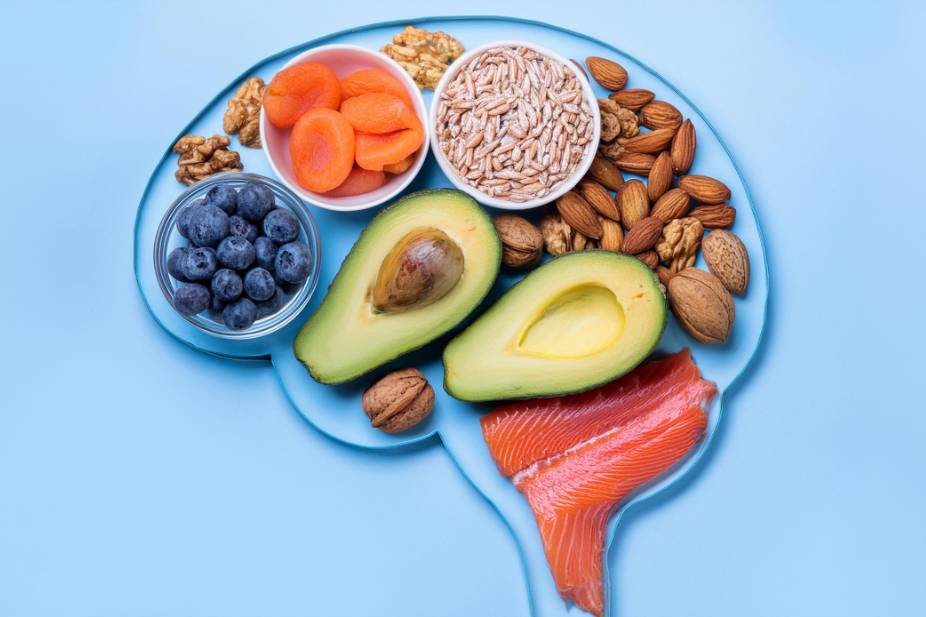

5 Healthy Foods That Are Even More Nutritious When Paired Together
/in Nutrition/by Gary Kaplan, DOTo maintain optimal health, our bodies need vitamins, minerals, and phytonutrients. Whole foods, like fruits, vegetables, whole grains, legumes, and nuts, are packed with these important compounds. They naturally help us boost our immune system, fight inflammation, and ward off chronic illness.
But as a physician and founder of the Kaplan Center for Integrative Medicine, I also explain to my patients that optimal nutrition can go one step further. Have you heard of food synergy? It’s an idea that has gained popularity in recent years and it maintains that certain components of different foods can work synergistically to bring greater nutritional benefit to our bodies.
For example, turmeric combined with black pepper (or more specifically piperine, a compound found in black pepper) increases the absorption of turmeric’s active ingredient, curcumin. Curcumin has powerful antioxidant and anti-inflammatory properties that help prevent free radical damage and calm the inflammatory process at the root of many chronic diseases. This is a great illustration of food synergy at work — in which the right combination of substances work together to increase nutritional value and bring greater benefits to your body.
Interested in adding this idea to your diet? You might not realize it, but many common snacks and meals you already eat put the concept of food synergy into practice. Here are a few key examples of these pairings, and why they work.
1. Bananas & Greek yogurt
Bananas contain inulin, a plant-based carbohydrate. Research shows that inulin, when added to yogurt, can increase the growth of yogurt’s healthy bacteria, thereby helping to regulate digestion even further and boost immunity.
If you already enjoy yogurt as part of your breakfast or as a snack, make sure to choose an unsweetened Greek variety, which contains more protein, and then add your own fresh bananas.
2. Spinach with garbanzo beans & red bell peppers
While heme iron (iron from meat, fish, and poultry) is well-absorbed, non-heme iron (found in grains, legumes, certain vegetables, and nuts) is less well-absorbed. Fortunately, research shows that vitamin C (ascorbic acid) assists in the absorption of non-heme iron — important for those who follow a plant-based diet.
A spinach and garbanzo bean salad (rich in non-heme iron) combined with fresh red bell peppers, a good source of ascorbic acid, makes a delicious and healthful meal, particularly for those who may be at a higher risk of iron deficiency.
Questions? Give Us a Call!
703-532-4892 x2
3. Vegetables & olive oil
Research suggests that vegetables, particularly colorful ones such as tomatoes, peppers, spinach, broccoli, and kale, should be eaten with healthy monounsaturated oils — such as olive oil — to increase your body’s absorption of carotenoids, a type of phytonutrient that has powerful antioxidant and anti-inflammatory properties.
Adding whole eggs or avocados, which contain healthy monounsaturated fats, to a salad will also help to boost the absorption of carotenoids.
4. Green tea & lemon
A 2007 study from Purdue University found that adding either citrus juices or vitamin C to green tea will boost the absorption of catechins, a powerful naturally occurring antioxidant found in the tea.
Why is this important? Studies have shown that catechins have cancer-preventing effects and that they can also positively affect cardiovascular health because of their antioxidative, anti-hypertensive, and anti-inflammatory effects.
5. Dark chocolate & apples
This combination isn’t just delicious — it can also help improve cardiovascular health. Dark chocolate (70 percent cacao or more is best) is rich in catechins, and apples are a rich source of the flavonoid quercetin. When eaten together, research suggests that the catechins and quercetin work synergistically to inhibit platelet adhesion to collagen.
The Bottom Line:
Some foods were just meant to be eaten together! While these are great examples to keep in mind, the simplest way to put the concept of “food synergy” into practice is to eat a wide variety of whole foods. Doing so ensures that you receive the key nutrients your body needs to thrive.
We are here for you, and we want to help.
Our goal is to return you to optimal health as soon as possible. To schedule an appointment please call: 703-532-4892 x2
Do you…
Or, if you’ve been diagnosed with or suspect you have a more serious nutritional problem like IBS, Crohn’s, Colitis, SIBO, or GERD, the Kaplan Center can help you.
When nutrition plays a role in a your medical problems – and this is often true – our goal is to investigate the root cause of your discomfort and not just treat the symptoms. We use an Integrative & Functional Nutrition (IFN) approach to to identify underlying imbalances or deficiencies that may be impacting your health.
If you’re ready to make a change and need help, please give us a call today.
6 Ways to Improve Acid Reflux Symptoms Naturally and Stay Heart Healthy
/in Digestive Issues, Wellness/by Gary Kaplan, DOIn 2015, a study from Stanford University suggested that the long-term use of certain medications used to treat symptoms associated with acid reflux can increase one’s risk of having a heart attack. Since its publication, studies continue to confirm its findings.
These medications, known as Proton Pump Inhibitors or PPIs, include the brand-names Prevacid, Nexium, and Prilosec, and are the strongest medications available to counter the effects of excess stomach acid. They are used to both prevent and treat ulcers, and to treat gastroesophageal reflux disease (GERD). PPIs are among the most widely prescribed class of medications in the United States.
About the 2015 study
After analyzing millions of medical records to find a relationship between heartburn medications and cardiovascular risk, researchers found that there was indeed a link between the two variables; people who used a PPI as part of their treatment for GERD had an elevated risk of suffering a myocardial infarction, commonly known as a heart attack. Furthermore, they found that this risk did not apply to patients who used another class of heartburn medications, called H2 blockers, which include brand names such as Pepcid or Zantac.
More recently, research has confirmed that the long-term use of PPIs not only increases the risk of a cardiac event, but can also increase the risk of dementia.
It’s important to note that when used appropriately as a short term treatment, PPIs can be effective to ease acid reflux symptoms. However, since PPIs are available over the counter, the risk of over-use increases as individuals are not necessarily aware of the long-term risks.
Questions? Give Us a Call!
703-532-4892 x2
Equally important to note is that some people who use a PPI may have a pre-existing condition that can cause an increased risk of having a heart attack. For example, obesity, alcohol consumption, and smoking are all risk factors for heart disease, and have all individually been shown to increase symptoms of acid reflux and GERD in clinical trials. These lifestyle factors must be taken into consideration before use. The bottom line is that one must always assess the actual risks and benefits of any medical intervention, and explore other possible interventions, before starting any medication.
6 Ways to Improve Acid Reflux Symptoms Naturally and Stay Heart Healthy
Additional resources:
Updated Insights on Cardiac and Vascular Risks of Proton Pump Inhibitors: A Real-World Pharmacovigilance Study
Association of Proton Pump Inhibitors With Higher Risk of Cardiovascular Disease and Heart Failure
We are here for you, and we want to help.
Our goal is to return you to optimal health as soon as possible. To schedule an appointment please call: 703-532-4892 x2
Updated February 16. 2023.
An Underactive Thyroid: Diagnosis and What Can Help
/in Hormone Health, Hypothyroidism/by Kaplan CenterHypothyroidism is a medical condition that is characterized by the body’s inability to produce enough thyroid hormone. The thyroid gland (located in the neck area) produces thyroid hormone, a hormone that is responsible for a wide range of bodily functions. Thyroid hormone plays a role in our metabolism, it helps regulate our energy levels, weight and even has a hand in regulating our sex-drive. So, when levels of thyroid hormone become too high or too low it can lead to a wide range of symptoms that fundamentally affect our day-to-day functioning. In fact, without enough thyroid hormone, many of the body’s functions slow down.
Importantly, women are much more likely than men to develop hypothyroidism and it is a condition more common among people older than 60 years of age.
Symptoms of hypothyroidism
The symptoms of hypothyroidism usually develop slowly and are hard to pinpoint. It makes the diagnosis of hypothyroidism difficult at times because its symptoms mimic many other medical conditions. For these reasons, it can take years for people to realize that they are suffering from hypothyroidism. Symptoms include
Questions? Give Us a Call!
703-532-4892 x2
Diagnosis
During your visit, our physicians will take the time to develop a good understanding of your condition and how it is impacting your life. This will include exploring the onset of your condition, the specific nature of your symptoms and the overall status of your health. After taking a comprehensive medical history and carrying out a physical exam, some additional diagnostic tests may be recommended. This may include:
Other testing may be carried out to exclude different causes for your symptoms.
How you can improve your thyroid health
The first step to improving your thyroid health is finding the root cause behind the low thyroid levels. Hypothyroidism can be caused by a number of different conditions. For example, it may be caused by an autoimmune condition known as Hashimoto’s thyroiditis. It may also be caused by damage to the thyroid gland from cancer or radiation, postpartum hypothyroidism or inflammation of the gland. Therefore, finding the root cause is critical.
In most cases, the following items may improve your thyroid function:
Left untreated, hypothyroidism can lead to other health problems, such as high cholesterol and heart problems. It can also damage the peripheral nerves, interfere with ovulation and lead to the development of a goiter – an abnormal swelling of the thyroid gland in the neck.
If you suspect that you have a thyroid disorder or feel that you are not being adequately treated for a thyroid disorder that you have, make an appointment to speak to one of our providers.
References