February is American Heart Month, and a great time to learn strategies on how you can improve your heart health.
To a great extent, heart disease is preventable, and there is a lot you can do today that will have a positive impact on your health in the future. Here are some resources to help you get started.
If you want to eat for long-term health, lowering inflammation is crucial.
Inflammation in the body causes or contributes to many debilitating, chronic illnesses – including osteoarthritis, rheumatoid arthritis, heart disease, Alzheimer’s disease, Parkinson’s disease, and even cancer. That’s why, as a doctor and founder of the Kaplan Center for Integrative Medicine, I recommend my patients eat a diet focused on anti-inflammatory principles.
Recent research finds that eating this way not only helps protect against certain diseases, but it also slows the aging process by stabilizing blood sugar and increasing metabolism. Plus, although the goal is to optimize health, many people find they also lose weight by following an anti-inflammatory eating pattern.
Here, I’m sharing the 11 principles I recommend everyone incorporate into their diet for optimal health:
1. Consume at least 25 grams of fiber every day.
A fiber-rich diet helps reduce inflammation by supplying naturally occurring anti-inflammatory phytonutrients found in fruits, vegetables, and other whole foods.
To get your fill of fiber, seek out whole grains, fruits, and vegetables. The best sources include whole grains such as barley and oatmeal; vegetables like okra, eggplant, and onions; and a variety of fruits like bananas (3 grams of fiber per banana) and blueberries (3.5 grams of fiber per cup).
2. Eat a minimum of nine servings of fruits and vegetables every day.
One “serving” is half a cup of a cooked fruit or vegetable or one cup of a raw leafy vegetable.
For an extra punch, add anti-inflammatory herbs and spices such as turmeric and ginger to your cooked fruits and vegetables to increase their antioxidant capacity.
3. Eat four servings of both alliums and crucifers every week.
Alliums include garlic, scallions, onions, and leeks, while crucifers refer to vegetables such as broccoli, cabbage, cauliflower, mustard greens, and Brussels sprouts.
Because of their powerful antioxidant properties, consuming a weekly average of four servings of each can help lower your risk of cancer.
If you like the taste, I recommend eating a clove of garlic a day!
4. Limit saturated fat to 10 percent of your daily calories.
By keeping saturated fat low (that’s about 20 grams per 2,000 calories), you’ll help reduce the risk of heart disease.
You should also limit red meat to once per week and marinate it with herbs, spices, and tart, unsweetened fruit juices to reduce the toxic compounds formed during cooking.
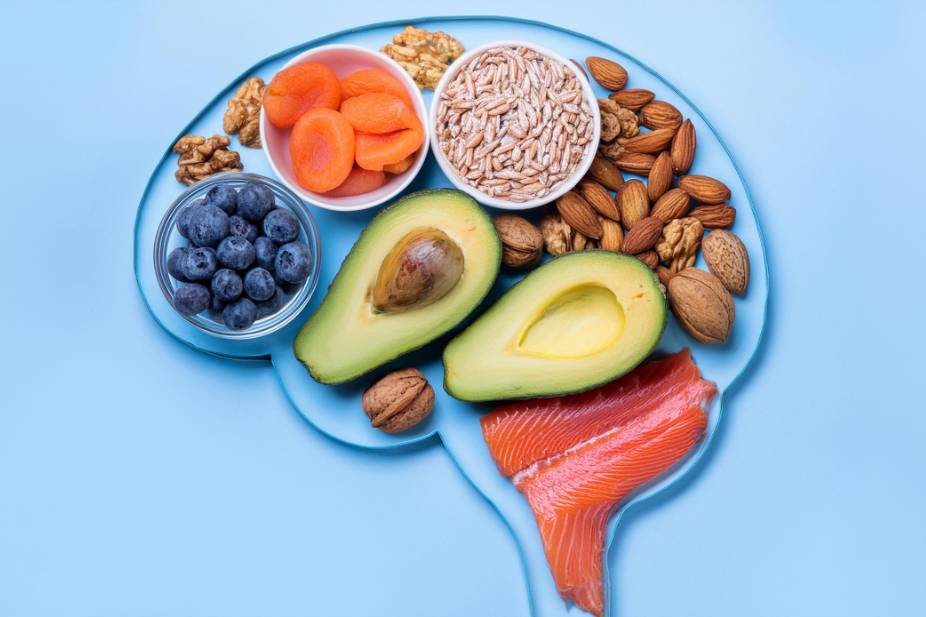
5. Consume foods rich in omega-3 fatty acids.
Research shows that omega-3 fatty acids reduce inflammation and may help lower the risk of chronic diseases and conditions that have a high inflammatory process at their root.
Aim to eat lots of foods high in omega-3 fatty acids like flax meal, walnuts, and beans such as navy, kidney, and soy. I also recommend taking a good-quality omega-3 supplement.
And of course, consume cold-water fish such as salmon, oysters, herring, mackerel, trout, sardines, and anchovies. Speaking of which:
6. Eat fish at least three times a week.
Choose both low-fat fish such as sole and flounder and cold-water fish that contain healthy fats, like the ones mentioned above.
7. Use oils that contain healthy fats.
The body requires fat but choose the fats that provide you with benefits.
Virgin and extra-virgin olive oil and expeller-pressed canola are the best bets for anti-inflammatory benefits. Other options include high-oleic, expeller-pressed versions of sunflower and safflower oil.
8. Eat healthy snacks twice a day.
If you’re a snacker, aim for fruit, plain or unsweetened Greek-style yogurt (it contains more protein per serving), celery sticks, carrots, or nuts like pistachios, almonds, and walnuts.
9. Avoid processed foods and refined sugars.
This includes any food that contains high-fructose corn syrup or is high in sodium, both of which contribute to inflammation throughout the body.
In 2006, the FDA required food manufacturers to identify trans fats on nutrition labels, and for good reason – studies show that people who eat foods high in trans fats have higher levels of C-reactive protein, a biomarker for inflammation in the body.
A good rule of thumb is to always read labels and steer clear of products that contain the words “hydrogenated” or “partially hydrogenated oils.” Vegetable shortenings, select kinds of margarine, crackers, and cookies are just a few examples of foods that might contain trans fats.
11. Sweeten meals with phytonutrient-rich fruits and flavor foods with spices.
Most fruits and vegetables are loaded with important phytonutrients. In order to naturally sweeten your meals, try adding apples, apricots, berries, and even carrots.
And for flavoring savory meals, go for spices that are known for their anti-inflammatory properties, including cloves, cinnamon, turmeric, rosemary, ginger, sage, and thyme.
Bon appétit!
First published on October 30, 2015; updated February 10, 2023.
We are here for you, and we want to help.
Our goal is to return you to optimal health as soon as possible. To schedule an appointment please call: 703-532-4892 x2
While we’ve come to love dark chocolate and all its benefits, a Consumer Reports (CR) article published in December 2022 found that there are reasons to be careful and evaluate what we’re consuming. Testing results showed that 23 of 28 bars had potentially harmful levels of either cadmium or lead or both when eating one ounce per day. Click here to view the article and CR’s findings.
About CR’s findings…
Consumer Reports’ researchers found that when testing for the presence of certain heavy metals, many popular brands of dark chocolate had dangerous levels of both lead and cadmium.
Lead and cadmium are environmental contaminants (along with mercury, arsenic, iron, aluminum, and several others) also referred to as heavy metals. Limited exposure is not typically harmful, but over time, repeated exposure can result in a toxic accumulation in the body and a variety of health issues.
Over the last fifty years, the Food and Drug Administration (FDA) has worked diligently to reduce the levels of toxins found in food, particularly in foods prepared for infants and children and pregnant women. There are no specific federal limits on the amount that most foods can contain, and the onus is on manufacturers to minimize or prevent exposure, however, the FDA may act in response to reports of elevated levels. Click here to read more about the FDA and environmental contaminants.
Does dark chocolate have real health benefits?
Dark chocolate has long been identified as a “super-food” and for good reason, the key is in the cocoa. Here are some of the proven benefits of dark chocolate:
The cocoa in dark chocolate contains antioxidants that fight dangerous free radicals in your body.
The plant-derived flavanols in dark chocolate have been shown to reduce blood pressure.
Dark chocolate increases the elasticity of the blood vessels.
Dark chocolate has anti-inflammatory compounds which can reduce inflammation of cardiovascular tissue.
In addition, a 2020 study published in Frontiers in Plant Science found that the flavan-3-olds found in dark chocolate are helpful in preventing the replication of the Covid-19 virus. Flavan-3-olds are a subtype of flavonoids (compounds with antioxidant properties) can also be found in certain teas and colorful fruits and vegetables.
So, while there are reasons to be cautious, there are also proven benefits. So it cutting out dark chocolate the answer? Not necessarily. We make some recommendations below to help lower your risk of exposure.
To help lower your risk of exposure we recommend that you:
choose brands that have better safety standards.
cut back on the frequency and amount of dark chocolate you eat, especially if you eat it every day.
make sure you eat a wide variety of fruits and vegetables which contain many of the same benefits as dark chocolate.
Diagnosing and treating toxicity
When toxins enter the body, they hide out in “holding areas” in our tissue and can cause widespread inflammation. Some people are better at breaking down toxins and eliminating them, while others are not. Symptoms of toxicity can include cognitive issues, depression and mood swings, sleep disturbances, headaches, joint pain, or digestive issues.
If you believe you have been exposed to toxins and are experiencing symptoms that cannot be attributed to a specific health diagnosis, we encourage you to consider getting tested. Living with toxicity can not only cause its own symptoms but can slow down recovery from an existing health condition.
There are a variety of specialized tests that can detect the presence of toxins (including mycotoxins, heavy metals, infectious sources, food additives, pesticides, and other toxic chemicals). If a diagnosis is confirmed, medications, dietary changes, and nutritional supplements are the best methods of treatment. For more information, click here.



















Heart Health Resources | American Heart Month
/in Conditions, Lifestyle, Wellness/by Kaplan CenterFebruary is American Heart Month, and a great time to learn strategies on how you can improve your heart health.
To a great extent, heart disease is preventable, and there is a lot you can do today that will have a positive impact on your health in the future. Here are some resources to help you get started.
• Eat a heart-healthy, anti-inflammatory diet
Read: 11 Food Rules For The Ultimate Anti-Inflammatory Diet
• Manage stress levels with mind-body therapies
Read: Why Meditation Is One Of The Most Important Things You Can Do For Heart Health: A Doctor Explains
• Exercise daily, indoors or outdoors
Read: 7 Minutes a Day For Better Health
• Maintain a healthy weight
Download the eBook: Never Say Diet Again
• Regularly review your medications and supplements with your physician
Read: 8 Tips To Help You Manage Your Medications
• Quit smoking and don’t drink alcohol in excess
For more educational tools, fact sheets, and other helpful information, visit NIH’s American Heart Month resource page at www.nhlbi.nih.gov/health-topics/education-and-awareness/heart-month
We are here for you, and we want to help.
Our goal is to return you to optimal health as soon as possible. To schedule an appointment please call: 703-532-4892 x2
11 Food Rules For The Ultimate Anti-Inflammatory Diet
/in Inflammation, Nutrition/by Gary Kaplan, DOIf you want to eat for long-term health, lowering inflammation is crucial.
Inflammation in the body causes or contributes to many debilitating, chronic illnesses – including osteoarthritis, rheumatoid arthritis, heart disease, Alzheimer’s disease, Parkinson’s disease, and even cancer. That’s why, as a doctor and founder of the Kaplan Center for Integrative Medicine, I recommend my patients eat a diet focused on anti-inflammatory principles.
Recent research finds that eating this way not only helps protect against certain diseases, but it also slows the aging process by stabilizing blood sugar and increasing metabolism. Plus, although the goal is to optimize health, many people find they also lose weight by following an anti-inflammatory eating pattern.
Here, I’m sharing the 11 principles I recommend everyone incorporate into their diet for optimal health:
1. Consume at least 25 grams of fiber every day.
A fiber-rich diet helps reduce inflammation by supplying naturally occurring anti-inflammatory phytonutrients found in fruits, vegetables, and other whole foods.
To get your fill of fiber, seek out whole grains, fruits, and vegetables. The best sources include whole grains such as barley and oatmeal; vegetables like okra, eggplant, and onions; and a variety of fruits like bananas (3 grams of fiber per banana) and blueberries (3.5 grams of fiber per cup).
2. Eat a minimum of nine servings of fruits and vegetables every day.
One “serving” is half a cup of a cooked fruit or vegetable or one cup of a raw leafy vegetable.
For an extra punch, add anti-inflammatory herbs and spices such as turmeric and ginger to your cooked fruits and vegetables to increase their antioxidant capacity.
3. Eat four servings of both alliums and crucifers every week.
Alliums include garlic, scallions, onions, and leeks, while crucifers refer to vegetables such as broccoli, cabbage, cauliflower, mustard greens, and Brussels sprouts.
Because of their powerful antioxidant properties, consuming a weekly average of four servings of each can help lower your risk of cancer.
If you like the taste, I recommend eating a clove of garlic a day!
Questions? Give Us a Call!
703-532-4892 x2
4. Limit saturated fat to 10 percent of your daily calories.
By keeping saturated fat low (that’s about 20 grams per 2,000 calories), you’ll help reduce the risk of heart disease.
You should also limit red meat to once per week and marinate it with herbs, spices, and tart, unsweetened fruit juices to reduce the toxic compounds formed during cooking.
5. Consume foods rich in omega-3 fatty acids.
Research shows that omega-3 fatty acids reduce inflammation and may help lower the risk of chronic diseases and conditions that have a high inflammatory process at their root.
Aim to eat lots of foods high in omega-3 fatty acids like flax meal, walnuts, and beans such as navy, kidney, and soy. I also recommend taking a good-quality omega-3 supplement.
And of course, consume cold-water fish such as salmon, oysters, herring, mackerel, trout, sardines, and anchovies. Speaking of which:
6. Eat fish at least three times a week.
Choose both low-fat fish such as sole and flounder and cold-water fish that contain healthy fats, like the ones mentioned above.
7. Use oils that contain healthy fats.
The body requires fat but choose the fats that provide you with benefits.
Virgin and extra-virgin olive oil and expeller-pressed canola are the best bets for anti-inflammatory benefits. Other options include high-oleic, expeller-pressed versions of sunflower and safflower oil.
8. Eat healthy snacks twice a day.
If you’re a snacker, aim for fruit, plain or unsweetened Greek-style yogurt (it contains more protein per serving), celery sticks, carrots, or nuts like pistachios, almonds, and walnuts.
9. Avoid processed foods and refined sugars.
This includes any food that contains high-fructose corn syrup or is high in sodium, both of which contribute to inflammation throughout the body.
Avoid refined sugars whenever possible and artificial sweeteners altogether. The dangers of excess fructose have been widely cited and include increased insulin resistance (which can lead to type-2 diabetes), raised uric acid levels, raised blood pressure, increased risk of fatty liver disease, and more.
10. Cut out trans fats.
In 2006, the FDA required food manufacturers to identify trans fats on nutrition labels, and for good reason – studies show that people who eat foods high in trans fats have higher levels of C-reactive protein, a biomarker for inflammation in the body.
A good rule of thumb is to always read labels and steer clear of products that contain the words “hydrogenated” or “partially hydrogenated oils.” Vegetable shortenings, select kinds of margarine, crackers, and cookies are just a few examples of foods that might contain trans fats.
11. Sweeten meals with phytonutrient-rich fruits and flavor foods with spices.
Most fruits and vegetables are loaded with important phytonutrients. In order to naturally sweeten your meals, try adding apples, apricots, berries, and even carrots.
And for flavoring savory meals, go for spices that are known for their anti-inflammatory properties, including cloves, cinnamon, turmeric, rosemary, ginger, sage, and thyme.
Bon appétit!
First published on October 30, 2015; updated February 10, 2023.
We are here for you, and we want to help.
Our goal is to return you to optimal health as soon as possible. To schedule an appointment please call: 703-532-4892 x2
The Dark(er) Side of Dark Chocolate
/in Long Covid, Nutrition, Toxicity/by Kaplan CenterWhile we’ve come to love dark chocolate and all its benefits, a Consumer Reports (CR) article published in December 2022 found that there are reasons to be careful and evaluate what we’re consuming. Testing results showed that 23 of 28 bars had potentially harmful levels of either cadmium or lead or both when eating one ounce per day. Click here to view the article and CR’s findings.
About CR’s findings…
Consumer Reports’ researchers found that when testing for the presence of certain heavy metals, many popular brands of dark chocolate had dangerous levels of both lead and cadmium.
Lead and cadmium are environmental contaminants (along with mercury, arsenic, iron, aluminum, and several others) also referred to as heavy metals. Limited exposure is not typically harmful, but over time, repeated exposure can result in a toxic accumulation in the body and a variety of health issues.
Over the last fifty years, the Food and Drug Administration (FDA) has worked diligently to reduce the levels of toxins found in food, particularly in foods prepared for infants and children and pregnant women. There are no specific federal limits on the amount that most foods can contain, and the onus is on manufacturers to minimize or prevent exposure, however, the FDA may act in response to reports of elevated levels. Click here to read more about the FDA and environmental contaminants.
Does dark chocolate have real health benefits?
Dark chocolate has long been identified as a “super-food” and for good reason, the key is in the cocoa. Here are some of the proven benefits of dark chocolate:
In addition, a 2020 study published in Frontiers in Plant Science found that the flavan-3-olds found in dark chocolate are helpful in preventing the replication of the Covid-19 virus. Flavan-3-olds are a subtype of flavonoids (compounds with antioxidant properties) can also be found in certain teas and colorful fruits and vegetables.
Questions? Give Us a Call!
703-532-4892 x2
To help lower your risk of exposure we recommend that you:
Diagnosing and treating toxicity
When toxins enter the body, they hide out in “holding areas” in our tissue and can cause widespread inflammation. Some people are better at breaking down toxins and eliminating them, while others are not. Symptoms of toxicity can include cognitive issues, depression and mood swings, sleep disturbances, headaches, joint pain, or digestive issues.
If you believe you have been exposed to toxins and are experiencing symptoms that cannot be attributed to a specific health diagnosis, we encourage you to consider getting tested. Living with toxicity can not only cause its own symptoms but can slow down recovery from an existing health condition.
There are a variety of specialized tests that can detect the presence of toxins (including mycotoxins, heavy metals, infectious sources, food additives, pesticides, and other toxic chemicals). If a diagnosis is confirmed, medications, dietary changes, and nutritional supplements are the best methods of treatment. For more information, click here.
Additional references:
https://www.ncbi.nlm.nih.gov/pmc/articles/PMC6950163/
https://pubmed.ncbi.nlm.nih.gov/36452001/
https://pubmed.ncbi.nlm.nih.gov/11790962/
https://pubmed.ncbi.nlm.nih.gov/28439881/
http://www.ncbi.nlm.nih.gov/pubmed/21559039