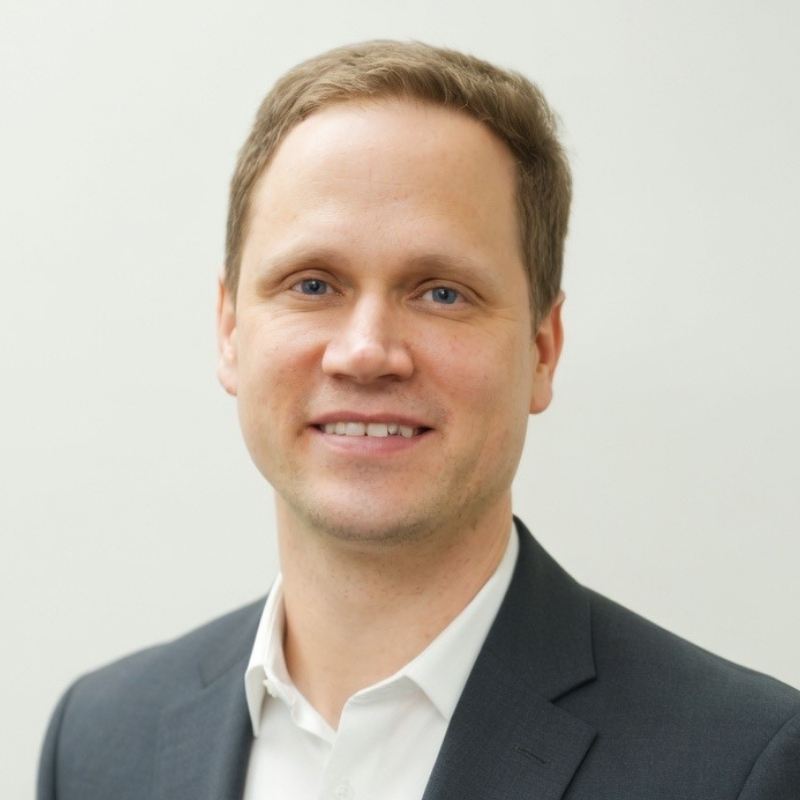
Congratulations to Office Manager, Denita Keys, our inaugural Employee of the Quarter!
Denita has been a part of the Kaplan Center Team since January 2019. Having worked in the medical field for over 20+ years, in various areas of medicine, Denita’s experience and professionalism were evident from day one. Since joining our Team, Denita has not only been an invaluable asset to our providers and administrative staff but she has consistently provided a high level of service to our patients, always willing to go out of her way to help, while making them feel welcome and heard. Everyday Denita demonstrates that she truly cares about our practice and the patients we treat and we thank her for her dedication!
Denita obtained her Master’s Degree in Business with a concentration in Healthcare Administration from CTU and considers herself a lifetime learner. Impressively, she also has her own interior design business, “Picture Perfect Decor,” that dips into her creative side. Denita loves to assist her clients with all their designing needs.
When she is not working, she loves teaching both youth and young adults at her church, and in the little spare time she has, she enjoys running and participating in road races throughout the DMV area. Denita will participate in this year’s Rock’n Roll Las Vegas Marathon in February, running as a St. Jude’s Hero. Good Luck Denita!
Native to southwest India, and known for its radiant golden color and unique taste, turmeric has been used as a culinary herb for thousands of years, and is found in abundance in many Indian dishes, especially curries. But it is its role as a healing herb that has caused scientists to take a closer look at this “miracle spice.”
The magic of turmeric resides in the roots, specifically in the chemical compound called curcumin. Curcumin is a polyphenol – a chemical compound found in plants with antioxidant properties, and myriad therapeutic attributes. A study in Advances in Experimental Medicines and Biology, went so far as to state that “Curcumin has been shown to exhibit antioxidant, anti-inflammatory, antiviral, antibacterial, antifungal, and anticancer activities and thus has a potential against various malignant diseases, diabetes, allergies, arthritis, Alzheimer’s disease, and other chronic illnesses.”
A 2018 article in the Journal of Alzheimer’s Disease highlighted the protective effects of curcumin in the treatment for Alzheimer’s disease (AD). The review particularly looked at curcumin’s effect against amyloid beta (Aß), a peptide that plays a central role in the pathology of AD.
Curcumin may help the macrophages – critical cells of the immune system – clear plaque deposits of Aß. Unlike a healthy brain, patients with Alzheimer’s Disease show an accumulation of amyloid plaques between nerve cells (neurons).
Curcumin has demonstrated that it has neuro-protective effect against Aß induced cell death of cortical neurons.
Curcumin has shown to inhibit the accumulation of Aß and promote its reduction.
Furthermore, curcumin has anti-proliferative actions on microglia. Microglia are immune cells of the central nervous system that become active in response to any number of stressors on the body. However, if the microglia have been stimulated to react too often, they become hyper-reactive, which can trigger system-wide inflammation that can be difficult to stop.
#2 – Defense against cancer
A 2019 review of research on the role of curcumin in cancer therapy, confirmed that “curcumin exhibits anticancer ability by targeting different cell signaling pathways including growth factors, cytokines, transcription factors, and genes modulating cellular proliferation and apoptosis,” all of which are associated with the progression of cancer.
Curcumin’s antioxidant properties help prevent the increase of free radicals. Antioxidants scavenge free radical. When free radicals are left unchecked, it results in oxidative stress which damages cells and plays a big role in the early stages of cancer.
Curcumin has shown an ability to inhibit nuclear factor kß (NF-kß). NF-kß is a proinflammatory molecule associated with cancer progression and inflammation.
According to another systematic review in 2020, curcumin shows both preventative and therapeutic effects on various types of cancers when used as an adjunct therapy in cancer treatment.
Curcumin’s low toxicity allows for widespread use, with no harmful side effects.
Curcumin can help improve quality of life by its ability to reduce side effects of chemotherapy or radiotherapy.
#3 – Treatment of Osteoarthritis
Curcumin’s anti-inflammatory properties also make it a strong candidate for treating inflammatory diseases such as osteoarthritis. A 2017 study in the Journal of Exercise Rehabilitation found that supplementation with a bioavailable form of curcumin “appeared to be effective in reducing the pain and enhancing muscular and balancing function” in patients with knee osteoarthritis.
How should you add curcumin to your diet?
Supplementation: Curcumin is not a major component of American diets, so supplementation could be considered. Unfortunately, because curcumin is not easily absorbed in the bloodstream, its bioavailability is diminished. Bioavailability can be increased, however, by partnering the extract with another compound to enhance its absorption. Piperine, a compound found in black pepper, is one such example. At the Kaplan Center, the curcumin supplement* we prescribe is micronized in colloidal particles and as a result, has significantly higher plasma concentration over other leading brands. Remember, supplements are not regulated by the FDA, so make sure to purchase your supplement from a trusted source. You should also speak to your physician before you begin taking any supplement to rule out any possible interactions with other medications.
Eat more curry! Eating more curried dishes that are rich in turmeric spice as well as black pepper regularly can be a good source of curcumin.
Enjoy a cup of turmeric milk: End your day with a cup of delicious Golden Turmeric Milk (see video below!). Curcumin is fat-soluble, therefore combining it with milk will help to make the curcumin more readily absorbed into the body.
Studies on curcumin and its efficacy in humans is ongoing, but the research looks quite promising. With very few side effects, powerful anti-inflammatory, anti-cancer, and antioxidant properties, and a long history of medicinal use, curcumin can play an important role in maintaining the body’s normal inflammatory response, while also supporting healing and relieving pain.
Chronic headaches affect millions of people each year and are one of the most common complaints expressed by our patients at The Kaplan Center. An individual can experience headaches for any number of reasons, including stress, stationary positioning in front of a computer, and muscle tightness causing a decreased range of motion in the neck and head. Other contributing factors could include improper alignment of the jaw, hormonal factors, a car accident, a change in vision, or some other disease process.
The craniosacral system, which extends from the cranium to the sacrum and coccyx, houses the central nervous system (CNS). Cerebrospinal fluid (CSF) is formed in the brain and flows within the dural membrane (one of the 3 protective layers of the CNS), covering our bones, joints, and the sutures that interconnect those bones, in a rhythmic rise-and-fall of fluid volume and pressure. Acting as a “shock absorber,” the CSF delivers nutrients and washes away waste products from the metabolic processes. Tension in the membranes can disrupt the cranial rhythm. Through gentle palpation, a trained craniosacral therapist can use this rhythm as both an evaluative and therapeutic tool. Our bodies have many different rhythms and are constantly in motion. In the same way that we refer to a “resting heart rate” or our “resting respiratory rate,” our cranial rhythmic impulse (flow of the cerebrospinal fluid) usually manifests between 6-12 cycles per minute.
Craniosacral therapy is a very effective, light-touch therapy that supports the body’s own healing resources.
Therapists are trained to feel and monitor changes in the body by placing their hands in the areas that are the source of dysfunction. They follow the body’s cues as the body works to release the tensions that are causing pain. Nerve endings in our skin send messages to the brain that stimulate a response either to pain or pleasure. A therapist’s gentle, non-invasive touch in a painful area allows the body to respond and relax, whereas too firm a touch activates neuromuscular tension and stress patterns, preventing the ability to affect this very deep core system. Using the gentle method, therapists are therefore able to feel changes in different anatomical structures in the body, bones, soft tissue, membranes, and fluids.
During a treatment session, it is possible to feel a variety of sensations, such as heat, cold, pulsing and/or vibration, but patients don’t necessarily have to feel any of these in order for the technique to be effective. Almost always, a deep sense of relaxation is felt. Focusing on what you are feeling within your body during treatment is extremely helpful. Symptoms can momentarily increase and then resolve just as quickly. Patients might experience remembering an unpleasant or traumatic event in their life, or they might feel sensations in another part of their body that is not being touched. All of these are indications that tension within the body is returning to a state of homeostasis, a term reflecting balance within the system.
The effects of the treatment are not necessarily felt right away and typically several treatments may be needed to effect significant change. The patient could feel very relaxed, fatigued, looser in their body’s movements, or they could notice improved ease of breathing or even be slightly disoriented – all of which indicate that the body is experiencing a new normal and needs time to adjust to it. The goal of craniosacral therapy is that this gradual re-adjustment will help decrease some of the symptoms of headaches.
A self-help technique using a Still Point Inducer (SPI) can be tried at home. The SPI can be made by tying two tennis balls tightly in a sock so they cannot shift around. These are then placed on the back of the head with a rolled-up towel for support under the neck or by lying on the floor with the SPI under the head in line with the ears. Just ten minutes is enough to help with headache pain and the method can be repeated several times during the day.
If you suffer from recurring headaches or migraines, craniosacral therapy can be a safe and effective alternative to prescription medication. Its gentle touch can help release the emotional and physical imbalances that have been stored in the body’s membranes and connective tissue, enabling the central nervous system to perform optimally.


















Meet Denita, Our Inaugural Employee of the Quarter!
/in News/by Kaplan CenterCongratulations to Office Manager, Denita Keys, our inaugural Employee of the Quarter!
Denita obtained her Master’s Degree in Business with a concentration in Healthcare Administration from CTU and considers herself a lifetime learner. Impressively, she also has her own interior design business, “Picture Perfect Decor,” that dips into her creative side. Denita loves to assist her clients with all their designing needs.
When she is not working, she loves teaching both youth and young adults at her church, and in the little spare time she has, she enjoys running and participating in road races throughout the DMV area. Denita will participate in this year’s Rock’n Roll Las Vegas Marathon in February, running as a St. Jude’s Hero. Good Luck Denita!
3 Reasons to Include Turmeric In Your Diet
/in Inflammation, Nutrition/by Gary Kaplan, DONative to southwest India, and known for its radiant golden color and unique taste, turmeric has been used as a culinary herb for thousands of years, and is found in abundance in many Indian dishes, especially curries. But it is its role as a healing herb that has caused scientists to take a closer look at this “miracle spice.”
The magic of turmeric resides in the roots, specifically in the chemical compound called curcumin. Curcumin is a polyphenol – a chemical compound found in plants with antioxidant properties, and myriad therapeutic attributes. A study in Advances in Experimental Medicines and Biology, went so far as to state that “Curcumin has been shown to exhibit antioxidant, anti-inflammatory, antiviral, antibacterial, antifungal, and anticancer activities and thus has a potential against various malignant diseases, diabetes, allergies, arthritis, Alzheimer’s disease, and other chronic illnesses.”
#1 – Defense against cognitive decline
A 2018 article in the Journal of Alzheimer’s Disease highlighted the protective effects of curcumin in the treatment for Alzheimer’s disease (AD). The review particularly looked at curcumin’s effect against amyloid beta (Aß), a peptide that plays a central role in the pathology of AD.
Furthermore, curcumin has anti-proliferative actions on microglia. Microglia are immune cells of the central nervous system that become active in response to any number of stressors on the body. However, if the microglia have been stimulated to react too often, they become hyper-reactive, which can trigger system-wide inflammation that can be difficult to stop.
#2 – Defense against cancer
A 2019 review of research on the role of curcumin in cancer therapy, confirmed that “curcumin exhibits anticancer ability by targeting different cell signaling pathways including growth factors, cytokines, transcription factors, and genes modulating cellular proliferation and apoptosis,” all of which are associated with the progression of cancer.
According to another systematic review in 2020, curcumin shows both preventative and therapeutic effects on various types of cancers when used as an adjunct therapy in cancer treatment.
#3 – Treatment of Osteoarthritis
Curcumin’s anti-inflammatory properties also make it a strong candidate for treating inflammatory diseases such as osteoarthritis. A 2017 study in the Journal of Exercise Rehabilitation found that supplementation with a bioavailable form of curcumin “appeared to be effective in reducing the pain and enhancing muscular and balancing function” in patients with knee osteoarthritis.
How should you add curcumin to your diet?
Studies on curcumin and its efficacy in humans is ongoing, but the research looks quite promising. With very few side effects, powerful anti-inflammatory, anti-cancer, and antioxidant properties, and a long history of medicinal use, curcumin can play an important role in maintaining the body’s normal inflammatory response, while also supporting healing and relieving pain.
*Theracurmin® HP is available to purchase from the Kaplan Medical Center Store.
Dr. Kaplan’s article first appeared on U.S. News and World Reports on July 24, 2015. Updated in Jan 2023.
Craniosacral Therapy for Chronic Headache Relief
/in Treatments/by Patricia Alomar, M.S., P.T.Chronic headaches affect millions of people each year and are one of the most common complaints expressed by our patients at The Kaplan Center. An individual can experience headaches for any number of reasons, including stress, stationary positioning in front of a computer, and muscle tightness causing a decreased range of motion in the neck and head. Other contributing factors could include improper alignment of the jaw, hormonal factors, a car accident, a change in vision, or some other disease process.
Craniosacral therapy is an osteopathic technique that can be a very valuable tool for treatment.
The craniosacral system, which extends from the cranium to the sacrum and coccyx, houses the central nervous system (CNS). Cerebrospinal fluid (CSF) is formed in the brain and flows within the dural membrane (one of the 3 protective layers of the CNS), covering our bones, joints, and the sutures that interconnect those bones, in a rhythmic rise-and-fall of fluid volume and pressure. Acting as a “shock absorber,” the CSF delivers nutrients and washes away waste products from the metabolic processes. Tension in the membranes can disrupt the cranial rhythm. Through gentle palpation, a trained craniosacral therapist can use this rhythm as both an evaluative and therapeutic tool. Our bodies have many different rhythms and are constantly in motion. In the same way that we refer to a “resting heart rate” or our “resting respiratory rate,” our cranial rhythmic impulse (flow of the cerebrospinal fluid) usually manifests between 6-12 cycles per minute.
Craniosacral therapy is a very effective, light-touch therapy that supports the body’s own healing resources.
Therapists are trained to feel and monitor changes in the body by placing their hands in the areas that are the source of dysfunction. They follow the body’s cues as the body works to release the tensions that are causing pain. Nerve endings in our skin send messages to the brain that stimulate a response either to pain or pleasure. A therapist’s gentle, non-invasive touch in a painful area allows the body to respond and relax, whereas too firm a touch activates neuromuscular tension and stress patterns, preventing the ability to affect this very deep core system. Using the gentle method, therapists are therefore able to feel changes in different anatomical structures in the body, bones, soft tissue, membranes, and fluids.
Questions? Give Us a Call!
703-532-4892 x2
During a treatment session, it is possible to feel a variety of sensations, such as heat, cold, pulsing and/or vibration, but patients don’t necessarily have to feel any of these in order for the technique to be effective. Almost always, a deep sense of relaxation is felt. Focusing on what you are feeling within your body during treatment is extremely helpful. Symptoms can momentarily increase and then resolve just as quickly. Patients might experience remembering an unpleasant or traumatic event in their life, or they might feel sensations in another part of their body that is not being touched. All of these are indications that tension within the body is returning to a state of homeostasis, a term reflecting balance within the system.
The effects of the treatment are not necessarily felt right away and typically several treatments may be needed to effect significant change. The patient could feel very relaxed, fatigued, looser in their body’s movements, or they could notice improved ease of breathing or even be slightly disoriented – all of which indicate that the body is experiencing a new normal and needs time to adjust to it. The goal of craniosacral therapy is that this gradual re-adjustment will help decrease some of the symptoms of headaches.
A self-help technique using a Still Point Inducer (SPI) can be tried at home. The SPI can be made by tying two tennis balls tightly in a sock so they cannot shift around. These are then placed on the back of the head with a rolled-up towel for support under the neck or by lying on the floor with the SPI under the head in line with the ears. Just ten minutes is enough to help with headache pain and the method can be repeated several times during the day.
If you suffer from recurring headaches or migraines, craniosacral therapy can be a safe and effective alternative to prescription medication. Its gentle touch can help release the emotional and physical imbalances that have been stored in the body’s membranes and connective tissue, enabling the central nervous system to perform optimally.
– Patricia Alomar, M.S., P.T.
We are here for you, and we want to help.
Our goal is to return you to optimal health as soon as possible. To schedule an appointment please call: 703-532-4892 x2