
• 703-532-4892
  • New Patients
  • Patient Portal
Kaplan Center for Integrative Medicine : McLean, Virginia
  • Conditions
    • Long-COVID Syndrome
    • Alzheimer’s Disease & Cognitive Decline
    • PANS & PANDAS
    • Lyme Disease
    • Small Intestinal Bacterial Overgrowth (SIBO)
    • Fibromyalgia
    • Heavy Metal Toxicity
    • Hormonal Imbalances
    • Mold Toxicity
    • Myalgic Encephalomyelitis/Chronic Fatigue Syndrome
    • Neurotoxicity
    • Thyroid Disorders
    • All Conditions
  • Services
    • Therapeutic Plasma Exchange (TPE)
    • Longevity Services
    • Long-COVID Recovery Services
    • Acupuncture
    • Detoxification Protocol
    • Herbal Remedies & Nutritional Supplements
    • Hormone Replacement Therapy
    • IV Therapy
    • Niagen+ (NR) IV Therapy
    • Nutritional Testing, Counseling & Coaching
    • Physical Therapy
    • Psychotherapy, EMDR & Guided Meditation
    • Telemedicine
    • All Treatments
  • Providers
    • Gary Kaplan
    • Lisa Lilienfield
    • Rebecca Berkson
    • Jeanne Scheele
    • Patricia Alomar
    • Jessica Briscoe Coleman
    • Jodi Brayton
    • Chardonée Donald
    • All Providers
  • About
    • Why Kaplan Center?
    • The Kaplan Method®
    • Integrative Medicine
    • Dr. Gary Membership
    • Our Support Team
    • Financial FAQs
    • Provider Fees
    • Our Goal
    • Patient Testimonials
  • Resources
    • Health & Wellness Blog
    • Events
    • Featured Press
    • Featured Podcasts and Webinars
    • Videos
    • Books
    • eBooks
    • Professional Resources
  • Store
  • Contact
  • 703-532-4892
  • Click to open the search input field Click to open the search input field Search
  • Menu Menu

Tag Archive for: brain

Posts

The Kaplan Center is now expanding into Alzheimer's and Cognitive Care

Elevating Our Legacy of Care: Expanding into Alzheimer’s & Cognitive Health Care

March 4, 2026/in Cognitive Health, Conditions/by Kaplan Center

For four decades, the Kaplan Center for Integrative Medicine has cared for patients with complex, chronic illnesses that often leave people searching for answers. As we mark more than 40 years of clinical experience, we are expanding our focus to formally include Alzheimer’s disease and cognitive decline as a core area of care.

Under the leadership of Dr. Gary Kaplan, our clinic has long recognized that chronic illness is rarely isolated to one organ system. Conditions such as autoimmune disease, chronic infections, inflammatory disorders, and metabolic dysfunction all share common biological threads:

  • immune dysregulation
  • chronic inflammation
  • toxin burden
  • vascular compromise
  • impaired cellular repair

More research is showing that these same mechanisms are deeply involved in Alzheimer’s disease and other forms of cognitive decline.

In other words, brain health is not separate from systemic health. It is connected to it.

Why Alzheimer’s Care Is a Natural Evolution for Our Clinic

For over 40 years, we have helped patients address root causes of complex illness, asking not only “What is the diagnosis?” but “Why is this happening in this person?” That same question is essential in Alzheimer’s care.

Alzheimer’s disease is characterized by the buildup of amyloid plaques and neurofibrillary tangles in the brain, which disrupt neuronal communication and lead to progressive cognitive decline. But we now understand that these changes do not occur in isolation. Chronic inflammation, insulin resistance, vascular dysfunction, immune imbalance, environmental toxin exposure, and even persistent infections can all contribute to neurodegeneration.

These are the very systems our clinic has been evaluating and treating for decades.

As our patient population ages — and as more families seek proactive approaches to preserve cognition — formally integrating Alzheimer’s care into our services is both timely and aligned with our mission. We are not entering the cognitive health space as newcomers; rather, we are applying decades of experience in complex, chronic disease management to one of the most urgent health challenges of our time.

A Comprehensive, Integrative Approach to Cognitive Decline

Our approach to Alzheimer’s and cognitive decline begins with advanced diagnostics. Early detection is critical, as pathological changes can begin years—even decades—before noticeable memory loss. Through digital cognitive testing, genetic analysis, metabolic and inflammatory markers, and advanced imaging when appropriate, we work to identify both risk and progression as early as possible.

From there, care is personalized.

We evaluate and address metabolic health, including insulin resistance and cardiovascular risk factors. We assess inflammatory markers and immune function. We consider environmental exposures, toxin burden, and nutritional status. Sleep quality, stress levels, and physical activity are also examined, as each plays a critical role in brain resilience.

We incorporate advanced therapies such as therapeutic plasma exchange (TPE), a procedure designed to remove inflammatory mediators and harmful circulating factors from the bloodstream. By reducing systemic inflammation and altering the biological environment that affects the brain, TPE represents an innovative strategy that aligns with our root-cause philosophy. We are also the first outpatient clinic in the area to offer this advanced treatment for Alzheimer’s and general longevity.

We also stay engaged with emerging biologic treatments and expanded-access therapies targeting proteins implicated in neurodegeneration, ensuring our patients have access to cutting-edge options when clinically appropriate.

Importantly, our care does not focus solely on disease modification. We also prioritize quality of life: supporting cognitive function, maintaining independence, and equipping families with education and guidance as they navigate the challenges of memory loss.

Heritage and Innovation

As we celebrate over 40 years of care, this expansion into Alzheimer’s treatment reflects both our heritage and our evolution. Since our founding in 1985, we have sought to remain ahead of the curve. We adopt evidence-based innovations while preserving the thoughtful, individualized care that defines integrative medicine.

Alzheimer’s disease and cognitive decline are not isolated neurologic events. They are deeply intertwined with the same systemic imbalances we have been treating for decades. By formally adding this condition to our core focus, we are acknowledging what science increasingly confirms: longevity, cognitive vitality, and chronic disease management are inseparable.

For our patients and their families, this means having a team that understands complex illness, appreciates the interconnectedness of the body’s systems to give you the best care possible.

Caring for the brain is not a new direction for us—it is the next chapter in our long-standing commitment to comprehensive and forward-thinking care.

If you are interested in Alzheimer’s diagnostics or treatment, please visit our Alzheimer’s webpage or call us at (703)532-4892.
An Origin Story: Why the Kaplan Center Was Ahead of Its Time

January 28, 2026/in Treatments, Wellness/by Kaplan Center

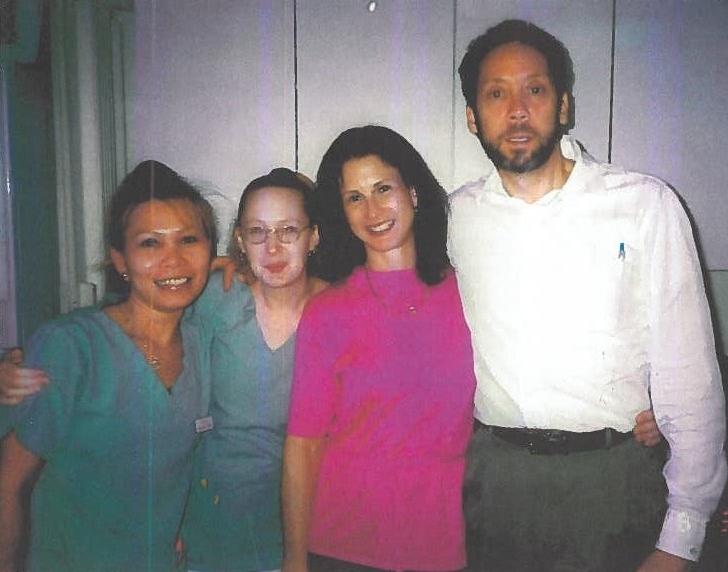
More than 40 years ago, the Kaplan Center for Integrative Medicine was founded with a simple but unconventional belief: when medicine gets complicated, care must become more thoughtful—not more fragmented.

At a time when most healthcare was organized strictly by specialty and symptom, our clinic was built around a different question: What is driving disease beneath the diagnosis? Rather than treating organs in isolation, we focused on the biological systems that connect them—and on patients whose conditions did not fit neatly into a single box.

This philosophy placed the Kaplan Center ahead of the times.

Seeing the Connections Before They Were Obvious

Long before terms like systems biology and precision medicine entered the mainstream, our clinical work centered on the shared mechanisms underlying chronic illness, neurodegeneration, and aging. We saw, again and again, that inflammation, immune dysregulation, metabolic dysfunction, and impaired repair processes were quietly shaping disease years before it was formally diagnosed.

Our early patients were often those with complex, persistent, or unexplained symptoms—individuals who had exhausted conventional options but still lacked answers. By looking across systems rather than within silos, we were able to detect patterns others missed and design more coherent, individualized care. It isn’t rare that a new study comes out and shares findings that we have been seeing within our patients for the past few decades.

From Complex Chronic Illness to Precision Care

Chronic and neuroinflammatory disease remains the cornerstone of our practice. We continue to care for patients with post-infectious and post-viral syndromes, autoimmune and immune-mediated conditions, refractory pain, and complex neurologic disorders.

What has evolved over time is not our philosophy, but our capability.

Advances in immune, inflammatory, and metabolic diagnostics now allow us to identify disease activity earlier and intervene with far greater precision. Our care has moved beyond managing symptoms toward stabilizing underlying biology and supporting long-term function.

Expanding Into Cognitive Health & Alzheimer’s Care

One of the most important evolutions of our original vision is the development of our cognitive health and Alzheimer’s care pathway.

Decades ago, cognitive decline was typically addressed only after symptoms became disruptive. Today, research confirms what our systems-based approach long suggested:

Alzheimer’s disease and related disorders develop over many years, shaped by inflammation, immune activation, vascular dysfunction, and metabolic stress.

Our cognitive health services reflect this understanding. We emphasize early identification of risk–up to 20 years before symptoms even occur– comprehensive evaluation beyond memory testing alone, and personalized strategies to help slow progression, preserve function, and support patients and families across the disease continuum.

Advanced Therapies, Integrated With Purpose

Being ahead of the curve has never meant chasing trends—it has meant adopting innovation when it meaningfully advances patient care.

The Kaplan Center is proud to be the first outpatient center in the region to offer therapeutic plasma exchange as part of a comprehensive treatment strategy for carefully selected patients with immune-mediated or inflammatory conditions. This advanced therapy represents a significant step forward in addressing complex disease mechanisms—and is never offered in isolation, but integrated into a broader diagnostic and clinical framework.

Beyond Illness: The Evolution Toward Healthspan & Longevity

While the clinic was founded to address complexity and chronic disease, our work today extends beyond treating illness alone.

Drawing on decades of experience caring for what happens when biology breaks down, we have expanded our healthspan and longevity services to help patients intervene earlier—before disease becomes entrenched. This approach focuses on precision prevention: identifying early dysfunction, reducing chronic inflammation, and preserving cognitive, metabolic, and immune resilience over time.

Longevity medicine at the Kaplan Center is not about chasing youth. It is about using evidence, advanced diagnostics, and clinical insight to reduce future disease burden and support healthier aging.

A Legacy Built for What Comes Next

What has remained constant for more than 40 years is our commitment to thoughtful evaluation, systems-based medicine, and long-term partnership with our patients.

The tools have evolved. The therapies have advanced. The scope of care has expanded.

But the founding principle remains the same: complex problems require deep expertise, careful listening, and medicine that sees the whole system—not just the diagnosis.

As we look ahead, that blend of heritage and innovation continues to shape how we care for patients today—and how we prepare for what comes next.

We are here for you, and we want to help.

Our goal is to return you to optimal health as soon as possible. To schedule an appointment please call: 703-532-4892 x2

improving_brain_fog

3 Steps to Improve Brain Fog

May 13, 2021/in Wellness/by Gary Kaplan, DO

Doctors across the globe are seeing a noticeable uptick of patients concerned with memory problems, forgetfulness, and brain fog since the start of the coronavirus pandemic. If you are experiencing more frequent slips in memory, if you are more easily distracted, making more frequent mistakes at work, or feel like you are walking around with your head in a cloud, you’re certainly not alone.

For many people experiencing brain fog for the first time right now, the overload of pandemic-related stress and trauma from a very difficult year is more than likely to blame. Chronic stress and chronically disturbed sleep alone can cause inflammation in the brain which, over time, can damage neurons and affect cognitive functioning and memory.

But there is good news! Our brains are resilient, and when given the opportunity, the degenerative effects of chronic inflammation can be reduced – or even reversed – with certain lifestyle changes. There is light at the end of the tunnel, so, while we emerge from this pandemic let’s consider just a few basic strategies that will help improve your symptoms today.

3 ways to improve symptoms:

1) Get regular aerobic exercise:

Simply put, aerobic exercise increases blood flow to the brain, which helps your brain create new neurons and improve neural connections. A study by the University of Maryland School of Public Health, published in July 2013, showed that people who increased their heart rate with daily moderate exercise “improved their memory performance and showed enhanced neural efficiency while engaged in memory retrieval tasks.”

Regular exercise also down-regulates microglia in the brain. Try to incorporate just 30 minutes a day of moderate physical exercise – such as walking – for a significant impact on your brain health.

2) Eat smarter:

Not surprisingly, nutrition also plays an important role in brain health and there is an impressive amount of research confirming that essential fatty acids, like Omega-3’s, are very beneficial. If DHA levels are low (DHA is a form of Omega-3) the brain is more susceptible to degeneration. Omega-3 fatty acids also help scavenge free radicals (atoms, molecules, or ions with unpaired electrons) that attach inappropriately to tissue and damage it.

Since our bodies are unable to produce these fatty acids on their own, foods rich in Omega-3’s like salmon, shrimp, sardines, eggs, walnuts, and almonds, should make a regular appearance on our plates.

Fruits and vegetables, high in a type of antioxidant called flavonoid, also play a major role in brain health. Foods rich in flavonoids offer a number of neuroprotective properties, and can decrease rates of cognitive decline and potentially slow the progression of many neurodegenerative diseases, such as Alzheimer’s Disease. Foods rich in flavonoids include tea (black, green, oolong), bananas, blueberries, and other colorful berries, onions, apples, citrus, Ginkgo biloba, parsley, red wine, and chocolate!

3) Don’t take your sleep for granted

Sleep deprivation, sleeping less than the amount of time your body needs for growth and repair, is the most common sleep disorder. Adults should have between seven and eight hours a night of restful sleep, yet CDC statistics show that as many as 35% of American adults are not sleeping enough, and this figure is likely to have increased since then.

During sleep, the body repairs itself by calming inflammation and maintaining hormone production. When these two processes – both important elements in brain health – are compromised it can negatively impact your memory, decision-making, the capacity to focus one’s attention, and the ability to complete complex creative activities, among other things.

Breathing techniques, meditation, and establishing a bedtime routine are 3 great ways to help you settle down and improve the length and quality of your sleep.

PODCAST: “Stress, Sleep And Total Recovery With Dr. Gary Kaplan”

January 8, 2020/in Conditions, Inflammation, Lifestyle, Meditation, Wellness/by Kaplan Center

Dr. Gary Kaplan, Director of the Kaplan Center for Integrative Medicine and author of Total Recovery, A Revolutionary New Approach to Breaking the Cycle of Pain and Depression joined Cate Stillman, founder of the YogaHealer Podcast to chat about the various impacts of stress and sleep deprivation on the brain and overall health. Topics he covered included:

  • What is Mast Cell Activation Syndrome
  • What causes brain inflammation and how it impacts our quality of life
  • Why sleep is so crucial for long-term health and tips on how to optimize your sleep
  • How Yoga treats pain
  • Why meditation is so effective for sleep and pain disorders
  • Why sleep apnea is so dangerous for your overall health
  • What really causes Lyme disease
  • What is EDS and how does it impact the body on a deeper level

Listen now –>>

https://kaplanclinic.com/wp-content/uploads/2020/01/GaryKaplanYogaHealerPodcast.mp3


Timestamps:

  • 4:00 – 9:00 Stress and inflammation in the brain
  • 9:00 – 17:00 Optimal sleep and sleep disorders
  • 17:00 – 24:20 Sleep Apnea
  • 25:30 – 29:30 Disease in adolescents and belief systems
  • 29:30 – 36:00 Meditation, processing emotions and gratitude
  • 36:00 – 40:30 The benefits of habits on overall health
  • 40:30 – 46:00 Lyme disease and EDS

More helpful links:

  • Have a conversation
  • Order Cate Stillman’s new book “Master of You”
  • Radical Acceptance: Embracing Your Life With the Heart of a Buddha by Tara Brach
  • Widen the Window: Training Your Brain and Body to Thrive During Stress and Recover from Trauma by Elizabeth A. Stanley PhD
  • May Cause Happiness: A Gratitude Journal by David Steindl-Rast
Print Friendly, PDF & Email

Resources

  • Health & Wellness Blog
  • Events
  • Featured Press
  • Featured Podcasts and Webinars
  • Videos
  • Books
  • eBooks
  • Professional Resources
  • Research

Subscribe

Do you have questions about The Kaplan Center for Integrative Medicine?
Call Us Today!

703-532-4892, Ext 2

Are you looking to improve your overall wellness?

Contact Us Today

Personalized care you can trust.

Our integrative, non-surgical treatment approach is highly successful in maintaining wellness and also treating chronic pain and illness. For more than 30 years, we have delivered superior, cutting-edge health care in the Washington, DC area.

QuickLinks

  • Integrative Medicine – McLean, VA – Kaplan Center
  • Conditions
  • Providers
  • Services
  • About
  • Resources
  • Store
  • Contact

Contact Information

Tel: 703-532-4892
Fax: 703-237-3105

6829 Elm Street, Suite 300
McLean, Virginia 22101
Map It

Hours of Operation
Mon – Thu : 8 am – 5 pm, ET
Fri : 8 am – 12 pm, ET

Copyright 2025 The Kaplan Center. All rights reserved. | Privacy Policy | Patient Portal | The Foundation for Total Recovery
  • Link to Facebook
  • Link to X
  • Link to Youtube
  • Link to LinkedIn
  • Link to Instagram
Scroll to top Scroll to top Scroll to top