Yay! It is getting nippy outside! As the crisp fall air settles in and we trade in our swimsuits for sweaters, it’s a clear sign that cold and flu season is just around the corner.
Seasonal changes can place extra stress on the immune system, whether it be through seasonal allergies that turn into a sinus cold, or catching the flu while at a gathering.
As the nutritionist here at The Kaplan Center, the most common questions I hear this time of year are: “What can I eat or drink to stay healthy during cold and flu season?” and “How can I make this cold go away faster?”
The good news is that you don’t have to wait until you’re sick to start supporting your immune system. A few key nutrients, when incorporated consistently, can make a real difference. That’s why I love sharing this simple, effective recipe.
Immune “Bombs” – A Cold and Flu Season Essential
Ingredients
• 2 large oranges (washed and chopped, peel on)
• 2 lemons (peeled – see note below)
• 2 inchs of fresh ginger
• 1 cup nopal cactus juice or coconut water
• 1/3 cup maple syrup or agave
• 1 inch fresh turmeric (or 1½ teaspoons ground turmeric)
• Small pinch of black pepper
Instructions
• Blend all ingredients together until smooth. (Straining optional)
• Pour the mixture into large silicone ice cube trays and freeze until solid.
• Transfer the cubes into a freezer-safe container or jar for storage.
• When ready to enjoy, add one large cube (or 2–4 smaller ones) to a mug, pour 1 cup of boiling water over it, stir, and enjoy warm.
Special Note: Lemon peel can overpower the blend with a strong bitter taste. For best results, I recommend peeling the lemons before blending. If you’d still like the benefits of lemon peel, you can add a small amount of zest instead.
Each ingredient supports the immune system with a balance of antioxidants, anti-inflammatory compounds, and nutrients that the body needs for optimal function during times of stress or seasonal change:
Oranges & Lemons – Packed with vitamin C and bioflavonoids that support immune cell activity and reduce oxidative stress.
Ginger – Known for its antimicrobial and anti-inflammatory properties; supports healthy digestion, supports Migrating Motor Complex (MMC) and respiratory health.
Turmeric (with Black Pepper) – Contains curcumin, a powerful anti-inflammatory compound. Black pepper enhances curcumin absorption for greater benefit.
Nopal Cactus or Coconut Water – Adds hydration, electrolytes, and antioxidants to support detoxification and immune balance.
Maple Syrup or Agave – A touch of sweetness that makes the drink more palatable while providing trace minerals.
When to Use
This recipe is ideal for daily use as part of your morning or evening routine. You can also use them:
After travel or exposure to large crowds
When you feel a sore throat or sniffle coming on
As a daily tonic during peak cold and flu months
To replace your afternoon coffee or tea with something functional and warming
Functional Nutrition Can Help You Thrive This Season
If you’re looking to take a more proactive approach to your health this fall and winter, I am here to help you!
Nutrition plays a foundational role in immunity, inflammation, and overall wellness. A personalized nutrition plan can make all the difference in how you feel and function this season. I go well beyond introducing zinc and vitamin C into your daily routine.
Interested in working with me? Contact our office to schedule an appointment—we’d love to support your health journey!
We are here for you, and we want to help.
Our goal is to return you to optimal health as soon as possible. To schedule an appointment please call: 703-532-4892 x2
Chardonée Donald is a Board-Certified Nutrition Specialist, Licensed Dietitian Nutritionist and Certified Behavioral Health Specialist. Having completed her degree requirements, Chardonée is in the final portion of her doctorate degree program in Integrative and Functional Nutrition from Saybrook University. She has a Bachelor of Science in Biomedical Science with a Minor in Nutrition and a Master of Science in Human Nutrition.
Today, on PANS/PANDAS Awareness Day, we call attention to two infection-induced autoimmune conditions that appear suddenly in young children and can cause a drastic disruption to their normal neurologic functioning.
Parents report that symptoms appear “almost overnight” causing confusion and distress for both parents and child. Symptoms include the sudden onset of OCD (Obsessive Compulsive Disorder), motor tics, hyperactivity, depression, memory problems, sleep disturbances, anorexia, and urinary problems.
While both conditions share highly similar symptoms, their causes differ. PANS is triggered by a variety of infections (bacterial and viral), while PANDAS is more specifically associated with the body’s immune response to Group A Streptococcal infection. Because the symptoms mimic psychiatric disorders, children with PANS and PANDAS are often misdiagnosed and treated as having a psychiatric condition rather than an auto-immune condition which requires vastly different treatment courses.
In 2020, a study co-authored by Dr. Kaplan was published in the Journal of Neuroimmunology. The study looked at The Cunningham Panel (a panel of laboratory tests created to assist clinicians in diagnosing autoimmune neuropsychiatric disorders) as a valuable diagnostic tool for PANS/PANDAS—and Dr. Kaplan’s work continues today through the Foundation for Total Recovery. Current initiatives include improving emergency room protocols so first responders and healthcare workers are better equiped and better educated in identifying and treating PANS/PANDAS patients.
If you are a caregiver and suspect your child may be affected, seek professional help today. There IS HOPE for children with PANS/PANDAS; with the right medical support, symptoms can improve—and families can heal.
We are here for you, and we want to help.
Our goal is to return you to optimal health as soon as possible. To schedule an appointment please call: 703-532-4892 x2
Life can be difficult to manage on a daily basis for many people. Between never-ending tasks, work responsibilities, and family obligations, trying to then get—and stay— healthy all at the same time can be a lot. It IS a lot! If we are not careful to balance our lives in a healthy manner, we will end up overloaded, overworked, and over-stimulated—all of which can lead to burnout.
Burnout is not just about doing too much in our lives, it is also about being depleted emotionally, mentally, and physically. When stress levels increase, nutrients are depleted, and if we do not work hard to replenish those nutrients our bodies will stay in a constant state of fight or flight.
What is burnout?
Merriam-Webster defines burnout as “exhaustion of physical or emotional strength or motivation usually as a result of prolonged stress or frustration”.
Depression vs Burnout
There are currently debates on whether depression and burnout are the same. While they are both similar and their symptoms overlap, they are not the same.
When you look at what they have in common, research shows that there are strong similarities in loss of energy, emotional exhaustion, impaired concentration, and low motivation.
There are shared risk factors such as poor recovery (sleep, rest), and chronic stress linked to high job/home life demands and prolonged adversity.
Finally, depression and burnout are similar in a lower quality of life, getting sick frequently, and poor occupational functioning for those who are affected.
How do they differ?
Studies also show the key differences between depression and burnout. Burnout is primarily job-related, whereas depression can be due to a broader range of factors such as work, social life, or home life.
Clinical cases of depression also showpersistent (pervasive) low mood, suicidal ideations (in severe cases), and anhedonia (lack of pleasure). On the other hand, while burnout may present with depressive features, it is largely improved with a change of environment.
Lastly, people who have depression tend to withdraw socially. Whereas people experiencing burnout are not typically socially withdrawn.
The biggest takeaway? While the causes of depression and burnout differ, burnout can lead to clinical depression.
How do I know which one I have?
If you are feeling overwhelmed on a day to day basis, the most important thing to remember is that you are not alone and there are many options to help you manage. Don’t delay talking to your medical provider so they can help assess your situation and discuss what steps you need to take to lighten the load you are carrying.
What nutrients should I be concerned about?
Refueling the body is important when it comes to burnout. Below are nutrients that can help make a difference.
Magnesium – Stress depletes magnesium quickly and can leave you feeling exhausted, tense, and restless. Foods such as black beans, dark chocolate, pumpkin seeds, almonds, and spinach should be added into your diet/lifestyle.
Vitamin D – Most adults are already low in vitamin D. Low levels can lower your mood, contribute to poor immune health, and worsen fatigue. You can find vitamin D in salmon, fortified plant milks, and in sunlight.
Zinc – Zinc aids the body in handling stress and supporting immunity. Zinc can be found in beef, chickpeas, cashews, oysters, and pumpkin seeds.
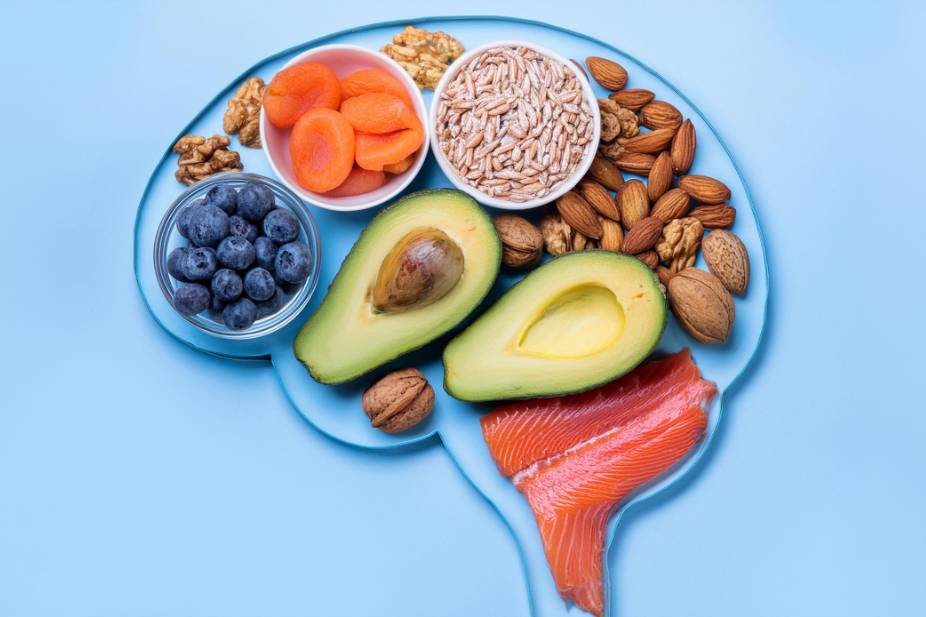
Omega-3 Fatty Acids – Omegas are used for many things in the body, but it is also used for mental clarity. The healthy fats help to support the brain and calm inflammation. It helps with keeping emotions steady, focus, and memory. Omegas are found in salmon, chia seeds, walnuts, flaxseeds and sardines.
Protein – Protein helps with focus and stability. It helps to balance out blood sugar, helps to stabilize energy needs throughout the day and builds neurotransmitters. Healthier forms of protein can be found in chicken, legumes, eggs, fish, and some plant based protein powders.
Iron – If iron is depleted in the body it can lead to exhaustion and weakness even when you are getting enough rest. When there is not enough iron in the body it can also mean that oxygen is not being delivered throughout the body as well. Iron can be found in pumpkin seeds, beef, spinach, lentils and tofu. It should also be paired with vitamin C for better absorption.
Lastly, hydration is key! Fatigue can also be due to the body becoming dehydrated. Increasing water intake is imperative. If water does not seem to do the trick, having IV hydration is also an option that can be done outpatient or in offices such as The Kaplan Center.
If you would like to have a conversation with our Nutritionist and one of our amazing doctors to see how we can help to bring balance to your life, please call 703-532-4892 for an appointment or use this contact form to send us a message.
We are here for you, and we want to help.
Our goal is to return you to optimal health as soon as possible. To schedule an appointment please call: 703-532-4892 x2
References:
Tavella, G., Hadzi-Pavlovic, D., Bayes, A., Jebejian, A., Manicavasagar, V., Walker, P., & Parker, G. (2023). Burnout and depression: Points of convergence and divergence. Journal of Affective Disorders, 339, 561–570. https://doi.org/10.1016/j.jad.2023.07.095











Let’s ‘Fall’ Into Wellness: A Nutritionist-Approved Immune-Boosting Recipe for Cold and Flu Season
/in Nutrition/by Chardonée Donald, MS, CBHS, CHN, CNS, LDNYay! It is getting nippy outside! As the crisp fall air settles in and we trade in our swimsuits for sweaters, it’s a clear sign that cold and flu season is just around the corner.
Seasonal changes can place extra stress on the immune system, whether it be through seasonal allergies that turn into a sinus cold, or catching the flu while at a gathering.
As the nutritionist here at The Kaplan Center, the most common questions I hear this time of year are: “What can I eat or drink to stay healthy during cold and flu season?” and “How can I make this cold go away faster?”
The good news is that you don’t have to wait until you’re sick to start supporting your immune system. A few key nutrients, when incorporated consistently, can make a real difference. That’s why I love sharing this simple, effective recipe.
Immune “Bombs” – A Cold and Flu Season Essential
Ingredients
• 2 large oranges (washed and chopped, peel on)
• 2 lemons (peeled – see note below)
• 2 inchs of fresh ginger
• 1 cup nopal cactus juice or coconut water
• 1/3 cup maple syrup or agave
• 1 inch fresh turmeric (or 1½ teaspoons ground turmeric)
• Small pinch of black pepper
Instructions
• Blend all ingredients together until smooth. (Straining optional)
• Pour the mixture into large silicone ice cube trays and freeze until solid.
• Transfer the cubes into a freezer-safe container or jar for storage.
• When ready to enjoy, add one large cube (or 2–4 smaller ones) to a mug, pour 1 cup of boiling water over it, stir, and enjoy warm.
Special Note: Lemon peel can overpower the blend with a strong bitter taste. For best results, I recommend peeling the lemons before blending. If you’d still like the benefits of lemon peel, you can add a small amount of zest instead.
Want to print this recipe? Click here!
Why These Ingredients?
Each ingredient supports the immune system with a balance of antioxidants, anti-inflammatory compounds, and nutrients that the body needs for optimal function during times of stress or seasonal change:
When to Use
This recipe is ideal for daily use as part of your morning or evening routine. You can also use them:
Functional Nutrition Can Help You Thrive This Season
If you’re looking to take a more proactive approach to your health this fall and winter, I am here to help you!
Nutrition plays a foundational role in immunity, inflammation, and overall wellness. A personalized nutrition plan can make all the difference in how you feel and function this season. I go well beyond introducing zinc and vitamin C into your daily routine.
Interested in working with me? Contact our office to schedule an appointment—we’d love to support your health journey!
We are here for you, and we want to help.
Our goal is to return you to optimal health as soon as possible. To schedule an appointment please call: 703-532-4892 x2
Chardonée Donald is a Board-Certified Nutrition Specialist, Licensed Dietitian Nutritionist and Certified Behavioral Health Specialist. Having completed her degree requirements, Chardonée is in the final portion of her doctorate degree program in Integrative and Functional Nutrition from Saybrook University. She has a Bachelor of Science in Biomedical Science with a Minor in Nutrition and a Master of Science in Human Nutrition.
Additional Resources:
Infographic: Food Sources of Immune Boosting Nutrients
PANS/PANDAS – When Sudden Symptoms Signal Something More
/in News, Treatments/by Kaplan CenterToday, on PANS/PANDAS Awareness Day, we call attention to two infection-induced autoimmune conditions that appear suddenly in young children and can cause a drastic disruption to their normal neurologic functioning.
Parents report that symptoms appear “almost overnight” causing confusion and distress for both parents and child. Symptoms include the sudden onset of OCD (Obsessive Compulsive Disorder), motor tics, hyperactivity, depression, memory problems, sleep disturbances, anorexia, and urinary problems.
While both conditions share highly similar symptoms, their causes differ. PANS is triggered by a variety of infections (bacterial and viral), while PANDAS is more specifically associated with the body’s immune response to Group A Streptococcal infection. Because the symptoms mimic psychiatric disorders, children with PANS and PANDAS are often misdiagnosed and treated as having a psychiatric condition rather than an auto-immune condition which requires vastly different treatment courses.
In 2020, a study co-authored by Dr. Kaplan was published in the Journal of Neuroimmunology. The study looked at The Cunningham Panel (a panel of laboratory tests created to assist clinicians in diagnosing autoimmune neuropsychiatric disorders) as a valuable diagnostic tool for PANS/PANDAS—and Dr. Kaplan’s work continues today through the Foundation for Total Recovery. Current initiatives include improving emergency room protocols so first responders and healthcare workers are better equiped and better educated in identifying and treating PANS/PANDAS patients.
If you are a caregiver and suspect your child may be affected, seek professional help today. There IS HOPE for children with PANS/PANDAS; with the right medical support, symptoms can improve—and families can heal.
We are here for you, and we want to help.
Our goal is to return you to optimal health as soon as possible. To schedule an appointment please call: 703-532-4892 x2
Read the study –>> STUDY: Evaluation of the Cunningham Panel™ in ..
Beating Burnout, A Nutritionist’s Perspective
/in Wellness/by Chardonée Donald, MS, CBHS, CHN, CNS, LDNLife can be difficult to manage on a daily basis for many people. Between never-ending tasks, work responsibilities, and family obligations, trying to then get—and stay— healthy all at the same time can be a lot. It IS a lot! If we are not careful to balance our lives in a healthy manner, we will end up overloaded, overworked, and over-stimulated—all of which can lead to burnout.
Burnout is not just about doing too much in our lives, it is also about being depleted emotionally, mentally, and physically. When stress levels increase, nutrients are depleted, and if we do not work hard to replenish those nutrients our bodies will stay in a constant state of fight or flight.
What is burnout?
Merriam-Webster defines burnout as “exhaustion of physical or emotional strength or motivation usually as a result of prolonged stress or frustration”.
Depression vs Burnout
There are currently debates on whether depression and burnout are the same. While they are both similar and their symptoms overlap, they are not the same.
When you look at what they have in common, research shows that there are strong similarities in loss of energy, emotional exhaustion, impaired concentration, and low motivation.
There are shared risk factors such as poor recovery (sleep, rest), and chronic stress linked to high job/home life demands and prolonged adversity.
Finally, depression and burnout are similar in a lower quality of life, getting sick frequently, and poor occupational functioning for those who are affected.
How do they differ?
Studies also show the key differences between depression and burnout. Burnout is primarily job-related, whereas depression can be due to a broader range of factors such as work, social life, or home life.
Clinical cases of depression also showpersistent (pervasive) low mood, suicidal ideations (in severe cases), and anhedonia (lack of pleasure). On the other hand, while burnout may present with depressive features, it is largely improved with a change of environment.
Lastly, people who have depression tend to withdraw socially. Whereas people experiencing burnout are not typically socially withdrawn.
The biggest takeaway? While the causes of depression and burnout differ, burnout can lead to clinical depression.
How do I know which one I have?
If you are feeling overwhelmed on a day to day basis, the most important thing to remember is that you are not alone and there are many options to help you manage. Don’t delay talking to your medical provider so they can help assess your situation and discuss what steps you need to take to lighten the load you are carrying.
What nutrients should I be concerned about?
Refueling the body is important when it comes to burnout. Below are nutrients that can help make a difference.
Lastly, hydration is key! Fatigue can also be due to the body becoming dehydrated. Increasing water intake is imperative. If water does not seem to do the trick, having IV hydration is also an option that can be done outpatient or in offices such as The Kaplan Center.
If you would like to have a conversation with our Nutritionist and one of our amazing doctors to see how we can help to bring balance to your life, please call 703-532-4892 for an appointment or use this contact form to send us a message.
We are here for you, and we want to help.
Our goal is to return you to optimal health as soon as possible. To schedule an appointment please call: 703-532-4892 x2
References:
Tavella, G., Hadzi-Pavlovic, D., Bayes, A., Jebejian, A., Manicavasagar, V., Walker, P., & Parker, G. (2023). Burnout and depression: Points of convergence and divergence. Journal of Affective Disorders, 339, 561–570. https://doi.org/10.1016/j.jad.2023.07.095