Everyone can understand the intense pain, heartache, and distress that comes with dealing with a broken heart, especially when it’s due to a loss of a family member or dear friend. Unfortunately, these extreme stress situations can rob us of our health. We know how closely intertwined our emotional and physical states are, but can a person actually die of a broken heart?
What causes broken heart syndrome?
Stress-induced cardiomyopathy (SICM), also known as takotsubo cardiomyopathy and/or “Broken Heart Syndrome,” is a real cardiac condition triggered by extreme stress or anxiety from a traumatic event. Along with the loss of a loved one, other emotional or physical stressors like natural disasters, car accidents, sudden financial loss or gain (think lottery!), domestic violence, or even a sudden shock, could all provoke an attack.
What happens when someone has broken heart syndrome?
In such cases, a rush of stress hormones causes one part of the heart to bulge, forcing the rest of the heart to work harder. As a result, the heart is unable to pump blood normally. Under these circumstances, a person will experience symptoms similar to a heart attack, like chest pain and shortness of breath, but with no signs of coronary artery disease.
Luckily for most, with treatment, the heart is able to return to its normal state. But SICM can also be fatal.
Treatment for Broken Heart Syndrome/SICM typically includes medications that are used to treat heart attack victims, like beta-blockers, which relieve the excessive strain on the heart. However as research continues on SICM it questions whether this form of treatment is actually effective, as this study published in the New England Journal of Medicine concluded: “Although it has been proposed that beta-blockers might prevent takotsubo cardiomyopathy events, the condition developed in 32.5% of the patients in our study while they were taking these agents. Of 57 patients with recurrent takotsubo cardiomyopathy, 29 were taking beta-blockers at the time of the second event. These data suggest that beta-blockers are not effective in preventing takotsubo cardiomyopathy.”
Another study, published in the American Journal of Cardiology, led by Dr. Harmony Reynolds of NYU Langone Medical Center, looked at the parasympathetic nervous system (responsible for helping the body calm down) as a major player in SICM and proposed that treatments such as meditation, yoga, and breathing exercises, may be beneficial in preventing attacks by strengthening the mind-body relationship.
Dr. Reynolds’ research also aims at explaining why as much as 90% of patients diagnosed with SICM are post-menopausal women. Some suspect that the reason for this may be the loss of estrogen during menopause (estrogen is cardio-protective in that it improves blood flow to the heart; as levels drop one’s risk for a cardiac event increases).
And while Broken Heart Syndrome is relatively rare in the big picture, only counting for 1-2% of patients with heart attack symptoms, the pain you feel after suffering a loss can also cause other negative health effects. Not getting enough sleep or proper nutrition (both common occurrences while coping with a loss or stressful situations), can suppress your immune system, and put you at a greater risk for developing other illnesses.
While there is no way to predict how your body will react to a traumatic event, there are things you can do to put yourself in the best position for coping with stress and recovering from a cardiac event.
1) Know the signs and symptoms of a cardiac event.
Heart disease is one of the leading causes of death for men and the #1 cause of death for women in the United States. Typical symptoms include chest pain or discomfort, dizziness, shortness of breath, breaking out into a cold sweat, and/or heart palpitations. Women may present different signs and symptoms than men, like abdominal pain or nausea, shortness of breath with or without chest pain, back, neck, jaw, and arm pain.
While there may be no warning for sudden cardiac arrest, anyone experiencing any of the symptoms above should call 911 immediately.
2) Take care of yourself.
This includes eating a healthy, anti-inflammatory diet and maintaining a regular sleep schedule. If you are having difficulty falling or staying asleep don’t put off talking to your physician. A healthy sleep pattern is absolutely essential for good health. If you are a smoker, quit.
Physical activity is anything that gets you moving. If you have never engaged in regular exercise start with a simple and easy to keep walking routine. However, try not to work out when stress or emotions are running high; a study of over 12,000 people showed that heavy exercise while angry or emotionally stressed tripled the incidence of a heart attack.
4) Take up a mind-body therapy.
Meditation, yoga, and breathing practices, such as Pranayama, can prompt a cascade of physiological effects including decreases in blood pressure, stress, and heart rate, and increases in immune function, mood, and vitality.
5) Talk with a therapist or grief counselor.
Speaking with a professional can help you navigate the more complex emotions surrounding the loss of a friend or family member, or coping with a current or past trauma.
6) Speak with a doctor about your health concerns
Even if you’re not sure if your symptoms are related to your emotional state keeping your doctor informed is extremely important, particularly if you suffer from any chronic medical conditions.
We are here for you, and we want to help.
Our goal is to return you to optimal health as soon as possible. To schedule an appointment please call: 703-532-4892 x2
Individuals with higher-than-normal cholesterol levels are commonly prescribed statins in the hope of reducing their risk of heart disease or stroke. Yet, medical research indicates that statins actually have very limited usefulness in preventing heart disease unless the patient already has a personal history of the disease. This may be due, in part, to the fact that cholesterol is just one of a series of factors that put an individual at risk.
Furthermore, statin use over a prolonged period has been linked to an increased risk of Type II Diabetes. A study published in spring 2015 in the Journal of General Internal Medicine, cited this connection among healthy adults at baseline.
In the study – Statins and New-Onset Diabetes Mellitus and Diabetic Complications: A Retrospective Cohort Study of US Healthy Adults – researchers looked at a pool of 25,970 adult patients defined for the purposes of the study as “healthy” (i.e., free of heart disease, diabetes, and other severe chronic diseases). From this pool, 3351 statin users and 3351 non-users were propensity score-matched based on 42 baseline characteristics. The results were striking: statin users were almost twice as likely to develop diabetes, more than twice as likely to develop diabetic complications, and slightly more likely to become overweight/obese than their counterparts.
Statins do have a place in treating heart disease, but before medical practitioners prescribe a statin whose side-effects can range from an increased risk of developing Type II Diabetes to muscle pain or weakness, headaches, sore throat, sinusitis, nausea, and liver problems, it makes sense to first look at alternative, natural, and inexpensive ways of lowering inflammation in the body.
Here are 5 steps that you can take immediately to reduce inflammation in your body (and reduce your risk of heart attack and stroke):
If you smoke, stop. Smoking unquestionably raises the inflammatory factors in the body and dramatically increases your risk, not only for heart attack and stroke but also for cancers.
Eliminate inflammatory foods and add Omega-3’s to your diet. An anti-inflammatory diet is one that eliminates fatty and fried foods (especially foods containing trans fats and saturated fats) and includes plenty of fruits, vegetables, and whole grains. Omega-3 fatty acids, found in a wide variety of fish, olive oil, and nuts, help reduce inflammation in the body and are also effective in treating arthritis, depression, ADD, and ADHD.
Exercise regularly. Regular exercise (ideally 10,000 steps per day if it is possible) has been shown to reduce inflammation in the body and with it, the risk of developing a great number of diseases. If you have limited options right now as many of us do, think creatively. Exercise could be doing your own stairs throughout the day, yoga, bodyweight exercises, even your own living room dance party!
Meditate daily. Meditation helps reduce inflammation by improving the regulation of the hypothalamic-pituitary-adrenal axis. This axis is responsible for regulating the blood pressure and heart rate, as well as the body’s production of cortisone, an anti-inflammatory hormone.
Make every effort to improve your sleep. More than ever people are having difficulty falling asleep and staying asleep. A healthy & regular nightly sleep pattern allows your heart rate to slow down and your blood pressure to drop, reducing stress on the heart. Lack of sleep compromises the normal functioning of your immune system, and long-term sleep deprivation causes your body and brain to be in a chronic state of inflammation. This not only increases your risk of heart disease and stroke, but can also increase the risk of obesity, chronic pain, ADD, depression, and anxiety.
We are here for you, and we want to help.
Our goal is to return you to optimal health as soon as possible. To schedule an appointment please call: 703-532-4892 x2
Molds are fungi that thrive in moisture rich environments, both indoors and out. According to the Centers for Disease Control (CDC), the most common indoor molds include Cladosporium Penicillium, Alternaria, Aspergillus, and of course Trichothecenes, which are the family of black mold. There is research that suggests individuals who are in an environment where molds are present can be at risk for developing a wide variety of medical conditions. For others, the exposure may have been years ago, but your genetics can be preventing you from being able to get rid of the toxins and are causing symptoms now. It is important to determine if mold toxins are contributing to your health concerns and most importantly if you are still being actively exposed.
Where mold grows…
Common places in the home that mold often grows include the bathroom, kitchen, refrigerator, mattresses, window sills, air conditioners and heating systems, walls and ceilings, chimneys, garages, attics, basements and laundry rooms. Even new buildings can contain mold from building supplies.
Another common source of mold exposure is the foods that we eat. The Ochratoxin A family of molds are found in foods such as cereal grains (wheat, millet, rice, barley, oats, rye and corn), dried fruit, wine, coffee, tea, chocolate, and juices. Aflatoxins are found in foods such as peanuts, tree nuts, maize, rice, spices, vegetable oils and cocoa beans.
How can mold toxicity affect your health?
It is well known that exposure to certain molds can result in a variety of medical conditions. Twenty percent of the population does not have the genetic ability to process out the toxins that form in the body when a mold exposure occurs. Therefore, the exposure to the mold may not be current. You may have been exposed in the past, or intermittently over time and your body is now showing symptoms of the buildup of the toxins. It is very important to determine if you are currently being exposed to mold and remediate the problem. But even if there is not current contact, in your living or work environments, mold toxicity could still be causing the symptoms that you are experiencing. Mold is everywhere. Our physicians are experienced at looking “outside the box” and relating symptoms that may seem unrelated to one another back to the underlying cause, which may in fact be mold.
Symptoms that may be related to mold exposure include:
Our physicians start by taking a full medical history and carry out a physical examination. They will consider the list of possible causes for your symptoms. If appropriate, they will order laboratory testing to identify or rule out possible causes for your symptoms, including mold toxicity. We currently utilize a urine test performed at RealTime Laboratories to assess for mold toxicity.
Management
If mold toxicity is confirmed, the first step is to determine if you are currently being exposed. This may involve seeking professional assistance to determine if mold is present in your home and if professional remediation is recommended. Remember also that your exposure may be at your place of employment.
In addition, our doctors may recommend medications and supplements to help your body remove the mold toxins from your system.
Dealing with mold toxicity can be a long-term issue, therefore we will continuously review your case and check-in with you to see how you’re doing. For further questions, guidance or advice on how to deal with potential exposure to mold speak to one of our doctors for more information.





Broken Heart Syndrome: When Sudden Loss or Stress (Literally) Breaks Your Heart
/in Conditions, Wellness/by Gary Kaplan, DOHave you ever suffered a broken heart?
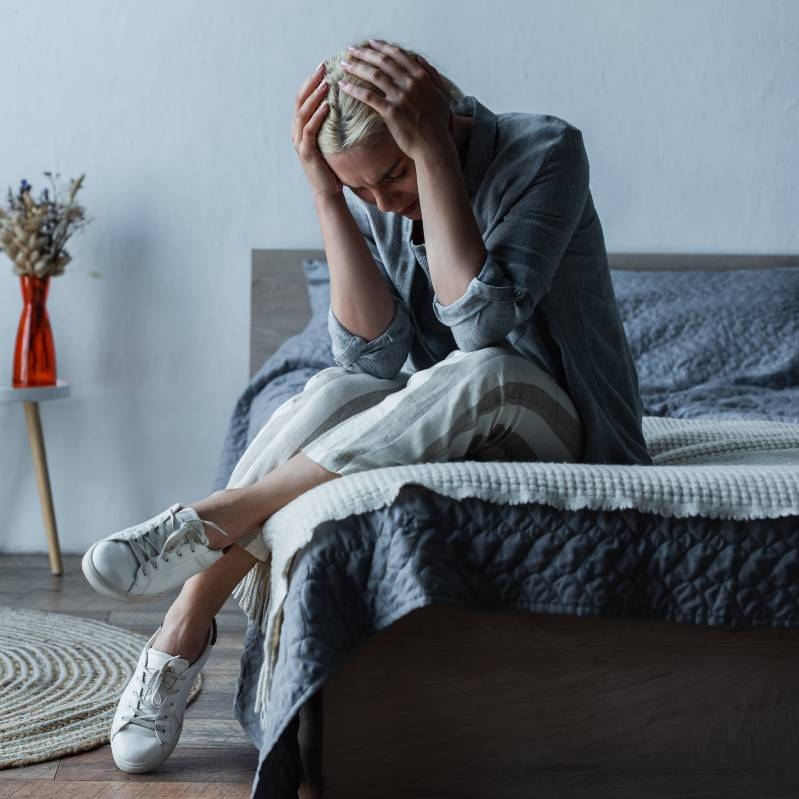
Everyone can understand the intense pain, heartache, and distress that comes with dealing with a broken heart, especially when it’s due to a loss of a family member or dear friend. Unfortunately, these extreme stress situations can rob us of our health. We know how closely intertwined our emotional and physical states are, but can a person actually die of a broken heart?
What causes broken heart syndrome?
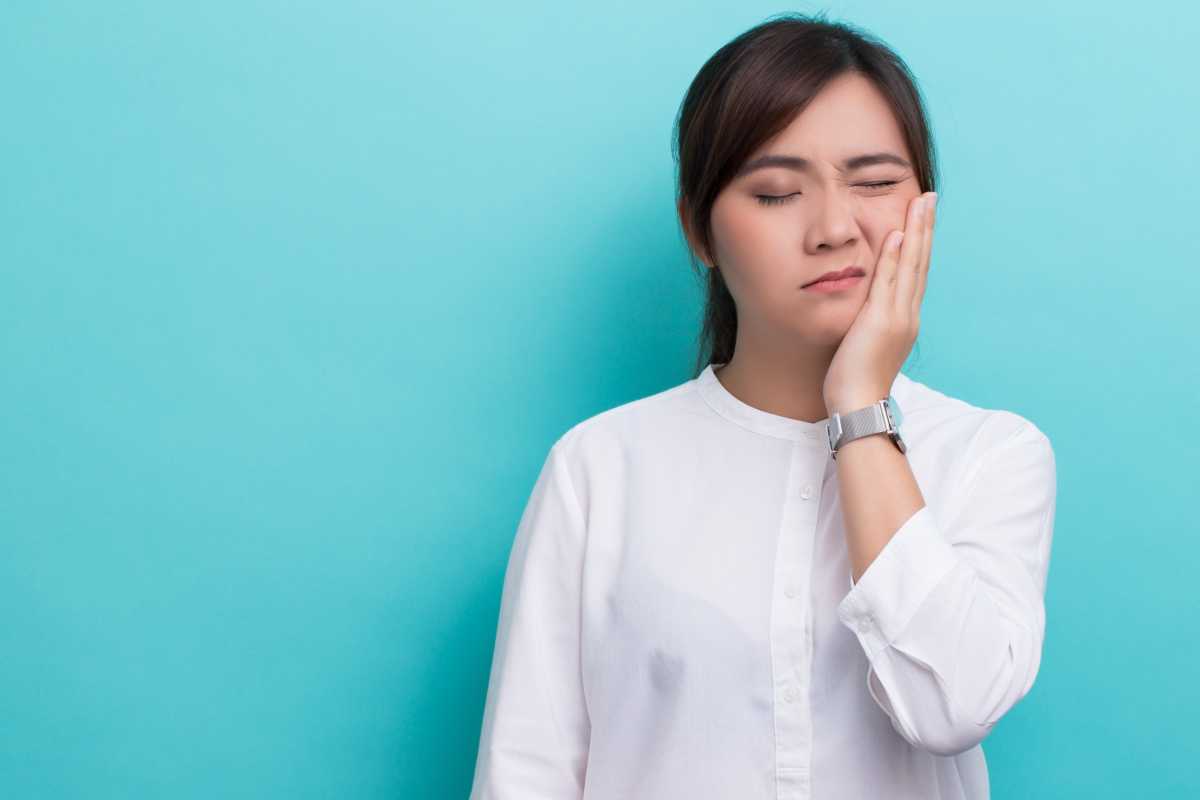
Stress-induced cardiomyopathy (SICM), also known as takotsubo cardiomyopathy and/or “Broken Heart Syndrome,” is a real cardiac condition triggered by extreme stress or anxiety from a traumatic event. Along with the loss of a loved one, other emotional or physical stressors like natural disasters, car accidents, sudden financial loss or gain (think lottery!), domestic violence, or even a sudden shock, could all provoke an attack.
A study published in JAMA Network Open confirmed that pandemic-related stress has caused an increase in stress-induced cardiomyopathy.
What happens when someone has broken heart syndrome?
In such cases, a rush of stress hormones causes one part of the heart to bulge, forcing the rest of the heart to work harder. As a result, the heart is unable to pump blood normally. Under these circumstances, a person will experience symptoms similar to a heart attack, like chest pain and shortness of breath, but with no signs of coronary artery disease.
Luckily for most, with treatment, the heart is able to return to its normal state. But SICM can also be fatal.
Questions? Give Us a Call!
703-532-4892 x2
How is broken heart syndrome treated?
Treatment for Broken Heart Syndrome/SICM typically includes medications that are used to treat heart attack victims, like beta-blockers, which relieve the excessive strain on the heart. However as research continues on SICM it questions whether this form of treatment is actually effective, as this study published in the New England Journal of Medicine concluded: “Although it has been proposed that beta-blockers might prevent takotsubo cardiomyopathy events, the condition developed in 32.5% of the patients in our study while they were taking these agents. Of 57 patients with recurrent takotsubo cardiomyopathy, 29 were taking beta-blockers at the time of the second event. These data suggest that beta-blockers are not effective in preventing takotsubo cardiomyopathy.”
Another study, published in the American Journal of Cardiology, led by Dr. Harmony Reynolds of NYU Langone Medical Center, looked at the parasympathetic nervous system (responsible for helping the body calm down) as a major player in SICM and proposed that treatments such as meditation, yoga, and breathing exercises, may be beneficial in preventing attacks by strengthening the mind-body relationship.
Dr. Reynolds’ research also aims at explaining why as much as 90% of patients diagnosed with SICM are post-menopausal women. Some suspect that the reason for this may be the loss of estrogen during menopause (estrogen is cardio-protective in that it improves blood flow to the heart; as levels drop one’s risk for a cardiac event increases).
And while Broken Heart Syndrome is relatively rare in the big picture, only counting for 1-2% of patients with heart attack symptoms, the pain you feel after suffering a loss can also cause other negative health effects. Not getting enough sleep or proper nutrition (both common occurrences while coping with a loss or stressful situations), can suppress your immune system, and put you at a greater risk for developing other illnesses.
While there is no way to predict how your body will react to a traumatic event, there are things you can do to put yourself in the best position for coping with stress and recovering from a cardiac event.
1) Know the signs and symptoms of a cardiac event.
Heart disease is one of the leading causes of death for men and the #1 cause of death for women in the United States. Typical symptoms include chest pain or discomfort, dizziness, shortness of breath, breaking out into a cold sweat, and/or heart palpitations. Women may present different signs and symptoms than men, like abdominal pain or nausea, shortness of breath with or without chest pain, back, neck, jaw, and arm pain.
While there may be no warning for sudden cardiac arrest, anyone experiencing any of the symptoms above should call 911 immediately.
2) Take care of yourself.
This includes eating a healthy, anti-inflammatory diet and maintaining a regular sleep schedule. If you are having difficulty falling or staying asleep don’t put off talking to your physician. A healthy sleep pattern is absolutely essential for good health. If you are a smoker, quit.
3) Keep up with a regular exercise routine.
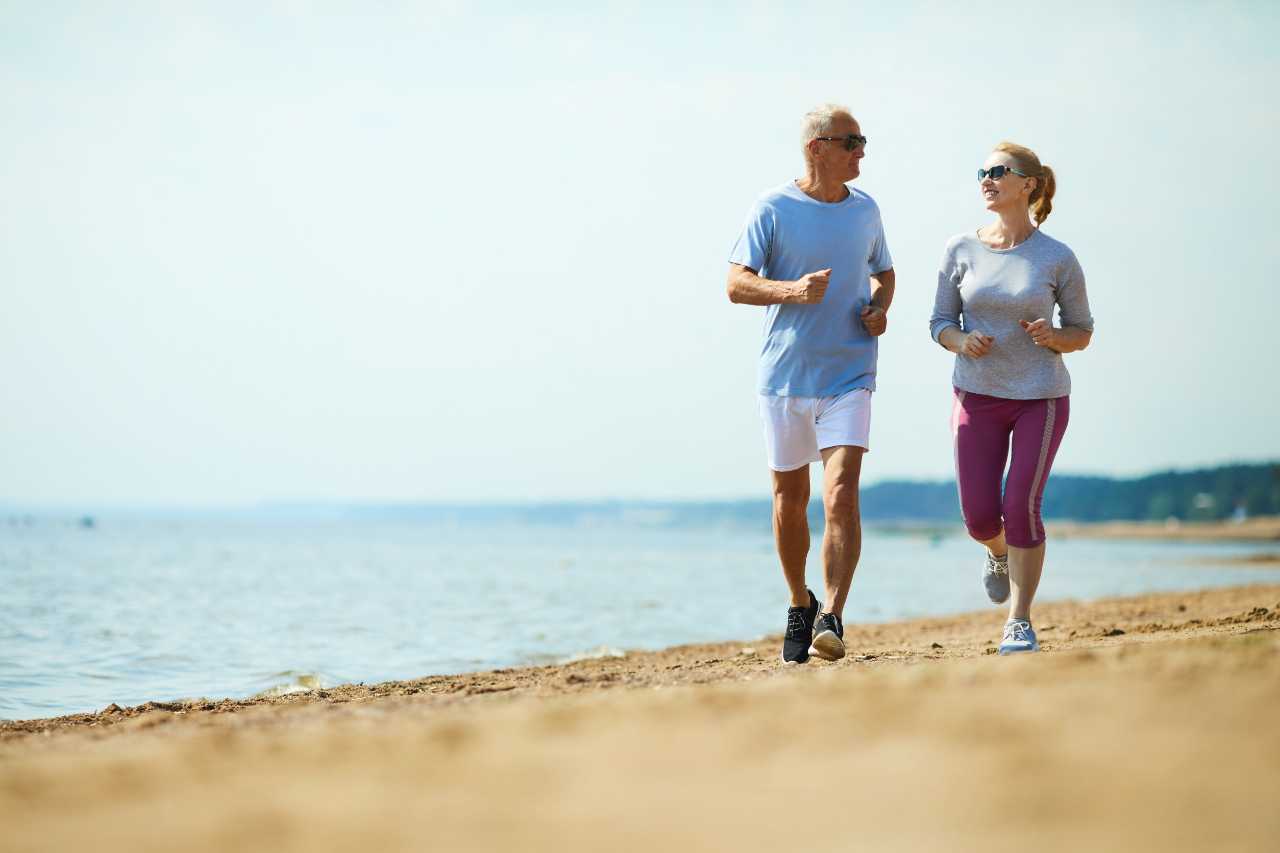
Physical activity is anything that gets you moving. If you have never engaged in regular exercise start with a simple and easy to keep walking routine. However, try not to work out when stress or emotions are running high; a study of over 12,000 people showed that heavy exercise while angry or emotionally stressed tripled the incidence of a heart attack.
4) Take up a mind-body therapy.
Meditation, yoga, and breathing practices, such as Pranayama, can prompt a cascade of physiological effects including decreases in blood pressure, stress, and heart rate, and increases in immune function, mood, and vitality.
5) Talk with a therapist or grief counselor.
Speaking with a professional can help you navigate the more complex emotions surrounding the loss of a friend or family member, or coping with a current or past trauma.
6) Speak with a doctor about your health concerns
Even if you’re not sure if your symptoms are related to your emotional state keeping your doctor informed is extremely important, particularly if you suffer from any chronic medical conditions.
We are here for you, and we want to help.
Our goal is to return you to optimal health as soon as possible. To schedule an appointment please call: 703-532-4892 x2
Why Cholesterol Levels Are Not the Best Predictor of Heart Disease
/in Inflammation, Treatments/by Gary Kaplan, DOIndividuals with higher-than-normal cholesterol levels are commonly prescribed statins in the hope of reducing their risk of heart disease or stroke. Yet, medical research indicates that statins actually have very limited usefulness in preventing heart disease unless the patient already has a personal history of the disease. This may be due, in part, to the fact that cholesterol is just one of a series of factors that put an individual at risk.
Furthermore, statin use over a prolonged period has been linked to an increased risk of Type II Diabetes. A study published in spring 2015 in the Journal of General Internal Medicine, cited this connection among healthy adults at baseline.
In the study – Statins and New-Onset Diabetes Mellitus and Diabetic Complications: A Retrospective Cohort Study of US Healthy Adults – researchers looked at a pool of 25,970 adult patients defined for the purposes of the study as “healthy” (i.e., free of heart disease, diabetes, and other severe chronic diseases). From this pool, 3351 statin users and 3351 non-users were propensity score-matched based on 42 baseline characteristics. The results were striking: statin users were almost twice as likely to develop diabetes, more than twice as likely to develop diabetic complications, and slightly more likely to become overweight/obese than their counterparts.
Recent studies continue to confirm the link:
Statins and the potential for higher diabetes mellitus risk
Statin users have an elevated risk of dysglycemia and new-onset-diabetes
Inflammation as a predictor of heart disease
Inflammation is a much more reliable predictor of one’s risk of developing heart disease than cholesterol and is easily measured by looking at a patient’s C-reactive protein (CRP) levels. What’s also heartening (pun intended) is that inflammation can be reduced dramatically by making modest lifestyle changes.
Statins do have a place in treating heart disease, but before medical practitioners prescribe a statin whose side-effects can range from an increased risk of developing Type II Diabetes to muscle pain or weakness, headaches, sore throat, sinusitis, nausea, and liver problems, it makes sense to first look at alternative, natural, and inexpensive ways of lowering inflammation in the body.
Here are 5 steps that you can take immediately to reduce inflammation in your body (and reduce your risk of heart attack and stroke):
We are here for you, and we want to help.
Our goal is to return you to optimal health as soon as possible. To schedule an appointment please call: 703-532-4892 x2
Mold Toxicity Could Be the Cause of Your Unexplained Symptoms
/in Toxicity/by Kaplan CenterMolds are fungi that thrive in moisture rich environments, both indoors and out. According to the Centers for Disease Control (CDC), the most common indoor molds include Cladosporium Penicillium, Alternaria, Aspergillus, and of course Trichothecenes, which are the family of black mold. There is research that suggests individuals who are in an environment where molds are present can be at risk for developing a wide variety of medical conditions. For others, the exposure may have been years ago, but your genetics can be preventing you from being able to get rid of the toxins and are causing symptoms now. It is important to determine if mold toxins are contributing to your health concerns and most importantly if you are still being actively exposed.
Where mold grows…
Common places in the home that mold often grows include the bathroom, kitchen, refrigerator, mattresses, window sills, air conditioners and heating systems, walls and ceilings, chimneys, garages, attics, basements and laundry rooms. Even new buildings can contain mold from building supplies.
Another common source of mold exposure is the foods that we eat. The Ochratoxin A family of molds are found in foods such as cereal grains (wheat, millet, rice, barley, oats, rye and corn), dried fruit, wine, coffee, tea, chocolate, and juices. Aflatoxins are found in foods such as peanuts, tree nuts, maize, rice, spices, vegetable oils and cocoa beans.
How can mold toxicity affect your health?
It is well known that exposure to certain molds can result in a variety of medical conditions. Twenty percent of the population does not have the genetic ability to process out the toxins that form in the body when a mold exposure occurs. Therefore, the exposure to the mold may not be current. You may have been exposed in the past, or intermittently over time and your body is now showing symptoms of the buildup of the toxins. It is very important to determine if you are currently being exposed to mold and remediate the problem. But even if there is not current contact, in your living or work environments, mold toxicity could still be causing the symptoms that you are experiencing. Mold is everywhere. Our physicians are experienced at looking “outside the box” and relating symptoms that may seem unrelated to one another back to the underlying cause, which may in fact be mold.
Symptoms that may be related to mold exposure include:
Diagnosis
Our physicians start by taking a full medical history and carry out a physical examination. They will consider the list of possible causes for your symptoms. If appropriate, they will order laboratory testing to identify or rule out possible causes for your symptoms, including mold toxicity. We currently utilize a urine test performed at RealTime Laboratories to assess for mold toxicity.
Management
If mold toxicity is confirmed, the first step is to determine if you are currently being exposed. This may involve seeking professional assistance to determine if mold is present in your home and if professional remediation is recommended. Remember also that your exposure may be at your place of employment.
In addition, our doctors may recommend medications and supplements to help your body remove the mold toxins from your system.
Dealing with mold toxicity can be a long-term issue, therefore we will continuously review your case and check-in with you to see how you’re doing. For further questions, guidance or advice on how to deal with potential exposure to mold speak to one of our doctors for more information.
References