Back pain affects 70% of Americans in their lifetime and is currently the leading cause of disability. With the limited options typically offered for pain management by medical professionals, many of those who suffer from back pain find themselves depending on prescription painkillers, despite their many negative side-effects and the risk of addiction with long-term use. Acupuncture, on the other hand, is a non-narcotic and VERY effective treatment for chronic back pain – and it’s a treatment method that we use frequently at The Kaplan Center.
Acupuncture involves the placement of fine needles on the body for the purpose of reducing pain and treating various physical, mental, and emotional conditions. It is thought to work by blocking pain messages to the brain with competing stimuli through the release of endorphins – the body’s natural painkillers – and the secretion of neurotransmitters, which affect one’s perception of pain.
While acupuncture has been practiced for thousands of years, it is also standing the test of modern research. In 2007 the results of a large study of over 1,100 patients with chronic back pain was published in the Archives of Internal Medicine. After 10 treatments, the group that received acupuncture had a 47% improvement in pain and functioning after six months, compared to a 27% improvement among those who received more conventional care involving medications and physical therapy. (Unfortunately, while there are also studies focusing on spinal lumbar stenosis, they are inconclusive due to poor methodologies and research biases.) The American College of Physicians Clinical Practice Guidelines in 2017 and the CDC Guideline for Prescribing Opioids for Chronic Pain in 2016 both recommended acupuncture in place of opioids as non pharmacological interventions along with massage therapy, spinal manipulations, and yoga.
At The Kaplan Center, a patient’s initial visit includes a complete health assessment covering the history of the pain, as well as other potential health concerns such as sleep, digestion, and additional musculoskeletal issues. A holistic approach is used to provide maximum pain relief and healing – even in complex cases of postoperative pain and arthritis. It is recommended to do a course of at least 8 acupuncture treatments, which may include adjunct treatments, such as heat therapy or “moxibustion,” Chinese herbal medicine, and electro-acupuncture. Most patients report benefits after a few sessions though many notice changes immediately following the initial visit.
In sum, acupuncture is a low risk, nonpharmacological intervention that is effective in reducing pain, helping to improve the quality of life for chronic pain sufferers.
Food plays an essential role in our lives. Apart from the energy it provides, it keeps the body healthy and fit. Food nourishes and it heals. However, our relationship with food is not always straightforward. Sometimes the things that we eat can also lead to other health problems.
Food allergies, sensitivities, and intolerances are extremely common. They can happen to anyone regardless of age, gender, or health status. The symptoms can be obvious, but they can also be vague and non-specific. Consider some of the following symptoms:
Diarrhea
Stomach cramps
Weight loss
Migraines
Tiredness or fatigue
Itching
Sneezing
Bloating or gas
Skin rashes
Symptoms that are not as obvious are pain problems, mood disorders, and even mild cognitive impairment caused by generalized inflammation in the body. For example, headaches, arthritis flare-ups, anxiety, depression, brain fog, and muscular pain can be indicative of a food allergy or intolerance but are often overlooked as a symptom.
Food allergy vs. food sensitivity vs. food intolerance
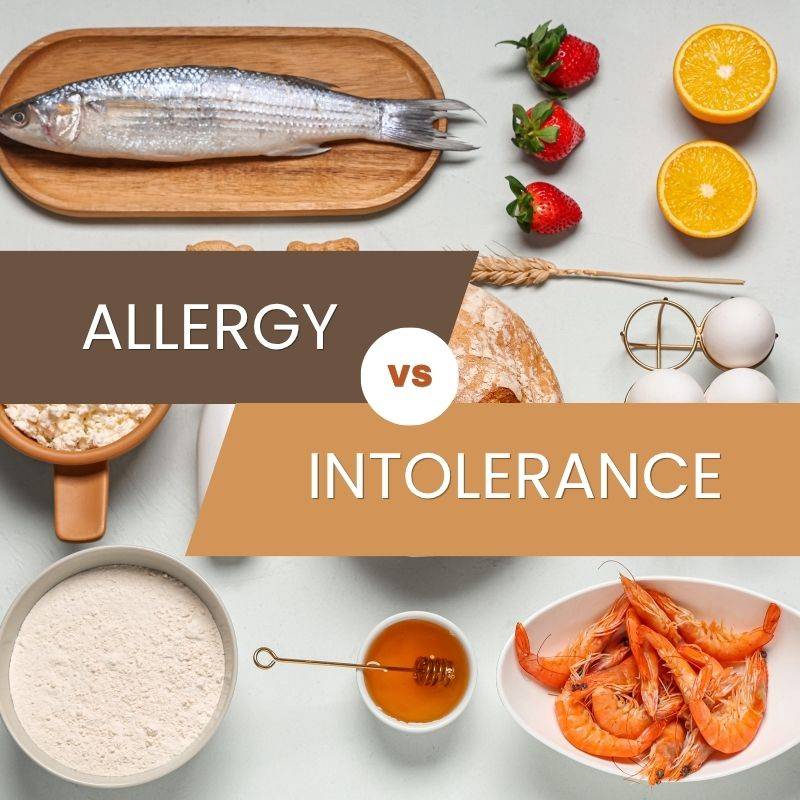
In general, people tend to use these terms interchangeably, but in actuality, they all differ.
A true food allergy is an immune reaction to a single ingredient or a whole food group. Signs and symptoms can be immediate and vary from mild to fatal (also called anaphylactic).
Symptoms include:
Swollen or itchy tongue
Rash, hives or runny nose
Abdominal pain, vomiting
Difficulty breathing, wheezing or closed airways
The sole treatment for these reactions is total avoidance of the trigger food/foods, and extreme caution when eating out at restaurants and buying packaged food. In case of exposure an auto-injection of epinephrine, also known as an epi-pen, is administered.
Common food allergies are peanuts, wheat, shellfish, soy, eggs, and others less common like sesame and strawberry. Animal bites and bee stings can also be allergenic to certain people.
Food intolerances
Food intolerances are non-immune reactions to certain food components, such as sulfite in alcohol, lactose in milk, or even histamine in food. This generally occurs when the body lacks certain enzymes or nutrients that break down those molecules. This category also extends to artificial colors, fillers, preservatives, natural and artificial flavors.
Symptoms of a food intolerance can manifest as inflammation (joint pain), flushing, cold or flu-like symptoms because the body is struggling to metabolize those components but is lacking the tools.
Identifying the food trigger by keeping a food/symptom log, then eliminating it and tracking improvement is the best way to manage food intolerances. Working with a professional will guarantee a successful outcome through personalized supplementation and food plans.
Food sensitivities
Food sensitivities are a two-tier issue; they generally involve the gastrointestinal (GI) and immune systems, and their reactions can be delayed by hours or even days. These reactions are initiated by an imbalance in the GI system, which then triggers an immune response. One common imbalance is Functional Bowel Disorders (FBD), a more recent terminology for Irritable Bowel Syndrome (IBS), or leaky gut. Symptoms can be unique to each patient and vary widely based on the food consumed. Some people experience migraine headaches, dizziness, mood swings, depression, fatigue, difficulty sleeping, sinus and ear infections, indigestion, diarrhea/constipation, acne, and other symptoms not listed here.
Food sensitivities are commonly seen with the consumption of dairy products, eggs, gluten, soy, shellfish, tree nuts, and others.
Addressing food sensitivities starts by eliminating all potential food triggers, followed by functional GI testing to identify the imbalance and treat any active problems (ex. infection, parasite), then repair intestinal lining and eventually reintroduce those foods after.
When to see a doctor
If you have experienced any of the symptoms mentioned above or have never received a diagnosis in relation to those symptoms, then make an appointment to speak to one of our doctors. At the Kaplan Center, we understand the role that nutrition can play in causing and alleviating certain medical conditions. After taking a thorough history, our physicians will investigate possible underlying nutritional problems and carry out a diet assessment. This will give us a better understanding of your lifestyle and the foods to which you are regularly exposed.
Investigations for food allergies, sensitivities, or intolerances
In addition to taking a full history and examination, testing that we may recommend includes:
Food Sensitivity/Allergy Testing
Blood tests to measure vitamin and mineral levels such as iron, B12, folate, vitamin D, and magnesium
Antibody testing to see if your symptoms are related to an autoimmune condition
Comprehensive stool analysis to reveal any abnormalities in the body’s gastrointestinal functioning
Furthermore, we may recommend keeping a detailed food diary or journal for a few weeks to help better pinpoint the cause of your symptoms.
Treatment/Management
Based on your medical history, physical exam, and the results of any testing that was carried out, we will develop a better understanding of your digestive profile. Once that occurs, we will suggest treatment and management options that may include:
An elimination diet (ie. removing the suspected food item from your diet for a period of time to see if symptoms improve)
Maintaining a food diary that will help us spot any patterns related to problem foods
Stress management techniques to help restore balance to an overactive immune system
Nutritionist support to:
Improve nutritional deficiencies that have been identified
Rebuild gut integrity with a gut repair protocol
Create a personalized anti-inflammatory diet tailored to your needs and goals
Our relationship with food can be complicated but it doesn’t have to be. With time and patience, it is possible to figure out what foods are causing your symptoms and how best to manage the situation. Our doctors will take a functional and integrative approach to deal with food allergies and sensitivities that include looking at all aspects of your health.
We are here for you, and we want to help.
Our goal is to return you to optimal health as soon as possible. To schedule an appointment please call: 703-532-4892 x2
We have heard it a million times before. One of the keys to maintaining a robust immune system is lowering inflammation. An article published on MDLinx online mentions several ways we may unknowingly be weakening our immune system. Factors discussed in the article include:
Eating foods that contain too much fructose
High daily stress levels
Lack of adequate sleep (…starting to sound familiar?)
Sunburn
Loneliness
None of the items above are particularly surprising – we know what’s good for our bodies (not fructose!) and our minds (definitely not stress) – so how does the immune system become compromised?
When inflammation goes awry
Inflammation is one of our body’s defense mechanisms; it’s a normal, healthy, and necessary biological function. When the body identifies a threat or a foreign invader, it releases inflammatory chemicals to initiate the repair process. But under repeated “assaults” it can remain in a state of heightened inflammation and this is when the trouble begins.
When the body is constantly producing inflammatory chemicals, the function of the Central Nervous System which controls most bodily functions is undermined and can compromise other systems like the immune system. When the immune system is weakened, the cells that are meant to help fight infection become damaged, and the body’s ability to fight disease is diminished. One can literally get caught in a debilitating cycle of cellular degeneration and dysregulation.
The items mentioned above, as well as any of the following, can contribute to a cycle of sustained inflammation when left untreated:
If you notice that you’re often sick, fatigued, or have frequent digestive issues, it may be a red flag that your immune system is weakened. With a better understanding of how inflammation may be contributing to your condition, the next step is to initiate practices and, if necessary, seek treatments that will calm the inflammatory cycle. Here’s what helps:
TRY AN ELIMINATION DIET. For six weeks, avoid all foods with wheat, soy, milk, and milk products (foods that often trigger allergies or sensitivities that promote inflammation). Eat only fresh fruits, vegetables, brown rice, fish, chicken, and eggs—these foods, in general, are the least likely to cause inflammation. After six weeks, add back one category of food—such as dairy—per week. Note whether these foods have a negative effect on your energy, mood, or level of pain. If so, eliminate that food from your diet entirely.
MEDITATE. A 2020 review looking at the effects of mindfulness meditation on the immune system concluded that “mindfulness meditation appears to be associated with reductions in pro-inflammatory processes, increases in cell-mediated defense parameters, and increases in enzyme activity that guards against cell aging.”
SLEEP. Make adjustments to your sleep environment and aim for at least 7 hours of sleep per night. This is at minimum what your body needs to be able to carry out important repair functions like reducing inflammation, tissue repair, and hormone production.
CUT BACK ON OTC MEDICATIONS. Non-steroidal anti-inflammatory drugs (NSAIDs) like Advil, Motrin, and Aleve can cause gastrointestinal issues like intestinal ulcers and bleeding when taken chronically to manage pain. NSAIDs can also increase the risk of heart attack or stroke in patients with or without heart disease or risk factors for heart disease. Taking pain relievers routinely to manage pain may actually cause your pain to worsen; the body begins to forget how to fight it on its own. Use OTC medications sparingly and try alternative therapies such as yoga and acupuncture as well as anti-inflammatory supplements* like turmeric.
WHEN YOU NEED TO SEE A PHYSICIAN, CONSIDER ONE WHO PRACTICES FUNCTIONAL MEDICINE (FM). In looking for clues that may be contributing to symptoms of illness or disease a Functional Medicine physician will systematically assess and optimize six major areas of health, including the immune system. In doing so, FM doctors have a more complete picture of one’s overall health and underlying conditions or deficiencies that may be causing inflammation. FM doctors utilize several modes of treatment, including stress reduction & management, mind-body tools, improving nutrition, healing your gut, supporting detoxification, exercise, acupuncture, herbs/botanicals, IV Therapy, supplements, manual medicine, and when needed, medication.
*Ask your physician about any potential side effects or interactions before taking any new medicinal herbs and supplements.
We are here for you, and we want to help.
Our goal is to return you to optimal health as soon as possible. To schedule an appointment please call: 703-532-4892 x2




















Relieve Your Chronic Back Pain with Acupuncture
/in Treatments/by Rebecca Berkson, L.Ac, Dipl.OMBack pain affects 70% of Americans in their lifetime and is currently the leading cause of disability. With the limited options typically offered for pain management by medical professionals, many of those who suffer from back pain find themselves depending on prescription painkillers, despite their many negative side-effects and the risk of addiction with long-term use. Acupuncture, on the other hand, is a non-narcotic and VERY effective treatment for chronic back pain – and it’s a treatment method that we use frequently at The Kaplan Center.
Acupuncture involves the placement of fine needles on the body for the purpose of reducing pain and treating various physical, mental, and emotional conditions. It is thought to work by blocking pain messages to the brain with competing stimuli through the release of endorphins – the body’s natural painkillers – and the secretion of neurotransmitters, which affect one’s perception of pain.
Questions? Give Us a Call!
703-532-4892 x2
While acupuncture has been practiced for thousands of years, it is also standing the test of modern research. In 2007 the results of a large study of over 1,100 patients with chronic back pain was published in the Archives of Internal Medicine. After 10 treatments, the group that received acupuncture had a 47% improvement in pain and functioning after six months, compared to a 27% improvement among those who received more conventional care involving medications and physical therapy. (Unfortunately, while there are also studies focusing on spinal lumbar stenosis, they are inconclusive due to poor methodologies and research biases.) The American College of Physicians Clinical Practice Guidelines in 2017 and the CDC Guideline for Prescribing Opioids for Chronic Pain in 2016 both recommended acupuncture in place of opioids as non pharmacological interventions along with massage therapy, spinal manipulations, and yoga.
At The Kaplan Center, a patient’s initial visit includes a complete health assessment covering the history of the pain, as well as other potential health concerns such as sleep, digestion, and additional musculoskeletal issues. A holistic approach is used to provide maximum pain relief and healing – even in complex cases of postoperative pain and arthritis. It is recommended to do a course of at least 8 acupuncture treatments, which may include adjunct treatments, such as heat therapy or “moxibustion,” Chinese herbal medicine, and electro-acupuncture. Most patients report benefits after a few sessions though many notice changes immediately following the initial visit.
In sum, acupuncture is a low risk, nonpharmacological intervention that is effective in reducing pain, helping to improve the quality of life for chronic pain sufferers.
– Rebecca Berkson, L.Ac, Dipl. O.M.
We are here for you, and we want to help.
Our goal is to return you to optimal health as soon as possible. To schedule an appointment please call: 703-532-4892 x2
Food Allergies, Sensitivities, Intolerances and When to See a Doctor
/in Conditions, Nutrition/by Kaplan CenterFood plays an essential role in our lives. Apart from the energy it provides, it keeps the body healthy and fit. Food nourishes and it heals. However, our relationship with food is not always straightforward. Sometimes the things that we eat can also lead to other health problems.
Food allergies, sensitivities, and intolerances are extremely common. They can happen to anyone regardless of age, gender, or health status. The symptoms can be obvious, but they can also be vague and non-specific. Consider some of the following symptoms:
Symptoms that are not as obvious are pain problems, mood disorders, and even mild cognitive impairment caused by generalized inflammation in the body. For example, headaches, arthritis flare-ups, anxiety, depression, brain fog, and muscular pain can be indicative of a food allergy or intolerance but are often overlooked as a symptom.
Food allergy vs. food sensitivity vs. food intolerance
In general, people tend to use these terms interchangeably, but in actuality, they all differ.
Questions? Give Us a Call!
703-532-4892 x2
Food allergies
A true food allergy is an immune reaction to a single ingredient or a whole food group. Signs and symptoms can be immediate and vary from mild to fatal (also called anaphylactic).
Symptoms include:
The sole treatment for these reactions is total avoidance of the trigger food/foods, and extreme caution when eating out at restaurants and buying packaged food. In case of exposure an auto-injection of epinephrine, also known as an epi-pen, is administered.
Common food allergies are peanuts, wheat, shellfish, soy, eggs, and others less common like sesame and strawberry. Animal bites and bee stings can also be allergenic to certain people.
Food intolerances
Food intolerances are non-immune reactions to certain food components, such as sulfite in alcohol, lactose in milk, or even histamine in food. This generally occurs when the body lacks certain enzymes or nutrients that break down those molecules. This category also extends to artificial colors, fillers, preservatives, natural and artificial flavors.
Symptoms of a food intolerance can manifest as inflammation (joint pain), flushing, cold or flu-like symptoms because the body is struggling to metabolize those components but is lacking the tools.
Identifying the food trigger by keeping a food/symptom log, then eliminating it and tracking improvement is the best way to manage food intolerances. Working with a professional will guarantee a successful outcome through personalized supplementation and food plans.
Food sensitivities
Food sensitivities are a two-tier issue; they generally involve the gastrointestinal (GI) and immune systems, and their reactions can be delayed by hours or even days. These reactions are initiated by an imbalance in the GI system, which then triggers an immune response. One common imbalance is Functional Bowel Disorders (FBD), a more recent terminology for Irritable Bowel Syndrome (IBS), or leaky gut. Symptoms can be unique to each patient and vary widely based on the food consumed. Some people experience migraine headaches, dizziness, mood swings, depression, fatigue, difficulty sleeping, sinus and ear infections, indigestion, diarrhea/constipation, acne, and other symptoms not listed here.
Food sensitivities are commonly seen with the consumption of dairy products, eggs, gluten, soy, shellfish, tree nuts, and others.
Addressing food sensitivities starts by eliminating all potential food triggers, followed by functional GI testing to identify the imbalance and treat any active problems (ex. infection, parasite), then repair intestinal lining and eventually reintroduce those foods after.
When to see a doctor
If you have experienced any of the symptoms mentioned above or have never received a diagnosis in relation to those symptoms, then make an appointment to speak to one of our doctors. At the Kaplan Center, we understand the role that nutrition can play in causing and alleviating certain medical conditions. After taking a thorough history, our physicians will investigate possible underlying nutritional problems and carry out a diet assessment. This will give us a better understanding of your lifestyle and the foods to which you are regularly exposed.
Investigations for food allergies, sensitivities, or intolerances
In addition to taking a full history and examination, testing that we may recommend includes:
Furthermore, we may recommend keeping a detailed food diary or journal for a few weeks to help better pinpoint the cause of your symptoms.
Treatment/Management
Based on your medical history, physical exam, and the results of any testing that was carried out, we will develop a better understanding of your digestive profile. Once that occurs, we will suggest treatment and management options that may include:
Our relationship with food can be complicated but it doesn’t have to be. With time and patience, it is possible to figure out what foods are causing your symptoms and how best to manage the situation. Our doctors will take a functional and integrative approach to deal with food allergies and sensitivities that include looking at all aspects of your health.
We are here for you, and we want to help.
Our goal is to return you to optimal health as soon as possible. To schedule an appointment please call: 703-532-4892 x2
5 Ways to Strengthen a Weakened Immune System
/in Inflammation, Treatments/by Kaplan CenterWe have heard it a million times before. One of the keys to maintaining a robust immune system is lowering inflammation. An article published on MDLinx online mentions several ways we may unknowingly be weakening our immune system. Factors discussed in the article include:
None of the items above are particularly surprising – we know what’s good for our bodies (not fructose!) and our minds (definitely not stress) – so how does the immune system become compromised?
When inflammation goes awry
Inflammation is one of our body’s defense mechanisms; it’s a normal, healthy, and necessary biological function. When the body identifies a threat or a foreign invader, it releases inflammatory chemicals to initiate the repair process. But under repeated “assaults” it can remain in a state of heightened inflammation and this is when the trouble begins.
When the body is constantly producing inflammatory chemicals, the function of the Central Nervous System which controls most bodily functions is undermined and can compromise other systems like the immune system. When the immune system is weakened, the cells that are meant to help fight infection become damaged, and the body’s ability to fight disease is diminished. One can literally get caught in a debilitating cycle of cellular degeneration and dysregulation.
The items mentioned above, as well as any of the following, can contribute to a cycle of sustained inflammation when left untreated:
Questions? Give Us a Call!
703-532-4892 x2
Reversing the cycle
If you notice that you’re often sick, fatigued, or have frequent digestive issues, it may be a red flag that your immune system is weakened. With a better understanding of how inflammation may be contributing to your condition, the next step is to initiate practices and, if necessary, seek treatments that will calm the inflammatory cycle. Here’s what helps:
*Ask your physician about any potential side effects or interactions before taking any new medicinal herbs and supplements.
We are here for you, and we want to help.
Our goal is to return you to optimal health as soon as possible. To schedule an appointment please call: 703-532-4892 x2