Doctors across the globe are seeing a noticeable uptick of patients concerned with memory problems, forgetfulness, and brain fog since the start of the coronavirus pandemic. If you are experiencing more frequent slips in memory, if you are more easily distracted, making more frequent mistakes at work, or feel like you are walking around with your head in a cloud, you’re certainly not alone.
For many people experiencing brain fog for the first time right now, the overload of pandemic-related stress and trauma from a very difficult year is more than likely to blame. Chronic stress and chronically disturbed sleep alone can cause inflammation in the brain which, over time, can damage neurons and affect cognitive functioning and memory.
But there is good news! Our brains are resilient, and when given the opportunity, the degenerative effects of chronic inflammation can be reduced – or even reversed – with certain lifestyle changes. There is light at the end of the tunnel, so, while we emerge from this pandemic let’s consider just a few basic strategies that will help improve your symptoms today.
3 ways to improve symptoms:
1) Get regular aerobic exercise:
Simply put, aerobic exercise increases blood flow to the brain, which helps your brain create new neurons and improve neural connections. A study by the University of Maryland School of Public Health, published in July 2013, showed that people who increased their heart rate with daily moderate exercise “improved their memory performance and showed enhanced neural efficiency while engaged in memory retrieval tasks.”
Regular exercise also down-regulates microglia in the brain. Try to incorporate just 30 minutes a day of moderate physical exercise – such as walking – for a significant impact on your brain health.
2) Eat smarter:
Not surprisingly, nutrition also plays an important role in brain health and there is an impressive amount of research confirming that essential fatty acids, like Omega-3’s, are very beneficial. If DHA levels are low (DHA is a form of Omega-3) the brain is more susceptible to degeneration. Omega-3 fatty acids also help scavenge free radicals (atoms, molecules, or ions with unpaired electrons) that attach inappropriately to tissue and damage it.
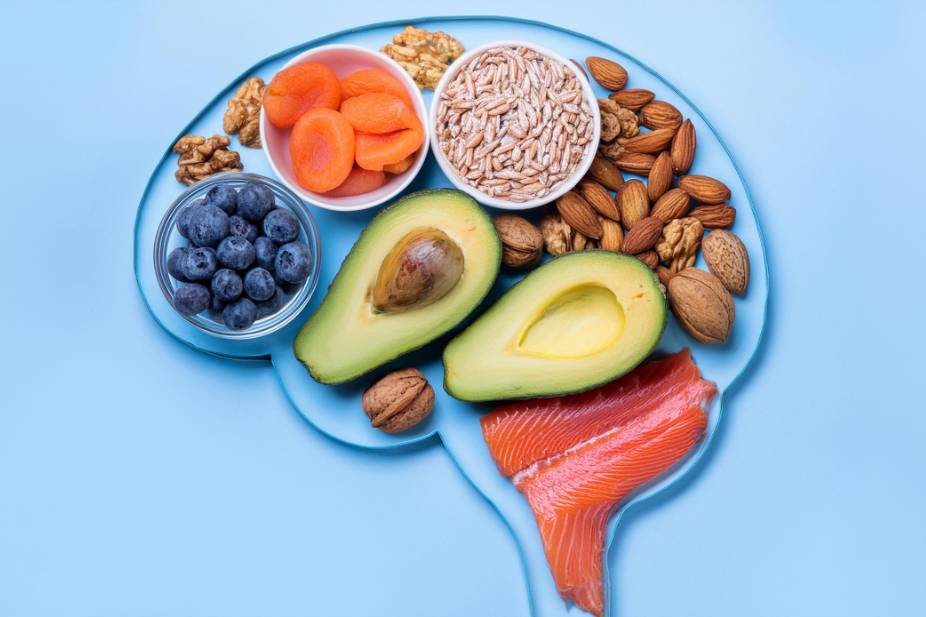
Since our bodies are unable to produce these fatty acids on their own, foods rich in Omega-3’s like salmon, shrimp, sardines, eggs, walnuts, and almonds, should make a regular appearance on our plates.
Fruits and vegetables, high in a type of antioxidant called flavonoid, also play a major role in brain health. Foods rich in flavonoids offer a number of neuroprotective properties, and can decrease rates of cognitive decline and potentially slow the progression of many neurodegenerative diseases, such as Alzheimer’s Disease. Foods rich in flavonoids include tea (black, green, oolong), bananas, blueberries, and other colorful berries, onions, apples, citrus, Ginkgo biloba, parsley, red wine, and chocolate!
3) Don’t take your sleep for granted
Sleep deprivation, sleeping less than the amount of time your body needs for growth and repair, is the most common sleep disorder. Adults should have between seven and eight hours a night of restful sleep, yet CDC statistics show that as many as 35% of American adults are not sleeping enough, and this figure is likely to have increased since then.
During sleep, the body repairs itself by calming inflammation and maintaining hormone production. When these two processes – both important elements in brain health – are compromised it can negatively impact your memory, decision-making, the capacity to focus one’s attention, and the ability to complete complex creative activities, among other things.
Conventional treatments for arthritis rely on medications to decrease inflammation and improve symptoms. Functional Medicine, in comparison, looks at the underlying cause of inflammation and aims to reverse the process at the source. Functional medicine doctors will look at gut health, toxicity, hormonal imbalances, and other possible conditions that may be contributing factors.
Dr. Lisa Lilienfield explains how The Kaplan Center treats arthritis with a Functional Medicine approach.
We are here for you, and we want to help.
Our goal is to return you to optimal health as soon as possible. To schedule an appointment please call: 703-532-4892 x2
Migraines are powerful headaches that are often associated with nausea, vomiting, and a sensitivity to light. They differ from other types of headaches by their intensity and the ability to last anywhere from 4 hours to 3 days.
For many individuals, migraines can be more than a source of discomfort. The presence of a migraine can be debilitating and put a stop to all other activities. In essence, migraines can dramatically impact one’s quality of life.
Causes and triggers of a migraine
Doctors are still not sure exactly what causes a migraine. However, we do know that migraines tend to run in families. Therefore, those with family members that suffer from migraines may have them as well.
The onset of a migraine may also be triggered by factors such as:
Nutritional deficiencies (e.g., Magnesium and B-vitamins)
Mold toxicity – Headaches are a common complaint of people suffering from mold toxicity
Migraine symptoms
Migraine symptoms will vary from person to person. In addition to having different triggers, sufferers may experience symptoms that range from mild to severe. Symptoms can include:
Moderate to severe pain (often described as a pounding, throbbing pain) that can affect the whole head, or can shift from one side of the head to the other
At the Kaplan Center, our doctors have years of experience treating patients suffering from the pain of migraine headaches. Your doctor will take time to ask about your symptoms, medical history and possible treatment options that you have tried in the past. This information will give them a broader context on what management options are best for your own situation. Options may include one or more of the following:
Steps you can take today to start managing your migraines
Find out what your triggers are by keeping a headache diary
Most doctors will recommend that sufferers try to avoid their migraine triggers as much as possible. If you are unsure of what triggers your migraine, consider using a diary. Write down what you ate, where you were or if you were exposed to other external stimuli (e.g., bright lights, sounds) right before the migraine started. Doing so may help you isolate what your personal triggers are.
Foods to avoid
Some foods are known to increase the chance of having a migraine. This includes:
Alcohol
Baked goods (particularly if you are sensitive to gluten or if you have an autoimmune disorder such as celiac disease)
Processed meats
MSG
Aged cheeses (e.g., blue, brie, cheddar)
Be sure to make an appointment to speak to one of our doctors who can provide further advice and guidance on the best way to help manage your migraines. Treatment options that are recommended will always be tailored to your symptoms, medical history and personal preference.





















3 Steps to Improve Brain Fog
/in Wellness/by Gary Kaplan, DODoctors across the globe are seeing a noticeable uptick of patients concerned with memory problems, forgetfulness, and brain fog since the start of the coronavirus pandemic. If you are experiencing more frequent slips in memory, if you are more easily distracted, making more frequent mistakes at work, or feel like you are walking around with your head in a cloud, you’re certainly not alone.
For many people experiencing brain fog for the first time right now, the overload of pandemic-related stress and trauma from a very difficult year is more than likely to blame. Chronic stress and chronically disturbed sleep alone can cause inflammation in the brain which, over time, can damage neurons and affect cognitive functioning and memory.
But there is good news! Our brains are resilient, and when given the opportunity, the degenerative effects of chronic inflammation can be reduced – or even reversed – with certain lifestyle changes. There is light at the end of the tunnel, so, while we emerge from this pandemic let’s consider just a few basic strategies that will help improve your symptoms today.
3 ways to improve symptoms:
1) Get regular aerobic exercise:
Simply put, aerobic exercise increases blood flow to the brain, which helps your brain create new neurons and improve neural connections. A study by the University of Maryland School of Public Health, published in July 2013, showed that people who increased their heart rate with daily moderate exercise “improved their memory performance and showed enhanced neural efficiency while engaged in memory retrieval tasks.”
Regular exercise also down-regulates microglia in the brain. Try to incorporate just 30 minutes a day of moderate physical exercise – such as walking – for a significant impact on your brain health.
2) Eat smarter:
Not surprisingly, nutrition also plays an important role in brain health and there is an impressive amount of research confirming that essential fatty acids, like Omega-3’s, are very beneficial. If DHA levels are low (DHA is a form of Omega-3) the brain is more susceptible to degeneration. Omega-3 fatty acids also help scavenge free radicals (atoms, molecules, or ions with unpaired electrons) that attach inappropriately to tissue and damage it.
Since our bodies are unable to produce these fatty acids on their own, foods rich in Omega-3’s like salmon, shrimp, sardines, eggs, walnuts, and almonds, should make a regular appearance on our plates.
Fruits and vegetables, high in a type of antioxidant called flavonoid, also play a major role in brain health. Foods rich in flavonoids offer a number of neuroprotective properties, and can decrease rates of cognitive decline and potentially slow the progression of many neurodegenerative diseases, such as Alzheimer’s Disease. Foods rich in flavonoids include tea (black, green, oolong), bananas, blueberries, and other colorful berries, onions, apples, citrus, Ginkgo biloba, parsley, red wine, and chocolate!
3) Don’t take your sleep for granted
Sleep deprivation, sleeping less than the amount of time your body needs for growth and repair, is the most common sleep disorder. Adults should have between seven and eight hours a night of restful sleep, yet CDC statistics show that as many as 35% of American adults are not sleeping enough, and this figure is likely to have increased since then.
During sleep, the body repairs itself by calming inflammation and maintaining hormone production. When these two processes – both important elements in brain health – are compromised it can negatively impact your memory, decision-making, the capacity to focus one’s attention, and the ability to complete complex creative activities, among other things.
Breathing techniques, meditation, and establishing a bedtime routine are 3 great ways to help you settle down and improve the length and quality of your sleep.
Treating Arthritis with Functional Medicine
/in Bone Health, Inflammation/by Lisa Lilienfield, MDConventional treatments for arthritis rely on medications to decrease inflammation and improve symptoms. Functional Medicine, in comparison, looks at the underlying cause of inflammation and aims to reverse the process at the source. Functional medicine doctors will look at gut health, toxicity, hormonal imbalances, and other possible conditions that may be contributing factors.
Dr. Lisa Lilienfield explains how The Kaplan Center treats arthritis with a Functional Medicine approach.
We are here for you, and we want to help.
Our goal is to return you to optimal health as soon as possible. To schedule an appointment please call: 703-532-4892 x2
Dealing with Migraines
/in Migraine/by Kaplan CenterMigraines are powerful headaches that are often associated with nausea, vomiting, and a sensitivity to light. They differ from other types of headaches by their intensity and the ability to last anywhere from 4 hours to 3 days.
For many individuals, migraines can be more than a source of discomfort. The presence of a migraine can be debilitating and put a stop to all other activities. In essence, migraines can dramatically impact one’s quality of life.
Causes and triggers of a migraine
Doctors are still not sure exactly what causes a migraine. However, we do know that migraines tend to run in families. Therefore, those with family members that suffer from migraines may have them as well.
The onset of a migraine may also be triggered by factors such as:
This is not an exhaustive list of all possible migraine triggers. Many other factors can trigger a migraine.
Migraines may also be associated with certain medical conditions or environments such as:
Migraine symptoms
Migraine symptoms will vary from person to person. In addition to having different triggers, sufferers may experience symptoms that range from mild to severe. Symptoms can include:
Managing migraines
At the Kaplan Center, our doctors have years of experience treating patients suffering from the pain of migraine headaches. Your doctor will take time to ask about your symptoms, medical history and possible treatment options that you have tried in the past. This information will give them a broader context on what management options are best for your own situation. Options may include one or more of the following:
Steps you can take today to start managing your migraines
Find out what your triggers are by keeping a headache diary
Most doctors will recommend that sufferers try to avoid their migraine triggers as much as possible. If you are unsure of what triggers your migraine, consider using a diary. Write down what you ate, where you were or if you were exposed to other external stimuli (e.g., bright lights, sounds) right before the migraine started. Doing so may help you isolate what your personal triggers are.
Foods to avoid
Some foods are known to increase the chance of having a migraine. This includes:
Be sure to make an appointment to speak to one of our doctors who can provide further advice and guidance on the best way to help manage your migraines. Treatment options that are recommended will always be tailored to your symptoms, medical history and personal preference.
References