What was the motivation for making these changes that placed an unwelcomed label on so many people virtually overnight? It rests in the reality that despite the enormous amount of research, outreach, and medical advances, heart disease and stroke still remain 2 of the leading causes of death in men and women in the United States. Broadening the scope of high blood pressure numbers will generate more conversations between patients and health care providers about the associated risks that go with HBP, namely developing heart disease or having a future cardiac event. More importantly, it gives physicians the opportunity to introduce early non-pharmacological intervention methods to a wider population.
What is High Blood Pressure (HBP)?
When the blood pressure sleeve tightens around a patient’s arm it is taking two important measurements: the force of blood being pushed against artery walls when the heart pumps (systolic, or top number) and when the heart is at rest between beats (diastolic, or bottom number). These numbers are of particular interest to doctors as they can be an early warning sign of the patient’s risk for a future cardiac event or stroke; the higher the numbers, the higher the risk.
There are many factors that can elevate blood pressure, age being the most common, but lifestyle (think stress, activity levels, diet, etc…), weight, gender, race, medications, and certain medical conditions can also contribute. When a person is diagnosed as having high blood pressure (also called hypertension) it means very simply that there is too much force on a regular basis putting stress on the heart and blood vessels. Over time this constant, excessive pressure can cause damage to the walls of the arteries and blood vessels, causing them to narrow or leak, creating areas where plaque deposits can accumulate causing hardening and narrowing of the arteries, reducing elasticity, and all the while producing no obvious symptoms.
According to the American Heart Association, nearly half the population of patients with high blood pressure do not have it under control. This is an alarming statistic as so much is known about the correlation between high blood pressure and cardiovascular disease. But the good news is that high blood pressure is something that can be controlled with lifestyle modifications and, when necessary, medications.
Know Your Numbers!
The new guidelines stress the importance of proper blood pressure readings by both health care providers and patients. Blood pressure can be easily taken at home with the right device, and knowing your numbers is the first line in prevention!
Previously, blood pressure measured between 120 – 139 mm Hg was defined as pre-hypertensive, however, this terminology no longer exists. Now, patients diagnosed with having Elevated Blood Pressure are encouraged to look at a number of non-drug interventions as a first approach. These are lifestyle modifications that will not only help lower blood pressure but are positive changes for all aspects of health.
Non-pharmacological interventions recommended in the new guidelines include:
Weight loss
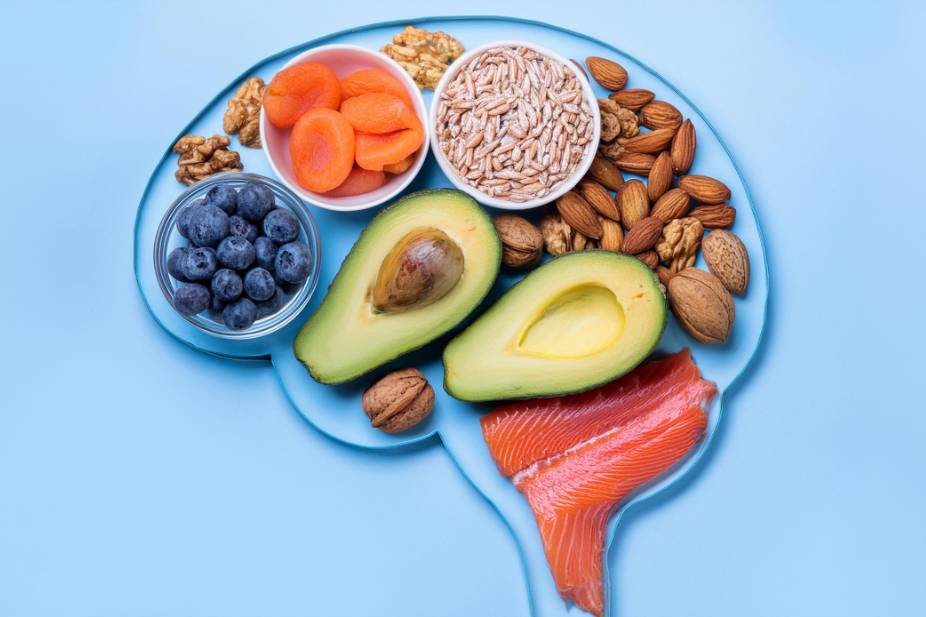
Eating a heart-healthy diet
Regular exercise
Reducing sodium intake
Potassium supplementation
Stopping or reducing alcohol consumption
In addition to the recommendations above, there are several mind-body therapies that have also proven effective in lowering blood pressure.
A 2013 study shows how a regular Mindfulness-based Stress Reduction program was able to reduce both the systolic and diastolic blood pressure of participants over a period of 8 weeks.
Yoga, which incorporates low-impact exercise with many of the wonderful stress-reducing elements of meditation, has also shown success as an effective adjunct therapy in patients with hypertension.
Patients now diagnosed with Stage 1 or Stage 2 Hypertension (HTN) would likely be prescribed anti-hypertensive medication in addition to the lifestyle recommendations above, with dosages and medications varying depending on each patient’s risk assessment and medical history.
The startling reality is that heart disease is responsible for 1 out of 4 deaths in the U.S. each year. The new guidelines introduce a number of wonderful non-drug therapies that can have an immediate effect on overall health and well-being. By knowing your numbers and taking proactive measures to get heart-healthy today, you can make a significant impact on your health in the future.
Acupuncture and pain relief go hand in hand. Every month new research is published confirming that acupuncture can effectively relieve a variety of pain conditions from migraines to back pain. In fact, there has been so much research in support of its efficacy that in the battle to fight opioid dependency, some major medical organizations are now rewriting their directives to recommend acupuncture and other non-pharmacological treatments along with, or in place of, more conventional treatments.
As of January 1, 2018, the Joint Commission, an independent, not-for-profit organization that accredits and certifies nearly 21,000 health care organizations and programs in the United States, mandated that accredited hospitals are required to provide acupuncture and other non-pharmacological pain management modalities as a strategy option for managing pain.
The guidelines of the American College of Physicians’ (ACP), updated in 2017, now “strongly recommend” physicians to look first at non-drug therapies, such as acupuncture, massage, and other mind-body techniques, for treating acute, sub-acute and chronic cases of low back pain.
Acupuncture treatment, which involves inserting very thin needles under the skin, is especially appealing because it is relatively safe and has very few side effects. And while most people are most familiar with its role in treating pain, there are also many lesser-known conditions that acupuncture treats effectively.
Here are 5 conditions you didn’t know that acupuncture could treat:
1. Environmental Allergies
An article in the American Journal of Rhinology and Allergy recommended acupuncture as an adjunct therapy for allergic rhinitis. The sniffling, sneezing, and runny nose that some people can experience in one season, or even all year long, can sometimes be managed with antihistamines. But for those who are not satisfied with conventional medicine or suffer from side effects of medications acupuncture can be beneficial. Studies have shown people with acupuncture had reduced allergy symptoms and required less antihistamine medication compared to control groups. Studies have even shown that acupressure on specific points on the face and ears can be helpful with no needles at all.
2. Symptoms of Menopause
Acupuncture can reduce the frequency of hot flashes and night sweats, symptoms that the majority of women experience during the period of menopause. A recent study showed a reduction in symptoms by 40%. Maximum benefits are experienced after eight treatments, and the benefits lasted for 6 months after the treatments stopped. While acupuncture alone can help reduce the symptoms of menopause, some cases may require a combination of acupuncture and Chinese herbal medicine for increased effect. The hormone balancing effect of acupuncture can also help with other symptoms of menopause including insomnia and mood changes.
3. Healing Scars
There are several ways to heal scars using Chinese medicine. Acupuncture needles can stimulate healing, and moxibustion, a warming treatment, can increase circulation. Liniments (soothing lotions to reduce pain) such as Zheng gu shui, aloe vera, or Vitamin E can be applied to encourage healing. Older scars and scar tissue can also be worked on even if they are decades old. This can help with increased mobility and decreased appearance. Direct scar treatments should not be used until after 1 month after an injury or post-surgery to avoid infection.
4. Stress Reduction
We don’t need to explain the experience of stress. Unfortunately, this is all too common for most Americans. It is at the root of a whole host of problems from digestive problems, menstrual cramps, depression, and chronic pain. Acupuncture has long been known to produce relaxation, reduce muscle tension, and increase mood. Recent studies have shown in biological models exactly why this is happening. We know that acupuncture releases endorphins, our body’s natural opioids. These are largely responsible for the pain-relieving effect. But these neurotransmitters also produce a relaxation response. Researchers at Georgetown University have shown that acupuncture in clinical models releases endorphins and lowered stress hormones including the sympathetic NPY peptide pathway. This is important evidence that suggests acupuncture can protect against the stress response.
5. Reduce Wrinkles Cosmetic acupuncture* (also known as facial rejuvenation) is for people who are looking for a natural, alternative way to reduce the signs of aging and improve inner vitality for a healthy appearance to their face. Acupuncture provides a non-toxic, non-surgical way of looking and feeling your best at any age. The main benefit is a brighter and healthier-looking complexion. It reduces the appearance of fine lines, wrinkles, and dull skin by increasing circulation to the face, nourishing the skin and stimulating natural collagen production. It relaxes tension in the facial muscles for a more relaxed face. It’s not just a cosmetic process, you also get the benefits of an acupuncture treatment that has been shown to boost the immune system, reduce pain, relax and calm the body. Initial visits are ninety minutes and follow-up sessions are one hour. It generally takes six sessions and one month to start building collagen. Many report a glow to the skin after the first session. It’s recommended to get a series of twelve sessions, with weekly visits initially, and then every other week or once per month for maintenance. Acupuncture can be a complement to other cosmetic treatments, but people should consult their providers as to how long to wait after fillers, injections, and other dermatological treatments. A 30-minute consult is available for more information.
* Cosmetic acupuncture patients must have received a diagnostic exam by a licensed physician within the last 6 months and provide a documented recommendation for the treatment.












What the New High Blood Pressure Numbers Mean For You
/in Conditions, Lifestyle/by Kaplan CenterWhen the American College of Cardiology (ACC) & American Heart Association (AHA) lowered the numbers that define high blood pressure (HBP) this past November, 46% of the adult population in the United States suddenly met the new criteria – that’s nearly half!
What was the motivation for making these changes that placed an unwelcomed label on so many people virtually overnight? It rests in the reality that despite the enormous amount of research, outreach, and medical advances, heart disease and stroke still remain 2 of the leading causes of death in men and women in the United States. Broadening the scope of high blood pressure numbers will generate more conversations between patients and health care providers about the associated risks that go with HBP, namely developing heart disease or having a future cardiac event. More importantly, it gives physicians the opportunity to introduce early non-pharmacological intervention methods to a wider population.
What is High Blood Pressure (HBP)?
When the blood pressure sleeve tightens around a patient’s arm it is taking two important measurements: the force of blood being pushed against artery walls when the heart pumps (systolic, or top number) and when the heart is at rest between beats (diastolic, or bottom number). These numbers are of particular interest to doctors as they can be an early warning sign of the patient’s risk for a future cardiac event or stroke; the higher the numbers, the higher the risk.
There are many factors that can elevate blood pressure, age being the most common, but lifestyle (think stress, activity levels, diet, etc…), weight, gender, race, medications, and certain medical conditions can also contribute. When a person is diagnosed as having high blood pressure (also called hypertension) it means very simply that there is too much force on a regular basis putting stress on the heart and blood vessels. Over time this constant, excessive pressure can cause damage to the walls of the arteries and blood vessels, causing them to narrow or leak, creating areas where plaque deposits can accumulate causing hardening and narrowing of the arteries, reducing elasticity, and all the while producing no obvious symptoms.
According to the American Heart Association, nearly half the population of patients with high blood pressure do not have it under control. This is an alarming statistic as so much is known about the correlation between high blood pressure and cardiovascular disease. But the good news is that high blood pressure is something that can be controlled with lifestyle modifications and, when necessary, medications.
Know Your Numbers!
The new guidelines stress the importance of proper blood pressure readings by both health care providers and patients. Blood pressure can be easily taken at home with the right device, and knowing your numbers is the first line in prevention!

Previously, blood pressure measured between 120 – 139 mm Hg was defined as pre-hypertensive, however, this terminology no longer exists. Now, patients diagnosed with having Elevated Blood Pressure are encouraged to look at a number of non-drug interventions as a first approach. These are lifestyle modifications that will not only help lower blood pressure but are positive changes for all aspects of health.
Non-pharmacological interventions recommended in the new guidelines include:
In addition to the recommendations above, there are several mind-body therapies that have also proven effective in lowering blood pressure.
Patients now diagnosed with Stage 1 or Stage 2 Hypertension (HTN) would likely be prescribed anti-hypertensive medication in addition to the lifestyle recommendations above, with dosages and medications varying depending on each patient’s risk assessment and medical history.
The startling reality is that heart disease is responsible for 1 out of 4 deaths in the U.S. each year. The new guidelines introduce a number of wonderful non-drug therapies that can have an immediate effect on overall health and well-being. By knowing your numbers and taking proactive measures to get heart-healthy today, you can make a significant impact on your health in the future.
5 Things You Didn’t Know Acupuncture Could Treat
/in Treatments/by Rebecca Berkson, L.Ac, Dipl.OMAcupuncture and pain relief go hand in hand. Every month new research is published confirming that acupuncture can effectively relieve a variety of pain conditions from migraines to back pain. In fact, there has been so much research in support of its efficacy that in the battle to fight opioid dependency, some major medical organizations are now rewriting their directives to recommend acupuncture and other non-pharmacological treatments along with, or in place of, more conventional treatments.
Acupuncture treatment, which involves inserting very thin needles under the skin, is especially appealing because it is relatively safe and has very few side effects. And while most people are most familiar with its role in treating pain, there are also many lesser-known conditions that acupuncture treats effectively.
Here are 5 conditions you didn’t know that acupuncture could treat:
1. Environmental Allergies
An article in the American Journal of Rhinology and Allergy recommended acupuncture as an adjunct therapy for allergic rhinitis. The sniffling, sneezing, and runny nose that some people can experience in one season, or even all year long, can sometimes be managed with antihistamines. But for those who are not satisfied with conventional medicine or suffer from side effects of medications acupuncture can be beneficial. Studies have shown people with acupuncture had reduced allergy symptoms and required less antihistamine medication compared to control groups. Studies have even shown that acupressure on specific points on the face and ears can be helpful with no needles at all.
2. Symptoms of Menopause
Acupuncture can reduce the frequency of hot flashes and night sweats, symptoms that the majority of women experience during the period of menopause. A recent study showed a reduction in symptoms by 40%. Maximum benefits are experienced after eight treatments, and the benefits lasted for 6 months after the treatments stopped. While acupuncture alone can help reduce the symptoms of menopause, some cases may require a combination of acupuncture and Chinese herbal medicine for increased effect. The hormone balancing effect of acupuncture can also help with other symptoms of menopause including insomnia and mood changes.
3. Healing Scars
There are several ways to heal scars using Chinese medicine. Acupuncture needles can stimulate healing, and moxibustion, a warming treatment, can increase circulation. Liniments (soothing lotions to reduce pain) such as Zheng gu shui, aloe vera, or Vitamin E can be applied to encourage healing. Older scars and scar tissue can also be worked on even if they are decades old. This can help with increased mobility and decreased appearance. Direct scar treatments should not be used until after 1 month after an injury or post-surgery to avoid infection.
4. Stress Reduction
We don’t need to explain the experience of stress. Unfortunately, this is all too common for most Americans. It is at the root of a whole host of problems from digestive problems, menstrual cramps, depression, and chronic pain. Acupuncture has long been known to produce relaxation, reduce muscle tension, and increase mood. Recent studies have shown in biological models exactly why this is happening. We know that acupuncture releases endorphins, our body’s natural opioids. These are largely responsible for the pain-relieving effect. But these neurotransmitters also produce a relaxation response. Researchers at Georgetown University have shown that acupuncture in clinical models releases endorphins and lowered stress hormones including the sympathetic NPY peptide pathway. This is important evidence that suggests acupuncture can protect against the stress response.
5. Reduce Wrinkles
Cosmetic acupuncture* (also known as facial rejuvenation) is for people who are looking for a natural, alternative way to reduce the signs of aging and improve inner vitality for a healthy appearance to their face. Acupuncture provides a non-toxic, non-surgical way of looking and feeling your best at any age. The main benefit is a brighter and healthier-looking complexion. It reduces the appearance of fine lines, wrinkles, and dull skin by increasing circulation to the face, nourishing the skin and stimulating natural collagen production. It relaxes tension in the facial muscles for a more relaxed face. It’s not just a cosmetic process, you also get the benefits of an acupuncture treatment that has been shown to boost the immune system, reduce pain, relax and calm the body. Initial visits are ninety minutes and follow-up sessions are one hour. It generally takes six sessions and one month to start building collagen. Many report a glow to the skin after the first session. It’s recommended to get a series of twelve sessions, with weekly visits initially, and then every other week or once per month for maintenance. Acupuncture can be a complement to other cosmetic treatments, but people should consult their providers as to how long to wait after fillers, injections, and other dermatological treatments. A 30-minute consult is available for more information.
* Cosmetic acupuncture patients must have received a diagnostic exam by a licensed physician within the last 6 months and provide a documented recommendation for the treatment.
Calming the Triple Warmer Meridian to Improve Sleep
/in Wellness/by Kaplan Center