What do pistachios, peanuts, blueberries, and grapes have in common? In addition to providing a tasty snack, they are all sources of resveratrol, a naturally occurring substance found in certain plants that offers a number of health benefits to the brain!
Resveratrol is a type of phytoalexin, a substance produced by plant tissues that promotes disease resistance. Medical researchers are still exploring the mechanisms by which it works but it has clearly proven its impact on reducing inflammation in the central nervous system (inflammation of this nature is a major contributor to chronic pain, depression, and neurodegenerative diseases).
Sources of resveratrol
A well-balanced diet that includes lots of fruits, vegetables, and nuts is a wonderful way to obtain Resveratrol. Other food sources include mulberries, raspberries, red wine, pomegranates, dark chocolate, and soy beans.
Bioavailability
Successful in vivo studies (involving animals or humans) are limited but show promise. One reason for their limited success is that Resveratrol has low bioavailability. Merriam-Webster defines bioavailability as “the degree and rate at which a substance is absorbed into a living system or is made available at the site of physiological activity.” In other words, before our bodies are able to reap its benefits, Resveratrol is rapidly absorbed and eliminated. Researchers continue to look for ways to enhance its bioavailability through dosage concentrations and combinations with other compounds. For example, just as piperine can improve the bioavailability of curcumin, it may also improve the bioavailability of resveratrol. A 2020 study published in The Egyptian Rheumatologist concluded that “piperine administration concurrently with resveratrol potentiated the anti-inflammatory efficacy of resveratrol in arthritic-induced rats which could be attributed to the bio-enhancing activity of piperine”.
It can potentially lower a person’s risk of opioid dependency. A 2020 study published in World Academy of Sciences Journal found that “RES can potentiate the antinociceptive effects of morphine and reduces morphine tendency and reinstatement.” In other words, this study suggests that it’s possible that Resveratrol, when taken with morphine, can prevent the development of hyperalgesia (increased sensitization to pain) – a condition that often leads to opioid dependency. Furthermore, Resveratrol acts without compromising the morphine’s effectiveness.
It can improve age-related mood and memory function. Resveratrol’s anti-aging and anti-inflammatory properties seem to protect cells in the hippocampal region of the brain from damage. This region of the brain converts short-term memory to long-term memory, and is part of the limbic system, which regulates emotion. A study published in Scientific Reports showed that middle aged, Resveratrol-treated rats had “improved learning, memory and mood function” in older age than their “vehicle” (a substance usually without therapeutic action) or control-treated counterparts.
It reduces amyloid plaque formation. Amyloid plaques present as a sticky buildup that accumulates outside nerve cells or neurons, and they have been linked to Alzheimer’s disease. A 2022 study published in Free Radical Biology and Medicine, found “strong evidence for resveratrol’s neuroprotective and anti-plaque capabilities in viral-induced AD, which merits its further exploration as an AD preventive and therapeutic candidate.”
Supplementing with Resveratrol
Resveratrol supplements are available in pure form or combined with other compounds. Dosages are typically somewhere between 5mgs and 5gms, depending on the individual’s medical condition.
* If you are considering taking a supplement, make sure to talk with your physician about possible interactions with other medicines.
In sum, Resveratrol is a powerful anti-oxidant with a demonstrated potential to nurture and even heal the brain. With many delightful sources available in food, supplementing with Resveratrol can ensure that our bodies get even more of this wonderful gift from nature!
We are here for you, and we want to help.
Our goal is to return you to optimal health as soon as possible. To schedule an appointment please call: 703-532-4892 x2
Meng T, Xiao D, Muhammed A, Deng J, Chen L, He J. Anti-Inflammatory Action and Mechanisms of Resveratrol. Molecules. 2021 Jan 5;26(1):229. doi: 10.3390/molecules26010229. PMID: 33466247; PMCID: PMC7796143.
Jardim FR, de Rossi FT, Nascimento MX, da Silva Barros RG, Borges PA, Prescilio IC, de Oliveira MR. Resveratrol and Brain Mitochondria: a Review. Mol Neurobiol. 2018 Mar;55(3):2085-2101. doi: 10.1007/s12035-017-0448-z. Epub 2017 Mar 10. PMID: 28283884.
Bailey HH, Johnson JJ, Lozar T, Scarlett CO, Wollmer BW, Kim K, Havinghurst T, Ahmad N. A randomized, double-blind, dose-ranging, pilot trial of piperine with resveratrol on the effects on serum levels of resveratrol. Eur J Cancer Prev. 2021 May 1;30(3):285-290. doi: 10.1097/CEJ.0000000000000621. PMID: 32868637; PMCID: PMC7910313.
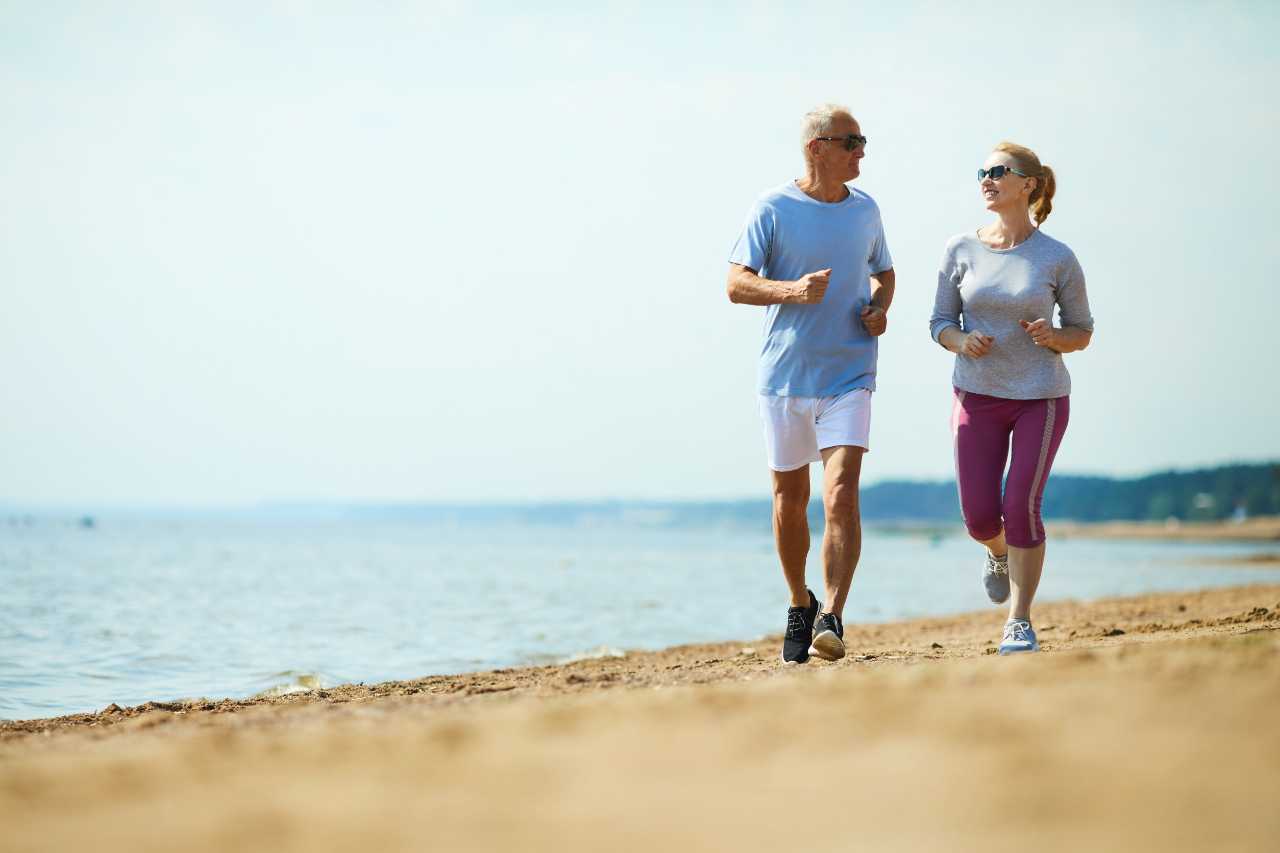
These publications reinforce the benefits of aerobic exercise and provide even more motivation to get out and break a sweat.
Benefits of exercise on cognitive function.
A study published in Journal of Neurology, Neurosurgery and Psychiatry determined that adults who exercise as little as one time per month have improved cognitive function (thinking and memory) later in life. The study followed a cohort of 1417 participants over a period of 33 years who were asked to periodically categorize their physical activity level. At age 69, participants were assessed and those who were the most active showed the highest cognition later in life. However, the study clearly showed that any level of activity had cognitive benefits, even when physical activity was minimal or began later in life.
Benefits of exercise on mental health disorders.
A review published in the British Journal of Sports Medicine examined the existing evidence on the effect of physical activity on depression, anxiety and psychological distress in adults. Over one thousand trials were looked at and the results showed that physical activity is “highly beneficial for improving symptoms of depression, anxiety and distress across a wide range of adult populations–including the general population, people with diagnosed mental health disorders and people with chronic disease.”
A 2018 review and meta-analysis, published in the journal Depression & Anxiety, looked at the association between aerobic exercise and major depressive disorder (MDD). The results of 11 qualifying studies were examined and it was determined that aerobic exercise had a significant anti-depressant effect and can be considered an effective intervention for MDD and other mental health disorders.
Benefits of exercise on chronic illness.
Another study, published in JAMA Network Open, found that sedentary lifestyles are as harmful to one’s health as having a chronic illness. Over the span of 23 years 122,000 adult patients underwent periodic stress testing to determine the link between mortality and aerobic exercise. The study found that better cardiorespiratory fitness was directly associated with longer life spans and better overall health, with the inverse also being true.
Look, we all know about the benefits of exercising, but we don’t always stick with it. These studies highlight the importance of daily movement for living longer and happier lives. Start slowly and find something you like and most importantly stick with it, consistency is the key to reaping the long-term benefits and safeguarding your health.
We are here for you, and we want to help.
Our goal is to return you to optimal health as soon as possible. To schedule an appointment please call: 703-532-4892 x2
By using potatoes for your crust in place of flour, you can make a beautiful and delicious gluten-free quiche that can be made to eat right away or in advance. Here’s a recipe for Potato Crusted Quiche.
1 bag Frozen Shredded Hash Browns, defrosted or 3 cups of grated potatoes
¼ cup parmesan, shredded or grated
2 tbsp butter, melted
6 large eggs
½ cup half and half
8 ounces breakfast sausage (vegetarian versions are available)
½ cup mushrooms, chopped
1 cup green onion (scallions), diced
¼ cup cheddar cheese, shredded
1/8 teaspoon paprika
½ teaspoon garlic powder
½ teaspoon sea salt
½ teaspoon pepper, freshly ground
Instructions
Preheat oven to 450 degrees
Grease a pie plate or 9 x 9 baking dish with oil or butter
Squeeze out excess liquid from shredded potatoes. Toss potatoes, parmesan, and butter in bowl until mixed thoroughly.
Press the potatoes into the baking dish to form the crust.
Bake the crust for 20 minutes.
While the crust is baking, cook the sausage, mushrooms, and the whites of the green onions. About 5-10 minutes, then allow to cool.
Whisk together the eggs and half and half in a medium bowl.
Stir cooked meat and veggies, green onions, and seasonings into egg mixture.
Pour egg mixture into the crust and bake for another 20-30 minutes.
Allow to cool and set up for about 10 minutes before serving.
You can serve immediately or cook in advance and re-heat for meal prep.
Notes
Potatoes:
You can use any potatoes of your liking such as russet, sweet, or red potatoes or omit the crust entirely
Dairy:
You can use any cheese you like or omit for dairy free. I recommend adding salt to the crust if not using parmesan.
You can substitute the butter with olive, avocado, or coconut oil for dairy free.
Half and half can be substituted with any milk or plant-based milk of choice.
Vegetables/Meat:
You can use any combination of veggies or meat that you have or opt for meat free for vegetarian option. The mixtures should total about 1-2 cups once it’s been cooked down.
Have you always wanted to work with a nutritionist? If you’re ready to optimize your diet for better health and overall wellness, give us a call to make an appointment at 703-532-4892.
















4 Brain Boosting Properties of Resveratrol
/in Inflammation, Nutrition/by Gary Kaplan, DOWhat do pistachios, peanuts, blueberries, and grapes have in common? In addition to providing a tasty snack, they are all sources of resveratrol, a naturally occurring substance found in certain plants that offers a number of health benefits to the brain!
Resveratrol is a type of phytoalexin, a substance produced by plant tissues that promotes disease resistance. Medical researchers are still exploring the mechanisms by which it works but it has clearly proven its impact on reducing inflammation in the central nervous system (inflammation of this nature is a major contributor to chronic pain, depression, and neurodegenerative diseases).
Sources of resveratrol
A well-balanced diet that includes lots of fruits, vegetables, and nuts is a wonderful way to obtain Resveratrol. Other food sources include mulberries, raspberries, red wine, pomegranates, dark chocolate, and soy beans.
Bioavailability
Successful in vivo studies (involving animals or humans) are limited but show promise. One reason for their limited success is that Resveratrol has low bioavailability. Merriam-Webster defines bioavailability as “the degree and rate at which a substance is absorbed into a living system or is made available at the site of physiological activity.” In other words, before our bodies are able to reap its benefits, Resveratrol is rapidly absorbed and eliminated. Researchers continue to look for ways to enhance its bioavailability through dosage concentrations and combinations with other compounds. For example, just as piperine can improve the bioavailability of curcumin, it may also improve the bioavailability of resveratrol. A 2020 study published in The Egyptian Rheumatologist concluded that “piperine administration concurrently with resveratrol potentiated the anti-inflammatory efficacy of resveratrol in arthritic-induced rats which could be attributed to the bio-enhancing activity of piperine”.
Questions? Give Us a Call!
703-532-4892 x2
Possible Clinical Applications of Resveratrol
Supplementing with Resveratrol
Resveratrol supplements are available in pure form or combined with other compounds. Dosages are typically somewhere between 5mgs and 5gms, depending on the individual’s medical condition.
* If you are considering taking a supplement, make sure to talk with your physician about possible interactions with other medicines.
In sum, Resveratrol is a powerful anti-oxidant with a demonstrated potential to nurture and even heal the brain. With many delightful sources available in food, supplementing with Resveratrol can ensure that our bodies get even more of this wonderful gift from nature!
We are here for you, and we want to help.
Our goal is to return you to optimal health as soon as possible. To schedule an appointment please call: 703-532-4892 x2
Additional References:
Bioavailability (n.d.) Merriam-Webster.com. Retrieved from //www.merriam-webster.com/dictionary/bioavailability.
Meng T, Xiao D, Muhammed A, Deng J, Chen L, He J. Anti-Inflammatory Action and Mechanisms of Resveratrol. Molecules. 2021 Jan 5;26(1):229. doi: 10.3390/molecules26010229. PMID: 33466247; PMCID: PMC7796143.
Jardim FR, de Rossi FT, Nascimento MX, da Silva Barros RG, Borges PA, Prescilio IC, de Oliveira MR. Resveratrol and Brain Mitochondria: a Review. Mol Neurobiol. 2018 Mar;55(3):2085-2101. doi: 10.1007/s12035-017-0448-z. Epub 2017 Mar 10. PMID: 28283884.
Bailey HH, Johnson JJ, Lozar T, Scarlett CO, Wollmer BW, Kim K, Havinghurst T, Ahmad N. A randomized, double-blind, dose-ranging, pilot trial of piperine with resveratrol on the effects on serum levels of resveratrol. Eur J Cancer Prev. 2021 May 1;30(3):285-290. doi: 10.1097/CEJ.0000000000000621. PMID: 32868637; PMCID: PMC7910313.
Regular Aerobic Exercise Allows for Longer, Happier Lives
/in Lifestyle, Mental Health, News, Wellness/by Kaplan CenterThese publications reinforce the benefits of aerobic exercise and provide even more motivation to get out and break a sweat.
Benefits of exercise on cognitive function.
A study published in Journal of Neurology, Neurosurgery and Psychiatry determined that adults who exercise as little as one time per month have improved cognitive function (thinking and memory) later in life. The study followed a cohort of 1417 participants over a period of 33 years who were asked to periodically categorize their physical activity level. At age 69, participants were assessed and those who were the most active showed the highest cognition later in life. However, the study clearly showed that any level of activity had cognitive benefits, even when physical activity was minimal or began later in life.
Benefits of exercise on mental health disorders.
A review published in the British Journal of Sports Medicine examined the existing evidence on the effect of physical activity on depression, anxiety and psychological distress in adults. Over one thousand trials were looked at and the results showed that physical activity is “highly beneficial for improving symptoms of depression, anxiety and distress across a wide range of adult populations–including the general population, people with diagnosed mental health disorders and people with chronic disease.”
Questions? Give Us a Call!
703-532-4892 x2
A 2018 review and meta-analysis, published in the journal Depression & Anxiety, looked at the association between aerobic exercise and major depressive disorder (MDD). The results of 11 qualifying studies were examined and it was determined that aerobic exercise had a significant anti-depressant effect and can be considered an effective intervention for MDD and other mental health disorders.
Benefits of exercise on chronic illness.
Another study, published in JAMA Network Open, found that sedentary lifestyles are as harmful to one’s health as having a chronic illness. Over the span of 23 years 122,000 adult patients underwent periodic stress testing to determine the link between mortality and aerobic exercise. The study found that better cardiorespiratory fitness was directly associated with longer life spans and better overall health, with the inverse also being true.
Look, we all know about the benefits of exercising, but we don’t always stick with it. These studies highlight the importance of daily movement for living longer and happier lives. Start slowly and find something you like and most importantly stick with it, consistency is the key to reaping the long-term benefits and safeguarding your health.
We are here for you, and we want to help.
Our goal is to return you to optimal health as soon as possible. To schedule an appointment please call: 703-532-4892 x2
Recipe: Potato Crusted Quiche
/in Nutrition/by Kaplan CenterBy using potatoes for your crust in place of flour, you can make a beautiful and delicious gluten-free quiche that can be made to eat right away or in advance. Here’s a recipe for Potato Crusted Quiche.
Ingredients
Instructions
You can serve immediately or cook in advance and re-heat for meal prep.
Notes
Potatoes:
Dairy:
Vegetables/Meat:
Have you always wanted to work with a nutritionist? If you’re ready to optimize your diet for better health and overall wellness, give us a call to make an appointment at 703-532-4892.
Have questions before you make an appointment? No problem! Give us a call, we’re here to help you.