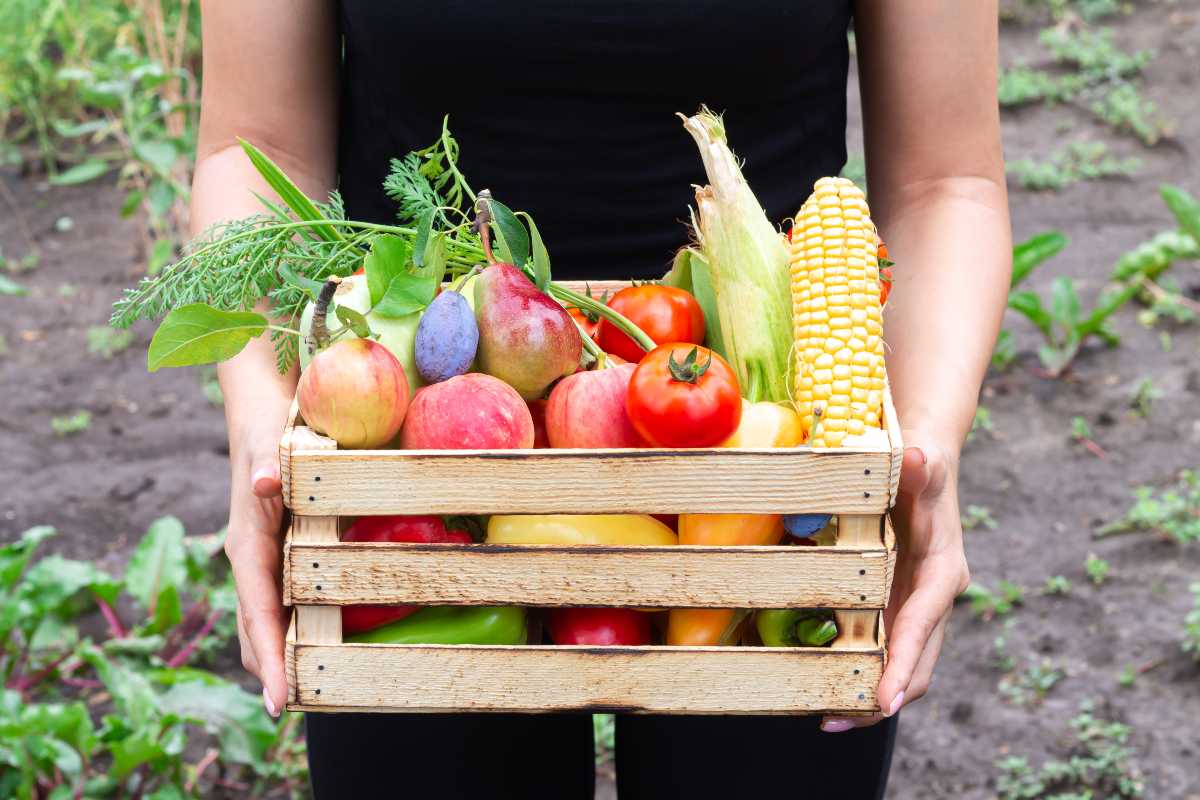
Several of our favorite fruits and vegetables made an unwanted appearance on Environmental Working Group’s (EWG) Dirty Dozen™ list yet again this year. Strawberries, spinach, apples, kale, and nectarines top the list, but you’ll find many more summertime favorites and lunchbox staples on it as well. If you’ve been trying to eat a rainbow of colors to improve your nutrition these fruits and veggies should be a welcome addition but finding them on EWG’s Dirty Dozen™ may have some of you saying, “no thanks”.
EWG’s Dirty Dozen™ is a shopper’s guide that ranks pesticide contamination of some of the most popular fruits and vegetables sold in the United States. According to EWG’s website, “the guide is based on test results by the Department of Agriculture and the Food and Drug Administration of around 45,000 samples of produce.” Their analysis finds that approximately 70% of non-organic produce carry pesticide residue even after they have been prepared to eat (i.e., peeling, scrubbing, rinsing).
Much like a produce PSA, the intent behind EWG’s list is simple: to provide you, the consumer, an educational tool that empowers you to make the most informed decisions for your health. EWG recommends that consumers choose to buy the organic versions of the Dirty Dozen™ whenever possible to the conventionally grown counterparts with the goal of lowering exposure to pesticides – and we agree.
Pesticides are toxins that over time can accumulate and have a poisonous effect on our physical and mental health. As toxins penetrate the blood-brain barrier they are free to circulate throughout the body, including the brain and other organs. Health risks from an accumulation of toxins are wide-ranging but can lead to very serious health issues, including brain fog, cognitive decline, cardiovascular disease, hormone disruption, and some forms of cancer.
We understand that for a variety of reasons, especially now as food prices are rising, buying organic is not always possible, but there are ways to limit your exposure. When weighing options, a diet of plentiful fruits and vegetables outweigh the risk of pesticide exposure.
Tips to limit pesticide exposure in produce:
Buy organic products that do not use harmful pesticides whenever possible. Local farmers’ markets and CSAs (Community Supported Agriculture) are also a great source of organic produce. To lower the cost of a CSA consider splitting the membership with a friend. When fresh produce is not necessary (i.e., for cooking) frozen organic produce is a great and more affordable alternative
Refer to EWG’s Clean Fifteen™ for an alternative selection of fruits and vegetables with the lowest concentration of pesticides (even when they are grown conventionally).
Before eating, wash your produce with this two-step method that uses natural solutions to properly remove pesticides as well as wax and harmful microbes.
Grow your own! If you have the time and space, pick a few of your favorites and start a container garden or raised bed. Not only will you reap the benefits of harvesting your own organic produce, but you may find it helps with managing stress and overall mental health.
In January Rebecca Berkson successfully climbed the highest single free-standing mountain in the world, Mount Kilimanjaro! Congratulations, Rebecca, on this amazing accomplishment!
We’re so happy that Rebecca decided to share her experience with us. Watch all her updates from her first days of training (see playlist at the bottom of this page) right through to the Closing Ceremonies.
Descent, Closing Ceremonies, and Safari
Though Rebecca’s Kilimanjaro adventure has come to an end, her memories will last a lifetime! Rebecca shares her final thoughts about her experience – the highs and the lows – and some great moments from the Closing Ceremonies and her post-climb safari.
Day 6: The Summit
After months of physical training and mental preparation Rebecca met her goal of climbing to Kilimanjaro’s summit! A true testament to what we can accomplish when we put our minds to it. Bravo, Rebecca!
Playlist – You can view all of Rebecca’s previous updates here:
Dr. Gary Kaplan and his co-chairs, Dr. Joseph Bellanti, and Dr. Amiram Katz, are hosting a three-day virtual medical conference, February 9-11, 2022, sponsored by Georgetown University and the Foundation for Total Recovery.
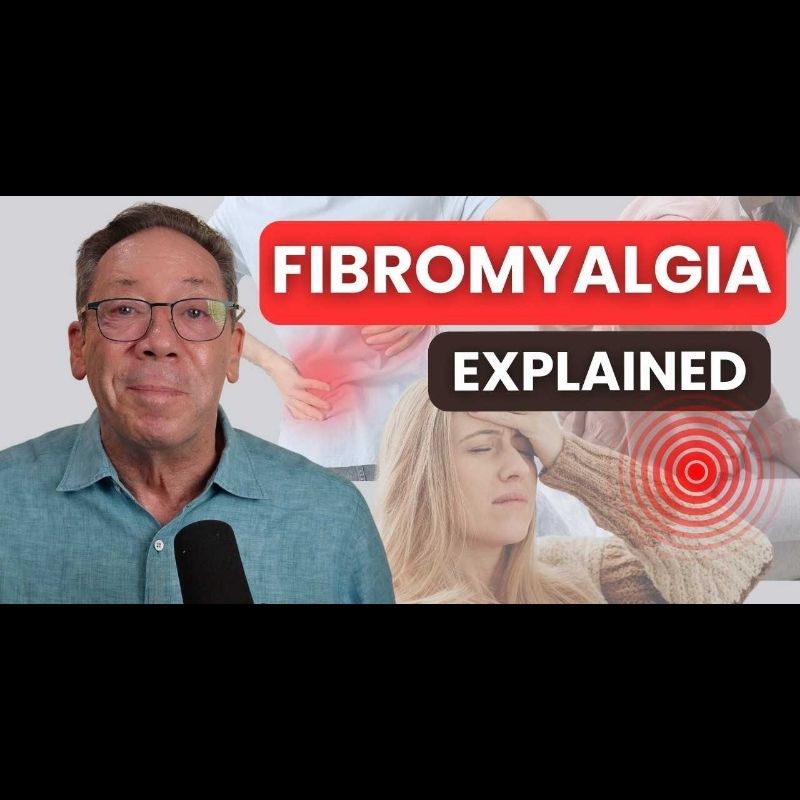
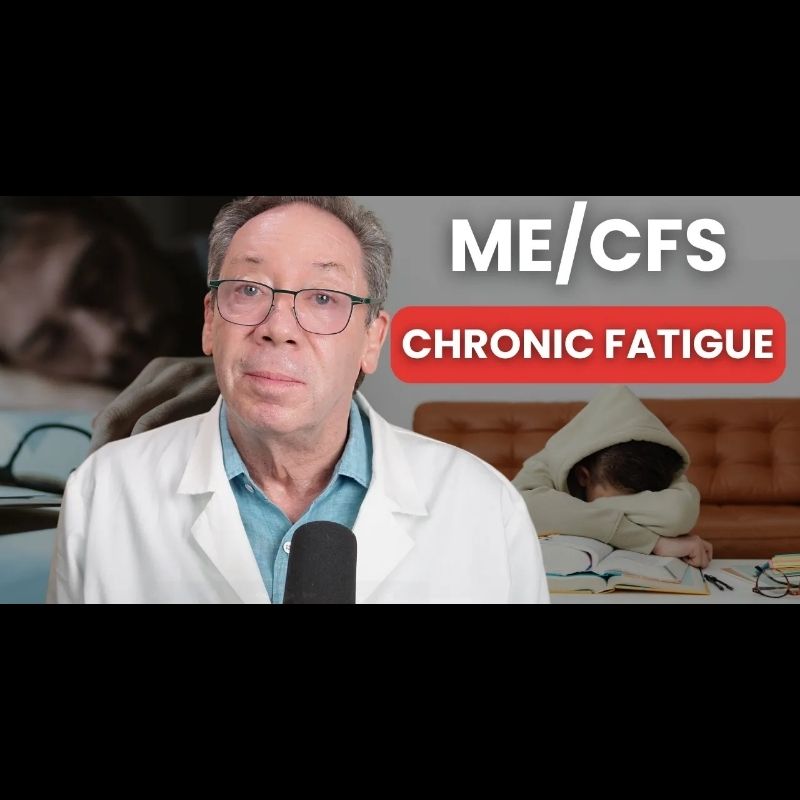
This conference is a critical and long overdue rethink of how we approach ME/CFS, neuropsychiatric disorders, PANS/PANDAS, chronic Lyme, fibromyalgia, and even long-haul COVID. These diseases need to be viewed through a different lens—that of immune dysregulation resulting in neuroinflammation. This is a radical paradigm shift, but necessary – especially if we want the best outcomes for patients.
Autoimmune Encephalopathy Secondary to Infectious Disease: A New Perspective on the Pathogenetic Interaction of the Immune System, Infection, Stress and Chronic Disease
WHEN: February 9-11
WHERE: Virtual, watch from the comfort of your home.
COST: $99.00 (Includes a post conference Q&A session on March 5th AND access to conference videos for 3 months.)
Don’t be intimidated by the title. Doctors need titles like this for the sake of research. If we had our way, we’d simply call it: “Completely reimagining the way we view, diagnose, and treat chronic illness.” It’s hope and healing through knowledge. And don’t worry, we’ll break everything down to make sure you leave empowered, not confused.





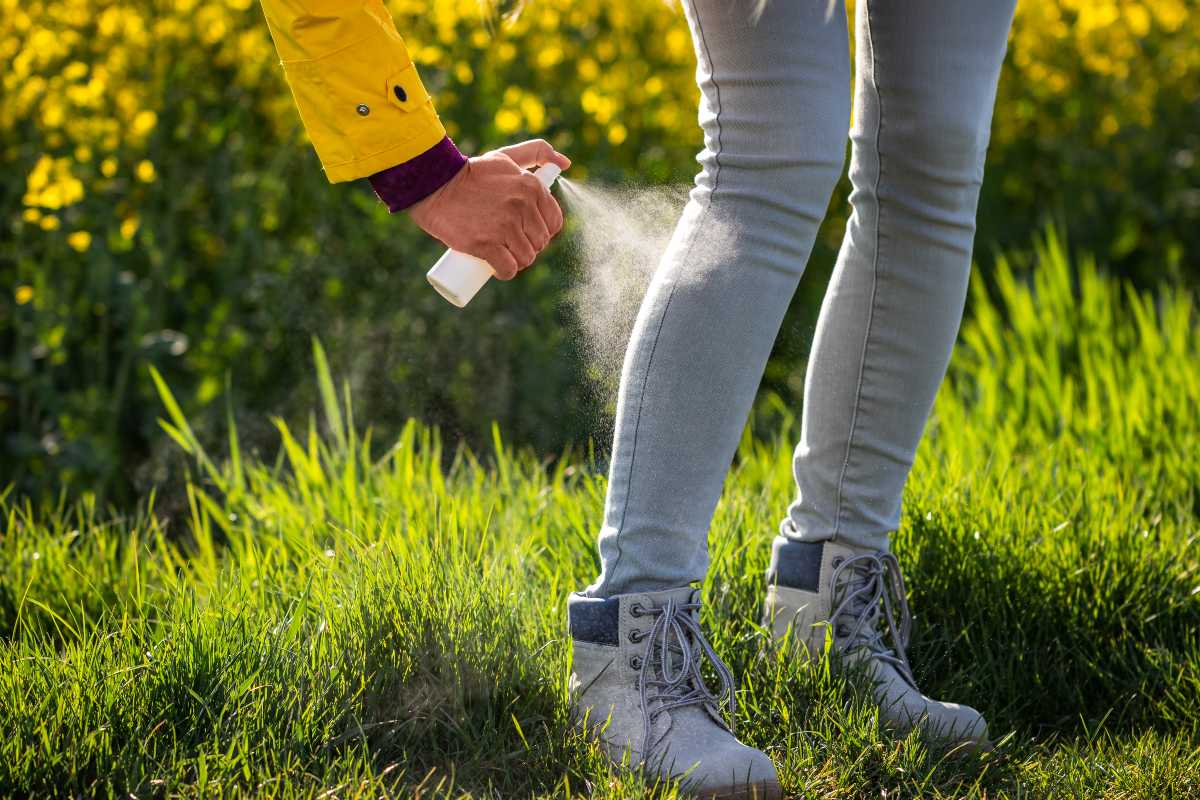


Minimizing Exposure to Pesticides on Produce
/in Nutrition, Toxicity, Wellness/by Kaplan CenterSeveral of our favorite fruits and vegetables made an unwanted appearance on Environmental Working Group’s (EWG) Dirty Dozen™ list yet again this year. Strawberries, spinach, apples, kale, and nectarines top the list, but you’ll find many more summertime favorites and lunchbox staples on it as well. If you’ve been trying to eat a rainbow of colors to improve your nutrition these fruits and veggies should be a welcome addition but finding them on EWG’s Dirty Dozen™ may have some of you saying, “no thanks”.
EWG’s Dirty Dozen™ is a shopper’s guide that ranks pesticide contamination of some of the most popular fruits and vegetables sold in the United States. According to EWG’s website, “the guide is based on test results by the Department of Agriculture and the Food and Drug Administration of around 45,000 samples of produce.” Their analysis finds that approximately 70% of non-organic produce carry pesticide residue even after they have been prepared to eat (i.e., peeling, scrubbing, rinsing).
Much like a produce PSA, the intent behind EWG’s list is simple: to provide you, the consumer, an educational tool that empowers you to make the most informed decisions for your health. EWG recommends that consumers choose to buy the organic versions of the Dirty Dozen™ whenever possible to the conventionally grown counterparts with the goal of lowering exposure to pesticides – and we agree.
Pesticides are toxins that over time can accumulate and have a poisonous effect on our physical and mental health. As toxins penetrate the blood-brain barrier they are free to circulate throughout the body, including the brain and other organs. Health risks from an accumulation of toxins are wide-ranging but can lead to very serious health issues, including brain fog, cognitive decline, cardiovascular disease, hormone disruption, and some forms of cancer.
We understand that for a variety of reasons, especially now as food prices are rising, buying organic is not always possible, but there are ways to limit your exposure. When weighing options, a diet of plentiful fruits and vegetables outweigh the risk of pesticide exposure.
Tips to limit pesticide exposure in produce:
Looking for a new recipe? Download and browse some of our staff’s favorites in our Recipe eBook: https://kaplanclinic.com/resources/recipe-ebook/
Road to Kilimanjaro: It’s a Wrap!
/in News/by Rebecca Berkson, L.Ac, Dipl.OMIn January Rebecca Berkson successfully climbed the highest single free-standing mountain in the world, Mount Kilimanjaro! Congratulations, Rebecca, on this amazing accomplishment!
We’re so happy that Rebecca decided to share her experience with us. Watch all her updates from her first days of training (see playlist at the bottom of this page) right through to the Closing Ceremonies.
Descent, Closing Ceremonies, and Safari
Though Rebecca’s Kilimanjaro adventure has come to an end, her memories will last a lifetime! Rebecca shares her final thoughts about her experience – the highs and the lows – and some great moments from the Closing Ceremonies and her post-climb safari.
Day 6: The Summit
After months of physical training and mental preparation Rebecca met her goal of climbing to Kilimanjaro’s summit! A true testament to what we can accomplish when we put our minds to it. Bravo, Rebecca!
Playlist – You can view all of Rebecca’s previous updates here:
Virtual Medical Conference February 9-11
/in Event, Long Covid/by Gary Kaplan, DODr. Gary Kaplan and his co-chairs, Dr. Joseph Bellanti, and Dr. Amiram Katz, are hosting a three-day virtual medical conference, February 9-11, 2022, sponsored by Georgetown University and the Foundation for Total Recovery.
Autoimmune Encephalopathy Secondary to Infectious Disease: A New Perspective on the Pathogenetic Interaction of the Immune System, Infection, Stress and Chronic Disease
WHEN: February 9-11
WHERE: Virtual, watch from the comfort of your home.
COST: $99.00 (Includes a post conference Q&A session on March 5th AND access to conference videos for 3 months.)
Don’t be intimidated by the title. Doctors need titles like this for the sake of research. If we had our way, we’d simply call it: “Completely reimagining the way we view, diagnose, and treat chronic illness.” It’s hope and healing through knowledge. And don’t worry, we’ll break everything down to make sure you leave empowered, not confused.
To learn more and register now, visit: www.hopehealingknowledge.com.