Uncover the complexities of inflammation in this informative episode of Wild Health Podcast featuring Dr. Mike Stone and special guest Dr. Gary Kaplan, DO.
In this episode, “Living an Anti-Inflammatory Lifestyle”, you’ll learn about:
practical interventions aimed at combating inflammation.
effective lifestyle adjustments and avenues for testing.
the role of narcolepsy, sleep apnea, and the role of meditation in sleep quality – and how they are all linked to inflammation.
the connection between nutrition and inflammation and actionable steps to identify inflammation-inducing foods
how supplementation can address inflammation head-on.
the profound influence of inflammation on brain function.
inflammations impact on the mind.
We are here for you, and we want to help.
Our goal is to return you to optimal health as soon as possible. To schedule an appointment please call: 703-532-4892 x2
Dr. Gary Kaplan was recently interviewed on The Health Fix podcast, hosted by Dr. Jannine Krause, aka “Dr. J”.
Episode #397: How chronic illnesses provoke the body to attack you vs. the bug
The effects of bacteria, viruses, parasites, molds, and other infections can linger in the body long after the infection. These molecules of invaders can trigger your body to attack itself. This is a common phenomenon that has been going on for a long time but has been gaining publicity with long-haul symptoms since the pandemic. Turns out viruses aren’t the only bugs causing long-haul syndromes. In this episode of The Health Fix, Dr. J interviews Dr. Kaplan on how to identify if your chronic symptoms are related to lingering effects of previous infections.
You can access the podcast via any podcast streaming website/app (Apple Podcast link below).
What You’ll Learn:
Why chronic fatigue is a sign of brain inflammation
20-50% of people do not make enzymes to neutralize mold toxins
How pieces of the bugs that you get infections from cause inflammation in your body
Why mold, Lyme, strep, viral infections, and parasites could be keeping you sick
How mental health issues can be related to chronic infections, especially in kids
Tests commonly used to sleuth out chronic infections
The connection between sleep apnea and chronic illness
How to test yourself for the autoimmune condition POTS by taking your blood pressure
There are over 20 million Americans suffering from a group of chronic disabling disorders who are diagnosed without a clear elucidation of pathophysiologic mechanisms. Fibromyalgia, Myalgic Encephalomyelitis/ Chronic Fatigue Syndrome (ME/CFS), Neuropsychiatric illnesses, Posttreatment Lyme Syndrome, Pediatric Acute on Neuropsychiatric Syndrome (PANDAS/PANS).
Adding to this massive disease burden the CDC now estimates that of the 40% of Americans who were infected with COVID-19 1 in 5 continue to suffer with what is now referred to as Post-acute sequelae of COVID (PASC). Research has demonstrated that common to all of these conditions is dysregulation of the immune system resulting from an infectious insult. Dramatic advances have occurred in our understanding of all of these conditions as a result of COVID. We are entering an incredibly exciting period in medicine where these diseases are beginning to coalesce around an understanding of shared pathophysiology. We are entering a period of true hope for those millions who are suffering where we will finally be able to provide comprehensive solutions for their illness.
This conference will bring together some of the leading researchers and clinicians from around the world to discuss the advances in our understanding of these conditions and breakthroughs in diagnostic and treatment options.
The peripheral nervous system includes the nerves that lead from the brain and spinal cord throughout the body. There are several different types of peripheral nerves including motor nerves, which carry messages that make our muscles work; sensory nerves, which carry sensations from our skin, muscles, and organs including touch, temperature, vibration, and pain; and nerves that control autonomic function (involuntary) such as heart rate, breathing, blood pressure, and digestion. Peripheral neuropathy is a term used to describe damage to these peripheral nerves.
Symptoms of peripheral neuropathy depend on what types of peripheral nerves have been damaged but typically can include numbness, tingling, pain, and weakness, as well as digestive difficulties and bladder dysfunction. The peripheral nerves most commonly damaged are those that deal with sensation, therefore the most common symptom of people suffering from peripheral neuropathy is pain, which can unfortunately be quite severe.
Damage to the peripheral nerves can be caused by many conditions, including:
Autoimmune diseases such as Celiac disease, pernicious anemia
Alcohol abuse
Side effects from medications (chemotherapy, for example)
Metabolic disorders such as diabetes, hypothyroidism, and nutritional /vitamin deficiencies
Trauma
Hereditary disorders such as Charcot-Marie-Tooth (CMT) disease.
Treating Peripheral Neuropathy
Treatment is first and foremost aimed at addressing the underlying cause and finding the appropriate solution to resolve and/or manage it. Unfortunately, in approximately 30% of the cases, an underlying cause cannot be identified, and this is called idiopathic peripheral neuropathy.
The next goal of treatment is to alleviate pain and preserve function. In our Center, we typically start with acupuncture and herbal supplements that stimulate the body’s natural healing process. Both of these therapies have been very effective for a large number of our patients over the years. Physical therapy can also be helpful. Topical medications such as lidocaine patches or creams that we have compounded specially for our patients are our next line of therapy.
Next, we consider the use of antidepressant medications such as amitriptyline or nortriptyline, or anticonvulsant medications such as gabapentin or Lyrica, as both types of medications can be helpful in moderating pain by altering neurotransmission in the peripheral nervous system. All of these medications have potential side effects, and unfortunately, none of the therapies are 100% effective.
For those who are diabetic, management of blood sugar is crucial to control the progression of the neuropathy. There are several supplements such as magnesium and chromium picolinate that might be helpful as people who have diabetes are typically low in both. Also, there is a significantly higher risk of celiac disease and thyroid disease in people who have Type-1 diabetes. If you have not already been evaluated for these diseases, you need to be tested. A simple blood test can be done for both conditions.
Peripheral neuropathy can also put you at higher risk of injury from a fall and other types of accidents. Ask a family member or friend to help you organize your home in a way that minimizes clutter and keeps walking areas open.
Peripheral neuropathy can improve with time if the underlying condition is addressed, but unfortunately in some cases, the damage may become permanent. If you’re suffering from nerve pain don’t delay talking to your provider about your symptoms. A healthy lifestyle combined with a holistic treatment approach can improve the physical and emotional effects of peripheral neuropathy and help you re-engage in life.
We are here for you, and we want to help.
Our goal is to return you to optimal health as soon as possible. To schedule an appointment please call: 703-532-4892 x2
This article was originally published in May 2015. It was reviewed and updated in September 2023.




















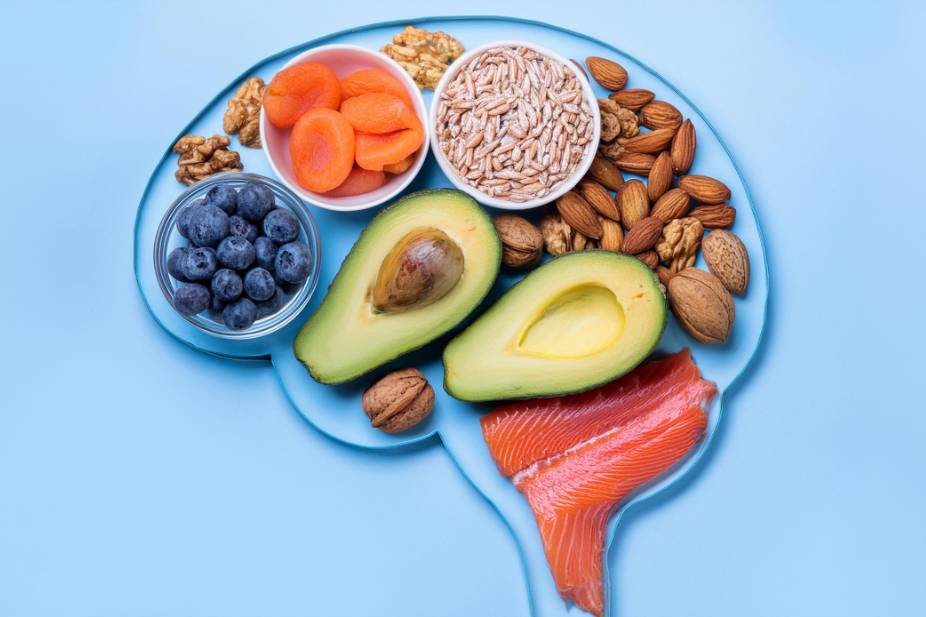

LISTEN NOW: Living an Anti-Inflammatory Lifestyle with Dr. Gary Kaplan
/in News, Wellness/by Kaplan CenterUncover the complexities of inflammation in this informative episode of Wild Health Podcast featuring Dr. Mike Stone and special guest Dr. Gary Kaplan, DO.
In this episode, “Living an Anti-Inflammatory Lifestyle”, you’ll learn about:
We are here for you, and we want to help.
Our goal is to return you to optimal health as soon as possible. To schedule an appointment please call: 703-532-4892 x2
LISTEN NOW: Dr. Gary Kaplan on infections and chronic illness
/in Long Covid, Wellness/by Kaplan CenterDr. Gary Kaplan was recently interviewed on The Health Fix podcast, hosted by Dr. Jannine Krause, aka “Dr. J”.
Episode #397: How chronic illnesses provoke the body to attack you vs. the bug
The effects of bacteria, viruses, parasites, molds, and other infections can linger in the body long after the infection. These molecules of invaders can trigger your body to attack itself. This is a common phenomenon that has been going on for a long time but has been gaining publicity with long-haul symptoms since the pandemic. Turns out viruses aren’t the only bugs causing long-haul syndromes. In this episode of The Health Fix, Dr. J interviews Dr. Kaplan on how to identify if your chronic symptoms are related to lingering effects of previous infections.
You can access the podcast via any podcast streaming website/app (Apple Podcast link below).
What You’ll Learn:
There are over 20 million Americans suffering from a group of chronic disabling disorders who are diagnosed without a clear elucidation of pathophysiologic mechanisms. Fibromyalgia, Myalgic Encephalomyelitis/ Chronic Fatigue Syndrome (ME/CFS), Neuropsychiatric illnesses, Posttreatment Lyme Syndrome, Pediatric Acute on Neuropsychiatric Syndrome (PANDAS/PANS).
Adding to this massive disease burden the CDC now estimates that of the 40% of Americans who were infected with COVID-19 1 in 5 continue to suffer with what is now referred to as Post-acute sequelae of COVID (PASC). Research has demonstrated that common to all of these conditions is dysregulation of the immune system resulting from an infectious insult. Dramatic advances have occurred in our understanding of all of these conditions as a result of COVID. We are entering an incredibly exciting period in medicine where these diseases are beginning to coalesce around an understanding of shared pathophysiology. We are entering a period of true hope for those millions who are suffering where we will finally be able to provide comprehensive solutions for their illness.
This conference will bring together some of the leading researchers and clinicians from around the world to discuss the advances in our understanding of these conditions and breakthroughs in diagnostic and treatment options.
For more info and to register, visit https://medstar.cloud-cme.com/course/courseoverview?P=0&EID=20362
Treating Peripheral Neuropathy
/in Treatments/by Gary Kaplan, DOThe peripheral nervous system includes the nerves that lead from the brain and spinal cord throughout the body. There are several different types of peripheral nerves including motor nerves, which carry messages that make our muscles work; sensory nerves, which carry sensations from our skin, muscles, and organs including touch, temperature, vibration, and pain; and nerves that control autonomic function (involuntary) such as heart rate, breathing, blood pressure, and digestion. Peripheral neuropathy is a term used to describe damage to these peripheral nerves.
Symptoms of peripheral neuropathy depend on what types of peripheral nerves have been damaged but typically can include numbness, tingling, pain, and weakness, as well as digestive difficulties and bladder dysfunction. The peripheral nerves most commonly damaged are those that deal with sensation, therefore the most common symptom of people suffering from peripheral neuropathy is pain, which can unfortunately be quite severe.
Damage to the peripheral nerves can be caused by many conditions, including:
Treating Peripheral Neuropathy
Treatment is first and foremost aimed at addressing the underlying cause and finding the appropriate solution to resolve and/or manage it. Unfortunately, in approximately 30% of the cases, an underlying cause cannot be identified, and this is called idiopathic peripheral neuropathy.
The next goal of treatment is to alleviate pain and preserve function. In our Center, we typically start with acupuncture and herbal supplements that stimulate the body’s natural healing process. Both of these therapies have been very effective for a large number of our patients over the years. Physical therapy can also be helpful. Topical medications such as lidocaine patches or creams that we have compounded specially for our patients are our next line of therapy.
Next, we consider the use of antidepressant medications such as amitriptyline or nortriptyline, or anticonvulsant medications such as gabapentin or Lyrica, as both types of medications can be helpful in moderating pain by altering neurotransmission in the peripheral nervous system. All of these medications have potential side effects, and unfortunately, none of the therapies are 100% effective.
For those who are diabetic, management of blood sugar is crucial to control the progression of the neuropathy. There are several supplements such as magnesium and chromium picolinate that might be helpful as people who have diabetes are typically low in both. Also, there is a significantly higher risk of celiac disease and thyroid disease in people who have Type-1 diabetes. If you have not already been evaluated for these diseases, you need to be tested. A simple blood test can be done for both conditions.
Peripheral neuropathy can also put you at higher risk of injury from a fall and other types of accidents. Ask a family member or friend to help you organize your home in a way that minimizes clutter and keeps walking areas open.
Peripheral neuropathy can improve with time if the underlying condition is addressed, but unfortunately in some cases, the damage may become permanent. If you’re suffering from nerve pain don’t delay talking to your provider about your symptoms. A healthy lifestyle combined with a holistic treatment approach can improve the physical and emotional effects of peripheral neuropathy and help you re-engage in life.
We are here for you, and we want to help.
Our goal is to return you to optimal health as soon as possible. To schedule an appointment please call: 703-532-4892 x2
This article was originally published in May 2015. It was reviewed and updated in September 2023.