• 703-532-4892
  • New Patients
  • Patient Portal
Kaplan Center for Integrative Medicine : McLean, Virginia
  • Conditions
    • Long-COVID Syndrome
    • Alzheimer’s Disease & Cognitive Decline
    • PANS & PANDAS
    • Lyme Disease
    • Small Intestinal Bacterial Overgrowth (SIBO)
    • Fibromyalgia
    • Heavy Metal Toxicity
    • Hormonal Imbalances
    • Mold Toxicity
    • Myalgic Encephalomyelitis/Chronic Fatigue Syndrome
    • Neurotoxicity
    • Thyroid Disorders
    • All Conditions
  • Services
    • Therapeutic Plasma Exchange (TPE)
    • Longevity Services
    • Long-COVID Recovery Services
    • Acupuncture
    • Detoxification Protocol
    • Herbal Remedies & Nutritional Supplements
    • Hormone Replacement Therapy
    • IV Therapy
    • Niagen+ (NR) IV Therapy
    • Nutritional Testing, Counseling & Coaching
    • Physical Therapy
    • Psychotherapy, EMDR & Guided Meditation
    • Telemedicine
    • All Treatments
  • Providers
    • Gary Kaplan
    • Lisa Lilienfield
    • Rebecca Berkson
    • Jeanne Scheele
    • Patricia Alomar
    • Jessica Briscoe Coleman
    • Jodi Brayton
    • Chardonée Donald
    • All Providers
  • About
    • Why Kaplan Center?
    • The Kaplan Method®
    • Integrative Medicine
    • Dr. Gary Membership
    • Our Support Team
    • Financial FAQs
    • Provider Fees
    • Our Goal
    • Patient Testimonials
  • Resources
    • Health & Wellness Blog
    • Events
    • Featured Press
    • Featured Podcasts and Webinars
    • Videos
    • Books
    • eBooks
    • Professional Resources
  • Store
  • Contact
  • 703-532-4892
  • Click to open the search input field Click to open the search input field Search
  • Menu Menu

Tag Archive for: depression

Posts

Group Of Smiling Senior Friends Walking Arm In Arm Along Shoreline Of Winter Beach

The Daily Practices That Sustain Vitality and Increase Longevity

March 10, 2026/in Longevity, Wellness/by Gary Kaplan, DO

By Dr. Gary Kaplan, for She Rises Studios

Vitality isn’t about chasing extremes or quick fixes. It’s about treating the whole person rather than isolated symptoms, and lasting well-being or longevity comes from small, consistent habits that support the brain, body, and nervous system together.

The daily habits that most improve vitality and longevity

One of the most powerful habits for boosting energy and vitality is nurturing meaningful connections through community. Whether it’s a group of close friends, supportive family members, or a network of like-minded peers, regularly engaging with others provides emotional support, a sense of belonging, and opportunities for shared joy. Numerous studies have shown that social isolation and lack of meaningful interpersonal relationships are strongly linked to increased risk of dementia, depression, and other cognitive challenges as we age. Maintaining social ties help buffer stress, elevate mood, and even strengthen the immune system.

Prioritizing community is about cultivating genuine relationships, engaging in open conversations, and participating in shared activities. This could look like weekly gatherings, volunteering, joining interest-based groups, or simply making time for regular phone calls and check-ins.

A close second to building community would be prioritizing restorative sleep. Sleep is when the brain clears metabolic waste, the immune system recalibrates, and hormones regulating appetite, mood, and inflammation are balanced. Without adequate sleep, even the best diet or exercise routine struggles to deliver results.

People should think of sleep as an active biological process rather than passive downtime. A consistent bedtime, exposure to morning light, reduced evening screen use, and calming pre-sleep rituals all signal safety to the nervous system. Over time, this rhythm supports cognitive clarity, metabolic health, and a foundation for long-term vitality and longevity that allows the body to repair and regenerate rather than simply cope.

Maintaining energy and balance under stress

Chronic stress is one of the fastest ways to drain energy. Stress isn’t just psychological, it’s physiological. When the nervous system remains stuck in “fight or flight,” inflammation rises, digestion slows, and energy production falters.Women practicing pranayama in yoga studio

To counter this, it’s important to practice daily nervous-system regulation. These can be as simple as slow diaphragmatic breathing, brief mindfulness sessions, gentle movement, or spending time in nature. The goal isn’t to eliminate stress but to teach the body how to return to balance more efficiently.

Equally important is fueling the body with healthy nutrition and hydration. Skipping meals, relying on sugar or caffeine, and under-recovering from exercise all compound stress. By supporting blood sugar stability, movement variability, and emotional awareness, people can preserve energy even during demanding seasons of life, and create an internal environment for resilience rather than burnout.

One wellness myth worth letting go

One of the most persistent myths is the idea that more is always better, more exercise, more supplements, more restriction. In reality, overdoing “healthy” behaviors often increases inflammation and stress, especially when people ignore pain, fatigue, or poor sleep in the name of discipline.

Personalization is key when beginning a wellness journey with the goal of increasing vitality and longevity. What energizes one person may exhaust another. Wellness isn’t about punishment or perfection; it’s about responsiveness. Learning to listen to the body’s signals allows people to adjust before small imbalances become chronic issues.

True health comes from consistency, adaptability, and self-awareness, not extremes. When people release the myth that health requires constant pushing, they open the door to a more sustainable approach to longevity, one that supports both performance and peace.

Finally, vitality grows from daily choices that calm the nervous system, support recovery, and honor individuality. When sleep, stress regulation, and self-compassion become non-negotiables, long-term well-being follows naturally.

We are here for you, and we want to help.

Our goal is to return you to optimal health as soon as possible. To schedule an appointment please call: 703-532-4892 x2


New Study Confirms Efficacy of Cunningham Panel(TM) on diagnosing and treating Autoimmune Encephalopathy

PANS/PANDAS – When Sudden Symptoms Signal Something More

October 9, 2025/in News, Treatments/by Kaplan Center

Today, on PANS/PANDAS Awareness Day, we call attention to two infection-induced autoimmune conditions that appear suddenly in young children and can cause a drastic disruption to their normal neurologic functioning.

Parents report that symptoms appear “almost overnight” causing confusion and distress for both parents and child. Symptoms include the sudden onset of OCD (Obsessive Compulsive Disorder), motor tics, hyperactivity, depression, memory problems, sleep disturbances, anorexia, and urinary problems.

While both conditions share highly similar symptoms, their causes differ. PANS is triggered by a variety of infections (bacterial and viral), while PANDAS is more specifically associated with the body’s immune response to Group A Streptococcal infection. Because the symptoms mimic psychiatric disorders, children with PANS and PANDAS are often misdiagnosed and treated as having a psychiatric condition rather than an auto-immune condition which requires vastly different treatment courses.

In 2020, a study co-authored by Dr. Kaplan was published in the Journal of Neuroimmunology. The study looked at The Cunningham Panel (a panel of laboratory tests created to assist clinicians in diagnosing autoimmune neuropsychiatric disorders) as a valuable diagnostic tool for PANS/PANDAS—and Dr. Kaplan’s work continues today through the Foundation for Total Recovery. Current initiatives include improving emergency room protocols so first responders and healthcare workers are better equiped and better educated in identifying and treating PANS/PANDAS patients.

If you are a caregiver and suspect your child may be affected, seek professional help today. There IS HOPE for children with PANS/PANDAS; with the right medical support, symptoms can improve—and families can heal.

We are here for you, and we want to help.

Our goal is to return you to optimal health as soon as possible. To schedule an appointment please call: 703-532-4892 x2
Read the study –>> STUDY: Evaluation of the Cunningham Panel™ in ..

beating burnout

Beating Burnout, A Nutritionist’s Perspective

October 1, 2025/in Wellness/by Chardonée Donald, MS, CBHS, CHN, CNS, LDN

Life can be difficult to manage on a daily basis for many people. Between never-ending tasks, work responsibilities, and family obligations, trying to then get—and stay— healthy all at the same time can be a lot. It IS a lot! If we are not careful to balance our lives in a healthy manner, we will end up overloaded, overworked, and over-stimulated—all of which can lead to burnout.

Burnout is not just about doing too much in our lives, it is also about being depleted emotionally, mentally, and physically. When stress levels increase, nutrients are depleted, and if we do not work hard to replenish those nutrients our bodies will stay in a constant state of fight or flight.

What is burnout?

Merriam-Webster defines burnout as “exhaustion of physical or emotional strength or motivation usually as a result of prolonged stress or frustration”.

Depression vs Burnout

There are currently debates on whether depression and burnout are the same. While they are both similar and their symptoms overlap, they are not the same.

When you look at what they have in common, research shows that there are strong similarities in loss of energy, emotional exhaustion, impaired concentration, and low motivation.

There are shared risk factors such as poor recovery (sleep, rest), and chronic stress linked to high job/home life demands and prolonged adversity.

Finally, depression and burnout are similar in a lower quality of life, getting sick frequently, and poor occupational functioning for those who are affected.

How do they differ?

Studies also show the key differences between depression and burnout. Burnout is primarily job-related, whereas depression can be due to a broader range of factors such as work, social life, or home life.

Clinical cases of depression also showpersistent (pervasive) low mood, suicidal ideations (in severe cases), and anhedonia (lack of pleasure). On the other hand, while burnout may present with depressive features, it is largely improved with a change of environment.

Lastly, people who have depression tend to withdraw socially. Whereas people experiencing burnout are not typically socially withdrawn.

The biggest takeaway? While the causes of depression and burnout differ, burnout can lead to clinical depression.

How do I know which one I have?

If you are feeling overwhelmed on a day to day basis, the most important thing to remember is that you are not alone and there are many options to help you manage. Don’t delay talking to your medical provider so they can help assess your situation and discuss what steps you need to take to lighten the load you are carrying.

What nutrients should I be concerned about?

Refueling the body is important when it comes to burnout. Below are nutrients that can help make a difference.

  • Magnesium – Stress depletes magnesium quickly and can leave you feeling exhausted, tense, and restless. Foods such as black beans, dark chocolate, pumpkin seeds, almonds, and spinach should be added into your diet/lifestyle.
  • Vitamin D – Most adults are already low in vitamin D. Low levels can lower your mood, contribute to poor immune health, and worsen fatigue. You can find vitamin D in salmon, fortified plant milks, and in sunlight.
  • Zinc – Zinc aids the body in handling stress and supporting immunity. Zinc can be found in beef, chickpeas, cashews, oysters, and pumpkin seeds.
  • Omega-3 Fatty Acids – Omegas are used for many things in the body, but it is also used for mental clarity. The healthy fats help to support the brain and calm inflammation. It helps with keeping emotions steady, focus, and memory. Omegas are found in salmon, chia seeds, walnuts, flaxseeds and sardines.
  • Protein – Protein helps with focus and stability. It helps to balance out blood sugar, helps to stabilize energy needs throughout the day and builds neurotransmitters. Healthier forms of protein can be found in chicken, legumes, eggs, fish, and some plant based protein powders.
  • Iron – If iron is depleted in the body it can lead to exhaustion and weakness even when you are getting enough rest. When there is not enough iron in the body it can also mean that oxygen is not being delivered throughout the body as well. Iron can be found in pumpkin seeds, beef, spinach, lentils and tofu. It should also be paired with vitamin C for better absorption.

Lastly, hydration is key! Fatigue can also be due to the body becoming dehydrated. Increasing water intake is imperative. If water does not seem to do the trick, having IV hydration is also an option that can be done outpatient or in offices such as The Kaplan Center.

If you would like to have a conversation with our Nutritionist and one of our amazing doctors to see how we can help to bring balance to your life, please call 703-532-4892 for an appointment or use this contact form to send us a message.

We are here for you, and we want to help.

Our goal is to return you to optimal health as soon as possible. To schedule an appointment please call: 703-532-4892 x2

References:
Tavella, G., Hadzi-Pavlovic, D., Bayes, A., Jebejian, A., Manicavasagar, V., Walker, P., & Parker, G. (2023). Burnout and depression: Points of convergence and divergence. Journal of Affective Disorders, 339, 561–570. https://doi.org/10.1016/j.jad.2023.07.095

PAIN-AWARENESS-MONTH

September is Pain Awareness Month

September 1, 2025/in News, Wellness/by Kaplan Center

In 2001, Pain Awareness Month was established with the goal of raising public awareness of all the issues related to pain and pain management. This hits close to home for all of us at the Kaplan Center for Integrative Medicine as we have been seeing and treating patients with chronic pain and illness for more than thirty years.

Healthcare organizations across the country take the lead with public campaigns and encouragement for individual chronic pain sufferers to be vocal about the challenges that affect their physical and emotional well-being. And with over 100 million people in this country living with chronic pain and depression, we must remember that we are all touched by chronic pain.

How can you make a difference? Here are some simple ideas on how you can get involved:

  1. Share your story. Talk about your relationship with pain to a friend, loved one, physician, or support group. Sharing your experience can educate others, and knowing you are not alone is crucial for maintaining your emotional well-being.
  2. Get social. Follow one of the many chronic pain health organizations online. By sharing information on treatments, new research, and personal experiences within your network you are reaching a vast audience in mere seconds. Check out our Facebook and Instagram pages which posts news on the latest research and supplements, provider insights, and health tips.
  3. Participate in or organize a fundraiser. Many nonprofit pain organizations host annual fundraisers in a variety of formats. From Fun Runs/Walks to auctions there is something for everyone to be able to participate in. For those who are more ambitious, many sites have information on how to become an organizer in your local community.
  4. Volunteer your time. Most non-profits can use an extra hand and will have a variety of ways to volunteer your time. Inquire about ways to help in fundraising, promotion/marketing, administrative help, or even peer mentoring. Evidence suggests that people living with chronic pain may even experience an improvement in symptoms when participating in volunteer opportunities.
  5. Make a donation. There are so many organizations dedicated to the study of chronic pain. If you know someone suffering from a chronic pain condition, consider making a donation to a non-profit related to his or her condition. In 2015, Dr. Gary Kaplan established the Foundation for Total Recovery in order to provide support and find a cure for all who suffer from chronic pain and depression by educating patients, partnering with leading researchers, academics, and innovators, and studying data to find a baseline approach to diagnosing and curing neuro-inflammation. Other leading non-profits to consider include the U.S. Pain Foundation, the American Chronic Pain Organization, the National Fibromyalgia & Chronic Pain Association (NFMCPA), and the American Academy of Pain Medicine.
  6. Practice Self-Care and Empowerment. Most importantly, if you live with chronic pain, use this month as motivation to try new wellness practices, connect with a specialist, or join a support group. Remember: raising awareness starts with taking care of yourself, too.
Human_Optimization_Podcast

LISTEN NOW: Why You Are Still Sick

December 4, 2023/in Long Covid, Wellness/by Kaplan Center

Dr. Kaplan was a recent guest on the Human Optimization Podcast with host Lisa Pitel Killah, BCHHP, FDN-P, hTMAP.

In this podcast, Dr. Kaplan and Lisa discuss

  • How inflammation influences chronic pain and depression/anxiety symptoms
  • What are “microglia”, how they influence inflammation, and what sets them off
  • How stress and adverse events in childhood can impact your immune system
  • What it means to have a brain on fire
  • The importance of finding the root cause(s) of your symptoms to get to the bottom of why you are still sick
  • Supplements and medications that are effective in treating long COVID and other chronic illnesses
  • The importance of a healthy gut and good sleep hygiene, and so much more!

Listen now: Episode #77: Why You Are Still Sick


We are here for you, and we want to help.

Our goal is to return you to optimal health as soon as possible. To schedule an appointment please call: 703-532-4892 x2
LessStressedLifePodcast_FI

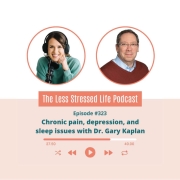
LISTEN NOW: Depression, Sleep Issues, and Chronic Pain

November 13, 2023/in Long Covid, Wellness/by Kaplan Center

Dr. Gary Kaplan was a recent guest on the Less Stressed Life Podcast with Christa Biegler, RD.

In this episode, Dr. Kaplan and Christa discuss all things infections, immune system, and inflammation. They take a deep dive into everything from depression to fibromyalgia, give insight into how all of these chronic problems manifest, and how to potentially help them get better.

Discussion highlights:

  • What drives the inflammatory process
  • What are strategies for down-regulating microglial activation?
  • What products can you use for pain, depression, & sleep?
  • What is neuroinflammation
  • Unhealthy gut equals unhealthy brain
  • What is long COVID?
  • Surprising facts of social isolation
  • Why it’s important to look at adverse events during childhood
  • Sleep and its effect on the brain

Praise for Dr. Kaplan’s book – Why You Are Still Sick: How Infections Can Break Your Immune System & How You Can Recover

“Gary Kaplan is not only a pioneer in his field, he’s a badass who is changing the face of medicine. This book holds everything I wish I knew twenty years ago about autoimmunity. It’s an incredible resource for anyone with chronic pain and illness. It will bring hope and health to so many people.”

– Dave Asprey, founder, Bulletproof 360


LISTEN NOW: Dr. Gary Kaplan on Me&My Health Up Podcast

August 1, 2023/in Press, Wellness/by Kaplan Center

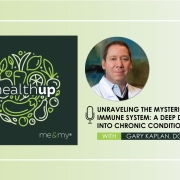
Dr. Gary was a recent guest on Me&My Health Up podcast with Anthony Archer. This episode is a must-listen for anyone interested in understanding the immune system’s role in chronic conditions and how to maintain a robust immune system!

EPISODE 168: Unraveling the Mysteries of the Immune System: A Deep Dive into Chronic Conditions with Dr. Gary Kaplan

  • Are you curious about how your immune system plays a role in chronic conditions?
  • Ever wondered why some people recover quickly from illnesses while others struggle with prolonged symptoms?

In this episode, Dr. Gary Kaplan sheds light on how infections can trigger your immune system, often leaving it in a rogue state that contributes to chronic illnesses. He  also discusses the role of inflammation in the brain or neuroinflammation, a common factor in chronic pain and depression.

Praise for Dr. Kaplan’s book – Why You Are Still Sick: How Infections Can Break Your Immune System & How You Can Recover

“Gary Kaplan is not only a pioneer in his field, he’s a badass who is changing the face of medicine. This book holds everything I wish I knew twenty years ago about autoimmunity. It’s an incredible resource for anyone with chronic pain and illness. It will bring hope and health to so many people.”

– Dave Asprey, founder, Bulletproof 360

Lucas-Rockwood-Show

LISTEN NOW: Dr. Gary Kaplan on The Lucas Rockwood Show

July 18, 2023/in Press, Wellness/by Gary Kaplan, DO

Dr. Gary was a recent guest on The Lucas Rockwood Show.

Episode 575: Is Your Immune System Broken? with Dr. Gary Kaplan

Do you get sick easily? Do you catch every cold and flu that comes through town? This could be due to a depleted immune system or even chronic immune deficiency. This is more common than most people realize, and for a number of lifestyle and environmental reasons, it’s a growing problem with a glaring lack of medical support or recognition. On this week’s podcast, you’ll meet a doctor who focuses on boosting the immune system and treating those with immune problems.

Listen & learn about:

  • How fecal transplants can help with extreme gut problems
  • Why cardio and strength exercise and sleep are the foundations for immune health
  • Genetic ApoE test
  • Genetics vs. epigenetic influence on our health


Praise for Dr. Kaplan’s book – Why You Are Still Sick: How Infections Can Break Your Immune System & How You Can Recover

“Gary Kaplan is not only a pioneer in his field, he’s a badass who is changing the face of medicine. This book holds everything I wish I knew twenty years ago about autoimmunity. It’s an incredible resource for anyone with chronic pain and illness. It will bring hope and health to so many people.”

– Dave Asprey, founder, Bulletproof 360

The-Natural-Health-Rising-Podcast.FI

LISTEN NOW: Dr. Gary Kaplan on The Natural Health Rising Podcast with Rachel Smith, FDN-P

July 17, 2023/in Long Covid, Press, Wellness/by Gary Kaplan, DO

Dr. Gary was a recent guest on The Natural Health Rising Podcast.

Episode 66: Long COVID and Hidden Infections: Strategies for Healing and Immune Support with Dr. Gary Kaplan

In this episode, Rachel Smith, FDN-P, and Dr. Kaplan discuss:

  • Chronic Fatigue Syndrome (ME/CFS) and Post/Long-COVID Syndrome
  • The root causes of COVID-19
  • Environmental factors that can contribute to COVID-19
  • How long it takes for people to recover from COVID-19
  • Cytokine pattern for Post/Long-COVID and Lyme disease
  • Gentle things to do to maintain lower levels of toxins
  • Reverse narcolepsy as an autoimmune disease
  • Effective strategies to reduce inflammation
  • Hidden infections that are often hidden in lab results
  • Critical steps to healing Post-Treatment Lyme Disease Syndrome
  • Tips on stress reduction, exercise, and meditation

Long-COVID Recovery Services

Most people recover from COVID-19 completely, but for reasons still unknown a percentage of patients, sometimes referred to as “long-haulers,” continue to suffer long-term effects of the virus. If you or a loved one are dealing with lingering symptoms of COVID-19, our Long-COVID Recovery Program can offer you a path to recovery.

With over 35 years of experience helping patients recover from chronic conditions. We understand the complexities of chronic conditions better than most other providers and we are well-prepared to offer long-COVID-19 recovery services.

If you are experiencing symptoms beyond six weeks of being diagnosed with COVID-19, our Long-COVID Recovery Services may be suitable for you.

Learn more about our program.


Praise for Dr. Kaplan’s book – Why You Are Still Sick: How Infections Can Break Your Immune System & How You Can Recover

“Gary Kaplan is not only a pioneer in his field, he’s a badass who is changing the face of medicine. This book holds everything I wish I knew twenty years ago about autoimmunity. It’s an incredible resource for anyone with chronic pain and illness. It will bring hope and health to so many people.”

– Dave Asprey, founder, Bulletproof 360

Healing therapies for PTSD

Moving Beyond Trauma: Healing Therapies for PTSD

June 21, 2023/in Mental Health, Treatments/by Kaplan Center

According to the U.S. Department of Veteran’s Affairs, it is estimated that approximately 6% of the population will experience Post-Traumatic Stress Disorder (PTSD) at some point in their lives. By some estimates, that percentage more than doubles for people who have been exposed to a traumatic event.

To be diagnosed with PTSD one must meet a specific set of criteria which includes:

  • exposure to a traumatic stressor;
  • a re-experiencing of symptoms (physical and/or emotional);
  • avoidance behavior and emotional numbness;
  • hyperarousal;
  • symptom duration of at least one month; and
  • significant distress or impairment of functioning.

How does one move beyond this emotional pain, or provide support to the most vulnerable population, our children? The following 3 therapies have shown to be effective in treating PTSD in clinical settings for both adults and children.

Family or Couples Therapy

PTSD is a family illness. Family members often experience feelings of guilt, sadness, and isolation when a loved one is suffering. A safe setting where emotions, fears, and concerns can be communicated under the guidance of a therapist can help strengthen relationships and promote group healing during difficult times.

Mindfulness-Based Stress Reduction (MBSR)

MBSR is a program that uses meditation, breathing techniques, and movement, such as yoga, to bring awareness to the present moment, without judgment. There is a growing body of medical research that shows that a mindfulness-based meditation practice can help people bounce back after highly stressful situations.

  • A 2015 study reported that veterans suffering from PTSD who participated in a mindfulness-based stress reduction program for a period of 8 weeks, reported a decrease in symptom severity.
  • A 2018 review confirmed that mindfulness-bases therapies are “effective in reducing PTSD symptomatology” and indicated that additional studies should be done to investigate its role as a first line treatment.
  • Children can also benefit from the practice. This 2017 review of research concluded that “high-quality, structured mindfulness interventions improve mental, behavioral, and physical outcomes in youth.”

Eye Movement Desensitization and Reprocessing (EMDR) therapy

EMDR is an integrative psychotherapy that has proven highly effective for the treatment of trauma. Traumatic memories are memories that tend to be “frozen in time” and each time they are triggered a person may re-experience the same disturbing sights, sounds, smells, feelings, and sensations suffered during the original event. Traumatic memories have a long-lasting impact because they change core beliefs that we hold about ourselves and the world around us.

EMDR helps the brain adaptively process traumatic information by replicating what naturally happens during dreaming or REM (rapid eye movement) sleep. During EMDR therapy, a person is asked to bring a difficult thought or memory to mind, holding it in awareness, while also following the therapist’s hand movements across the field of vision, mimicking the biological process of REM sleep. Over time, though an event may remain as a bad memory, it eventually ceases to be a physiological stressor, because the person has learned to experience disturbing events or memories in a new and less distressing way.

Left unresolved, PTSD can be devastating, but with appropriate support, there are ways to move beyond the pain. If you or a loved one may be affected, please seek help – no one needs to suffer alone.

Additional Resources:

National Suicide Prevention Lifeline –24-hour hotline for anyone in emotional distress: 1-800-273-TALK (8255).
National Alliance on Mental Illness (NAMI) – Helpline: 1-800-950-NAMI (6264)
TRE® – Tension and Trauma Releasing Exercise methods by Dr. David Berceli
Veterans Crisis Line –  For veterans and their families and friends: 1-800-273-8255

We are here for you, and we want to help.

Our goal is to return you to optimal health as soon as possible. To schedule an appointment please call: 703-532-4892 x2

This article was published in May 2017. It was reviewed and updated in June 2023.


Page 1 of 3123
Print Friendly, PDF & Email

Resources

  • Health & Wellness Blog
  • Events
  • Featured Press
  • Featured Podcasts and Webinars
  • Videos
  • Books
  • eBooks
  • Professional Resources
  • Research

Do you have questions about The Kaplan Center for Integrative Medicine?
Call Us Today!

703-532-4892, Ext. 2

Subscribe

Are you looking to improve your overall wellness?

Contact Us Today

Personalized care you can trust.

Our integrative, non-surgical treatment approach is highly successful in maintaining wellness and also treating chronic pain and illness. For more than 30 years, we have delivered superior, cutting-edge health care in the Washington, DC area.

QuickLinks

  • Integrative Medicine – McLean, VA – Kaplan Center
  • Conditions
  • Providers
  • Services
  • About
  • Resources
  • Store
  • Contact

Contact Information

Tel: 703-532-4892
Fax: 703-237-3105

6829 Elm Street, Suite 300
McLean, Virginia 22101
Map It

Hours of Operation
Mon – Thu : 8 am – 5 pm, ET
Fri : 8 am – 12 pm, ET

Copyright 2025 The Kaplan Center. All rights reserved. | Privacy Policy | Patient Portal | The Foundation for Total Recovery
  • Link to Facebook
  • Link to X
  • Link to Youtube
  • Link to LinkedIn
  • Link to Instagram
Scroll to top Scroll to top Scroll to top