With the right treatment, people seeking relief from depression or anxiety can live happy, productive lives. But if you’re one of the many Americans seeking relief from depression or anxiety, you’re no doubt aware of just how elusive successful treatment can be. It is estimated that as many as 30% of depressed patients do not respond to treatment, raising an important question: could it be that we’re thinking about — and therefore treating — these conditions in the wrong way?
A growing body of research suggests that depression and anxiety might not be mental disorders in and of themselves, but rather symptoms of a physical inflammation stemming from increased microglial activity in the brain. Microglia are the immune cells of the Central Nervous System (CNS) and are responsible for producing inflammatory chemicals in response to infection or other CNS damage.
This gives the medical community and those living with these debilitating conditions new hope. In thinking about depression and anxiety as symptoms, we’re afforded new insights into potential root causes, as well as alternative methods of treatment.
Here are eight often-overlooked causes of depression and anxiety that you should consider:
1. Celiac disease or gluten intolerance.
About 1% of Americans have celiac disease, an autoimmune disorder caused by the body’s negative reaction to gluten, the protein found in wheat, barley and rye. And gluten intolerance — also called non-celiac gluten sensitivity — is estimated to impact six times as many Americans.
While we don’t yet understand the mechanism of gluten intolerance in the body, the impact can be very similar to that seen with celiac disease. While intestinal complaints are most common, research is showing that some people with these conditions may, in fact, present with anxiety and depression as the only symptoms.
You can test for celiac disease with a simple blood test. The only way to test for gluten intolerance is to go gluten-free for six weeks and watch for any improvement. (Before making any major dietary changes, make sure to consult your provider or a registered dietitian.)
2. Sleep apnea.
There are two types of sleep apnea. Obstructive sleep apnea is the more common form and occurs when the soft tissue in the back of the throat collapses, thereby blocking the airway during sleep. Central sleep apnea, although not as common, is a result of the brain forgetting to tell the body to breathe. Studies confirm the relationship between sleep apnea and depression.
If you get plenty of sleep but never feel quite rested, or you find yourself often nodding off, a first step you can take is to answer the 8 questions on the Epworth Sleepiness Scale. If your score is equal to or higher than 10, the results should be discussed with your provider.
3. Lyme disease.
Lyme and other tick-borne diseases are becoming increasingly prevalent. While the most common symptom is joint pain, these diseases can also be associated with depression and anxiety disorders (affective disorders).
A study published in PNAS (Proceedings of the National Academy of Sciences of the United States of America) confirmed that “…frequent fried food consumption is strongly associated with a higher risk of anxiety and depression.”
On the other hand, eating a diet high in omega-3 fatty acids (fish oils, walnuts, and flaxseed) and antioxidants (colorful fruits, berries, and greens including spinach, broccoli, and collards) can help provide the brain with the nutrients it needs to repair free radical damage and optimize function.
5. Thyroid disease.
Both an under-functioning thyroid (hypothyroidism) and an over-functioning thyroid (hyperthyroidism) can present as depression or anxiety — not to mention other symptoms like weight changes and exhaustion. If you suffer from depression or anxiety, you may wish to have your thyroid hormone levels checked to rule out any disorder.
6. Medications.
It’s also possible that regular medications may be causing or worsening your depression or anxiety. Beta-blockers used to treat high blood pressure are known to cause depression, and acne-fighting Accutane, birth control pills, and even statins all list depression as a possible side effect.
If you take medication regularly, I recommend talking with your provider about the chances that your medication is bringing you down or making you anxious.
Several studies have demonstrated a link between coffee consumption and heightened anxiety. While most people can tolerate one to two cups of coffee per day without issue, if you are prone to anxiety, you may want to rethink your morning pick-me-up. Try cutting out coffee altogether for at least two months and observe whether or not your mental state changes as a result.
Temple JL, Bernard C, Lipshultz SE, Czachor JD, Westphal JA, Mestre MA. The Safety of Ingested Caffeine: A Comprehensive Review. Front Psychiatry. 2017 May 26;8:80. doi: 10.3389/fpsyt.2017.00080. PMID: 28603504; PMCID: PMC5445139.
It is not uncommon to occasionally experience acid reflux, but when it occurs repeatedly you may have Gastrointestinal Reflux Disease (GERD). Treating GERD is important because over time stomach acids can cause damage to your esophagus, pharynx, or respiratory tract.
Causes
GERD is the condition in which stomach acid frequently leaks upward into the esophagus, usually the result of a relaxed lower esophageal sphincter (LES). The LES is a ring of muscle that relaxes to let food pass through, and tightens to keep it from flowing back upward. When the muscle is weakened or malfunctions, symptoms of GERD may start to appear.
Certain foods may aggravate symptoms, such as spicy, greasy, or fried foods, peppermint, citrus, dairy, tomatoes, grains containing gluten, as well as caffeine and alcohol. Medications such as non-steroidal anti-inflammatories (NSAIDs), birth control pills, and some heart medications may also aggravate the symptoms. NSAIDs can also lead to bleeding and ulceration in the stomach or small intestine. In some cases, GERD is a result of a hiatal hernia or a bacterial infection called Helicobacter Pylori.
For successful long-term results, it is essential to first pinpoint the root cause of your reflux.
Symptoms
The most common symptom of GERD is frequent heartburn, but other common symptoms include cough, hoarseness, sore throat, bad breath, wheezing, difficulty swallowing, and indigestion.
If your symptoms are persistent or severe, give us a call today at 703-532-4892 to make an appointment. Our providers can customize a holistic treatment plan to address not just your GERD symptoms, but any other underlying factors that are keeping you from feeling better
Treatment options for GERD
When GERD symptoms are mild, natural remedies can be a safe and effective option for managing GERD. Recommendations may include one or a combination of the following.
Lifestyle modifications: Try to adjust your routine to eat smaller meals more frequently throughout the day. If possible, elevate your head while sleeping, and don’t eat too close to your bedtime so you have more time to digest your food before lying down. Lying on your left side when sleeping may also help with digestion.
Dietary modifications: Nutritionally, start by eliminating inflammatory foods. Keeping a food diary may sound tedious, however, it is a great way to identify possible triggers. Once they are identified, dietary modifications can help reduce the severity of symptoms. Certain diets have also been found to be helpful as well – such as paleo and/or low FODMAP diets.
Weight loss: Losing weight may improve, or for some, eliminate symptoms. Carrying extra weight can add pressure on your stomach which leads to stomach acids traveling to the esophagus.
Quit smoking: If you are a smoker, stop smoking. Among the many other negative health effects, smoking weakens the esophageal sphincter which in turn increases acid reflux symptoms.
Herbal remedies/nutritional supplements: There are a variety of herbal remedies and supplements that can ease GERD symptoms because of their anti-inflammatory and antioxidant capabilities as well as their ability to support the microbiome. Based on a patient’s health profile, we may recommend one of the following: DGL (deglycyrrhizinated licorice root), marshmallow root, slippery elm, aloe vera juice that has been fractionally distilled, digestive enzymes, ginger, Betain with HCL, magnesium, and turmeric, apple cider vinegar, chamomile tea, probiotics. (Check with your provider before taking any supplement.)
Acupuncture: Acupuncture promotes relaxation, can improve gastrointestinal motility, and can restore balance to the microbiome.
Meditation/relaxation practice: Perhaps the simplest change you can make is practicing meditation. Mindfulness-based Stress Reduction (MBSR) practice can help GERD symptoms by reducing stress and anxiety – both of which can aggravate symptoms.
Depending on how severe your GERD symptoms are, your provider may prescribe medication. Acid blockers may be necessary for severe gastritis, ulcer, or Barrett’s esophagus, which is a precancerous condition. However, prolonged use can lead to calcium and magnesium deficiency, and achlorhydria (absence of hydrochloride acid) leading to an overgrowth of bacteria in the small intestine (SIBO). This condition and H. Pylori are diagnosed by a breath test and both are treated with different antibiotics or supplements, like garlic and Candibactin. Research has also confirmed that the long-term use of certain types of acid blockers – PPIs – can increase the risk of a cardiac event and also increase the risk of dementia, so it’s extremely important to speak to your provider about the risks, benefits, and length of use.
If you have GERD, a holistic treatment plan that includes medication, lifestyle changes, and alternative therapies can provide significant relief from your symptoms. We can help. Please call us at 703-532-4892 to make an appointment.
A modified model for understanding depression and anxiety ought to involve a whole person, integrative approach.
Public acts of violence seem to fill the news media streams these days and are typically followed by outcries for greater access to mental health care for those that need it most. And although almost all individuals with serious mental illness are not dangerous, many of the perpetrators of these heinous crimes later turn out to have a documented history of depression or mental illness, which often went untreated.
So, what can we do to stop the anguish? What is it that we are missing?
The Cost of Failure
Unfortunately, the number of Americans affected by serious depression and anxiety disorders is enormous, as are the costs to society due to failure to treat and/or treatment failure. Tens of millions of Americans suffer from depression, including chronic, low-grade depression (dysthymia) and anxiety. 21 million of those Americans have been diagnosed with major depressive disorder (MDD), the leading cause of disability for people ages 15 to 44.
The cost of failing to effectively treat these conditions is not just the individual’s inability to complete college, hold a job or cultivate positive relationships; it also includes the toll taken on an entire family and community when a despairing person takes their own life. And in other cases, the costs of acts of public violence – in terms of suffering, municipal expenses, personal medical and legal expenses, and lost human potential – are immeasurable.
Michael, a 17-year-old high school student, came to see me with a long history of hospitalizations after attempting to take his own life. Despite undergoing intensive psychiatric treatment, he remained depressed and suicidal. Like 40 percent of those who suffer from major depressive disorder, Michael was not responding to treatment.
When contemplating a situation like Michael’s, the question “What am I missing?” is never far from my mind. Statistics show that only about one-third of patients with MDD respond to antidepressant medication, with about the same number responding to psychotherapy alone. If we combine the two approaches the numbers improve slightly, but the fact remains that most people with MDD respond only partially to medical interventions, with almost half remaining entirely unresponsive.
A Central Nervous System in Turmoil
There is a mountain of scientific research demonstrating that neuropsychiatric conditions such as depression, anxiety disorders, and possibly bipolar disease are, in a very high percentage of cases, the result of inflammation occurring in the brain.
There is a great deal of research linking generalized inflammation to heart disease, chronic pain, and obesity. Inflammation in the body takes many forms: When we have an allergic response to pollen or food, our bodies’ inflammatory response includes the release of histamine, which makes our eyes itch and noses run; we see the inflammation associated with a skin wound when the white cells of our immune system respond to a bacterial infection. Inflammation in our brains, however, is unique in that it is mediated by tiny cells called microglia.
Microglia are the innate immune system of the central nervous system (CNS). Their job is to respond to trauma and damage to the brain. In response to brain injury, the microglia release a virtual symphony of chemical mediators that orchestrate the destruction of bacterial invaders, the elimination of damaged neuronal tissue, and the initiation of the repair process.
After responding to an assault on the brain, microglia typically return to a resting state. But ongoing and cumulative assaults to the brain will cause the microglia to remain chronically up-regulated, causing them to continuously spew out inflammatory, tissue-destroying chemicals. Examples of ongoing assaults include fever, physical assault, and emotional trauma. It can also be infections like Lyme disease or COVID-19.
Since the beginning of the COVID-19 pandemic, researchers have been studying how the SARS-CoV-2 virus affects the CNS as well as other body systems. What they are finding out is that it too heightens the activity of microglia leading to the release of inflammatory cytokines and a sequence of damaging events that can affect the brain and have other long-term effects on health.
Brain inflammation can produce a wide range of symptoms including depression, anxiety, chronic pain, difficulty focusing and concentrating, fatigue, and sleep disturbances.
Further compounding the issue is the fact that a solid understanding of the role of microglia in brain health is sadly lacking among most medical professionals, with the result that they continue to treat what are in fact “symptoms” as separate and unique “diseases.”
Looking Beyond the Symptoms
A better framework, where physicians look beyond the symptoms, involves giving priority to the discovery of the root causes of an individual’s depression or anxiety. This primarily requires an understanding of what caused the microglia to up-regulate.
Research has shown that anything that can damage neuronal tissue can be a trigger. So, an exploration of a patient’s depression may include asking them about possible traumatic head injuries, psychological traumas (acute events and chronic stress), infections (as mentioned above, tick-borne diseases, other bacteria, and viruses like Covid-19), and even biotoxins that may have entered the body from exposure to toxic molds, celiac disease, and hypoxia (usually related to sleep apnea). The list of triggers is long, and as such, the process of identifying the possible underlying causes of the disease requires putting together a thorough medical health timeline for each patient. By using this approach, treatment options expand due to the greater understanding of the origin of the illness, thereby increasing prospects for recovery.
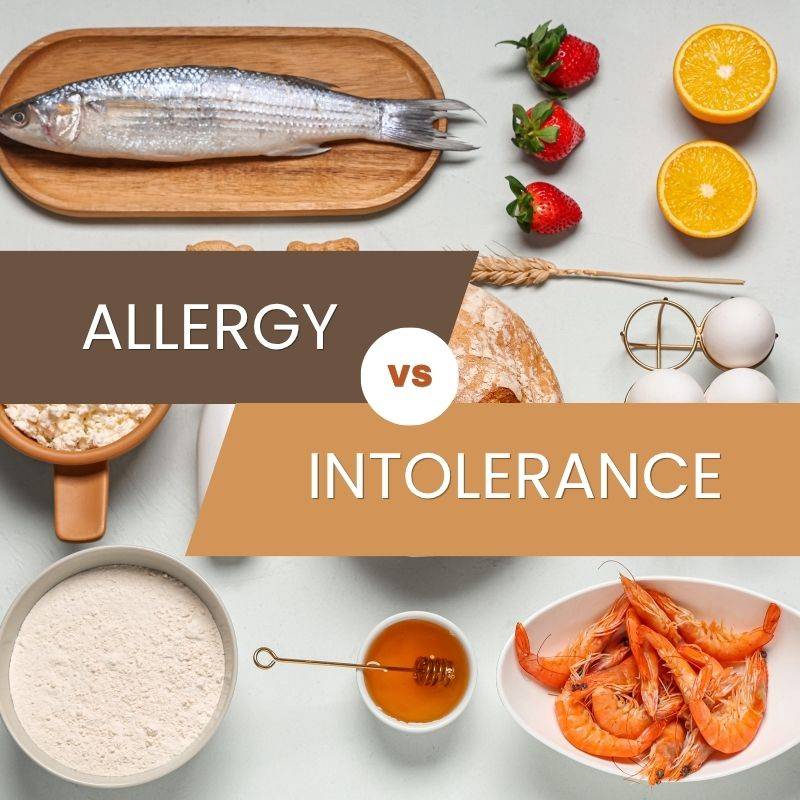
As for Michael, my 17-year-old patient who was depressed and suicidal, it turned out that he has celiac disease. But how could a food allergy be related to his depression? Celiac disease is far more than an allergy to gluten – it is a very serious autoimmune disorder that’s triggered when even the smallest amount of gluten is ingested. As we know, with autoimmune disorders the immune system mistakenly attacks the body’s normal cells. In the case of celiac disease, when gluten is consumed the immune system goes into attack mode and causes damage to the healthy villi of the gut lining. Villi are responsible for absorbing nutrients and keeping food particles and toxins from entering the bloodstream. When the gut lining is compromised and toxins enter the bloodstream, widespread inflammation can occur, and this inflammatory response can affect more than the digestive system – it can cause inflammation in the brain. Research shows that people with celiac disease are at greater risk of neurological damage and mental health issues in addition to other serious chronic health conditions.
Michael, now gluten-free, is no longer depressed and he has re-engaged in life. He continued with antidepressant medications for a period of time, but slowly weaned himself from them under medical supervision (it takes time for the brain to heal after the assault is removed). His life has been changed, for the better, forever.
It is my hope that, with a modified model for understanding depression and anxiety, involving a “whole” person, integrative approach, more patients will be correctly diagnosed and treated, as Michael was. In his case, and I suspect in many more, we’re learning that all too often, depression is not just depression.
This article originally appeared in US News and World Reports, May 12, 2015. It was reviewed and updated in May 2023.
We are here for you, and we want to help.
Our goal is to return you to optimal health as soon as possible. To schedule an appointment please call: 703-532-4892 x2
Additional references
InformedHealth.org [Internet]. Cologne, Germany: Institute for Quality and Efficiency in Health Care (IQWiG); 2006-. Depression: How effective are antidepressants? [Updated 2020 Jun 18].



















8 Commonly Overlooked Causes Of Anxiety and Depression
/in Conditions, Mental Health, Wellness/by Gary Kaplan, DOWith the right treatment, people seeking relief from depression or anxiety can live happy, productive lives. But if you’re one of the many Americans seeking relief from depression or anxiety, you’re no doubt aware of just how elusive successful treatment can be. It is estimated that as many as 30% of depressed patients do not respond to treatment, raising an important question: could it be that we’re thinking about — and therefore treating — these conditions in the wrong way?
A growing body of research suggests that depression and anxiety might not be mental disorders in and of themselves, but rather symptoms of a physical inflammation stemming from increased microglial activity in the brain. Microglia are the immune cells of the Central Nervous System (CNS) and are responsible for producing inflammatory chemicals in response to infection or other CNS damage.
This gives the medical community and those living with these debilitating conditions new hope. In thinking about depression and anxiety as symptoms, we’re afforded new insights into potential root causes, as well as alternative methods of treatment.
Here are eight often-overlooked causes of depression and anxiety that you should consider:
1. Celiac disease or gluten intolerance.
About 1% of Americans have celiac disease, an autoimmune disorder caused by the body’s negative reaction to gluten, the protein found in wheat, barley and rye. And gluten intolerance — also called non-celiac gluten sensitivity — is estimated to impact six times as many Americans.
While we don’t yet understand the mechanism of gluten intolerance in the body, the impact can be very similar to that seen with celiac disease. While intestinal complaints are most common, research is showing that some people with these conditions may, in fact, present with anxiety and depression as the only symptoms.
You can test for celiac disease with a simple blood test. The only way to test for gluten intolerance is to go gluten-free for six weeks and watch for any improvement. (Before making any major dietary changes, make sure to consult your provider or a registered dietitian.)
2. Sleep apnea.
There are two types of sleep apnea. Obstructive sleep apnea is the more common form and occurs when the soft tissue in the back of the throat collapses, thereby blocking the airway during sleep. Central sleep apnea, although not as common, is a result of the brain forgetting to tell the body to breathe. Studies confirm the relationship between sleep apnea and depression.
If you get plenty of sleep but never feel quite rested, or you find yourself often nodding off, a first step you can take is to answer the 8 questions on the Epworth Sleepiness Scale. If your score is equal to or higher than 10, the results should be discussed with your provider.
3. Lyme disease.
Lyme and other tick-borne diseases are becoming increasingly prevalent. While the most common symptom is joint pain, these diseases can also be associated with depression and anxiety disorders (affective disorders).
This link between Lyme disease and neuropsychiatric disease was first documented in 1994 in the American Journal of Psychiatry and has been widely documented since, but the potential connection is frequently overlooked when diagnosing those with psychiatric illness. If you are suffering from chronic pain and a mental disorder, this diagnosis should be considered.
Questions? Give Us a Call!
703-532-4892 x2
4. Unhealthy diet.
A study published in PNAS (Proceedings of the National Academy of Sciences of the United States of America) confirmed that “…frequent fried food consumption is strongly associated with a higher risk of anxiety and depression.”
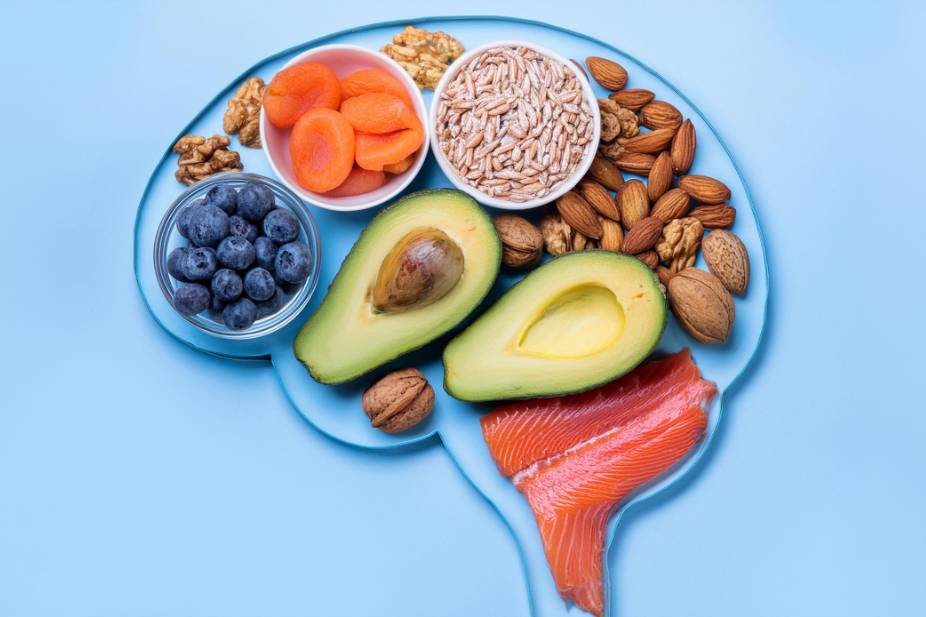
On the other hand, eating a diet high in omega-3 fatty acids (fish oils, walnuts, and flaxseed) and antioxidants (colorful fruits, berries, and greens including spinach, broccoli, and collards) can help provide the brain with the nutrients it needs to repair free radical damage and optimize function.
5. Thyroid disease.
Both an under-functioning thyroid (hypothyroidism) and an over-functioning thyroid (hyperthyroidism) can present as depression or anxiety — not to mention other symptoms like weight changes and exhaustion. If you suffer from depression or anxiety, you may wish to have your thyroid hormone levels checked to rule out any disorder.
6. Medications.
It’s also possible that regular medications may be causing or worsening your depression or anxiety. Beta-blockers used to treat high blood pressure are known to cause depression, and acne-fighting Accutane, birth control pills, and even statins all list depression as a possible side effect.
If you take medication regularly, I recommend talking with your provider about the chances that your medication is bringing you down or making you anxious.
7. Toxic mold exposure.
Exposure to certain indoor molds can result in a wide range of symptoms, including depression, ADHD, difficulty concentrating, fatigue, chronic sinus infections, and various pulmonary and neurologic issues. If you fear that you’ve been exposed to indoor molds, it’s critical that you speak with a physician who is familiar with mold toxicity disorder.
8. Coffee.
Several studies have demonstrated a link between coffee consumption and heightened anxiety. While most people can tolerate one to two cups of coffee per day without issue, if you are prone to anxiety, you may want to rethink your morning pick-me-up. Try cutting out coffee altogether for at least two months and observe whether or not your mental state changes as a result.
This article first appeared in Dr. Kaplan’s column on MindBodyGreen.com in September 2015. It was reviewed and updated in May 2023.
We are here for you, and we want to help.
Our goal is to return you to optimal health as soon as possible. To schedule an appointment please call: 703-532-4892 x2
Additional Resources
Harding CF, Pytte CL, Page KG, Ryberg KJ, Normand E, Remigio GJ, DeStefano RA, Morris DB, Voronina J, Lopez A, Stalbow LA, Williams EP, Abreu N. Mold inhalation causes innate immune activation, neural, cognitive and emotional dysfunction. Brain Behav Immun. 2020 Jul;87:218-228. doi: 10.1016/j.bbi.2019.11.006. Epub 2019 Nov 18. PMID: 31751617; PMCID: PMC7231651.
Temple JL, Bernard C, Lipshultz SE, Czachor JD, Westphal JA, Mestre MA. The Safety of Ingested Caffeine: A Comprehensive Review. Front Psychiatry. 2017 May 26;8:80. doi: 10.3389/fpsyt.2017.00080. PMID: 28603504; PMCID: PMC5445139.
Natural Remedies for Treating GERD
/in Inflammation, Nutrition/by Kaplan CenterIt is not uncommon to occasionally experience acid reflux, but when it occurs repeatedly you may have Gastrointestinal Reflux Disease (GERD). Treating GERD is important because over time stomach acids can cause damage to your esophagus, pharynx, or respiratory tract.
Causes
GERD is the condition in which stomach acid frequently leaks upward into the esophagus, usually the result of a relaxed lower esophageal sphincter (LES). The LES is a ring of muscle that relaxes to let food pass through, and tightens to keep it from flowing back upward. When the muscle is weakened or malfunctions, symptoms of GERD may start to appear.
Certain foods may aggravate symptoms, such as spicy, greasy, or fried foods, peppermint, citrus, dairy, tomatoes, grains containing gluten, as well as caffeine and alcohol. Medications such as non-steroidal anti-inflammatories (NSAIDs), birth control pills, and some heart medications may also aggravate the symptoms. NSAIDs can also lead to bleeding and ulceration in the stomach or small intestine. In some cases, GERD is a result of a hiatal hernia or a bacterial infection called Helicobacter Pylori.
For successful long-term results, it is essential to first pinpoint the root cause of your reflux.
Symptoms
The most common symptom of GERD is frequent heartburn, but other common symptoms include cough, hoarseness, sore throat, bad breath, wheezing, difficulty swallowing, and indigestion.
If your symptoms are persistent or severe, give us a call today at 703-532-4892 to make an appointment. Our providers can customize a holistic treatment plan to address not just your GERD symptoms, but any other underlying factors that are keeping you from feeling better
Treatment options for GERD
When GERD symptoms are mild, natural remedies can be a safe and effective option for managing GERD. Recommendations may include one or a combination of the following.
Depending on how severe your GERD symptoms are, your provider may prescribe medication. Acid blockers may be necessary for severe gastritis, ulcer, or Barrett’s esophagus, which is a precancerous condition. However, prolonged use can lead to calcium and magnesium deficiency, and achlorhydria (absence of hydrochloride acid) leading to an overgrowth of bacteria in the small intestine (SIBO). This condition and H. Pylori are diagnosed by a breath test and both are treated with different antibiotics or supplements, like garlic and Candibactin. Research has also confirmed that the long-term use of certain types of acid blockers – PPIs – can increase the risk of a cardiac event and also increase the risk of dementia, so it’s extremely important to speak to your provider about the risks, benefits, and length of use.
If you have GERD, a holistic treatment plan that includes medication, lifestyle changes, and alternative therapies can provide significant relief from your symptoms. We can help. Please call us at 703-532-4892 to make an appointment.
References
https://www.sciencedirect.com/science/article/pii/S0254627215301515?via%3Dihub
https://www.sciencedirect.com/science/article/pii/S027153171931187X
https://pubmed.ncbi.nlm.nih.gov/33351048/
https://pubmed.ncbi.nlm.nih.gov/30864012/
https://pubmed.ncbi.nlm.nih.gov/35148031/
https://www.frontiersin.org/articles/10.3389/fcvm.2022.767987/full
Additional resources
For more information on how to treat acid reflux symptoms while staying heart healthy, click here.
We are here for you, and we want to help.
Our goal is to return you to optimal health as soon as possible. To schedule an appointment please call: 703-532-4892 x2
This article was originally published in January 2016. It was reviewed and updated in December 2023.
Is Depression Ever Just Depression?
/in Inflammation, Long Covid, Mental Health/by Gary Kaplan, DOA modified model for understanding depression and anxiety ought to involve a whole person, integrative approach.
Public acts of violence seem to fill the news media streams these days and are typically followed by outcries for greater access to mental health care for those that need it most. And although almost all individuals with serious mental illness are not dangerous, many of the perpetrators of these heinous crimes later turn out to have a documented history of depression or mental illness, which often went untreated.
So, what can we do to stop the anguish? What is it that we are missing?
The Cost of Failure
Unfortunately, the number of Americans affected by serious depression and anxiety disorders is enormous, as are the costs to society due to failure to treat and/or treatment failure. Tens of millions of Americans suffer from depression, including chronic, low-grade depression (dysthymia) and anxiety. 21 million of those Americans have been diagnosed with major depressive disorder (MDD), the leading cause of disability for people ages 15 to 44.
The cost of failing to effectively treat these conditions is not just the individual’s inability to complete college, hold a job or cultivate positive relationships; it also includes the toll taken on an entire family and community when a despairing person takes their own life. And in other cases, the costs of acts of public violence – in terms of suffering, municipal expenses, personal medical and legal expenses, and lost human potential – are immeasurable.
Michael, a 17-year-old high school student, came to see me with a long history of hospitalizations after attempting to take his own life. Despite undergoing intensive psychiatric treatment, he remained depressed and suicidal. Like 40 percent of those who suffer from major depressive disorder, Michael was not responding to treatment.
When contemplating a situation like Michael’s, the question “What am I missing?” is never far from my mind. Statistics show that only about one-third of patients with MDD respond to antidepressant medication, with about the same number responding to psychotherapy alone. If we combine the two approaches the numbers improve slightly, but the fact remains that most people with MDD respond only partially to medical interventions, with almost half remaining entirely unresponsive.
A Central Nervous System in Turmoil
There is a mountain of scientific research demonstrating that neuropsychiatric conditions such as depression, anxiety disorders, and possibly bipolar disease are, in a very high percentage of cases, the result of inflammation occurring in the brain.
There is a great deal of research linking generalized inflammation to heart disease, chronic pain, and obesity. Inflammation in the body takes many forms: When we have an allergic response to pollen or food, our bodies’ inflammatory response includes the release of histamine, which makes our eyes itch and noses run; we see the inflammation associated with a skin wound when the white cells of our immune system respond to a bacterial infection. Inflammation in our brains, however, is unique in that it is mediated by tiny cells called microglia.
Microglia are the innate immune system of the central nervous system (CNS). Their job is to respond to trauma and damage to the brain. In response to brain injury, the microglia release a virtual symphony of chemical mediators that orchestrate the destruction of bacterial invaders, the elimination of damaged neuronal tissue, and the initiation of the repair process.
After responding to an assault on the brain, microglia typically return to a resting state. But ongoing and cumulative assaults to the brain will cause the microglia to remain chronically up-regulated, causing them to continuously spew out inflammatory, tissue-destroying chemicals. Examples of ongoing assaults include fever, physical assault, and emotional trauma. It can also be infections like Lyme disease or COVID-19.
Since the beginning of the COVID-19 pandemic, researchers have been studying how the SARS-CoV-2 virus affects the CNS as well as other body systems. What they are finding out is that it too heightens the activity of microglia leading to the release of inflammatory cytokines and a sequence of damaging events that can affect the brain and have other long-term effects on health.
Brain inflammation can produce a wide range of symptoms including depression, anxiety, chronic pain, difficulty focusing and concentrating, fatigue, and sleep disturbances.
Further compounding the issue is the fact that a solid understanding of the role of microglia in brain health is sadly lacking among most medical professionals, with the result that they continue to treat what are in fact “symptoms” as separate and unique “diseases.”
Looking Beyond the Symptoms
A better framework, where physicians look beyond the symptoms, involves giving priority to the discovery of the root causes of an individual’s depression or anxiety. This primarily requires an understanding of what caused the microglia to up-regulate.
Research has shown that anything that can damage neuronal tissue can be a trigger. So, an exploration of a patient’s depression may include asking them about possible traumatic head injuries, psychological traumas (acute events and chronic stress), infections (as mentioned above, tick-borne diseases, other bacteria, and viruses like Covid-19), and even biotoxins that may have entered the body from exposure to toxic molds, celiac disease, and hypoxia (usually related to sleep apnea). The list of triggers is long, and as such, the process of identifying the possible underlying causes of the disease requires putting together a thorough medical health timeline for each patient. By using this approach, treatment options expand due to the greater understanding of the origin of the illness, thereby increasing prospects for recovery.
As for Michael, my 17-year-old patient who was depressed and suicidal, it turned out that he has celiac disease. But how could a food allergy be related to his depression? Celiac disease is far more than an allergy to gluten – it is a very serious autoimmune disorder that’s triggered when even the smallest amount of gluten is ingested. As we know, with autoimmune disorders the immune system mistakenly attacks the body’s normal cells. In the case of celiac disease, when gluten is consumed the immune system goes into attack mode and causes damage to the healthy villi of the gut lining. Villi are responsible for absorbing nutrients and keeping food particles and toxins from entering the bloodstream. When the gut lining is compromised and toxins enter the bloodstream, widespread inflammation can occur, and this inflammatory response can affect more than the digestive system – it can cause inflammation in the brain. Research shows that people with celiac disease are at greater risk of neurological damage and mental health issues in addition to other serious chronic health conditions.
Michael, now gluten-free, is no longer depressed and he has re-engaged in life. He continued with antidepressant medications for a period of time, but slowly weaned himself from them under medical supervision (it takes time for the brain to heal after the assault is removed). His life has been changed, for the better, forever.
It is my hope that, with a modified model for understanding depression and anxiety, involving a “whole” person, integrative approach, more patients will be correctly diagnosed and treated, as Michael was. In his case, and I suspect in many more, we’re learning that all too often, depression is not just depression.
This article originally appeared in US News and World Reports, May 12, 2015. It was reviewed and updated in May 2023.
We are here for you, and we want to help.
Our goal is to return you to optimal health as soon as possible. To schedule an appointment please call: 703-532-4892 x2
Additional references
InformedHealth.org [Internet]. Cologne, Germany: Institute for Quality and Efficiency in Health Care (IQWiG); 2006-. Depression: How effective are antidepressants? [Updated 2020 Jun 18].
Mohammadkhanizadeh A, Nikbakht F. Investigating the potential mechanisms of depression induced-by COVID-19 infection in patients. J Clin Neurosci. 2021 Sep;91:283-287. doi: 10.1016/j.jocn.2021.07.023. Epub 2021 Jul 20. PMID: 34373041; PMCID: PMC8289699.