
• 703-532-4892
  • New Patients
  • Patient Portal
Kaplan Center for Integrative Medicine : McLean, Virginia
  • Conditions
    • Long-COVID Syndrome
    • Alzheimer’s Disease & Cognitive Decline
    • PANS & PANDAS
    • Lyme Disease
    • Small Intestinal Bacterial Overgrowth (SIBO)
    • Fibromyalgia
    • Heavy Metal Toxicity
    • Hormonal Imbalances
    • Mold Toxicity
    • Myalgic Encephalomyelitis/Chronic Fatigue Syndrome
    • Neurotoxicity
    • Thyroid Disorders
    • All Conditions
  • Services
    • Therapeutic Plasma Exchange (TPE)
    • Longevity Services
    • Long-COVID Recovery Services
    • Acupuncture
    • Detoxification Protocol
    • Herbal Remedies & Nutritional Supplements
    • Hormone Replacement Therapy
    • IV Therapy
    • Niagen+ (NR) IV Therapy
    • Nutritional Testing, Counseling & Coaching
    • Physical Therapy
    • Psychotherapy, EMDR & Guided Meditation
    • Telemedicine
    • All Treatments
  • Providers
    • Gary Kaplan
    • Lisa Lilienfield
    • Rebecca Berkson
    • Jeanne Scheele
    • Patricia Alomar
    • Jessica Briscoe Coleman
    • Jodi Brayton
    • Chardonée Donald
    • All Providers
  • About
    • Why Kaplan Center?
    • The Kaplan Method®
    • Integrative Medicine
    • Dr. Gary Membership
    • Our Support Team
    • Financial FAQs
    • Provider Fees
    • Our Goal
    • Patient Testimonials
  • Resources
    • Health & Wellness Blog
    • Events
    • Featured Press
    • Featured Podcasts and Webinars
    • Videos
    • Books
    • eBooks
    • Professional Resources
  • Store
  • Contact
  • 703-532-4892
  • Click to open the search input field Click to open the search input field Search
  • Menu Menu

Tag Archive for: diet

Posts

Young woman losing parts of head as symbol of decreased mind function.

Addressing the Fear of Cognitive Decline & How to Be Proactive

March 9, 2026/in Inflammation, Mental Health, Wellness/by Lisa Lilienfield, MD

Alzheimer’s disease, the most common form of dementia, is the sixth leading cause of death in the U.S. For most people, the subject of Alzheimer’s brings fear and trepidation. Why? Because the thought of deteriorating brain function and memory loss is frightening. Unfortunately, current medical treatments are inadequate, dealing only with its end result.

Alzheimer’s is characterized by the destruction of synapses in the neurons, the nerve cells in the brain, by amyloid plaques. In addition, “tangles” form in the cells leading to loss of brain function. This leads to progressive loss of memory and behavioral problems like aggression, hallucinations, and delusions, as well as deterioration of activities of daily living. This is heartbreaking for patients and their families. And, despite years of ongoing research, there are still many unanswered questions about what causes Alzheimer’s disease.

Let’s explore some of the known risks associated with dementia and learn how to lower those risks.

Type 3 Diabetes

You may not have heard the term “type 3 diabetes” as another name for Alzheimer’s Dementia. Type 2 diabetes and prediabetes, also called insulin resistance, are both strongly linked to the development of Alzheimer’s dementia. This could actually be good news because it means this is a preventable risk factor.

Why has the term Type 3 diabetes been coined?  Let’s start by discussing sugar, which in large quantities is a poison. The body is not designed to handle more than 15-20 grams per day, yet a soda has at least 40 grams and the average American consumes 82 grams per day.

Excess sugar causes an outpouring of insulin from the pancreas and over time causes the cells in the body – including the brain – to become resistant to insulin. This leads to chronically elevated blood sugar which causes Advanced Glycation End products or AGEs to be produced. These AGEs then attack the eyes, kidneys, peripheral nerves, and the brain!

Environmental factors

Heavy metals, such as lead in pollution and mercury in dental amalgams, and large fish, like tuna, swordfish, and shark increase the risk of dementia. In the 1800s the term “mad as a hatter” came about because hat makers were using a form of mercury to make fur hats and it destroyed brain cells.

Living or working in a water-damaged building leads to the growth of toxic mold, which poisons the nervous system.

Studies also show that living near major highways is a risk factor for Alzheimer’s.

Long COVID

Recent research suggests that long COVID may share biological pathways with Alzheimer’s disease. Studies have found that some individuals with long COVID show elevated levels of Alzheimer’s-related biomarkers—such as tau proteins—as well as signs of persistent neuroinflammation, structural brain changes, and cognitive impairment. While researchers are still investigating whether COVID-19 directly increases Alzheimer’s risk, these findings suggest the virus may contribute to neurological changes that resemble or potentially accelerate processes involved in neurodegeneration.

Other causes of dementia include:

  • Recurrent traumatic brain injury (concussions)
  • Infections like Lyme disease and syphilis
  • Excess alcohol and drugs
  • Prolonged general anesthesia
  • Sleep apnea
  • There are several genes that predispose to Alzheimer’s such as the ApoE4. However, just because we have a gene does not mean it will be expressed. Every time we eat, exercise, sleep, meditate, communicate, create something, play, learn, and love, we are turning genes on and off.

Questions? Give Us a Call!

703-532-4892 x2

The good news is the brain can actually grow and change in a positive way, even as we get older.

Be proactive in reducing your risk of dementia with these strategies:

Lifestyle strategies can promote neurogenesis (new brain cells) and neuroplasticity (changes in the brain and its pathways). These strategies involve a substance called BDNF or brain-derived neurotrophic factor, which promotes brain cell growth and connectivity as demonstrated on MRI scans. In fact, the hippocampus, which is involved in emotional memory, gets larger the more BDNF is available. A large part of the lifestyle strategy involves modifying the diet to lower unhealthful carbs and increase healthful fats thus lowering the risk of diabetes.

  1. Reduce (non-vegetable) carbohydrate consumption.
    Sugars/artificial sweeteners and grains can cause inflammation of the lining of the digestive tract, or “leaky gut”. An inflamed gut causes an inflamed brain and reduces the size of the hippocampus. Functional testing looking at stool, urine, and breath can determine if your gut is leaky. Replace nutrients lost from a leaky gut or poor diets like B12, folate, B6, magnesium, and iron.
  2. Increase healthy fat consumption.
    Increase your omega-3 fat intake and reduce the consumption of damaging omega-6 fats (like processed vegetable oils) in order to balance your omega-3 to omega-6 ratio. Omega-3 from fish sources shows a lower risk of cognitive impairment.
  3. Add prebiotics & probiotics to your diet.
    Prebiotic fiber nurtures gut bacteria and the hippocampus. Probiotic supplementation, which enhances the healthy bacteria in the gut, decreases the inflammatory marker, C-reactive protein, increases the antioxidant  glutathione, and improves mental status as measured by the Mini Mental Status Exam
  4. Improve your sleep habits.
    Work on getting at least 7-8 hours of solid sleep. If sleep is poor, rule out sleep apnea. A 2020 study published in the journal Sleep confirms that people who have obstructive sleep apnea – or intermittent interruptions in breathing – in their middle ages are more likely to develop Alzheimer’s Disease. If you’re not sure if you have sleep apnea, but you find yourself exhausted during the day, take this short quiz as the first step towards diagnosis.
  5. Exercise!
    Physical activity produces biochemical changes, increasing BDNF, that strengthen and renew not only your body but also your brain – particularly the hippocampus, the area associated with memory and learning. This is especially important for carriers of the ApoE4 gene. A good exercise regimen includes aerobic and resistance training at least 3-4 times per week for 30-45 minutes.
  6. Try Niagen+ IV Therapy to boost NAD+ levels.
    Sirtuins, which are NAD+-dependent enzymes, have shown to benefit brain health by acting on amyloid plaques, repairing DNA, lowering inflammation, and promoting neuronal function, which in turn can prevent or delay the onset of mild cognitive decline. Click here to learn how Niagen+ IVs help boost NAD+ levels.
  7. Go Keto.
    The ketogenic diet. is linked to an increase in BNDF, which causes the hippocampus to get bigger (better memory). This involves cutting down on carbohydrates which reduces insulin resistance (diabetes) and increasing good fats like avocado, olive oil, MCT (medium-chain triglycerides found in coconut oil), and intermittent fasting 12-14 hours between dinner and breakfast so that the body breaks down fats and produces ketones. Note: The Ketogenic diet is not for everyone, ask your physician before starting any specialized diet.
  8. Eliminate toxins.
    Consider getting tested for heavy metal and toxic mold exposure and work with your doctor to eliminate them.
  9. Check your hormone levels.
    Balance hormones, such as thyroid, cortisol, sex hormones, and Vitamin D (which is actually a hormone).
  10. Find out whether you are insulin resistant.
    Get a HgA1C test and a fasting insulin test. Eliminating the risk of Type 2 diabetes (insulin resistance) can lower the risk of Alzheimer’s dementia (Type-3 Diabetes).
  11. Remember to take time to slow down, be mindful (meditation and yoga) spend time with loved ones, and take time to laugh and have fun. This is medicine for our minds.

Lisa Lilienfield, MD

We are here for you, and we want to help.

Our goal is to return you to optimal health as soon as possible. To schedule an appointment please call: 703-532-4892 x2

Food Pyramid

The New Food Pyramid – Does It Fit Your Nutritional Needs?

February 17, 2026/in Nutrition/by Chardonée Donald, MS, CBHS, CHN, CNS, LDN

The food pyramid has evolved over time, moving away from refined grains and toward higher-quality foods and protein. While this reflects progress at a population level, the newest and current model still remains a one-size-fits-all approach to care.

In integrative and functional care, we work with individuals who live with chronic inflammation, immune dysfunction/dysregulation, or post-viral conditions. Our patients follow a wide range of dietary patterns, including vegan, vegetarian, pescatarian, gluten-free, dairy-free diets, etc.  A single dietary framework cannot account for these differences.

The newest model puts protein and dairy at the forefront. Protein is essential for immune and metabolic health, but evidence suggests that the protein source does matter. Plant-forward dietary patterns—rich in legumes, nuts, seeds, and whole grains—are associated with lower inflammatory markers across many different populations.

At the same time, the fruits section remains underemphasized despite their role in providing antioxidants, fiber, and phytonutrients that support immune regulation and gut health.

Integrative nutrition moves beyond generalized dietary guidance. Rather than asking every individual to follow the same framework, integrative and functional medicine practitioners assess inflammatory burden, metabolic flexibility, digestive function, nutrient status, food sensitivities, and lifestyle factors. Personalized nutrition is highly therapeutic and aims at restoring balance, reducing inflammation, supporting immune regulation, and promoting long-term resilience.

There is no universal model of care when it comes to integrative and functional care. Nutrition plays a foundational role in immunity, inflammation, and overall wellness—a personalized nutrition plan can make all the difference in how you feel and function.

Interested in working with me? Contact our office to schedule an appointment—I’d love to support your health journey!

– Chardonèe

We are here for you, and we want to help.

Our goal is to return you to optimal health as soon as possible. To schedule an appointment please call: 703-532-4892 x2
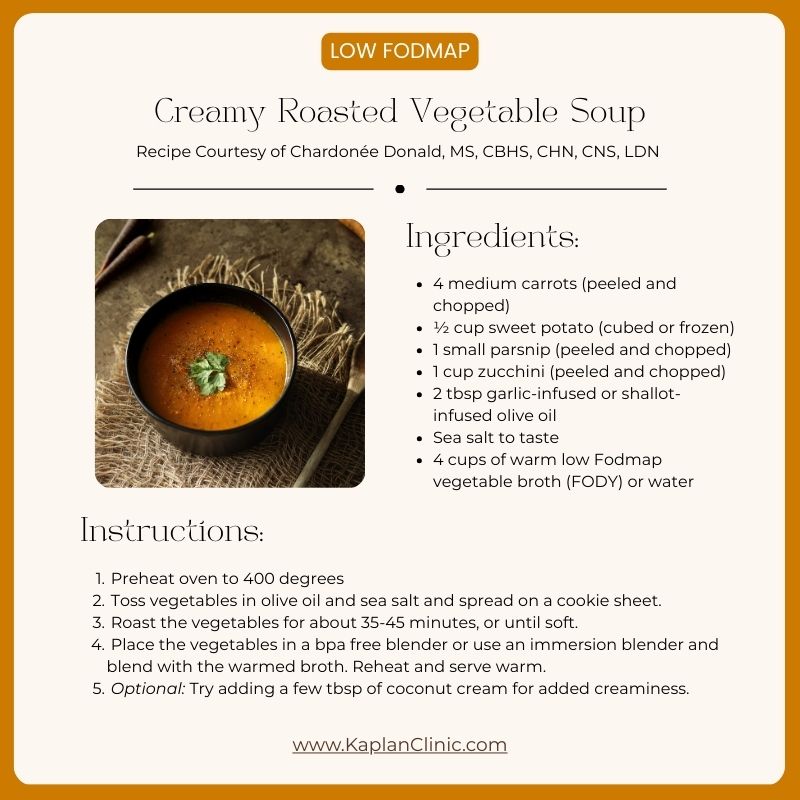
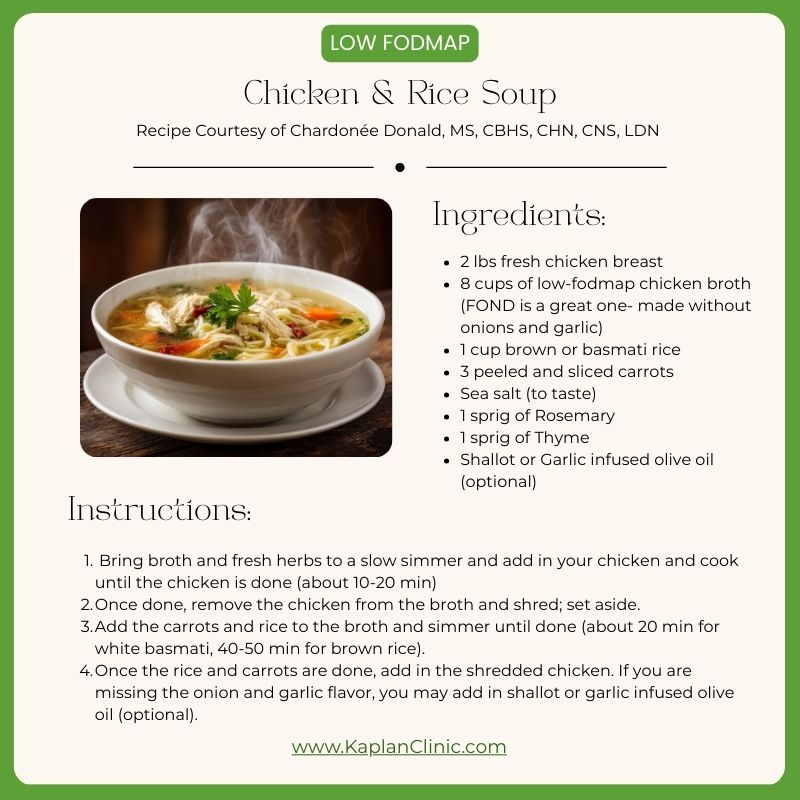
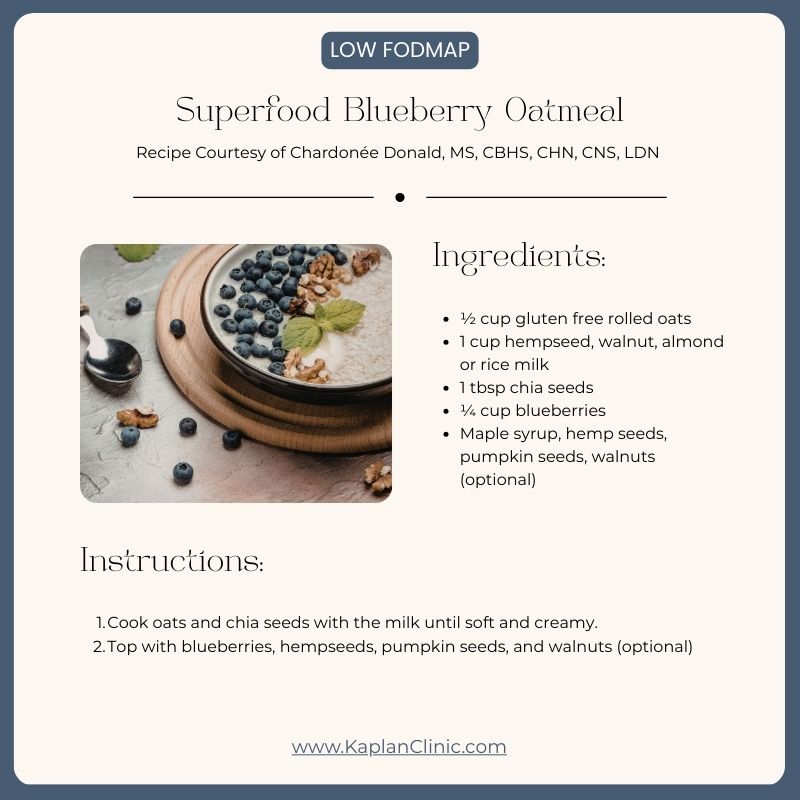
Low Fodmap and Snowed In – Try these recipes at home!

February 4, 2026/in Nutrition, Wellness/by Chardonée Donald, MS, CBHS, CHN, CNS, LDN

Having any type of restriction in life can be frustrating at times. As beautiful as the snow and ice may be, it can be limiting and cause many of us to feel isolated from the outside world. Even if we are able to go out, some of our favorite stores and restaurants may be closed giving us no choice but to go back to our homes feeling even more restricted. If the winter blues have settled in, here are a few cozy Low-Fodmap meal ideas (the recipe cards are printable!) to help get you through the freeze from the comfort of your kitchen!

Stay Warm!

We are here for you, and we want to help.

Our goal is to return you to optimal health as soon as possible. To schedule an appointment please call: 703-532-4892 x2
Winter Wellness: Staying Warm and Energized

Winter Wellness: Why Staying Warm and Energized Matters When Winter Weather Settles In

February 2, 2026/in Lifestyle, Nutrition, Wellness/by Chardonée Donald, MS, CBHS, CHN, CNS, LDN

Lately, it has been extremely cold out. You know, the kind of cold that no matter how many layers you are in it seems to have settled in your bones? When you are already not feeling your best, the last thing you want is extremely cold temperatures amplifying your aches, pains, discomfort, and already present fatigue.

With bitter cold temps affecting so much of the country right now, I would like to offer some support in protecting your energy and supporting your overall healing journey.

Cozy days

First and foremost, make sure you are dressing in layers—even indoors. Grab those oversized comfy blankets, cozy socks, and breakout those heating pads. Opt to keep your room warm but not overly heated.

Why this is important: To the body, warmth is associated with safety. This is a signal to your nervous system to help your body conserve energy for healing.

Choose warming foods

Whether your food is prepared for you or you’re the one doing the preparing, choose warm foods over cooling foods (such as salads). Warm, freshly-prepared foods are easy for the body to tolerate. It takes up less energy to digest warm foods and it is more comforting to the body. Foods such as hearty stews, sipping broths, soups are an excellent place to start. In addition, add in soft warm grains like oats or rice. Lastly opt, for cooked fruits and vegetables over raw.

Why this is important: Eating warm foods help to increase circulation. This also naturally increases body temperature in frigid temperatures.

Optimize your hydration

Even though it is cold out it is still essential to make sure you are getting enough fluids. It is easy to forget about water in the winter time, especially when the mere thought of a tall glass of cold water makes you shiver.

If water is unappealing, try warm herbal teas, light broths such as sipping bone broth, or room temperature drinks. Sip them slowly during the day to optimize your hydration.

Why this is important: Dry winter air and indoor heat can deplete the body of moisture without you even realizing it. Staying hydrated is a year-round necessity for energy, immunity and overall good health.

Consistent Energy Intake

Skipping meals should not be an option. You must eat regular meals, even if they are smaller portions than what you usually consume. Prioritize protein and complex carbohydrates to keep you fuller longer and to help with caloric stability.

Why this is important: Freezing temperatures can increase caloric demands, as the body works harder to generate and maintain stay warmth.

Stay warm!

Chardonèe Donald, MS, CBHS, CHN, CNS, LDN

Nutrition Specialist

We are here for you, and we want to help.

Our goal is to return you to optimal health as soon as possible. To schedule an appointment please call: 703-532-4892 x2

3 Things That Can Happen After GLP-1s

3 Things That Can Happen After Stopping GLP-1s

September 11, 2025/in Nutrition/by Chardonée Donald, MS, CBHS, CHN, CNS, LDN

What are the aftereffects? Why am I regaining weight? Help!

You did the injections. You lost the weight. You reached your goal. Now, you’re wondering: when is the right time to stop?

GLP-1 medications such as Mounjaro, Wegovy, and Ozempic have been tools used to help with weight loss, diabetes, and/or metabolic syndrome. However, what happens when you stop taking the injections? Let’s take a look at a few of the more common aftereffects.

1 – Rapid Weight Regain

Old eating habits creep back in after reaching your goal. A common misconception is that once you reach your goal, that’s it. You can stop the medication and you will live happily at your goal weight. That is a myth. Studies show not only changing the quantity of food consumed, but the quality of food as well can help to keep the weight off.¹

2 – Hunger Cues Change

Feeling even hungrier than before? Hunger hormones and satiety cues spike the hunger hormone (ghrelin) back up, which is what signals the brain that you are hungry and that it is time to eat. GLP-1 medications suppress ghrelin which is why many of the cravings go away and you feel less hungry while taking the medication. When the medication is discontinued, more ghrelin is
produced. Sometimes it can be overproduced and cause a feeling of intense hunger. This often leads to overeating.²

3 – Set Point Conflict

Your body viewed your rapid weight loss as “survival” versus a permanent “lifestyle change.” Once off of the medication, your body remembers where your “set point” (your weight thermostat) used to be and it saw the weight loss as a threat rather than a friend. Here is where your body betrays you and begins to activate mechanisms to restore the lost weight.³

But, stopping GLP-1 antagonist medications does not mean all of your hard work needs to go to waste. 

You’ve invested time, energy, and dedication into improving your health. Don’t let the progress slip away after GLP-1 therapy. Weight regain isn’t a matter of just “willpower” and “calorie counting”  it’s understanding your body’s biology.

With the right nutrition plan, strength-building exercises, and accountability, you keep the results you worked so hard for. Book a nutrition call with Chardonèe today to help you with your journey!

We are here for you, and we want to help.

Our goal is to return you to optimal health as soon as possible. To schedule an appointment please call: 703-532-4892 x2
References:

¹ Nutritional priorities to support GLP-1 therapy for obesity: a joint Advisory from the American College of Lifestyle Medicine, the American Society for Nutrition, the Obesity Medicine Association, and The Obesity Society Mozaffarian. Dariush et al. The American Journal of Clinical Nutrition, Volume 122, Issue 1, 344 – 367

² Quarenghi, M., Capelli, S., Galligani, G., Giana, A., Preatoni, G., & Turri Quarenghi, R. (2025). Weight Regain After Liraglutide, Semaglutide or Tirzepatide Interruption: A Narrative Review of Randomized Studies. Journal of Clinical Medicine, 14(11), 3791.

³ Wu, H., Yang, W., Guo, T. et al. Trajectory of the body weight after drug discontinuation in the treatment of anti-obesity medications. BMC Med 23, 398 (2025). 


maximizing_calcium_intake_from_leafy_greens

Does Raw Kale Interfere with Calcium Absorption?

January 24, 2024/in Bone Health, Nutrition/by Kaplan Center

Calcium is the most abundant mineral found in the body. We need it to not only make sure our bones stay strong and healthy as we age, but to also maintain the proper functioning of the heart, muscles, and nerves. Green smoothies and protein shakes containing calcium-rich leafy greens have become a popular and easy way to incorporate this essential nutrient into our diets. However, in certain cases it comes with a caveat. Some leafy greens like kale, chard, beet greens and spinach contain oxalic acid, which is a type of antinutrient that binds with calcium and reduces its absorption in the intestines. In addition to the greens listed above, oxalic acid is also found in some legumes and grains.

Does this mean you should not add kale or other greens that contain oxalic acid to your smoothies? Not necessarily. In their raw form, these greens should not be considered a good source of calcium. However, by cooking or steaming these vegetables you can significantly reduce the amount of oxalic acid present, which will help with calcium absorption (make sure to drain your greens thoroughly as the oxalates go into the water).

Have you always wanted to work with a nutritionist? If you’re ready to optimize your diet for better health and overall wellness, give us a call today at 703-532-4892.

CALL TODAY

Have questions before you make an appointment? No problem! Give us a call and speak with an experienced nurse; we’re here to help you.


One suggestion would be to precook your leafy greens and store them in the freezer (in individual portions) for quick access. When you’re ready to make your smoothie, just grab a portion and throw it in! Cooked and drained, kale is also a great addition to soups, stews, and even pizza! Other methods to reduce their antinutrient content include sprouting and fermenting.

Another suggestion would be to eat foods known to contain oxalic acid 2 hours apart from dietary calcium sources. Doing this will allow enough time for the body to absorb it.

Other foods that will boost the calcium content in your smoothie are unsweetened Greek yogurt (which also contains a good amount of protein) and flax seeds.

Making sure calcium-rich foods are a part of your diet can help avoid a deficiency. If you’re unable to get enough calcium through your diet, supplementation may be recommended. Calcium deficiency can lead to symptoms such as:

  • Osteoporosis
  • Osteopenia
  • Mood swings
  • Difficulty sleeping
  • Fatigue
  • Memory problems/confusion

If you are experiencing symptoms or need general nutritional guidance, we can help. Please give us a call at 703-532-4892. We’re here to help you get to the root cause of your symptoms so healing can begin.

Additional resources: Foods High in Oxalates

References:

Gupta RK, Gangoliya SS, Singh NK. Reduction of phytic acid and enhancement of bioavailable micronutrients in food grains. J Food Sci Technol. 2015 Feb;52(2):676-84. doi: 10.1007/s13197-013-0978-y. Epub 2013 Apr 24. PMID: 25694676; PMCID: PMC4325021.

M. López-Moreno, M. Garcés-Rimón, M. Miguel, Antinutrients: Lectins, goitrogens, phytates and oxalates, friends or foe? Journal of Functional Foods, Volume 89, 2022, 104938, ISSN 1756-4646, https://doi.org/10.1016/j.jff.2022.104938.

WEAVER, C.M., HEANEY, R.P., NICKEL, K.P. and PACKARD, P.I. (1997), Calcium Bioavailability from High Oxalate Vegetables: Chinese Vegetables, Sweet Potatoes and Rhubarb. Journal of Food Science, 62: 524-525. https://doi.org/10.1111/j.1365-2621.1997.tb04421.x

This article was updated in January, 2024.

RECIPE eBOOK:

Recipes for Good Health

Recipes for Good Health

DOWNLOAD THE eBOOK NOW!


lifestyle_medicine

Lifestyle Medicine and Chronic Disease

October 31, 2023/in Lifestyle, Wellness/by Kaplan Center

Changing behavior is hard. Changing the way we think about a topic, an issue, or a pattern that we routinely engage in is hard. In fact, making change is so difficult that there’s an entire field of psychology dedicated to it. It’s the science of behavioral change and it looks at how we make change successfully and why.

Whether it’s the ability to start exercising, eating healthier foods, or just doing things to reduce stress levels, change takes effort. For example, study after study shows that after starting a new diet, most people will eventually regain the weight they lost. Experts think that as many as 80 to 95% of dieters gain back the weight they worked so hard to lose. Although that’s a bit disheartening, the point is that making meaningful and lasting change is a process and not a quick fix. This is true for many things, but it is especially true for lifestyle habits that impact our health. And this is where lifestyle medicine enters the picture.

What is Lifestyle medicine?

Lifestyle medicine is a field of medicine that uses behavioral change psychology to help tackle the rising levels of chronic disease. Chronic problems like heart disease, obesity, stroke, hypertension, cancer, and diabetes are among the most prevalent and costly health conditions in the United States. Consider that approximately 60% of all Americans suffer from at least one chronic disease; and this number is only increasing.

Lifestyle medicine can play an important role in the management of chronic disease because many of these conditions revolve around the same lifestyle issues – exercise, healthy eating, restful sleep, ideal body weight and reducing the esposure of harmful substances. Furthermore, promoting healthier habits and reducing stress can serve as an important tool for lowering inflammation and mitigating pain and depression – components of many chronic diseases. We know from research that engaging in certain positive lifestyle changes early on can dramatically lower the risk of developing these illnesses in the first place.

Lifestyle medicine focuses on these key aspects of health:

Physical activity

Study after study shows that regular and consistent physical activity is one of the best ways to improve mood, health, and longevity.

Stress

Periods of stress that come and go are natural but if stress becomes a constant part of an individual’s life, it can have negative impact on health. Ongoing stress can affect heart health, digestion, mental wellbeing (mood, focus), and physical health.

Nutrition

Research has highlighted the benefits of a healthy and nutrient-rich diet in lowering inflammation and reducing the risk of heart disease, high blood pressure and other medical conditions. The role of good nutrition in overall wellbeing cannot be understated.

Restorative sleep

Good sleeping patterns and habits can help bolster the immune system, remove waste products from the brain, improve focus and physical energy, and help lower the risk of stroke, obesity, heart disease and high blood pressure.

Mental health

Human beings are social creatures and meaningful social connections make up a large part of one’s mental and spiritual well-being. Research has shown that individuals who have stronger social connections are more resilient and less likely to develop cognitive impairment.

Lifestyle medicine attempts to address all of these areas. It does not mean that all of these items need to be fixed in a jiffy; it just means that the importance of these factors and their role in good health should be recognized. If there is a particular area where changes can be made to improve your health, then a discussion should be had with your provider.

Where do you begin?

The first step is being open to change; self-motivation is key. You should educate yourself and be open to understand the benefits of the change you want to make to keep you motivated and focused on your goals. Can you foresee some challenges? Try o identify any barriers that are keeping you from moving forward and be prepared to deal with setbacks because they will happen. Be forgiving and keep moving forward.

For many, having an accountability partner or being a part of a structured program that considers the key aspects listed above can be the difference between success and failure. Lifestyle program teams are trained and experienced in these challenges and are supportive to those who are ready to embrace these changes.

Lifestyle medicine is relatively new as a field of practice and its principals are very similar to those of functional medicine (functional medicine also investigates and treats the root cause of disease and dysfunction). It sheds light on the importance of the day-to-day activities that we undertake, how they impact us, and why small changes can make a huge difference. Although change is hard, it is possible, and lifestyle medicine speaks to the tools and resources that we can use to help bring those positive changes about.

We are here for you, and we want to help.

Our goal is to return you to optimal health as soon as possible. To schedule an appointment please call: 703-532-4892 x2

 

References

https://www.acpm.org/initiatives/lifestyle-medicine/

https://www.ncbi.nlm.nih.gov/pmc/articles/PMC5876976/

https://health.clevelandclinic.org/why-people-diet-lose-weight-and-gain-it-all-back/

https://www.cdc.gov/chronicdisease/index.htm

https://pubmed.ncbi.nlm.nih.gov/21056174/

https://www.hopkinsmedicine.org/health/wellness-and-prevention/the-science-of-sleep-understanding-what-happens-when-you-sleep

https://www.ncbi.nlm.nih.gov/pmc/articles/PMC9985951/


Benefits of working with Certified Nutrition Specialist

What Can a Certified Nutrition Specialist Do for You?

June 5, 2023/in Nutrition/by Kaplan Center

Good nutrition is essential for preventing disease and attaining optimal health in any individual, and it is especially critical for those with chronic diseases such as Diabetes, fibromyalgia, Celiac disease and heart disease. Nutritional deficiencies, genetic weaknesses, food sensitivities and allergies can all contribute to chronic pain in two major ways: 1) by causing tissue inflammation and 2) by interfering with the proper absorption of the nutrients you need to stay healthy.

Certified Nutrition Specialist (CNS) is the most advanced certification for personalized nutrition practitioners, having met the standards set by the American Nutrition Association® through its Board for Certification of Nutrition Specialists. Certified Nutrition Specialists have the expertise and training to evaluate your unique medical history and assist in making the necessary dietary and lifestyle changes you need to improve and maintain your health using science-based advanced medical nutrition therapy, education, and research.

Here are a few examples of the benefits of working with a Certified Nutrition Specialist:

  • A Certified Nutrition Specialist can order and interpret the results of functional testing – a series of testing that assesses multiple areas of health – and suggest foods and supplements to support their health based on those results.
  • A CNS will recommend a treatment plan specifically tailored to meet your medical needs and give you the structure, support and encouragement to help you reach your goals.
  • If you have food allergies or sensitivities, a CNS can advise you on what you can and cannot eat while teaching you what to watch out for on food labels and still making sure you are maintaining a healthy, balanced diet.
  • If you have a chronic condition, a CNS can help you understand how your diet may be contributing to your illness and will guide you in adopting an anti-inflammatory diet that provides all the proper nutrients to manage your illness.
  • A CNS can create an eating plan that will allow you to lose weight – and maintain that weight loss – safely and effectively.
  • At the Kaplan Center, our CNS, Chardonée Donald, collaborates with physicians, nurses, and other healthcare providers to make sure every patient is receiving the most appropriate “holistic” healthcare plan.

Chardonee-Donald-CHN-CNS-LDNMeet Chardonée!

Chardonée is a Board-Certified Nutrition Specialist and Licensed Dietitian Nutritionist. She is also a 3rd year Ph.D. candidate in the Integrative and Functional Nutrition Program at Saybrook University. Chardonée has a Bachelor of Science in Biomedical Science with a Minor in Nutrition and a Master of Science in Human Nutrition. Read more about Chardonée –>>.


Regardless of where you stand in defining and pursuing your personal nutritional goals, you may find that the path to proper nourishment is oftentimes fraught with obstacles. Let us help you overcome those challenges and successfully achieve your goals. To make an appointment today, call 703-532-4892.

We are here for you, and we want to help.

Our goal is to return you to optimal health as soon as possible. To schedule an appointment please call: 703-532-4892 x2

 

food_synergy

5 Healthy Foods That Are Even More Nutritious When Paired Together

March 1, 2023/in Nutrition/by Gary Kaplan, DO

To maintain optimal health, our bodies need vitamins, minerals, and phytonutrients. Whole foods, like fruits, vegetables, whole grains, legumes, and nuts, are packed with these important compounds. They naturally help us boost our immune system, fight inflammation, and ward off chronic illness.

But as a physician and founder of the Kaplan Center for Integrative Medicine, I also explain to my patients that optimal nutrition can go one step further. Have you heard of food synergy? It’s an idea that has gained popularity in recent years and it maintains that certain components of different foods can work synergistically to bring greater nutritional benefit to our bodies.

For example, turmeric combined with black pepper (or more specifically piperine, a compound found in black pepper) increases the absorption of turmeric’s active ingredient, curcumin. Curcumin has powerful antioxidant and anti-inflammatory properties that help prevent free radical damage and calm the inflammatory process at the root of many chronic diseases. This is a great illustration of food synergy at work — in which the right combination of substances work together to increase nutritional value and bring greater benefits to your body.

Interested in adding this idea to your diet? You might not realize it, but many common snacks and meals you already eat put the concept of food synergy into practice. Here are a few key examples of these pairings, and why they work.

1. Bananas & Greek yogurt

Bananas contain inulin, a plant-based carbohydrate. Research shows that inulin, when added to yogurt, can increase the growth of yogurt’s healthy bacteria, thereby helping to regulate digestion even further and boost immunity.

If you already enjoy yogurt as part of your breakfast or as a snack, make sure to choose an unsweetened Greek variety, which contains more protein, and then add your own fresh bananas.

2. Spinach with garbanzo beans & red bell peppers

While heme iron (iron from meat, fish, and poultry) is well-absorbed, non-heme iron (found in grains, legumes, certain vegetables, and nuts) is less well-absorbed. Fortunately, research shows that vitamin C (ascorbic acid) assists in the absorption of non-heme iron — important for those who follow a plant-based diet.

A spinach and garbanzo bean salad (rich in non-heme iron) combined with fresh red bell peppers, a good source of ascorbic acid, makes a delicious and healthful meal, particularly for those who may be at a higher risk of iron deficiency.

Questions? Give Us a Call!

703-532-4892 x2

3. Vegetables & olive oil

Research suggests that vegetables, particularly colorful ones such as tomatoes, peppers, spinach, broccoli, and kale, should be eaten with healthy monounsaturated oils — such as olive oil — to increase your body’s absorption of carotenoids, a type of phytonutrient that has powerful antioxidant and anti-inflammatory properties.

Adding whole eggs or avocados, which contain healthy monounsaturated fats, to a salad will also help to boost the absorption of carotenoids.

4. Green tea & lemon

A 2007 study from Purdue University found that adding either citrus juices or vitamin C to green tea will boost the absorption of catechins, a powerful naturally occurring antioxidant found in the tea.

Why is this important? Studies have shown that catechins have cancer-preventing effects and that they can also positively affect cardiovascular health because of their antioxidative, anti-hypertensive, and anti-inflammatory effects.

5. Dark chocolate & apples

This combination isn’t just delicious — it can also help improve cardiovascular health. Dark chocolate (70 percent cacao or more is best) is rich in catechins, and apples are a rich source of the flavonoid quercetin. When eaten together, research suggests that the catechins and quercetin work synergistically to inhibit platelet adhesion to collagen.

The Bottom Line:

Some foods were just meant to be eaten together! While these are great examples to keep in mind, the simplest way to put the concept of “food synergy” into practice is to eat a wide variety of whole foods. Doing so ensures that you receive the key nutrients your body needs to thrive.

We are here for you, and we want to help.

Our goal is to return you to optimal health as soon as possible. To schedule an appointment please call: 703-532-4892 x2
Do you…

  • feel tired most of the time or have an energy crash midday?
  • struggle with gas, bloating, abdominal pain, reflux, constipation, or diarrhea?
  • worry about your weight?
  • have trouble concentrating or brain fog?
  • suspect you have food intolerances or sensitivities?
  • feel lost about what’s “healthy” to eat or if you should take supplements?

Or, if you’ve been diagnosed with or suspect you have a more serious nutritional problem like IBS, Crohn’s, Colitis, SIBO, or GERD, the Kaplan Center can help you.

When nutrition plays a role in a your medical problems – and this is often true – our goal is to investigate the root cause of your discomfort and not just treat the symptoms. We use an Integrative & Functional Nutrition (IFN) approach to to identify underlying imbalances or deficiencies that may be impacting your health.

If you’re ready to make a change and need help, please give us a call today.

Diagnosing and managing an underactive thyroid

An Underactive Thyroid: Diagnosis and What Can Help

February 14, 2023/in Hormone Health, Hypothyroidism/by Kaplan Center

Hypothyroidism is a medical condition that is characterized by the body’s inability to produce enough thyroid hormone. The thyroid gland (located in the neck area) produces thyroid hormone, a hormone that is responsible for a wide range of bodily functions. Thyroid hormone plays a role in our metabolism, it helps regulate our energy levels, weight and even has a hand in regulating our sex-drive. So, when levels of thyroid hormone become too high or too low it can lead to a wide range of symptoms that fundamentally affect our day-to-day functioning. In fact, without enough thyroid hormone, many of the body’s functions slow down.

Importantly, women are much more likely than men to develop hypothyroidism and it is a condition more common among people older than 60 years of age.

Symptoms of hypothyroidism

The symptoms of hypothyroidism usually develop slowly and are hard to pinpoint. It makes the diagnosis of hypothyroidism difficult at times because its symptoms mimic many other medical conditions. For these reasons, it can take years for people to realize that they are suffering from hypothyroidism. Symptoms include

  • Tiredness
  • Being sensitive to cold
  • Weight gain
  • Constipation
  • Indigestion
  • Depression
  • Muscle aches and weakness
  • Dry and scaly skin
  • Loss of libido (sex drive)
  • Irregular periods or heavy periods
  • Seeing physical changes in your face (including drooping eyelids, as well as puffiness in the eyes and face)

    Questions? Give Us a Call!

    703-532-4892 x2

Diagnosis

During your visit, our physicians will take the time to develop a good understanding of your condition and how it is impacting your life. This will include exploring the onset of your condition, the specific nature of your symptoms and the overall status of your health. After taking a comprehensive medical history and carrying out a physical exam, some additional diagnostic tests may be recommended. This may include:

  • Blood tests – a full thyroid panel that measures thyroid levels and thyroid antibody levels
  • An evaluation of minerals and vitamins to look for low levels of these nutrients that support the thyroid
  • Digestive tests
  • Tests that measure functioning of the adrenal gland and cortisol levels

Other testing may be carried out to exclude different causes for your symptoms.

How you can improve your thyroid health

The first step to improving your thyroid health is finding the root cause behind the low thyroid levels. Hypothyroidism can be caused by a number of different conditions. For example, it may be caused by an autoimmune condition known as Hashimoto’s thyroiditis. It may also be caused by damage to the thyroid gland from cancer or radiation, postpartum hypothyroidism or inflammation of the gland. Therefore, finding the root cause is critical.

In most cases, the following items may improve your thyroid function:

  • Dietary changes that support thyroid health.
  • Appropriate vitamin and mineral supplementation
  • Improvement of adrenal and cortisol function by introducing activities to reduce stress such as therapy, meditation, yoga or exercise.

Left untreated, hypothyroidism can lead to other health problems, such as high cholesterol and heart problems. It can also damage the peripheral nerves, interfere with ovulation and lead to the development of a goiter – an abnormal swelling of the thyroid gland in the neck.

If you suspect that you have a thyroid disorder or feel that you are not being adequately treated for a thyroid disorder that you have, make an appointment to speak to one of our providers.


References

  • https://www.niddk.nih.gov/health-information/endocrine-diseases/hypothyroidism
  • https://www.mayoclinic.org/diseases-conditions/hypothyroidism


Page 1 of 212
Print Friendly, PDF & Email

Resources

  • Health & Wellness Blog
  • Events
  • Featured Press
  • Featured Podcasts and Webinars
  • Videos
  • Books
  • eBooks
  • Professional Resources
  • Research

Do you have questions about The Kaplan Center for Integrative Medicine?
Call Us Today!

703-532-4892, Ext. 2

Subscribe

Are you looking to improve your overall wellness?

Contact Us Today

Personalized care you can trust.

Our integrative, non-surgical treatment approach is highly successful in maintaining wellness and also treating chronic pain and illness. For more than 30 years, we have delivered superior, cutting-edge health care in the Washington, DC area.

QuickLinks

  • Integrative Medicine – McLean, VA – Kaplan Center
  • Conditions
  • Providers
  • Services
  • About
  • Resources
  • Store
  • Contact

Contact Information

Tel: 703-532-4892
Fax: 703-237-3105

6829 Elm Street, Suite 300
McLean, Virginia 22101
Map It

Hours of Operation
Mon – Thu : 8 am – 5 pm, ET
Fri : 8 am – 12 pm, ET

Copyright 2025 The Kaplan Center. All rights reserved. | Privacy Policy | Patient Portal | The Foundation for Total Recovery
  • Link to Facebook
  • Link to X
  • Link to Youtube
  • Link to LinkedIn
  • Link to Instagram
Scroll to top Scroll to top Scroll to top