• 703-532-4892
  • New Patients
  • Patient Portal
Kaplan Center for Integrative Medicine : McLean, Virginia
  • Conditions
    • Long-COVID Syndrome
    • Alzheimer’s Disease & Cognitive Decline
    • PANS & PANDAS
    • Lyme Disease
    • Small Intestinal Bacterial Overgrowth (SIBO)
    • Fibromyalgia
    • Heavy Metal Toxicity
    • Hormonal Imbalances
    • Mold Toxicity
    • Myalgic Encephalomyelitis/Chronic Fatigue Syndrome
    • Neurotoxicity
    • Thyroid Disorders
    • All Conditions
  • Services
    • Therapeutic Plasma Exchange (TPE)
    • Longevity Services
    • Long-COVID Recovery Services
    • Acupuncture
    • Detoxification Protocol
    • Herbal Remedies & Nutritional Supplements
    • Hormone Replacement Therapy
    • IV Therapy
    • Niagen+ (NR) IV Therapy
    • Nutritional Testing, Counseling & Coaching
    • Physical Therapy
    • Psychotherapy, EMDR & Guided Meditation
    • Telemedicine
    • All Treatments
  • Providers
    • Gary Kaplan
    • Lisa Lilienfield
    • Rebecca Berkson
    • Jeanne Scheele
    • Patricia Alomar
    • Jessica Briscoe Coleman
    • Jodi Brayton
    • Chardonée Donald
    • All Providers
  • About
    • Why Kaplan Center?
    • The Kaplan Method®
    • Integrative Medicine
    • Dr. Gary Membership
    • Our Support Team
    • Financial FAQs
    • Provider Fees
    • Our Goal
    • Patient Testimonials
  • Resources
    • Health & Wellness Blog
    • Events
    • Featured Press
    • Featured Podcasts and Webinars
    • Videos
    • Books
    • eBooks
    • Professional Resources
  • Store
  • Contact
  • 703-532-4892
  • Click to open the search input field Click to open the search input field Search
  • Menu Menu

Tag Archive for: yoga

Posts

Stress and Covid-19

Life, Stress and COVID-19

August 10, 2020/in COVID-19, Long Covid, Mental Health/by Jodi Brayton, LCSW

It’s safe to say that the last few months have been very challenging. Whether you’re a stay-at-home parent, a business owner, a waitress or a student, it’s quite likely that over the past weeks, something in your life has fundamentally changed. In small ways and large, we’ve all been affected by COVID-19.

New stresses may have appeared. Old routines have been forgotten only to be replaced by new ones. These sudden changes can leave many feeling anxious or stressed. So, while it’s important to recognize the unfamiliar ground that we suddenly find ourselves on, it’s equally important to pay attention to our stress levels and our health.

What’s Keeping You Up at Night?

The answer to this question will differ from person to person. Yet when asked, many patients will respond with answers that revolve around the same themes:

  • Current stressors – COVID-19 has added even more stress to our daily lives.
  • Prior wounds – Current events may act as a trigger for past life events and bring back uncomfortable memories.
  • Loneliness or feelings of isolation.
  • Chronic illness that has been made worse in recent months.

Some of these themes and how we can help are explored in greater detail below:

  • Finding New Coping Mechanisms
    COVID-19 has taken away many activities that we previously used to help deal with stress. Left unchecked, chronic stress can have significant impacts on our health. Stress raises the level of cortisol in our body while simultaneously reducing the levels of DHEA. This means we age faster, gain weight, and worsen existing health problems. Now more than ever, it’s critical that when dealing with high levels of stress, we find effective ways of dealing with it.
  • Safety and Security
    Feelings of safety and security also play a role in our overall well-being. The unexpectedness of COVID-19 has made us all feel less safe and more helpless. This can present with many different emotions or behavior that we wouldn’t otherwise turn to.
  • Social connections and isolation
    Meaningful connection with other people is not a luxury but essential to our survival. Human beings are social creatures. Apart from the sense of community and belonging that we naturally crave, we also get a sense of self-worth from our interactions with those around us. The isolation that COVID-19 has imposed on us can increase anxiety and reduce our ability to cope with it.True, meaningful social interactions can counteract the negative effects of isolation. In fact, studies show that those with more meaningful social connections tend to sleep better, have an improved mood and lower rates of depression. Unfortunately using social media and texts does not compensate for face to face interactions. 

Steps You Can Take to Deal with Your Stressors

  • Talk therapy — discussing problems with a licensed professional can help patients unwind and keep a healthy perspective.
  • Meditation / Yoga – These activities are much healthier outlets than drinking alcohol or overeating. Meditation and Yoga are great relaxation tools to use.
  • Psychotherapy – Talking with an objective observer can relieve anxiety, decrease depression, and help individuals make choices that are more beneficial to their cognitive and emotional health.Therapy can also help patients deal with high stress levels and learn effective coping techniques such as guided imagery, autogenic biofeedback, HRV and self-hypnosis.Knowingly or unknowingly many of us carry past childhood traumas. These traumas can affect the way we lead our lives as adults. A therapist can help patients confront these traumas in a safe and secure environment. Ultimately, healing these traumas can make living easier today, and in the future.

Our Approach to Treatment

At The Kaplan Center, our staff members use a comprehensive and flexible approach that is designed to help each individual person heal themselves. Healing involves the mind, body and spirit. All techniques are tailored to individual needs and designed to help people effectively manage distress, dysregulation and build confidence.

Many patients find the psychotherapy component and its use of biofeedback techniques that involve measuring skin temperature, blood pressure and heart rate simple, fun, and effective.

Modalities that may be used include: Eye Movement Desensitization & Reprocessing (EMDR), Psychodynamic psychotherapy, Sensorimotor psychotherapy, mindfulness, HRV biofeedback, Interactive Guided Imagery and Self-Hypnosis. All these techniques help clients connect to their mind’s bodies and emotions.

In particular, EMDR is a therapy that helps heal wounds from disturbing life experiences. It has been extensively researched and proven highly effective at helping people heal from distressing life experiences, including PTSD, anxiety, depression and panic disorders. Since our emotional well-being is tied with our physical (somatic) state.

EMDR is especially helpful because it uses a body-based technique called bilateral stimulation using eye movements, taps or tones. This stimulation helps a person adaptively process information that may be incorrectly stored in the mind and body. That incorrect storage can make past memories feel like they are happening in the present and people re-experience the same awful feelings (shame, fear, anxiety, and anger) along with the same negative beliefs about themselves. The brain feels as if that past distressing event is happening at the current time. EMDR therapy corrects the storage problem so that past painful memories associated with past traumas lose their charge.

Patients can react to stimuli in the present without the past interfering. The healing that occurs when that information is stored in a more functional part of our brain is a permanent fix. EMDR heals trauma and attachment wounds and allows people to take back their lives.

As we try to navigate our lives into a new semblance of normal, stress, illness and mental health shouldn’t be forgotten. One reason to consider seeing a psychotherapist is that speaking to a professional can relieve anxiety, decrease depression, and help you see how to make choices that are more beneficial to your cognitive and emotional health.

We are here for you, and we want to help.

Our goal is to return you to optimal health as soon as possible. To schedule an appointment please call: 703-532-4892 x2
exercise_for_immune_health

7 Minutes a Day For Better Health

July 20, 2020/in Treatments, Wellness/by Lisa Lilienfield, MD

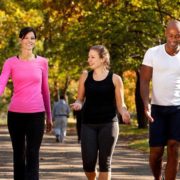
Get moving and boost your immune system!

A N.Y. Times article cited a 2020 study out of Stanford where 36 subjects with various fitness levels exercised on a treadmill for 9-10 min and using the latest techniques showed almost 10,000 molecular changes during and after exercise.

With these new techniques, called “omics”, the researchers have isolated various molecules in our bloodstream that alter our biology. Metabolomics looks at molecules like appetite hormones and enzymes produced by the microbes in the gut; genomics looks at changes in gene expression; immunomics looks at the changes in the immune system; and, proteomics and lipidomics look at changes in proteins and fats. The list goes on. The author of the study quotes there is an “ orchestrated choreography of biologic processes” demonstrated to occur.

Why is this research important?

Recently we find that we are spending more time at home. We find ourselves sitting in front of the computer more than ever. Sitting too much weakens our immune system, increases the risk of diabetes, heart disease, depression and decreases bone density. We need to learn to be more creative about how we move our bodies.

We are all concerned about how robust our immune system is against potential illnesses.

One of the best immune boosters is exercise and this recent study out of Stanford, published in the journal Cell, showed even less than 10 min of exercise produces changes in thousands of molecules which affect inflammation, DNA and tissue repair, insulin resistance, oxidative stress, metabolism, immunity, and appetite.

Questions? Give Us a Call!

703-532-4892 x2

With less access to gyms, we need to be creative about making sure we incorporate exercise into our daily routine.

Hiking, biking, running, and many online classes including yoga are available. In addition, a total body workout is ideal to keep all of our muscles strong and stimulate bone density.

If time is short, one way is to do a 7-8 min workout using body weight and minimal props. Combining this with yoga improves bone density, strengthens our immune system, and stimulates proteins that reverse aging. So get out of your chair and move!

And there’s more to keep in mind…

  • Post-menopausal women have an increased risk of osteoporosis. Exercise is a key factor to improve bone density. Make sure you get a DEXA scan and review options for treating osteopenia and osteoporosis.
  • Evaluating gut health not only can boost your immune system but also can improve brain health. We have several tests to look at digestive health and a dietitian to help you navigate food choices.
  • Balancing your hormones (i.e. thyroid and sex hormones) can improve your metabolism. We have advanced testing to look at these hormones including cortisol to evaluate adrenal function.
  • NAD infusions can reduce DOMS (delayed onset muscle soreness), improve cognition and fatigue, reduce pain, and improve sleep.

We are here for you, and we want to help.

Our goal is to return you to optimal health as soon as possible. To schedule an appointment please call: 703-532-4892 x2

Gentle Yoga Poses for Back, Neck and Hips

May 13, 2020/in Wellness/by Kaplan Center

Yoga is a wonderful tool to alleviate stress, which in turn can improve both your mental and physical health. Taking just a few minutes each day to gently move and stretch your body can make a big difference. Here are some gentle yoga poses to try at home.

Seated Pigeon Pose

This gentle stretch opens up the hips, glutes, and lower back.

Eagle Arms Posture

Eagle Arms helps to release tension in the head, neck and shoulders.

Runners Lunge/Yogic Lunge

Yogic Lunge opens up the hips and releases the lower back.

Seated Spinal Twist

Seated Spinal Twist gently loosens strained muscles in the back to revitalize the spine and posture.

Sun Salutations A & B with Dr. Lisa Lilienfield

April 29, 2020/in Meditation, Wellness/by Kaplan Center

During stressful times I find the need for grounding, and through Yoga, I find its strength, stability, and ease to be most helpful.

Yoga (translated from Sanskrit as “to yoke”) is a moving meditation, utilizing breathing techniques called Pranayama, which we know will stimulate our parasympathetic nervous system, the opposite of fight and flight.

Here I am demonstrating 2 simple Sun Salutations, A & B, that take all your major joints through a range of motion, and warm up the musculature, with emphasis on the inhalation and the exhalation. These poses are the gateway to other standing poses.

Enjoy!

Dr. Lisa Lilienfield

Sun Salutation A

Sun Salutation B

We are here for you, and we want to help.

Our goal is to return you to optimal health as soon as possible. To schedule an appointment please call: 703-532-4892 x2

Maximizing Sleep During COVID-19

March 31, 2020/in COVID-19, Lifestyle, Long Covid, Nutrition, Wellness/by Kaplan Center

Life’s demands before COVID-19, like keeping up with work, relationships, health, and finances, were already enough to negatively impact sleep for millions. Today, we are learning to deal with new stresses including how to live in isolation, along with the constant worry and uncertainty of the future. Despite our best efforts to remain focused on the mundane and simple pleasures of life – if for nothing else but to keep our sanity – our thoughts are diverted by fears. Getting to sleep and staying asleep seems impossible.

But preventing and recovering from the COVID-19 virus requires our immune system to be as strong as possible. Sleep is a crucial factor that cannot be overlooked.

If you are having trouble sleeping, here are some actionable steps that may help you wind down and get a good night’s rest.

1. Stick with a routine.

Although our lives turned upside down in just a matter of days, keeping a routine, particularly a nighttime routine, is important to regulate your body’s internal clock. Aim for a bedtime that will allow 7-9 hours of sleep each night.

2. Turn it off.

We all want to stay informed about the COVID-19 pandemic, but a continuous barrage of negative news can have a profound effect on sleep, mental health, and immune system. Avoid watching the news before turning in for the night.

3. Avoid caffeinated beverages after 3 pm.

4. Get regular physical exercise.

Regular exercise will help tire you out and reduce stress levels. If you can safely exercise outside while keeping within today’s social distancing guidelines set by the CDC, try to do so every day. If that’s not possible, look to the web for home workout appropriate to your fitness level.

5. Avoid artificial light at night.

Light from the computer screen at night may interfere with melatonin production.

6. Meditate*.

Quieting the mind with a regular meditation routine can help shed the day’s worries and fears.

7. Breathe deeply*.

Research has shown that breathing exercises can change the body’s response to stress and improve sleep quality.

8. Talk to your doctor about sleep supplements.

Sleep aids can help individuals who have difficulty falling asleep but may come with side effects. It’s also very important to note that the FDA does not regulate the supplement industry with the result that some products may have labeling inaccuracies. For these reasons, be sure to talk to your doctor before taking any type of sleep aid. Click here for a list of supplements to help regulate sleep, naturally.

9. Try herbal teas.

Herbal teas are a very gentle way to reduce stress and anxiety that also promotes sleep. They have been used across the globe for centuries, and are very accessible to all of us. Click here for a list of herbal teas recommended for sleep.

We hope the tips above will make a difference in your sleep routine. We are all going through the hardest of times, but remember, you are not alone. Most importantly, please call your healthcare provider right away if you feel overwhelmed and are in need of help.


*If you are a patient of The Kaplan Center, our psychotherapist, Jodi Brayton, is currently offering these services via cloud visit/telemedicine appointments. Please call today for more information: 703-532-4892.

We are here for you, and we want to help.

Our goal is to return you to optimal health as soon as possible. To schedule an appointment please call: 703-532-4892 x2


SPECIAL REPORT
Understanding Post-Covid Syndrome

Understanding Post-Covid Syndrome

Three Part Breath (Dirga Pranayama) with Dr. Lisa Lilienfield

March 25, 2020/in Lifestyle, Meditation, Wellness/by Kaplan Center

Dr. Lisa Lilienfield guides us through a wonderful breathing exercise called Three-Part Breath (Dirga Pranayama).
The “three parts” are the abdomen, diaphragm, and chest.

Do this anytime to ease feelings of fear, tension, and stress in the body.

Medical benefits of Pranayama

There are several studies that show the medical benefits of Pranayama. One study showed improvement in pulmonary function tests in patients with asthma and emphysema after practicing yoga and Pranayama for 45 min a day over the course of two months. Several studies have supported Bhastrika Pranayama in enhancing “parasympathetic tone.” Another study showed the benefits of Alternate Nostril Breathing in increasing parasympathetic tone by measuring heart rate variability and expiration-inhalation ratios. A pilot study with chemotherapy patients showed improvement in mood and sleep after Pranayama, and numerous other studies support the benefits of Pranayama in depression and anxiety.

In sum, Pranayama is accessible to all and can be used with meditation, or on its own, to stimulate the parasympathetic nervous system. This is something we all could use more of, leading us toward greater health and a sense of well-being.

READ MORE –>>

We are here for you, and we want to help.

Our goal is to return you to optimal health as soon as possible. To schedule an appointment please call: 703-532-4892 x2



The Science of Breathing (Pranayama) and Its Positive Effects on Health

March 22, 2020/in Meditation/by Lisa Lilienfield, MD

Stress is an inevitable part of life and will always be there, but the overwhelming amount of bad news is causing anxiety levels to skyrocket. How we respond to it is a key factor in maintaining good health.

In this article, I plan to explore healthy ways to live with stress, by focusing on breathing techniques called Pranayama that can help to change our negative response to stress.

What is Allostatic Load?

We have physiological responses to stress that are important for survival. It is only when these responses become chronic that we suffer what is termed allostatic load, leading to an increase in diseases such as heart disease, cancer, stroke, and diabetes. Consider the following process:

  1. When crises or urgent situations occur, the amygdala, a structure in the brain with an influential role in fear and aggression at the sense of danger, fires to alert the brain to do something;
  2. The sympathetic nervous system (SNS) is activated; breathing picks up, the heart beats faster, blood rushes away from organs like the digestive tract into the muscles, and we “fight or take flight;”
  3. If the sense of danger persists then structures in the middle part of the brain (called the Limbic System) such as the hypothalamus & pituitary stimulate the adrenals to pour out cortisol and adrenaline (HPA Axis).

If this system is fired up repeatedly, over time this allostatic load will take a toll on the body.

Today’s stressors are far different than those of the past, even the very recent past. We are living in confusion about what we can and cannot do, the fear of losing our jobs, our health, and the health of a loved one – this on top of the more subtle stressors of everyday life. The result is a heightened and prolonged state of anxiety that needs to be addressed in some way other than constant worry and sleeplessness. We need to explore ways to mitigate the effects of the amygdala and HPA axis, which is involved in the neurobiology of mood disorders and functional illnesses.

Questions? Give Us a Call!

703-532-4892 x2

Autonomic Nervous System

The autonomic nervous system (ANS) consists of the sympathetic nervous system (sometimes referred to as the “fight or flight system”) and the parasympathetic nervous system (PNS), which returns us to a relaxed resting state. The PNS is under the control of the vagus nerve. Nerve fibers from the central nervous system go to the organs in the abdomen, thorax, throat area, and to the heart; and fibers from the organs go back into the central nervous system to convey what is going on internally. Nerve fibers send branches into the limbic system of the brain that stimulate or inhibit the stress response. All these structures control internal perceptions, threats, and affective states.

The most advanced part of the vagus nerve is the myelinated vagus, found only in mammals. The myelinated vagus enhances the calming PNS, which slows the heart rate, lowers blood pressure, and repairs, restores, and promotes feelings of safety. The variability of the heart rate is a reflection of PNS activity and can be measured as an indication that the vagus nerve is firing, leading to a calming, resting, restorative state.

Breathing & Respiration

Breathing involves the movement of air in and out of the lungs, and respiration involves a gas exchange between the lungs and the blood. As the diaphragm and the chest muscles contract on inspiration, the diaphragm moves down, the ribs expand and oxygen moves into the lungs. On expiration, the diaphragm and chest muscles relax and carbon dioxide moves out of the body, into the atmosphere.

For the most part, control of the breath is automatic and involuntary. The respiratory center in the brain stem is responsible for breath rate control, and there are receptors in the aorta that detect changes in the blood to regulate the respiratory rate. For example, with exercise, carbon dioxide levels go up, and the receptors in the aorta stimulate the respiratory center to increase the respiratory rate, decrease carbon dioxide and increase oxygenation. However, if breathing is shallow and fast, as is common in the stress response, hyperventilation occurs, which lowers carbon dioxide too much, leading to dizziness, unease, and anxiety.

There are aspects of breathing that we control in a voluntary and conscious manner via the cortex of the brain. Speaking, singing, and playing wind instruments are good examples. Also, stress and emotional stimuli may induce accommodation of breathing as mentioned previously.

Pranayama

Pranayama (yogic breathing) involves the voluntary control of the breath, and is practiced widely in yoga and meditation, but is something that anyone can do. Slow Pranayama appears to shift the autonomic nervous system from the fight or flight sympathetic to the calming parasympathetic state and has been shown to positively affect immune function, hypertension, asthma, and stress-induced psychological disorders. Examples of Pranayama include:

  • Ujayi breath – Used during yoga poses, inhaling and exhaling through the nose while creating a slight constriction in the throat;
  • 3 part breath (Dirga) – Inhaling and expanding the belly, then the lower rib cage, then upper rib cage;
  • Alternate Nostril Breathing (Nadi Shodhana) – Exhaling then inhaling starting with the left side then exhaling and inhaling on the right;
  • Bellows Breath (Bhastrika) – Quick thrusts of the belly in on exhalation, which really works the diaphragm. The emphasis on the diaphragmatic breath is important because most people over-utilize chest muscles and don’t get adequate breath, thereby creating shallow breath and inadequate oxygenation.

Medical benefits of Pranayama

There are several studies that show the medical benefits of Pranayama. One study showed improvement in pulmonary function tests in patients with asthma and emphysema after practicing yoga and Pranayama for 45 min a day over the course of two months. Several studies have supported Bhastrika Pranayama in enhancing “parasympathetic tone.” Another study showed the benefits of Alternate Nostril Breathing in increasing parasympathetic tone by measuring heart rate variability and expiration-inhalation ratios. A pilot study with chemotherapy patients showed improvement in mood and sleep after Pranayama, and numerous other studies support the benefits of Pranayama in depression and anxiety.

In sum, Pranayama is accessible to all and can be used with meditation, or on its own, to stimulate the parasympathetic nervous system. This is something we all could use more of, leading us toward greater health and a sense of well-being.

References

C. Collins, “Yoga: Intuition, preventive medicine, and treatment,” Journal of Obstetric, Gynecologic, and Neonatal Nursing (1998): 27 (5) 563-568.

A. Dhruva, C. Miaskowski, D. Abrams, M. Acree, B. Cooper, S. Goodman, and F.M. Hecht, “Yoga breathing for cancer chemotherapy-associated symptoms and quality of life: results of a pilot randomized controlled trial.” Journal of Alternative & Complementary Medicine (May 2012); 18(5):473-9. doi: 10.1089/acm.2011.0555. Epub 2012 Apr 23.

J. Gallego, E. Nsegbe, and E. Durand, “Learning in respiratory control,” Behavior Modification (2001): 25 (4) 495-512.T. Pramanik, H. Sharma, S. Mishra, A. Mishra, R. Prajapati, and S. Singh, “Immediate Effect of slow pace bastrika pranayama on blood pressure and heart rate.” Journal of Alternative & Complementary Medicine (March 2009).

A. Guz, “Brain, breathing and breathlessness,” Respiration Physiology (1997): 109, 197-204.P. Sangupta “Health Impacts Of Yoga & Pranayama; a State of the Art Review,” International Journal of Preventative Medicine (July 2012) Vol. 3 Issue 7, p444.

R. Jerath, J.W. Edry, V.A. Barnes, and V. Jerath, “Physiology of long pranayamic breathing: Neural respiratory elements may provide a mechanism that explains how slow deep breathing shifts the autonomic nervous system,” Medical Hypothesis (2006): 67, 566-571.

G.K. Pal, S. Velkumary, and Madanmohan, “Effect of short-term practice of breathing exercises on autonomic functions in normal human volunteers,” Indian Journal of Medical Research (2004): 120, 115-121.

T. Ritz and W.T. Roth, “Behavioral intervention in asthma,” Behavior Modification (2003): 27 (5), 710-730.

R. Soni, K. Munish, K. Singh, and S. Singh, “Study of the effect of yoga training on diffusion capacity in chronic obstructive pulmonary disease patients: A controlled trial,”International Journal of Yoga (July 2012): 5(2):123-7. doi: 10.4103/0973-6131.98230.

R. Sovik, “The science of breathing – The yogic view,” Progress in Brain Research (2000): 122 (Chapter 34), 491-505.

J. Willmore and D. Costill, Physiology of Sport and Exercise, 3rd ed. (Champaign: Human Kinetics, 2004)

We are here for you, and we want to help.

Our goal is to return you to optimal health as soon as possible. To schedule an appointment please call: 703-532-4892 x2

PODCAST: “Stress, Sleep And Total Recovery With Dr. Gary Kaplan”

January 8, 2020/in Conditions, Inflammation, Lifestyle, Meditation, Wellness/by Kaplan Center

Dr. Gary Kaplan, Director of the Kaplan Center for Integrative Medicine and author of Total Recovery, A Revolutionary New Approach to Breaking the Cycle of Pain and Depression joined Cate Stillman, founder of the YogaHealer Podcast to chat about the various impacts of stress and sleep deprivation on the brain and overall health. Topics he covered included:

  • What is Mast Cell Activation Syndrome
  • What causes brain inflammation and how it impacts our quality of life
  • Why sleep is so crucial for long-term health and tips on how to optimize your sleep
  • How Yoga treats pain
  • Why meditation is so effective for sleep and pain disorders
  • Why sleep apnea is so dangerous for your overall health
  • What really causes Lyme disease
  • What is EDS and how does it impact the body on a deeper level

Listen now –>>

https://kaplanclinic.com/wp-content/uploads/2020/01/GaryKaplanYogaHealerPodcast.mp3


Timestamps:

  • 4:00 – 9:00 Stress and inflammation in the brain
  • 9:00 – 17:00 Optimal sleep and sleep disorders
  • 17:00 – 24:20 Sleep Apnea
  • 25:30 – 29:30 Disease in adolescents and belief systems
  • 29:30 – 36:00 Meditation, processing emotions and gratitude
  • 36:00 – 40:30 The benefits of habits on overall health
  • 40:30 – 46:00 Lyme disease and EDS

More helpful links:

  • Have a conversation
  • Order Cate Stillman’s new book “Master of You”
  • Radical Acceptance: Embracing Your Life With the Heart of a Buddha by Tara Brach
  • Widen the Window: Training Your Brain and Body to Thrive During Stress and Recover from Trauma by Elizabeth A. Stanley PhD
  • May Cause Happiness: A Gratitude Journal by David Steindl-Rast
Lisa_Lilienfield_MD

Provider Spotlight: Lisa Lilienfield, MD

April 6, 2016/in Wellness/by Lisa Lilienfield, MD

“Provider Spotlight” is a series that highlights the wonderful team of healthcare providers and specialists here at the Kaplan Center for Integrative Medicine.

spotlight lilienfieldDr. Lisa Lilienfield has been with the Kaplan Center for over 16 years. She is board certified in Family Medicine and practices Acupuncture and Osteopathic Manipulative Medicine, with expertise in both Women’s Health and Sports Medicine.

Why did you choose your specialty?

When I was in medical school I really enjoyed all of the different aspects of medicine, including Pediatrics, OB/GYN, Adult Medicine, and Psychiatry. When I learned about family medicine, which incorporates all of these specialties, I knew it was the right choice for me. Family medicine allows me to see all different age groups and practice all of the different types of medicine I really enjoy.

What is the biggest challenge in your practice and how do you overcome it?

In our practice, we see patients with very challenging and difficult cases, many of whom have already been to multiple physicians. For me, the biggest challenge centers around the concern I feel about whether or not I am going to find my patients a solution. I want to help each one of them find the right answer and feel better.

One of the wonderful and unique things about the Kaplan Center is our weekly collaborative meetings, where all of our providers put our heads together to find the appropriate solution for each patient in our practice. Fortunately, we have a team of really smart providers and we are never alone in finding the right path for our patients.

What’s the one piece of advice that you give to all of your patients?

The one piece of advice that I give all my patients is to find balance in their lives. Life isn’t all about work. We have to find balance with play and creativity. We need to take care of ourselves by eating good food, getting enough sleep, exercising, and socializing. It’s easy to fall into a pattern where you are out of balance, so this is the one piece of advice I wish all of my patients would follow.

What are some of your interests and/or pastimes outside of work?

Outside of work I am presently completing advance yoga teacher training. I have really enjoyed learning about the philosophy and history of yoga because there’s a lot more to it than most people think. This training has taken up a good amount of my extra time. I also have a big family – kids, step-kids, and grand-kids – and fortunately we are able to spend a lot of time together.

If you could choose another career, what would it be?

This question really stumps me! I actually decided to go into medicine when I was in the 7th grade. My father was a physician, not a clinical physician, but a professor, so at an early age I decided that it was also the path for me. Quite frankly I can’t imagine doing anything else!

To read Dr. Lilienfield’s complete bio, click here.

Yoga Rooms Offer Respite at Busy Airports

July 23, 2015/in Lifestyle/by Kaplan Center

Attention yogis! You may think that the airport is the last place you could find a moment of tranquility, but in an effort to make airline traveling a less stressful experience for its customers, a handful of airports are trying to change that perception.

In 2012, San Francisco International Airport made history by being the first to create a dedicated space for the practice of yoga and self-reflection. Since then, a growing number of other airports have caught on to this trend, and we really hope to see it continue!

Air travel today has become more stressful than ever before. 9-11 changed everything, making long lines and multiple security checkpoints the new norm. If you add in the exhaustive media coverage of each air tragedy, canceled flights, long layovers, and the constant and inescapable background noise at every airport, you may find yourself in the midst of a perfect storm of stress and anxiety which can take a toll on your mental and physical well-being. With minimal overhead, airport yoga rooms offer an opportunity for passengers to focus on their health & well-being, a welcome change from the customary options of restaurants, bars, and shopping venues that bombard travelers as soon as they walk through the doors.

3 Great Reasons to Visit an Airport Yoga Room:

  1. You’ll feel happier. A yoga room provides a brief respite from the hustle and bustle of traveling, keeping the mind calm, and helping to reduce stress and anxiety levels.
  2. You’ll feel healthier. Being able to stretch your body before, after, or in-between flights will help you stay limber and increase circulation. (Circulation tends to slow down during air travel, and can cause lower leg swelling, general discomfort, and even more serious issues like blood clotting.)
  3. You’ll feel wiser. Having the option to practice your regular yoga routine will keep you focused on your health and well-being, instead of the less healthy pastimes like the airport bar or convenience restaurant.

Here is a list of airports that currently have a yoga and/or meditation room available to their ticketed passengers:

Burlington International Airport
Chicago’s O’Hare International Airport
Dallas-Fort Worth International Airport
Helsinki Airport
San Francisco International Airport
Raleigh-Durham International Airport
Heathrow Airport
Chicago Midway International Airport
San Diego International Airport

Page 2 of 3123
Print Friendly, PDF & Email

Resources

  • Health & Wellness Blog
  • Events
  • Featured Press
  • Featured Podcasts and Webinars
  • Videos
  • Books
  • eBooks
  • Professional Resources
  • Research

Do you have questions about The Kaplan Center for Integrative Medicine?
Call Us Today!

703-532-4892, Ext. 2

Subscribe

Are you looking to improve your overall wellness?

Contact Us Today

Personalized care you can trust.

Our integrative, non-surgical treatment approach is highly successful in maintaining wellness and also treating chronic pain and illness. For more than 30 years, we have delivered superior, cutting-edge health care in the Washington, DC area.

QuickLinks

  • Integrative Medicine – McLean, VA – Kaplan Center
  • Conditions
  • Providers
  • Services
  • About
  • Resources
  • Store
  • Contact

Contact Information

Tel: 703-532-4892
Fax: 703-237-3105

6829 Elm Street, Suite 300
McLean, Virginia 22101
Map It

Hours of Operation
Mon – Thu : 8 am – 5 pm, ET
Fri : 8 am – 12 pm, ET

Copyright 2025 The Kaplan Center. All rights reserved. | Privacy Policy | Patient Portal | The Foundation for Total Recovery
  • Link to Facebook
  • Link to X
  • Link to Youtube
  • Link to LinkedIn
  • Link to Instagram
Scroll to top Scroll to top Scroll to top