
• 703-532-4892
  • New Patients
  • Patient Portal
Kaplan Center for Integrative Medicine : McLean, Virginia
  • Conditions
    • Long-COVID Syndrome
    • Alzheimer’s Disease & Cognitive Decline
    • PANS & PANDAS
    • Lyme Disease
    • Small Intestinal Bacterial Overgrowth (SIBO)
    • Fibromyalgia
    • Heavy Metal Toxicity
    • Hormonal Imbalances
    • Mold Toxicity
    • Myalgic Encephalomyelitis/Chronic Fatigue Syndrome
    • Neurotoxicity
    • Thyroid Disorders
    • All Conditions
  • Services
    • Therapeutic Plasma Exchange (TPE)
    • Longevity Services
    • Long-COVID Recovery Services
    • Acupuncture
    • Detoxification Protocol
    • Herbal Remedies & Nutritional Supplements
    • Hormone Replacement Therapy
    • IV Therapy
    • Niagen+ (NR) IV Therapy
    • Nutritional Testing, Counseling & Coaching
    • Physical Therapy
    • Psychotherapy, EMDR & Guided Meditation
    • Telemedicine
    • All Treatments
  • Providers
    • Gary Kaplan
    • Lisa Lilienfield
    • Rebecca Berkson
    • Jeanne Scheele
    • Patricia Alomar
    • Jessica Briscoe Coleman
    • Jodi Brayton
    • Chardonée Donald
    • All Providers
  • About
    • Why Kaplan Center?
    • The Kaplan Method®
    • Integrative Medicine
    • Dr. Gary Membership
    • Our Support Team
    • Financial FAQs
    • Provider Fees
    • Our Goal
    • Patient Testimonials
  • Resources
    • Health & Wellness Blog
    • Events
    • Featured Press
    • Featured Podcasts and Webinars
    • Videos
    • Books
    • eBooks
    • Professional Resources
  • Store
  • Contact
  • 703-532-4892
  • Click to open the search input field Click to open the search input field Search
  • Menu Menu

Tag Archive for: brain health

Posts

Young woman losing parts of head as symbol of decreased mind function.

Addressing the Fear of Cognitive Decline & How to Be Proactive

March 9, 2026/in Inflammation, Mental Health, Wellness/by Lisa Lilienfield, MD

Alzheimer’s disease, the most common form of dementia, is the sixth leading cause of death in the U.S. For most people, the subject of Alzheimer’s brings fear and trepidation. Why? Because the thought of deteriorating brain function and memory loss is frightening. Unfortunately, current medical treatments are inadequate, dealing only with its end result.

Alzheimer’s is characterized by the destruction of synapses in the neurons, the nerve cells in the brain, by amyloid plaques. In addition, “tangles” form in the cells leading to loss of brain function. This leads to progressive loss of memory and behavioral problems like aggression, hallucinations, and delusions, as well as deterioration of activities of daily living. This is heartbreaking for patients and their families. And, despite years of ongoing research, there are still many unanswered questions about what causes Alzheimer’s disease.

Let’s explore some of the known risks associated with dementia and learn how to lower those risks.

Type 3 Diabetes

You may not have heard the term “type 3 diabetes” as another name for Alzheimer’s Dementia. Type 2 diabetes and prediabetes, also called insulin resistance, are both strongly linked to the development of Alzheimer’s dementia. This could actually be good news because it means this is a preventable risk factor.

Why has the term Type 3 diabetes been coined?  Let’s start by discussing sugar, which in large quantities is a poison. The body is not designed to handle more than 15-20 grams per day, yet a soda has at least 40 grams and the average American consumes 82 grams per day.

Excess sugar causes an outpouring of insulin from the pancreas and over time causes the cells in the body – including the brain – to become resistant to insulin. This leads to chronically elevated blood sugar which causes Advanced Glycation End products or AGEs to be produced. These AGEs then attack the eyes, kidneys, peripheral nerves, and the brain!

Environmental factors

Heavy metals, such as lead in pollution and mercury in dental amalgams, and large fish, like tuna, swordfish, and shark increase the risk of dementia. In the 1800s the term “mad as a hatter” came about because hat makers were using a form of mercury to make fur hats and it destroyed brain cells.

Living or working in a water-damaged building leads to the growth of toxic mold, which poisons the nervous system.

Studies also show that living near major highways is a risk factor for Alzheimer’s.

Long COVID

Recent research suggests that long COVID may share biological pathways with Alzheimer’s disease. Studies have found that some individuals with long COVID show elevated levels of Alzheimer’s-related biomarkers—such as tau proteins—as well as signs of persistent neuroinflammation, structural brain changes, and cognitive impairment. While researchers are still investigating whether COVID-19 directly increases Alzheimer’s risk, these findings suggest the virus may contribute to neurological changes that resemble or potentially accelerate processes involved in neurodegeneration.

Other causes of dementia include:

  • Recurrent traumatic brain injury (concussions)
  • Infections like Lyme disease and syphilis
  • Excess alcohol and drugs
  • Prolonged general anesthesia
  • Sleep apnea
  • There are several genes that predispose to Alzheimer’s such as the ApoE4. However, just because we have a gene does not mean it will be expressed. Every time we eat, exercise, sleep, meditate, communicate, create something, play, learn, and love, we are turning genes on and off.

Questions? Give Us a Call!

703-532-4892 x2

The good news is the brain can actually grow and change in a positive way, even as we get older.

Be proactive in reducing your risk of dementia with these strategies:

Lifestyle strategies can promote neurogenesis (new brain cells) and neuroplasticity (changes in the brain and its pathways). These strategies involve a substance called BDNF or brain-derived neurotrophic factor, which promotes brain cell growth and connectivity as demonstrated on MRI scans. In fact, the hippocampus, which is involved in emotional memory, gets larger the more BDNF is available. A large part of the lifestyle strategy involves modifying the diet to lower unhealthful carbs and increase healthful fats thus lowering the risk of diabetes.

  1. Reduce (non-vegetable) carbohydrate consumption.
    Sugars/artificial sweeteners and grains can cause inflammation of the lining of the digestive tract, or “leaky gut”. An inflamed gut causes an inflamed brain and reduces the size of the hippocampus. Functional testing looking at stool, urine, and breath can determine if your gut is leaky. Replace nutrients lost from a leaky gut or poor diets like B12, folate, B6, magnesium, and iron.
  2. Increase healthy fat consumption.
    Increase your omega-3 fat intake and reduce the consumption of damaging omega-6 fats (like processed vegetable oils) in order to balance your omega-3 to omega-6 ratio. Omega-3 from fish sources shows a lower risk of cognitive impairment.
  3. Add prebiotics & probiotics to your diet.
    Prebiotic fiber nurtures gut bacteria and the hippocampus. Probiotic supplementation, which enhances the healthy bacteria in the gut, decreases the inflammatory marker, C-reactive protein, increases the antioxidant  glutathione, and improves mental status as measured by the Mini Mental Status Exam
  4. Improve your sleep habits.
    Work on getting at least 7-8 hours of solid sleep. If sleep is poor, rule out sleep apnea. A 2020 study published in the journal Sleep confirms that people who have obstructive sleep apnea – or intermittent interruptions in breathing – in their middle ages are more likely to develop Alzheimer’s Disease. If you’re not sure if you have sleep apnea, but you find yourself exhausted during the day, take this short quiz as the first step towards diagnosis.
  5. Exercise!
    Physical activity produces biochemical changes, increasing BDNF, that strengthen and renew not only your body but also your brain – particularly the hippocampus, the area associated with memory and learning. This is especially important for carriers of the ApoE4 gene. A good exercise regimen includes aerobic and resistance training at least 3-4 times per week for 30-45 minutes.
  6. Try Niagen+ IV Therapy to boost NAD+ levels.
    Sirtuins, which are NAD+-dependent enzymes, have shown to benefit brain health by acting on amyloid plaques, repairing DNA, lowering inflammation, and promoting neuronal function, which in turn can prevent or delay the onset of mild cognitive decline. Click here to learn how Niagen+ IVs help boost NAD+ levels.
  7. Go Keto.
    The ketogenic diet. is linked to an increase in BNDF, which causes the hippocampus to get bigger (better memory). This involves cutting down on carbohydrates which reduces insulin resistance (diabetes) and increasing good fats like avocado, olive oil, MCT (medium-chain triglycerides found in coconut oil), and intermittent fasting 12-14 hours between dinner and breakfast so that the body breaks down fats and produces ketones. Note: The Ketogenic diet is not for everyone, ask your physician before starting any specialized diet.
  8. Eliminate toxins.
    Consider getting tested for heavy metal and toxic mold exposure and work with your doctor to eliminate them.
  9. Check your hormone levels.
    Balance hormones, such as thyroid, cortisol, sex hormones, and Vitamin D (which is actually a hormone).
  10. Find out whether you are insulin resistant.
    Get a HgA1C test and a fasting insulin test. Eliminating the risk of Type 2 diabetes (insulin resistance) can lower the risk of Alzheimer’s dementia (Type-3 Diabetes).
  11. Remember to take time to slow down, be mindful (meditation and yoga) spend time with loved ones, and take time to laugh and have fun. This is medicine for our minds.

Lisa Lilienfield, MD

We are here for you, and we want to help.

Our goal is to return you to optimal health as soon as possible. To schedule an appointment please call: 703-532-4892 x2

Dr. Kaplan on the science and benefits of staying active all season long

January 13, 2026/in Featured Press, Wellness/by Kaplan Center

Dr. Gary Kaplan emphasizes that consistent aerobic activity and strength training, combined with social connection—at any age, but especially for older adults—is essential for preserving muscle, reducing brain inflammation, and supporting longevity as we age.

Read the article on The Beacon.

5 Ways We Can Keep Your Immune System Strong

December 10, 2025/in Treatments, Wellness/by Kaplan Center

Now is the time to cultivate healthy living strategies like improving your diet, getting better sleep, losing weight, quitting smoking or vaping, cutting back on alcohol, or starting a regular exercise routine. Any of these changes will make a positive impact on your health, but sometimes the anxiety of making them can get in the way of getting started. If you need help setting and reaching any of your health goals, here are some ways we can help.

IV Therapy

Long-term vitamin and mineral deficiencies can wreak havoc on anyone’s health, not just the chronically ill (yes, that means you too!). IV Therapy is a highly effective way to deliver vital nutrients to the body whether you are looking to improve or maintain your health.

By restoring optimum levels of key nutrients, like Vitamin C (Modified Myers Cocktail), magnesium, glutathione, or NAD +, our IV patients see benefits that include an increase in energy, a decrease in stress, and improvements in mental focus and clarity. And unlike oral supplements, IV solutions are infused directly into the bloodstream and available for immediate use by your body.

IV Therapy is a natural and effective way to keep your immune system strong, keep your body hydrated, and minimize the negative health effects that come with life’s stressors.

More info →

Nutritional Counseling

Your body mirrors your diet. So, when you feel pain, fatigue, and anxiety, your body is trying to tell you something.

What we know is that chronic inflammation contributes to several pain conditions, as well as depression and other mental health disorders and that cutting out inflammatory foods can make a big difference. But we are not always successful in making those changes.

Professional nutritional counseling is a great way to tackle your personal health goals. Using the latest scientific research, years of clinical experience, and problem-solving skills, our providers can offer you help for every health concern, whether it’s managing an illness, reducing aches and pains, losing weight, or increasing energy and overall wellness.

More info →

Acupuncture for Sleep Management

Chronic sleep deprivation can impair the body’s immune system, physical reflexes, emotional stability, and cognitive functions. Severe sleep deprivation can result in weight gain, an increase in muscle and nerve pain, and even depression.

Acupuncture has been used to treat sleep disorders for thousands of years. Research supports acupuncture’s ability to calm the nervous system, increase melatonin levels, and increase periods of deep sleep (REM) to help restore healthy sleep patterns.

More info →

Homeopathic Remedies & Supplements

Supplements, when chosen thoughtfully, can supply nutrition to support the physiological and biomechanical processes of the human body. The Kaplan Team has designed – and discounted – several different supplement packages tailored to a variety of needs. If you are looking to boost your immune system, check out our immune boosting supplement packages.

More info →

Functional Medicine Assessment

If you’re not sure where to begin, a Functional Medicine (FM) assessment is a great place to start. Using a systematic approach, we’ll take a close look at 6 major areas of health, including the immune system, to identify areas of imbalance or deficiencies that may be limiting your overall health or contributing to disease. Once identified, you and your doctor are ready to set goals and create a roadmap to achieve them. Because of its whole-health approach, an FM assessment and its recommendations can help prevent illness while optimizing your current state of health.

More info →

There is a lot you can do to keep your immune system strong. To make an appointment for any of the services listed above, or for more information, call 703-532-4892, ext. 2.

We are here for you, and we want to help.

Our goal is to return you to optimal health as soon as possible. To schedule an appointment please call: 703-532-4892 x2

This article was reviewed and updated in December, 2025.


Sharpen Your Cognitive Health and Eliminate Brain Fog

Out of the Fog: Strategies to Prevent Brain Fog and Sharpen Cognitive Function

November 19, 2024/in Digestive Issues, Lifestyle, Mental Health, Nutrition, Wellness/by Kaplan Center

It’s easy to take your mental health for granted until one day you realize that you haven’t been feeling as mentally sharp as you once were. Maybe you’re having more frequent slips in memory or you feel like you’re walking around with your head in a cloud. When these moments occur, you may be quick to dismiss them, but brain fog, in a sense, is the body’s way of indicating that the brain is not working the way it’s supposed to be. So, what is brain fog and why does it happen?

Brain fog is not an actual clinical condition, but rather a term for a subjective set of symptoms that people experience. Some may be affected by poor concentration or a decrease in intellectual productivity, while others may experience memory problems (difficulty with recalling words, details, etc.). Other symptoms can include feelings of confusion, depression, and headaches. People of any age and gender can experience any one or all of these symptoms at any given time.

These changes in cognitive function are not only mentally exhausting, but they can also have a very real effect on a person’s emotional wellbeing. Operating in a reduced state of mental acuity can knock down a person’s self-confidence, cause workplace productivity to suffer, and may even be a reason to withdraw from social outings. But it’s important to understand that brain fog is not a normal part of the aging process.

There are many factors that can initiate symptoms of brain fog; some that you may not think are related. Unlike dementia, which can be permanent, and in some cases, progressive, brain fog symptoms are likely to improve when contributing factors are addressed.

Questions? Give Us a Call!

703-532-4892 x2

How to Get Rid of Brain Fog

Here are 6 common contributors with tips on what you can do to improve or even eliminate your symptoms altogether.

1. Poor nutrition.

The connection between the brain and the gut is also known as the “gut-brain axis.” It’s a bi-directional connection, which means that the gut and the brain essentially speak to each other. This means that when the integrity of one component is compromised, the other is directly affected. Therefore, poor nutritional choices will have a direct effect on brain function.

Highly processed meals and drinks that are loaded with simple sugars and other artificial ingredients can cause a disruption in the gut flora and lead to a condition called intestinal permeability, or leaky gut. When the gut lining is weakened unwanted substances are able to break through the protective filter between the intestines and our bloodstream. The are several issues that then become a problem. The first is that the body will start to make antibodies to foods, causing allergies to foods we would not have been sensitive to when the intestine was healthy. The other issue is that when the intestinal barrier is impaired, the barrier around the brain that helps protect our brains from immune substances floating in the blood now can enter the brain and incite an inflammatory reaction. This can show up as fatigue, sleep disturbances and alterations in mood, anxiety, and depression, and brain fog.

In addition, common food additives like aspartame, Monosodium Glutamate (MSG), and nitrates/nitrites promote widespread inflammation and oxidative stress by producing free radicals that cause damage to brain cells and DNA when they overwhelm antioxidant levels in the body.

Solution: We should never take our food choices for granted! There are things that can be done nutritionally to help clear brain fog, boost energy, and increase productivity. Start by cutting down on processed foods and eating whole, organic, and non-GMO foods whenever possible. Next, eat probiotic-rich foods to help balance your gut flora and get rid of harmful bacteria. Probiotic-rich foods include sauerkraut, kimchi, Kombucha (watch out for sugar content), and kefir. If you have trouble getting these foods onto your plate, another great way to get good bacteria into your diet is supplementing with a daily probiotic.

2. Biotoxicity and Neurotoxicity

Biotoxins and neurotoxins are environmental toxins that can poison our physical and mental health. As toxins penetrate the blood-brain barrier, they are free to circulate throughout the body – including the brain! Once there, the glial cells that work to defend the nerves and brain cells from damage are compromised and unable to do their job. Although the symptoms vary, a common complaint of someone diagnosed with some form of toxicity is brain fog.

Solution: Eliminating biotoxins and neurotoxins from your home is the first step in any detoxification process. This may mean professional removal of mold-infested areas, air purification, and a change to buying “green” products that do not contain harmful ingredients like pesticides and other toxic ingredients. You’ll also need to make changes to your diet to exclude food items that may contribute to leaky gut. A compromised gut lining will allow more toxic substances to circulate through your body instead of being eliminated. If you have symptoms of brain fog talk to your physician about whether getting tested for the presence of biotoxins or neurotoxins makes sense for you.

3. Sleep Disorders

In the United States, as many as one-third of adults do not get the quality of sleep the body requires. It’s during sleep when the body is able to repair itself by calming inflammation and maintaining hormone production. When these two processes – both important elements in brain health – are compromised it can negatively impact your memory, decision-making, the capacity to focus one’s attention, and the ability to complete complex creative activities, among other things.

Solution: There are a lot of things you can do to improve your sleep pattern. Breathing techniques, meditation, dietary adjustments, starting an exercise routine (or adjusting your current one), and establishing a bedtime routine are just a few examples. If you think you may have an actual sleep disorder, a first step in further evaluation is to answer the eight questions on the Epworth Sleepiness Scale. If your score is equal to, or higher, than 10, the results should be discussed with your doctor.

4. Celiac Disease

People with Celiac Disease (CD) are no strangers to brain fog. Just like poor nutritional choices can lead to leaky gut, so can an allergy or sensitivity to gluten. The difference is, with Celiac Disease your immune system mistakes gluten, a normally benign food ingredient for most, as a foreign and deadly invader. When it’s detected in the body, the immune system begins to attack and destroy the gut lining and causes leaky gut. Once the villi are damaged the body is unable to absorb the nutrients it needs to keep the brain and body healthy and allows harmful substances to enter. Brain fog is a common symptom of people who are ultimately diagnosed with Celiac Disease or gluten intolerance.

Solution: Patients who have been diagnosed with Celiac disease and/or gluten intolerance report a noticeable and significant improvement in cognitive impairment after eliminating gluten from their diet.

5. Estrogen

In women, the onset of menopause can trigger a myriad of symptoms including fatigue, weight gain, mood swings, hot flashes, joint pain, and brain fog. Research suggests that when it comes to changes in memory and other mild cognitive impairments that accompany menopause, the decline of estrogen levels may be partly to blame. We know that the brain is full of estrogen receptors that have neuroprotective and antioxidant benefits. The decline of estrogen during menopause compromises neuronal function and increases the risk of developing age-related neurodegenerative disorders.

Solution: Although there is no single solution that works for every woman, bioidentical hormone replacement therapy can relieve many of the unpleasant symptoms that most women experience during menopause, including brain fog. Talk to your doctor about a screening that will help identify hormonal imbalances so they can be effectively treated.

6. Side-Effects from Medication

Statistics show that over 20% of US adults report using 3 or more prescription drugs in the past 30 days and nearly 12% use 5 or more. Additionally, it’s not unusual that patients receive prescriptions from specialists in addition to their primary care physician, and supplement use is not always reported accurately. This leaves a lot of room for unwanted side effects, including brain fog.

Solution: Make sure to review your medications with your primary physician annually, and more often if necessary, particularly if you feel like you haven’t been yourself.

In sum, the good news about brain fog is that there are ways to help clear it up, boost your energy, and improve your productivity and memory. The key is keeping your brain well-fed, your body well-rested, and keeping your physician in the know about any changes in your mental acuity.

For individuals who would like to work directly with our providers, we offer comprehensive services that utilize the best alternative and conventional medicine solutions to keep your brain young, healthy, and vital. For more information or to make an appointment with one of our providers please call 703-532-4892.

We are here for you, and we want to help.

Our goal is to return you to optimal health as soon as possible. To schedule an appointment please call: 703-532-4892 x2

References:

Carabotti M, Scirocco A, Maselli MA, Severi C. The gut-brain axis: interactions between enteric microbiota, central and enteric nervous systems. Annals of Gastroenterology. 2015;28(2):203-209.

Jedrychowski, Et al. Cognitive function of 6-year old children exposed to mold-contaminated homes in early postnatal period. Prospective birth cohort study in Poland. Physiology & Behavior. Volume 104, Issue 5, 24 October 2011.

Lichtwark , Et al. Cognitive impairment in coeliac disease improves on a gluten‐free diet and correlates with histological and serological indices of disease severity. Alimentary Pharmacology & Therapeutics. Volume 40, Issue 2, July 2014.

Yelland GW, Gluten-induced cognitive impairment (“brain fog”) in coeliac disease. Journal of Gastroenterology and Hepatology. 2017 Mar; 32 Suppl 1:90-93. doi: 10.1111/jgh.13706.

Zárate S, Stevnsner T, Gredilla R. Role of Estrogen and Other Sex Hormones in Brain Aging. Neuroprotection and DNA Repair. Frontiers in Aging Neuroscience. 2017;9:430. Published 2017 Dec 22. doi:10

Mold toxicity can silently impact your health.

Living with Chronic Pain and Illness? You May Be Suffering from a Toxicity Disorder

March 29, 2024/in Toxicity/by Gary Kaplan, DO

Anyone can be at risk of being exposed to and affected by harmful toxins. Exposure can occur in your own home, at work, or while traveling. The good news is that for most people the liver is able to break down these toxins so they can pass through the intestines and be excreted from the body. However, approximately 20 percent of the general population lacks the enzymes needed to break down toxins for elimination, leaving this group particularly vulnerable. Instead of being excreted, harmful toxins can be reabsorbed through the lining of the intestines back into the body. The body then sequesters them wherever it can, damaging the muscle tissue, nerves, and nervous tissues in those “holding areas.”

You can be exposed to toxins in the following ways:

  • By ingesting contaminated food, beverages, and water.
  • By inhaling aerosolized particles in the air.
  • Through direct contact with mucus from eyes, nose, mouth, etc…
  • Through direct contact with the skin

If you think you have been exposed to toxins that are affecting your health, call and speak with a nurse today: 703-532-4892, ext. 2.

CALL NOW

Not all toxins are the same

Biotoxins

Biotoxins are toxic substances from biological sources, like plants, bacteria, molds, and animals that alter the body’s normal biological systems that manage digestion, respiration, circulation, joint flexibility, etc. When this happens the resulting condition is called biotoxicity.

Neurotoxins

Neurotoxins affect the nervous system and disrupt the normal functioning of neurons, key cells that transmit and process signals in the brain and other parts of the nervous system. This is called neurotoxicity.

Neurotoxins can be of natural or manmade origin. For example, neurotoxins can be found in molds, heavy metals (lead, mercury), and insect bites, as well as in pesticides, food preservatives (aspartame), and substances used in chemotherapy, radiation treatments, and drug therapy, among other things.

Mycotoxins

Mycotoxins are a type of biotoxin and the byproducts of fungi (molds) that can have toxic effects on humans and animals. Aspergillus, Penicillium, Stachybotrys, and Fusarium are some of the more common fungi that produce the following toxic offspring: Aflatoxins, Gliotoxins, Ochratoxins, and Trichothecenes.

Mycotoxins are primarily found in:

  1. Structures: In water-damaged homes and buildings
  2. Food: Common contaminants of human food products, like wine, coffee beans, nuts, cereal grains (wheat, corn, barley, etc…) and animal feed. They can also enter the food chain through food products, such as milk, meat, and eggs, obtained from animals that are fed mycotoxin-contaminated feed.

Questions? Give Us a Call!

703-532-4892 x2

Health effects of mold toxicity

Mycotoxins and leaky gut

The job of the small intestine is to allow nutrients to pass through its lining so they can be absorbed into the bloodstream and circulated to all the major organs. But it also works as a filter to prevent foreign or toxic substances from entering the bloodstream. When there is damage to the lining and foreign substances are able to penetrate this is called leaky gut or intestinal permeability. Since we now know that 70-80% of our immune system is located in our gut it is not surprising that the effects of leaky gut can be serious.

Researchers investigated the presence of mycotoxins in the gastrointestinal tract and concluded that Candida Albicans, one of the pathogenic fungi residing in the intestines, harmless in small amounts, starts producing gliotoxins if its number outgrows the other beneficial bacterial species in the gut, causing a myriad of neurological and gastrointestinal symptoms. Exposure to Candida Albicans and other mycotoxins results in:

  • Disrupting intestinal integrity causing dysbiosis (imbalance in gut bacteria) or leaky gut
  • Disrupting the microbiome
  • Suppressing the local immune response in the intestines

Neurocognitive symptoms

In the brain, the glial cells (microglia and astrocytes) are part of an interactive network of cells that work to protect the nerves and brain from damage and ensure their proper development. Research shows that exposure to mycotoxins can suppress and impair their proper functioning, putting an individual’s cognitive development and/or function at risk.

A research study that measured IQ scores in 277 six-year-old children, who were exposed to indoor mold for more than 2 years, showed IQ deficits of approximately 10 points using a scale of intelligence, exemplifying the dangers of exposure on cognitive development in early childhood.

Other classic neurologic disorders that result from mycotoxin exposure include pain syndromes and depression, movement disorders, delirium, dementia, and balance and coordination disorders.

Mold toxicity is one of the major toxicity conditions we see at the Kaplan Center. Over the years we have gained a better understanding of the pathophysiology, or disease process, of environmental toxicity and have developed a successful treatment protocol. We have been delighted to see an extraordinary resolution of symptoms in about 50 percent of patients, and notable improvement in another 40 percent. Obviously, the protocol is not a cure-all, but it has helped a number of patients feel significantly better.

Toxcity disorders can cause headaches and many other pain symptoms.What Are Common Symptoms of Toxicity Disorders?

The following is a list of symptoms that may indicate the presence of biotoxins or neurotoxins in your body:

– Joint Pain – Muscle Pain – Chronic Headaches
– Fatigue – Digestive Problems – Decreased Ability to Focus
– Sleep Problems – Decreased Libido – Weight gain / Obesity
– Depression – Anxiety – Mood Swings
– Poor Memory – Irritability – Wheezing

Are the Symptoms of Biotoxicity & Neurotoxicity Similar to Those of Other Disease Conditions?

Yes. Because the symptoms of biotoxicity and neurotoxicity are similar to those of other diseases, toxicity disorders are often overlooked as the underlying cause of illness.

Can I Be Tested for Biotoxicity or Neurotoxicity?

If you are experiencing any of the symptoms listed above, and, especially if your condition has not responded to conventional medical treatment, the Kaplan Center recommends the following steps:

  1. (And most important!) Take the time to talk with your doctor about your history of exposure to environmental toxins.
  2. Take an On-line Visual Contrast Sensitivity Test (VCS). This non-invasive test is a sensitive indicator of your exposure to a variety of toxins. There are a number of online resources that offer this test for a small fee.
  3. Undergo genetic testing (HLA-testing) to determine if your body has the enzymes necessary to breakdown biotoxins.
  1. Undergo advanced testing. There are a variety of tests that can detect the presence of toxins (including mycotoxins, heavy metals, infectious sources, food additives, pesticides, and other toxic chemicals). Talk to your physician about which test(s) may be most appropriate for you, based on your history of exposure
  2. Test for leaky gut. When the protective filtering system within the intestines is compromised, it is known as Intestinal Permeability – or leaky gut. Toxins and other substances that would normally have been kept within the gastrointestinal (GI) tract and eliminated are now able to get into the bloodstream and circulate throughout the body.

Treating Biotoxicity and Neurotoxicity

There are a variety of treatments available to patients suffering from biotoxicity or neurotoxicity disorders. If the underlying cause of your pain or illness is biotoxicity or neurotoxicity, your treatment plan must include a detoxification regime, or your overall recovery is likely to be incomplete and slower than it needs to be.

Your treatment plan should be individually tailored after consideration of your overall medical history, your current symptoms, your genetic makeup, your history of exposure to toxins, and your lifestyle.

In essence, a detoxification regime is designed to “draw out” toxins from whichever tissue they have been stored and “bind” the toxins at the molecular level so they can finally be eliminated from the body; this is typically done with binders and anti-fungal medications.

We also prescribe dietary changes, such as Detox Food Plans, and nutritional supplements including Glutathione, Activated Charcoal, Omega-3 Fatty Acids, Chlorella, Vitamin D, Magnesium, and Probiotics. Before purchasing any over-the-counter nutritional supplements or herbal remedies, it is important to note that:

  1. The quality and efficacy of nutritional supplements can vary widely depending upon the manufacturer and the dosage consumed.
  2. Supplements can interact with other prescription medications, enhancing or undermining the effectiveness of your other medications or even creating new and unexpected problems.

The Kaplan Center medical team also offers integrative therapies, such as:

  • Nutritional consultation
  • Acupuncture
  • Osteopathic manipulation
  • Chinese and American herbal remedies
  • Recommendations for saunas and exercises

These alternative modalities can provide patients with significant relief from their symptoms and from any side effects of the detoxification process.

What Can I Do Now to Protect Myself and My Loved Ones from Biotoxicity and Neurotoxicity?

The MOST important thing you can do to improve your health and wellbeing is to limit your environmental exposure to toxins by:

  1. Making sure there is no hidden mold in your home (watch this video featuring David Young MPH, an Indoor Health Specialist, for tips on how to keep a healthy environment);
  2. Avoiding high processed foods that contribute to leaky gut – a disruption in the lining of the small intestine that, when present, allows toxins and other unwanted substances to circulate throughout the body;
  3. Eating fresh, organic, and non-GMO whenever possible;
  4. Using green/clean products that do not contain pesticides and other toxic ingredients.

Where Can I Get Additional Information?

For more information about Biotoxicity and Neurotoxicity, we recommend the following sources:

Websites:

  • A Brief Guide to Mold, Moisture and Your Home
  • Chemicals, Pesticides and Toxics Topics, EPA

Books:

  • Your Guide to Mold Toxins by Gary Rosen, Ph.D. and James Shaller, MD
  • Lose the Weight You Hate by Ritchie Shoemaker, MD
  • Desperation Medicine by Ritchie Shoemaker, MD

We are here for you, and we want to help.

Our goal is to return you to optimal health as soon as possible. To schedule an appointment please call: 703-532-4892 x2



References

Hope, J. (2013). A review of the mechanism of injury and treatment approaches for illness resulting from exposure to water-damaged buildings, mold, and mycotoxins. The Scientific World Journal, 2013.

Sobral, M. M. C., Faria, M. A., Cunha, S. C., & Ferreira, I. M. (2018). Toxicological interactions between mycotoxins from ubiquitous fungi: Impact on hepatic and intestinal human epithelial cells. Chemosphere, 202, 538-548.

Empting, L. D. (2009). Neurologic and neuropsychiatric syndrome features of mold and mycotoxin exposure. Toxicology and Industrial Health, 25(9-10), 577-581.

Jones, D.C., Miller, G.W. (2008). The effects of environmental neurotoxicants on the dopaminergic system: A possible role in drug addiction. Biochemical Pharmacology, Volume 76, Issue 5.

Kwon-Chung, K. J., & Sugui, J. A. (2009). What do we know about the role of gliotoxin in the pathobiology of Aspergillus fumigatus? Medical Mycology, 47(Supplement_1), S97-S103

Niide, O., Suzuki, Y., Yoshimaru, T., Inoue, T., Takayama, T., & Ra, C. (2006). Fungal metabolite gliotoxin blocks mast cell activation by a calcium-and superoxide-dependent mechanism: implications for immunosuppressive activities. Clinical Immunology, 118(1), 108-116.

Liew, W. P. P., & Mohd-Redzwan, S. (2018). Mycotoxin: its impact on gut health and microbiota. Frontiers in Cellular and Infection Microbiology, 8, 60.

Wiertsema SP, van Bergenhenegouwen J, Garssen J, Knippels LMJ. The Interplay between the Gut Microbiome and the Immune System in the Context of Infectious Diseases throughout Life and the Role of Nutrition in Optimizing Treatment Strategies. Nutrients. 2021 Mar 9;13(3):886. doi: 10.3390/nu13030886. PMID: 33803407; PMCID: PMC8001875.

Reemst K, Noctor SC, Lucassen PJ, Hol EM. The Indispensable Roles of Microglia and Astrocytes during Brain Development. Front Hum Neurosci. 2016;10:566. Published 2016 Nov 8. doi:10.3389/fnhum.2016.00566


This article was originally published in December, 2018 and reviewed in March, 2024.

Can Dark Chocolate Help Fight COVID Infection?

February 7, 2024/in COVID-19, News, Nutrition/by Kaplan Center

When it comes to chocolate there are so many reasons to switch to the dark side!

  • Dark chocolate is a “superfood” chock-full of antioxidants that fight dangerous free radicals in your body.
  • There are numerous studies that confirm dark chocolate’s cardiovascular benefits. It reduces blood pressure, increases the elasticity of the blood vessels, reduces inflammation, and reduces LDL (low-density lipoprotein) cholesterol.
  • Eating dark chocolate has also shown to be good for the brain by improving mood, memory, and cognitive function.
  • Dark chocolate has less sugar, cream and/or milk than regular milk or white chocolate.

One more reason to make the switch.

A 2020 study showed that dark chocolate is among certain foods that contain compounds helpful in preventing the replication of SARS-Cov-2, the virus responsible for COVID19.

The study out of North Carolina State University aimed to find out if there were chemical compounds in plants that could prevent the main protease (Mpro) in the SARS-CoV-2 virus from replicating.

Using computer simulations and lab studies the researchers confirmed that the compounds found in dark chocolate, green tea, and muscadine grapes successfully inhibited Mpro activity, in some cases by up to 50%!

Questions? Give Us a Call!

703-532-4892 x2

So, how can you take advantage of these benefits without doing more harm than good? Here are some helpful tips.

  1. Not all dark chocolate is the same. Look for at least 70% cacao, the ingredient that is the source of the antioxidants. The higher the percentage of cacao, the better.
  2. Eat chocolate in moderation, not more than between 1.5 and 3.5 ounces per day. Although dark chocolate is good for you, the best diet is a balanced diet, so make sure you are also eating plenty of fiber-rich fruits and vegetables.
  3. Don’t eat chocolate at night; it provides a dose of caffeine that can interfere with proper sleep, which is essential to obtaining and maintaining good health.
  4. Make sure to buy brands with good safety records. A 2022 Consumer Reports Study found that many top brands contain high levels of heavy metals. To read more about the study, click here.

Medical Research Demonstrating the Benefits of Dark Chocolate.

* Effect of cocoa product on blood pressure

* Association between chocolate consumption and risk of coronary artery disease: a systematic review and meta-analysis

* Antioxidant Activity and Multi-Elemental Analysis of Dark Chocolate

* Cocoa Flavanols and the Aging Brain

* Beneficial Effects of Dark Chocolate for Episodic Memory in Healthy Young Adults: A Parallel-Groups Acute Intervention with a White Chocolate Control

* Sub-Chronic Consumption of Dark Chocolate Enhances Cognitive Function and Releases Nerve Growth Factors: A Parallel-Group Randomized Trial

* Impact of Coffee and Cacao Purine Metabolites on Neuroplasticity and Neurodegenerative Disease

* Chocolate intake and risk of clinically apparent atrial fibrillation: the Danish Diet, Cancer, and Health Study

We are here for you, and we want to help.

Our goal is to return you to optimal health as soon as possible. To schedule an appointment please call: 703-532-4892 x2

Dr. Kaplan discusses the many health benefits of dark chocolate and offers a few other health-boosting suggestions


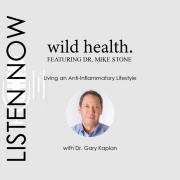
Living An Anti-Inflammatory Lifestyle

LISTEN NOW: Living an Anti-Inflammatory Lifestyle with Dr. Gary Kaplan

September 13, 2023/in News, Wellness/by Kaplan Center

Uncover the complexities of inflammation in this informative episode of Wild Health Podcast featuring Dr. Mike Stone and special guest Dr. Gary Kaplan, DO.

In this episode, “Living an Anti-Inflammatory Lifestyle”, you’ll learn about:

  • practical interventions aimed at combating inflammation.
  • effective lifestyle adjustments and avenues for testing.
  • the role of narcolepsy, sleep apnea, and the role of meditation in sleep quality – and how they are all linked to inflammation.
  • the connection between nutrition and inflammation and actionable steps to identify inflammation-inducing foods
  • how supplementation can address inflammation head-on.
  • the profound influence of inflammation on brain function.
  • inflammations impact on the mind.

We are here for you, and we want to help.

Our goal is to return you to optimal health as soon as possible. To schedule an appointment please call: 703-532-4892 x2

Healthy omega 3 fats

Build a Healthier Brain With Fat!

June 2, 2023/in Mental Health, Nutrition/by Gary Kaplan, DO

We don’t usually associate increasing the amount of fat in our diets as a way to improve health, but when it comes to a particular type of fat, that’s exactly what the doctor ordered!

Omega-3 fatty acids are polyunsaturated fatty acids (PUFAs), a type of essential fat involved in several metabolic processes, and they are a crucial component of good health.

Research shows omega-3 fatty acids reduce inflammation and may reduce the risk of chronic diseases such as heart disease, cancer, and arthritis – conditions that often have a high inflammatory process at their root. But most impressive is the research that confirms Omega-3’s benefits on the brain.

There are 11 different types of omega-3s, but the most well-known for their beneficial properties are Alpha-linoleic acid (ALA), Docosahexaenoic acid (DHA) and Eicosapentaenoic acid (EPA).

Dietary sources of ALA, DHA, and EPA

The modern American diet is typically low in Omega-3 and high in Omega-6 fatty acids, another form of polyunsaturated fatty acid found in some vegetable oils (like corn, soybean, and cottonseed oils), nuts and seeds. Too much Omega-6 causes inflammation; therefore, avoiding processed foods that contain them is important. Interestingly, too much Omega-3 can also be bad; it’s all about keeping the ratio of Omega-3 to Omega-6 in check.

A well-balanced diet with natural sources of ALA, DHA, and EPA is fundamental to maintaining a healthy ratio that prevents inflammation and promotes long-term health.

DHA and EPA are found in fatty, cold-water fish, such as salmon, trout, cod liver, herring, mackerel, and sardines, as well as shellfish such as shrimp, oysters, clams, and scallops. Fish is the best source of Omega-3s as DHA and EPA are more bioavailable, meaning it is easier for the body to absorb it over ALA. Whenever possible, purchase wild-caught fish and check out SeafoodWatch.org to see which fish are lowest in mercury and other environmental toxins.

ALA comes from plants and is the most largely consumed form of Omega-3 in the typical American diet. It serves as an energy source for our cells and a small percent is converted into DHA and EPA. Dietary sources of ALA include flax seeds and flax oil, walnuts and walnut oil, chia seeds, pumpkin seeds, hemp seeds, and hemp oil, mustard oil, most leafy green vegetables, and tofu.

Some research is being done on algal oil, as it contains both DHA and EPA making it more bioavailable than other plant sources of Omega-3s. For vegans and vegetarians, this may be a promising alternative to fish oils. Some supplement brands have already started creating vegetarian EPA/DHA supplements from algal oil for those who prefer not to take fish oils.

Supplementation

When diets don’t meet the mark, supplementation may be recommended, but should always be done under the supervision of a doctor and dietitian for these reasons:

1) A doctor and/or a dietitian-nutritionist can monitor the ratio of Omega 3:6. Certain health conditions may benefit from additional Omega-3; in this case, proper dosage should be determined by a doctor.

2) When a diet is already rich in Omega-3, supplementation may throw a proper Omega 3:6 ratio off-balance and unintentionally cause inflammation.

3) There are some supplements of omega-3 that are actually inflammatory. Many retail brands of Omega-3 or fish oils come from sources of fish that are fed an atypical diet of corn and soy, which alters the composition of fatty acids in the fish oil. This can cause inflammation. As supplements do not require FDA approval, a dietitian or doctor can recommend a trusted brand.

Effects of Omega-3 Fatty Acids on the Brain

– Neuropsychiatric conditions: Research shows that Omega-3 fatty acids can be effective in treating depressive conditions, such as Major Depressive Disorder and bipolar disorder.

– Post-stroke & post-concussion: A study published in the Journal of American College of Nutrition found that giving DHA post-concussion helps in the repair and recovery from injury.

A 2015 study published in the Journal of Neuroimmunology found evidence that supported the clinical use of Omega-3 in treating “stroke and other acute neurological diseases” due, in part, to its anti-inflammatory and anti-apoptotic (prevention of cell death) properties.

– Neuropathic pain: Neuropathic pain, or pain due to damage of the peripheral or central nervous system, can cause debilitating pain for those affected.

A 2018 study found that patients with neuralgic pain who were treated with omega-3 fatty acids in conjunction with conventional medicine, reported more improvement in pain intensity and quality of life than those who received conventional medicine alone.

In 2010, a review of case studies found that patients with neuropathic pain who were treated with high doses of Omega-3 fish oil had “clinically significant pain reduction” and improved function.

– Migraines: Diets high in Omega-3 fatty acids have been found to lessen the frequency and occurrence of migraine headaches.

– Neurodegenerative disease: DHA is extremely important for brain development and function. Studies show that when DHA levels are low, the brain is more susceptible to degeneration.

Omega-3 fatty acids help scavenge free radicals (atoms, molecules, or ions with unpaired electrons) that attach inappropriately to tissue and damage it.

A study published in The FASEB Journal found that “omega-3 polyunsaturated fatty acids, which are found in fish oil, could improve the function of the glymphatic system, which facilitate the clearance of waste from the brain, and promote the clearance of metabolites including amyloid-β peptides, a primary culprit in Alzheimer’s disease.”

Studies also show that DHA supplementation can improve cognitive performance.

How much is enough?

Eating a Mediterranean diet with plenty of fruits, vegetables, whole grains, nuts, lean meat, and cold-water fish will help a person consume more Omega-3’s on a regular basis. Current literature advises that at least 2, 3.5 oz. portions of oily fish should be eaten weekly, but does this amount support long-term health?

Determining the correct intake of Omega-3 fatty acids depends on an individual’s age, the overall state of physical and mental health, and whether there is a history of trauma that suggests heightened inflammation. To find out the amount that is best for your unique condition, make sure to consult with your health care provider or schedule an appointment at the Kaplan Center.


We are here for you, and we want to help.

Our goal is to return you to optimal health as soon as possible. To schedule an appointment please call: 703-532-4892 x2

This article was originally published on December 2016. It was reviewed and updated in June 2023.

Additional research:

Omega-3 DHA and EPA for cognition, behavior, and mood: clinical findings and structural-functional synergies with cell membrane phospholipids.
Targeted alteration of dietary n-3 and n-6 fatty acids for the treatment of chronic headaches: a randomized trial.
Association between serum long-chain omega-3 polyunsaturated fatty acids and cognitive performance in elderly men and women: The Kuopio Ischaemic Heart Disease Risk Factor Study
Omega-3 fatty acids and brain resistance to aging and stress: body of evidence and possible mechanisms.
Therapeutic use of omega-3 fatty acids in severe head trauma.


Brain Boosting Properties of Resveratrol

4 Brain Boosting Properties of Resveratrol

March 15, 2023/in Inflammation, Nutrition/by Gary Kaplan, DO

What do pistachios, peanuts, blueberries, and grapes have in common? In addition to providing a tasty snack, they are all sources of resveratrol, a naturally occurring substance found in certain plants that offers a number of health benefits to the brain!

Resveratrol is a type of phytoalexin, a substance produced by plant tissues that promotes disease resistance. Medical researchers are still exploring the mechanisms by which it works but it has clearly proven its impact on reducing inflammation in the central nervous system (inflammation of this nature is a major contributor to chronic pain, depression, and neurodegenerative diseases).

Sources of resveratrol

A well-balanced diet that includes lots of fruits, vegetables, and nuts is a wonderful way to obtain Resveratrol. Other food sources include mulberries, raspberries, red wine, pomegranates, dark chocolate, and soy beans.

Bioavailability

Successful in vivo studies (involving animals or humans) are limited but show promise. One reason for their limited success is that Resveratrol has low bioavailability. Merriam-Webster defines bioavailability as “the degree and rate at which a substance is absorbed into a living system or is made available at the site of physiological activity.” In other words, before our bodies are able to reap its benefits, Resveratrol is rapidly absorbed and eliminated. Researchers continue to look for ways to enhance its bioavailability through dosage concentrations and combinations with other compounds. For example, just as piperine can improve the bioavailability of curcumin, it may also improve the bioavailability of resveratrol. A 2020 study published in The Egyptian Rheumatologist concluded that “piperine administration concurrently with resveratrol potentiated the anti-inflammatory efficacy of resveratrol in arthritic-induced rats which could be attributed to the bio-enhancing activity of piperine”. 

Questions? Give Us a Call!

703-532-4892 x2

Possible Clinical Applications of Resveratrol
  1. It has demonstrated neuroprotective qualities post-stroke, post-Traumatic Brain Injury (TBI), and/or post-spinal cord injury. A 2021 review published in Neurochemistry International, which looked at both in vivo and in vitro studies, confirmed that Resveratrol “can induce a neuroprotective state when administered acutely or prior to experimental injury to the CNS.”
  2. It can potentially lower a person’s risk of opioid dependency. A 2020 study published in World Academy of Sciences Journal found that “RES can potentiate the antinociceptive effects of morphine and reduces morphine tendency and reinstatement.” In other words, this study suggests that it’s possible that Resveratrol, when taken with morphine, can prevent the development of hyperalgesia (increased sensitization to pain) – a condition that often leads to opioid dependency. Furthermore, Resveratrol acts without compromising the morphine’s effectiveness.
  3. It can improve age-related mood and memory function. Resveratrol’s anti-aging and anti-inflammatory properties seem to protect cells in the hippocampal region of the brain from damage. This region of the brain converts short-term memory to long-term memory, and is part of the limbic system, which regulates emotion. A study published in Scientific Reports showed that middle aged, Resveratrol-treated rats had “improved learning, memory and mood function” in older age than their “vehicle” (a substance usually without therapeutic action) or control-treated counterparts.
  4. It reduces amyloid plaque formation. Amyloid plaques present as a sticky buildup that accumulates outside nerve cells or neurons, and they have been linked to Alzheimer’s disease. A 2022 study published in Free Radical Biology and Medicine, found “strong evidence for resveratrol’s neuroprotective and anti-plaque capabilities in viral-induced AD, which merits its further exploration as an AD preventive and therapeutic candidate.”


Supplementing with Resveratrol

Resveratrol supplements are available in pure form or combined with other compounds. Dosages are typically somewhere between 5mgs and 5gms, depending on the individual’s medical condition.

* If you are considering taking a supplement, make sure to talk with your physician about possible interactions with other medicines.

In sum, Resveratrol is a powerful anti-oxidant with a demonstrated potential to nurture and even heal the brain. With many delightful sources available in food, supplementing with Resveratrol can ensure that our bodies get even more of this wonderful gift from nature!

We are here for you, and we want to help.

Our goal is to return you to optimal health as soon as possible. To schedule an appointment please call: 703-532-4892 x2
Additional References:

Bioavailability (n.d.) Merriam-Webster.com. Retrieved from //www.merriam-webster.com/dictionary/bioavailability.

Meng T, Xiao D, Muhammed A, Deng J, Chen L, He J. Anti-Inflammatory Action and Mechanisms of Resveratrol. Molecules. 2021 Jan 5;26(1):229. doi: 10.3390/molecules26010229. PMID: 33466247; PMCID: PMC7796143.

Jardim FR, de Rossi FT, Nascimento MX, da Silva Barros RG, Borges PA, Prescilio IC, de Oliveira MR. Resveratrol and Brain Mitochondria: a Review. Mol Neurobiol. 2018 Mar;55(3):2085-2101. doi: 10.1007/s12035-017-0448-z. Epub 2017 Mar 10. PMID: 28283884.

Bailey HH, Johnson JJ, Lozar T, Scarlett CO, Wollmer BW, Kim K, Havinghurst T, Ahmad N. A randomized, double-blind, dose-ranging, pilot trial of piperine with resveratrol on the effects on serum levels of resveratrol. Eur J Cancer Prev. 2021 May 1;30(3):285-290. doi: 10.1097/CEJ.0000000000000621. PMID: 32868637; PMCID: PMC7910313.

Aerobic_exercise_health_benefits

Regular Aerobic Exercise Allows for Longer, Happier Lives

March 13, 2023/in Lifestyle, Mental Health, News, Wellness/by Kaplan Center

These publications reinforce the benefits of aerobic exercise and provide even more motivation to get out and break a sweat.

Benefits of exercise on cognitive function.

A study published in Journal of Neurology, Neurosurgery and Psychiatry determined that adults who exercise as little as one time per month have improved cognitive function (thinking and memory) later in life. The study followed a cohort of 1417 participants over a period of 33 years who were asked to periodically categorize their physical activity level. At age 69, participants were assessed and those who were the most active showed the highest cognition later in life. However, the study clearly showed that any level of activity had cognitive benefits, even when physical activity was minimal or began later in life.

Benefits of exercise on mental health disorders.

A review published in the British Journal of Sports Medicine examined the existing evidence on the effect of physical activity on depression, anxiety and psychological distress in adults. Over one thousand trials were looked at and the results showed that physical activity is “highly beneficial for improving symptoms of depression, anxiety and distress across a wide range of adult populations–including the general population, people with diagnosed mental health disorders and people with chronic disease.”

Questions? Give Us a Call!

703-532-4892 x2

A 2018 review and meta-analysis, published in the journal Depression & Anxiety, looked at the association between aerobic exercise and major depressive disorder (MDD). The results of 11 qualifying studies were examined and it was determined that aerobic exercise had a significant anti-depressant effect and can be considered an effective intervention for MDD and other mental health disorders.

Benefits of exercise on chronic illness.

Another study, published in JAMA Network Open, found that sedentary lifestyles are as harmful to one’s health as having a chronic illness. Over the span of 23 years 122,000 adult patients underwent periodic stress testing to determine the link between mortality and aerobic exercise. The study found that better cardiorespiratory fitness was directly associated with longer life spans and better overall health, with the inverse also being true.

Look, we all know about the benefits of exercising, but we don’t always stick with it. These studies highlight the importance of daily movement for living longer and happier lives. Start slowly and find something you like and most importantly stick with it, consistency is the key to reaping the long-term benefits and safeguarding your health.

We are here for you, and we want to help.

Our goal is to return you to optimal health as soon as possible. To schedule an appointment please call: 703-532-4892 x2

Page 1 of 212
Print Friendly, PDF & Email

Resources

  • Health & Wellness Blog
  • Events
  • Featured Press
  • Featured Podcasts and Webinars
  • Videos
  • Books
  • eBooks
  • Professional Resources
  • Research

Do you have questions about The Kaplan Center for Integrative Medicine?
Call Us Today!

703-532-4892, Ext. 2

Subscribe

Are you looking to improve your overall wellness?

Contact Us Today

Personalized care you can trust.

Our integrative, non-surgical treatment approach is highly successful in maintaining wellness and also treating chronic pain and illness. For more than 30 years, we have delivered superior, cutting-edge health care in the Washington, DC area.

QuickLinks

  • Integrative Medicine – McLean, VA – Kaplan Center
  • Conditions
  • Providers
  • Services
  • About
  • Resources
  • Store
  • Contact

Contact Information

Tel: 703-532-4892
Fax: 703-237-3105

6829 Elm Street, Suite 300
McLean, Virginia 22101
Map It

Hours of Operation
Mon – Thu : 8 am – 5 pm, ET
Fri : 8 am – 12 pm, ET

Copyright 2025 The Kaplan Center. All rights reserved. | Privacy Policy | Patient Portal | The Foundation for Total Recovery
  • Link to Facebook
  • Link to X
  • Link to Youtube
  • Link to LinkedIn
  • Link to Instagram
Scroll to top Scroll to top Scroll to top